


Saudi FM: Giving Palestinians their Rights is the Solution to Stability

Saudi Minister of Foreign Affairs Prince Faisal bin Farhan Al-Saud speaks at the World Economic Forum's (WEF) special meeting in Riyadh. Asharq Al-Awsat
TT

Saudi FM: Giving Palestinians their Rights is the Solution to Stability

Saudi Minister of Foreign Affairs Prince Faisal bin Farhan Al-Saud speaks at the World Economic Forum's (WEF) special meeting in Riyadh. Asharq Al-Awsat

Saudi Minister of Foreign Affairs Prince Faisal bin Farhan Al-Saud has said that only a real commitment to a two-state solution to the Palestinian-Israeli conflict can prevent the war in the Gaza Strip from reoccurring.

The Minister participated on Sunday in a session entitled “North to South, East to West: Rebuilding Trust,” at the World Economic Forum's (WEF) special meeting in Riyadh.

He highlighted the catastrophic situation in Gaza according to all humanitarian standards, indicating that the current events represent a complete failure of the international political system in dealing with the crisis.

“If we all agree that the Palestinian state and giving the Palestinians their right, is the solution that gives everybody what they need: security, stability, their rights, then we should all decide we’re going to invest all of our resources in making that happen,” he said.

“Today the crisis has entered its seventh month and we are still in an endless discussion about whether enough trucks are entering Gaza or not. It is unreasonable and completely unacceptable,” said the Foreign Minister.

He noted that most partners in the international community support the two-state solution. “We are not only focusing on resolving the current crisis, but rather we want to solve the broader problem of attaining a real commitment to the two-state solution.”

“That’s the only reasonable and credible solution that guarantees us from not having to come back to this same situation two, three, four years down the line.”

In response to a question about Saudi Arabia's role in the region, Prince Faisal stressed that the Kingdom focuses on spreading peace and security in the region and the world, and contributes to increasing economic growth, enhancing global cooperation, and innovation, in addition to preserving the climate and confronting all the challenges that the region and the world are experiencing.


Saudi Arabia Intercepts Drones Headed to Shaybah Oil Field

Saudi Ministry of Defense logo
TT

Saudi Arabia Intercepts Drones Headed to Shaybah Oil Field

Saudi Ministry of Defense logo

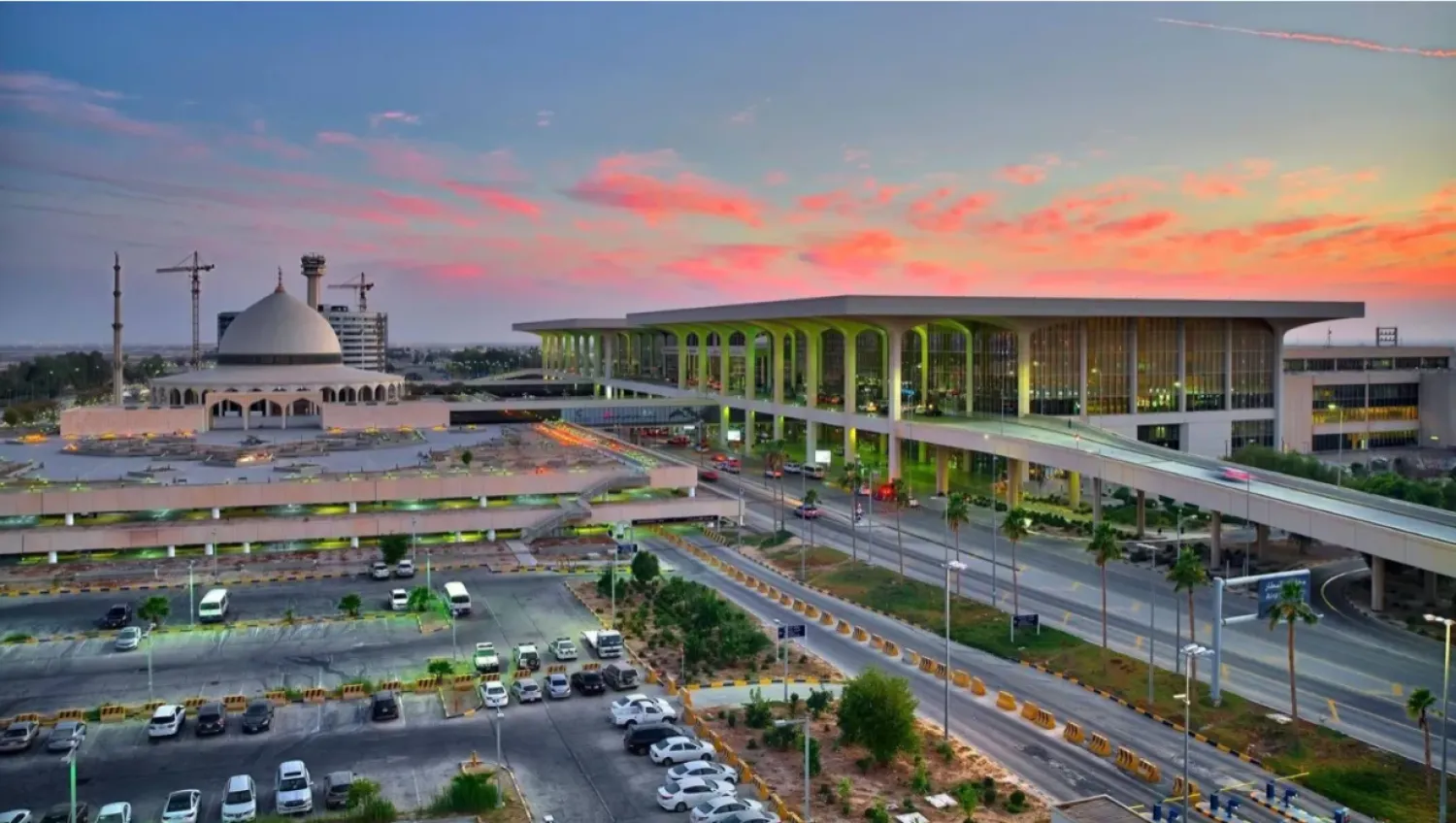
Saudi Arabia intercepted drones headed towards the Shaybah oil field on Thursday, marking ⁠the third such incident reported on the same day.

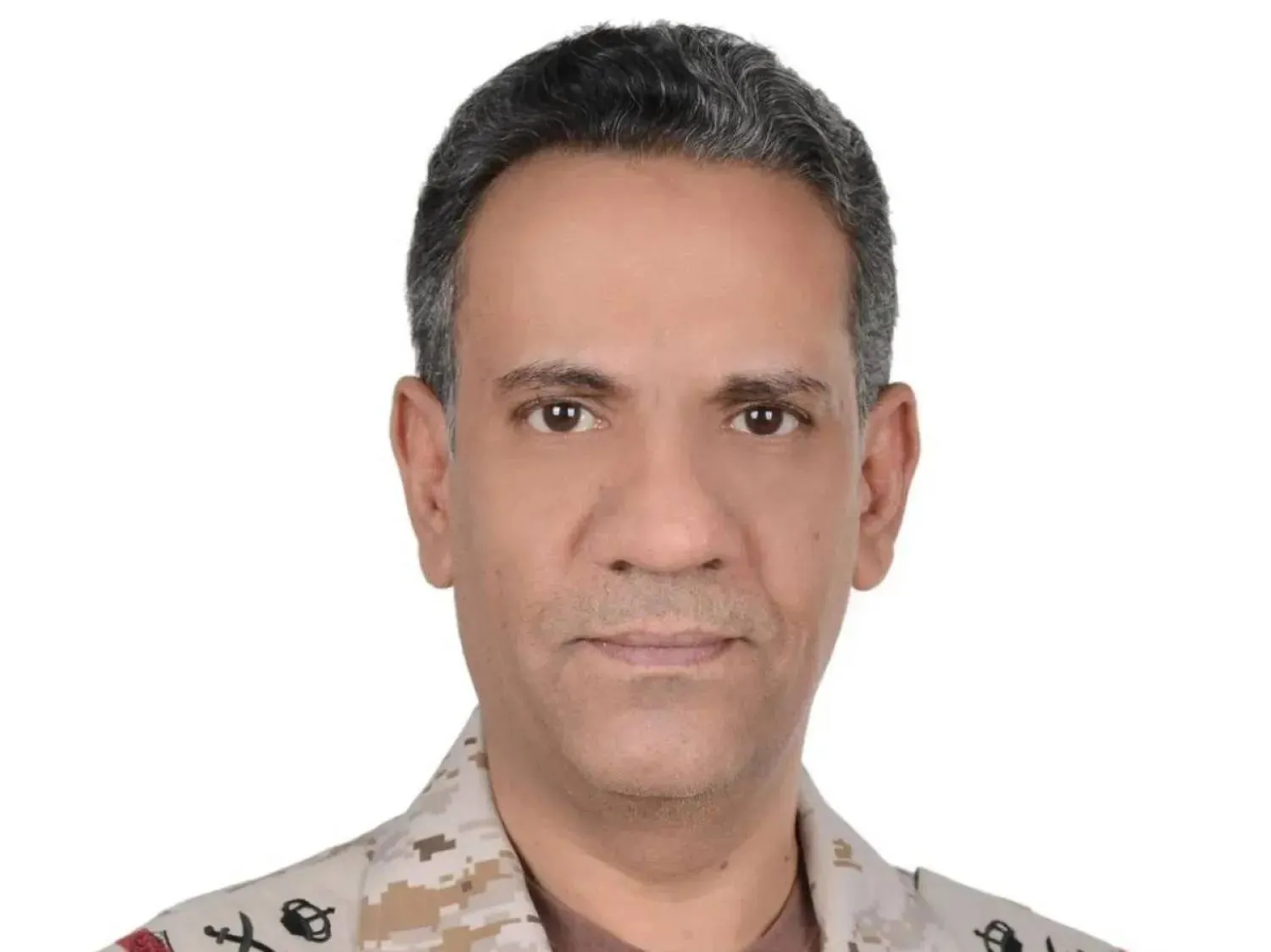
Spokesperson for the Ministry of Defense Major General Turki Al-Maliki also stated Wednesday that a hostile drone was shot down while attempting to approach the Diplomatic Quarter.

Al-Maliki further stated that drones were intercepted and destroyed in the Eastern Region.


Saudi Arabia Welcomes Security Council Resolution Condemning Iran’s Attacks on the Gulf, Jordan

The Saudi flag with its great connotations that refer to unification, justice, strength, growth and prosperity (SPA)
TT

Saudi Arabia Welcomes Security Council Resolution Condemning Iran’s Attacks on the Gulf, Jordan

The Saudi flag with its great connotations that refer to unification, justice, strength, growth and prosperity (SPA)

Saudi Arabia’s Ministry of Foreign Affairs welcomed the United Nations Security Council’s adoption of Resolution 2817, which was submitted by the Kingdom together with Bahrain, the United Arab Emirates, Qatar, Oman, Kuwait, and Jordan.

The resolution strongly condemns the dreadful attacks carried out by Iran against the territories of the Gulf States and Jordan, and affirms that these actions constitute a violation of international law and pose a serious threat to international peace and security.

Saudi Arabia expressed its support for the resolution’s clauses, particularly its condemnation of attacks on residential areas and civilian objects, the resulting civilian casualties, and the damage inflicted on civilian infrastructure. Saudi Arabia also reaffirmed its solidarity with the affected countries and their peoples.

The Saudi Ministry highlighted the broad international backing for the resolution, as well as the widespread global condemnation of these flagrant Iranian attacks. It called for their immediate and unconditional cessation and urged an end to any form of provocation or threats against neighboring states, including actions carried out through proxy actors.

The Kingdom reaffirmed the principles outlined in the resolution and stressed that it retains its full right to take all necessary measures to safeguard its security, sovereignty, and territorial integrity, and to deter further aggression, in accordance with Article 51 of the United Nations Charter.


UN Security Council Condemns Iranian Attacks on the Gulf

The Security Council during its meeting on Wednesday (EPA)
TT

UN Security Council Condemns Iranian Attacks on the Gulf

The Security Council during its meeting on Wednesday (EPA)

In a resolution supported by 135 UN member states, the United Nations Security Council on Wednesday strongly condemned Iranian aggressions targeting Gulf states and Jordan, demanding that Tehran respects freedom of navigation in the Strait of Hormuz and the Bab al-Mandab in accordance with international laws.

On Wednesday, the 15-member Council adopted resolution 2817 by a vote of 13 in favor, including the US, France, UK, Denmark, Greece, Pakistan, Panama, Somalia, Bahrain, Columbia, the Republic of Congo, Latvia and Liberia, to none against, with 2 abstentions (China and Russia). The resolution was cosponsored by an extraordinary 135 other UN member states.

The resolution, drafted by Bahrain on behalf of the Gulf Cooperation Council (GCC) countries, reiterated its strong support for the territorial integrity, sovereignty and political independence of Bahrain, Kuwait, Oman, Qatar, Saudi Arabia, the United Arab Emirates and Jordan.

It condemned in the “strongest terms the egregious attacks” by Iran against the territories of the mentioned countries and determined that such acts constitute a breach of international law and are a serious threat to international peace and security.

The resolution condemned assaults on residential areas and civilian objects, and expressed solidarity with the countries that have come under attack and their people.

It also demanded immediate cessation of all attacks by Iran against the GCC countries and Jordan and that Tehran “immediately and unconditionally” cease from any provocation or threats to neighboring states, including the use of proxies.

The resolution called upon Iran to refrain immediately from any actions or threats and to comply fully with its obligations under international law, including international humanitarian law, particularly regarding the protection of civilians and civilian objects in armed conflict.

Additionally, it reaffirmed that the exercise of navigational rights and freedoms by merchant and commercial vessels, in accordance with international law, must be respected, particularly around critical maritime routes, and took note of the right of member states, in accordance with international law, to “defend their vessels from attacks and provocations, including those that undermine navigational rights and freedoms.”

The resolution condemned any actions or threats by Iran aimed at closing, obstructing, or otherwise interfering with international navigation through the Strait of Hormuz, or threatening maritime security in the Bab al-Mandab.

It warned that any attempt to impede lawful passage or freedom of navigation in these international waterways constitutes a serious threat to international peace.

After the vote, Bahrain’s ambassador to the UN, Jamal Alrowaiei, expressed his “deepest gratitude” on behalf of the GCC.

“The fact that 135 countries co-sponsored this resolution bears witness to a collective conscience of just how dangerous Iran’s attacks are against the GCC and Jordan,” Alrowaiei told the Security Council.