


Oman Terror Attack: Perpetrators Pledged Allegiance to ISIS

Muscat, Oman (AFP)
Muscat, Oman (AFP)
TT

Oman Terror Attack: Perpetrators Pledged Allegiance to ISIS

Muscat, Oman (AFP)
Muscat, Oman (AFP)

The identities of the “three terrorist brothers” who attacked a mosque in Muscat on Monday night have shocked Oman, a country not used to such incidents.

A video from ISIS showed the brothers pledging allegiance to the terror group’s leader before the attack.

The Royal Oman Police said the brothers, who were Omani, died after resisting security forces. Investigations revealed they were influenced by extremist ideas.

According to available information, the three brothers held prestigious positions.

One had a PhD and worked in a key government ministry, and he had hosted television programs about Oman’s development, which are available on YouTube.

The second brother worked at the central bank, and the third was employed by the municipality.

A video featuring their fourth brother, Sultan Al-Hasani, a former singer who had renounced his career, showed him condemning his brothers, denouncing their actions as bloodshed and a threat to national security.

On Tuesday, ISIS claimed responsibility for the attack on Imam Ali Mosque in Wadi Kabir, Muscat.

The attack targeted residents observing Ashura, killing six people, including a police officer, and injuring around 28 others. The three attackers were also killed.

A video released by ISIS’s Amaq news agency, which has not been verified by official sources, showed the three brothers who carried out the attack standing in front of the group’s black flag, pledging allegiance to “Abu Hafs,” referring to the group’s leader, Abu Hafs al-Hashimi.

Abu Hafs became the fifth leader of ISIS on August 3, 2023, following the death of his predecessor, Abu al-Hussein al-Husseini al-Qurashi, in battle, as announced in an audio recording by ISIS spokesman Abu Hudhayfah al-Ansari.

In a video released by ISIS, a speaker believed to be Hamad Al-Hasani justified the mosque attack with sectarian rhetoric, inciting Arab youth to rebellion and criticizing religious scholars.

He also attacked the West, led by the United States, accusing it of waging “the greatest ideological, military, media, and economic war against Muslims in general, and ISIS in particular.”


Pakistan Sends Troops to Saudi Arabia to Bolster Defenses

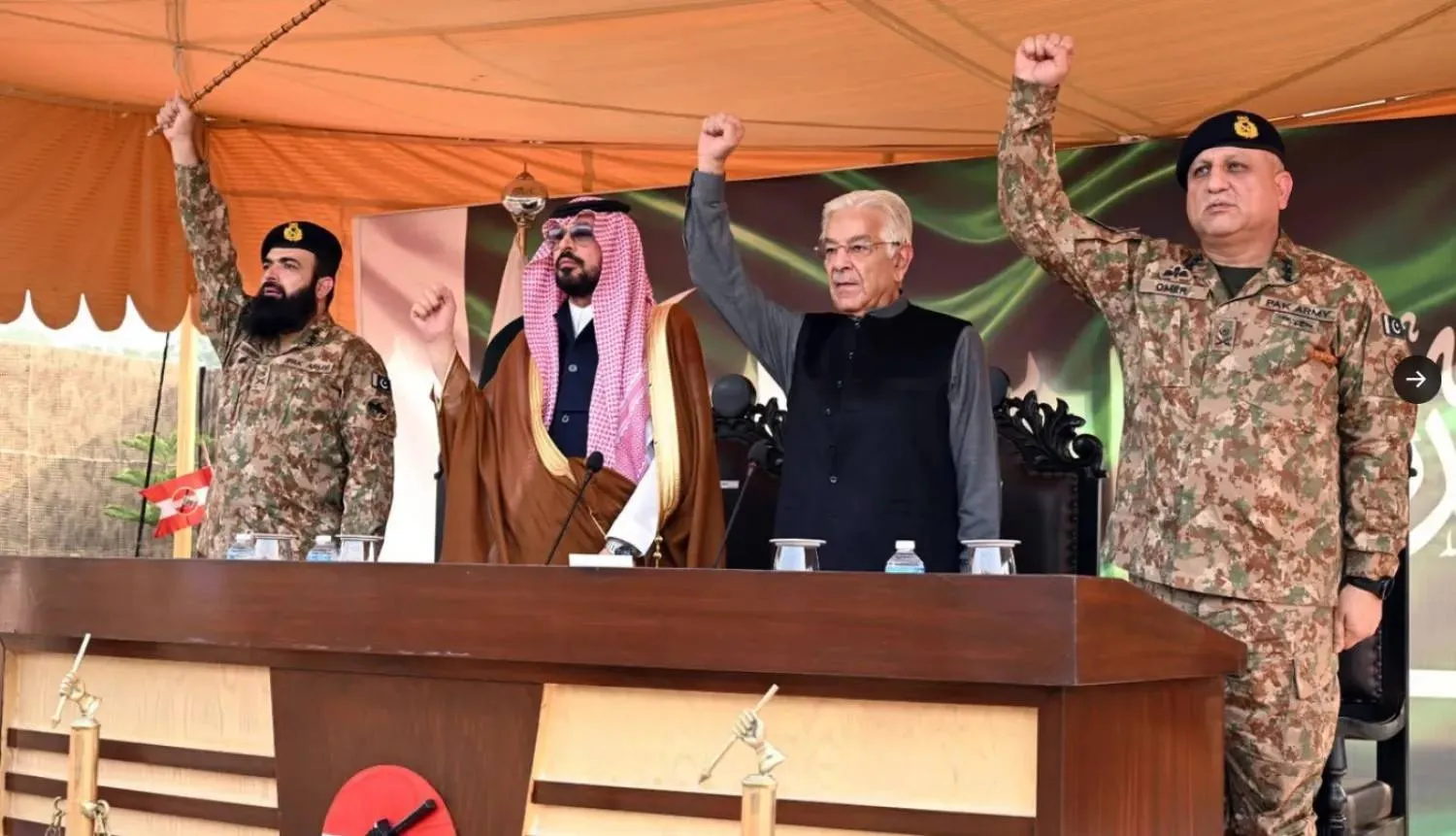
Pakistani Federal Minister for Defense Khawaja Muhammad Asif and Dr. Rajeh Albugamy, Saudi Ambassador to Pakistan. (Pakistan Armed Forces News)
TT

Pakistan Sends Troops to Saudi Arabia to Bolster Defenses

Pakistani Federal Minister for Defense Khawaja Muhammad Asif and Dr. Rajeh Albugamy, Saudi Ambassador to Pakistan. (Pakistan Armed Forces News)

Pakistan's military announced Sunday that it will send troops to help strengthen Saudi Arabia’s defenses.

In a statement, it said the troops would carry out their duties within Saudi territory under existing defense cooperation arrangements.

The deployment “reflects Pakistan’s ⁠unwavering commitment to the ⁠security, sovereignty and territorial integrity" of Saudi Arabia, the army statement said.

A send-off ceremony was held on Saturday for Pakistani troops proceeding to the Kingdom.

Pakistani Federal Minister for Defense Khawaja Muhammad Asif attended the ceremony as Chief Guest. Dr. Rajeh Tami Albugamy, Saudi Ambassador to Pakistan, was also present at the occasion.

Islamabad’s announcement came two days after Saudi, Pakistani, and Turkish defense and military officials met in Islamabad and reaffirmed their support for Riyadh under a trilateral agreement that treats an attack on one member as an attack on all.

The three countries also backed diplomatic efforts to ease regional tensions.

Saudi Arabia, Pakistan and Türkiye signed the Makkah Joint Defense Agreement on Aug. 7, declaring that an attack on one member would be treated as an attack on all three.

The countries have described the pact as defensive and said it is not directed against any particular state.


Saudi Arabia Downs Houthi Missiles Headed Towards Riyadh, Eastern Region

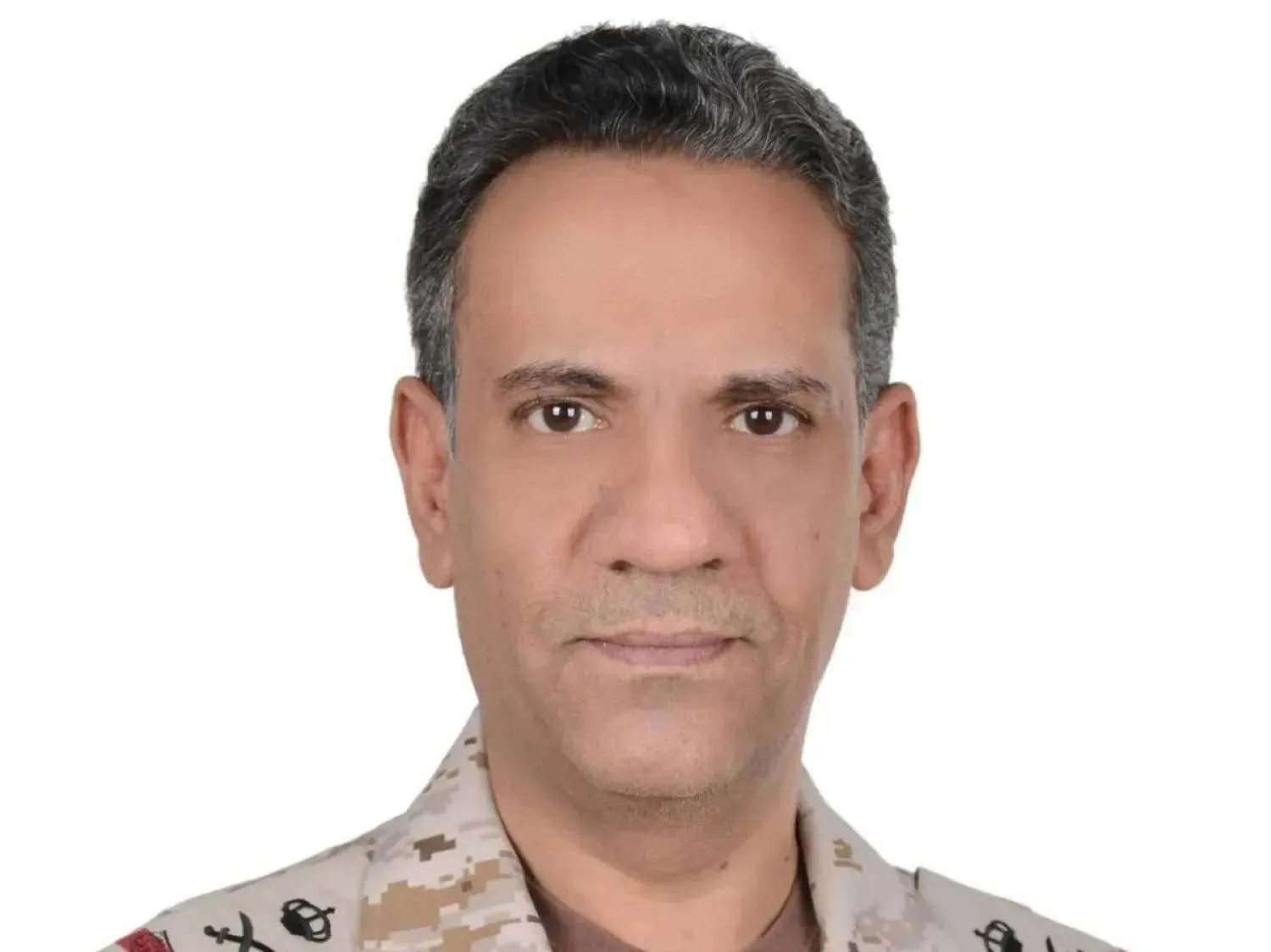
Official Spokesperson of the Coalition to Restore Legitimacy in Yemen Major General Turki Al-Malki
TT

Saudi Arabia Downs Houthi Missiles Headed Towards Riyadh, Eastern Region

Official Spokesperson of the Coalition to Restore Legitimacy in Yemen Major General Turki Al-Malki

The Coalition to Restore Legitimacy in Yemen said on Sunday that it shot down a ballistic missile targeting Riyadh.

"Air defenses intercepted and destroyed a ballistic missile launched by the Houthi terrorist militia towards Riyadh," Coalition Spokesperson Turki Al-Malki wrote on X.

He also stated that air defenses intercepted and destroyed two ballistic missiles launched by the Houthis toward Eastern Region. Debris from the interception fell without causing any civilian casualties.

Al-Malki added that any attempt to target civilians and civilian objects would be met with a response.

In a separate statement, Al-Malki said coalition forces destroyed a ballistic missile launcher in Saada Governorate that the Houthis used in an attack on Jazan.


Coalition Intercepts Houthi Missiles, Vows Response to Targeting of Civilians

Airstrikes targeted Houthi military capabilities, weapons depots, and logistical supplies in Sanaa, Saada, Ibb, Taiz, and Mokha. (EPA)
TT

Coalition Intercepts Houthi Missiles, Vows Response to Targeting of Civilians

Airstrikes targeted Houthi military capabilities, weapons depots, and logistical supplies in Sanaa, Saada, Ibb, Taiz, and Mokha. (EPA)

Airstrikes on Houthi positions in Yemen continued on Saturday as Saudi air defenses intercepted six missiles launched by the group toward Riyadh and the Southern Region. The escalation coincided with ongoing clashes on the Taiz fronts and intensifying Houthi attacks on residential areas that left civilians dead and wounded, including women and children.

The airstrikes targeted Houthi military capabilities, weapons depots, and logistical supplies in Sanaa, Saada, Ibb, Taiz, and Mokha, according to local sources, who reported violent, successive explosions at a group weapons depot near Mount Ayban in Sanaa after it was hit.

Meanwhile, the Coalition to Support Legitimacy in Yemen announced the interception and destruction of five missiles fired by the group toward Saudi Arabia, four ballistic missiles and one cruise missile, with one targeting the Riyadh Region and the others the Southern Region.

Coalition spokesperson Major General Turki Al-Maliki said a ballistic missile launched by the group toward Al-Shuqaiq was also intercepted and destroyed.

Interception debris fell without causing civilian injuries, he added.

Al-Maliki warned the Houthis of a military response, stressing that "attempts to target civilians and civilian objects will be met with a response."

These developments coincided with ongoing Yemeni government military operations under Operation Dawn of Yemen, as well as exchanges of fire across several battlefronts, particularly in Taiz, where clashes are raging around the city and on its southern and western fronts.

The Yemeni Armed Forces carried out hundreds of strikes against Houthi positions, gatherings, reinforcements, and fortifications.

Military statements reported neutralizing dozens of the group's fighters and disabling combat vehicles and equipment, as government forces, backed by the Popular Resistance and air support, pressed ahead with defensive and offensive operations on the Taiz fronts.

Clashes spread to the Al-Aqroud front in the Al-Misrakh district south of Taiz, alongside government artillery shelling targeting Houthi positions and gatherings in Al-Dhabab west of the city.

Operations also covered fronts north and west of Marib, Al-Jawf, Tur Al-Bahah, Al-Maqatirah, and Hayfan, as well as Karish, Mukayras, Al-Dhale, and Shabwa, where airstrikes hit the group's sites and reinforcements while government forces repelled armed movements and attempts to set up new fortifications and combat positions.