Saudi Arabia Hopes Gaza Ceasefire Will End ‘Barbaric Israeli War’

Prince Mohammed bin Salman bin Abdulaziz Al Saud, Crown Prince and Prime Minister, chairs the cabinet meeting in AlUla. (SPA)
TT

Saudi Arabia Hopes Gaza Ceasefire Will End ‘Barbaric Israeli War’

Prince Mohammed bin Salman bin Abdulaziz Al Saud, Crown Prince and Prime Minister, chairs the cabinet meeting in AlUla. (SPA)

The Saudi government hoped on Tuesday that the ceasefire in Gaza would end the “barbaric Israeli war” and help address the root cause of the conflict by allowing the Palestinian people to achieve their rights, starting with the establishment of an independent state based on the 1967 border and with East Jerusalem as its capital.

Prince Mohammed bin Salman bin Abdulaziz Al Saud, Crown Prince and Prime Minister, chaired the cabinet meeting that was held in AlUla.

The ministers were briefed on the telephone call Crown Prince Mohammed held with French President Emmanuel Macron, which addressed bilateral relations and explored ways to strengthen cooperation.

The cabinet deemed the establishment of the Saudi-Singapore Strategic Partnership Council and the inaugural meeting of the Saudi-Thai Coordination Council as significant milestones in fostering global partnerships. These initiatives aim to strengthen bilateral cooperation, aligning with shared interests and objectives.

The cabinet congratulated to US President Donald Trump on his inauguration and acknowledged the distinguished Saudi-US relations.

It reviewed the outcomes of several international conferences hosted by the Kingdom. It commended the visionary initiatives and projects presented at the Hajj Conference and Exhibition, which highlighted the Kingdom's commitment to serving pilgrims to the two holy mosques. This commitment was exemplified by welcoming over 18 million international pilgrims and Umrah performers in 2024. The Kingdom continuously strives to improve the quality of services for all visitors.

Moreover, the cabinet acknowledged the significant global participation in the fourth Future Minerals Forum. This included the signing of 126 agreements and memoranda of understanding valued at SAR107 billion, as well as impactful launches set to stimulate domestic and international sector growth.

The cabinet reviewed key performance indicators across various sectors. It hailed the agricultural sector for achieving high self-sufficiency rates in numerous products and crops. It highlighted the remarkable achievements and record-breaking progress in water sector projects, boosting the effectiveness of strategies and programs to achieve food and water security and sustainable development.
Iran Launched 83% of Missiles and Drones at the Gulf Compared to 17% at Israel

Smoke rises from a high-rise building following a drone attack in Kuwait City on March 8, 2026. (AFP/file photo)
TT

Iran Launched 83% of Missiles and Drones at the Gulf Compared to 17% at Israel

Smoke rises from a high-rise building following a drone attack in Kuwait City on March 8, 2026. (AFP/file photo)

Since the start of the war on February 28, about 83% of missiles and drones launched by Iran have targeted Gulf Cooperation Council (GCC) states, compared to 17% launched at Israel, reports indicate.

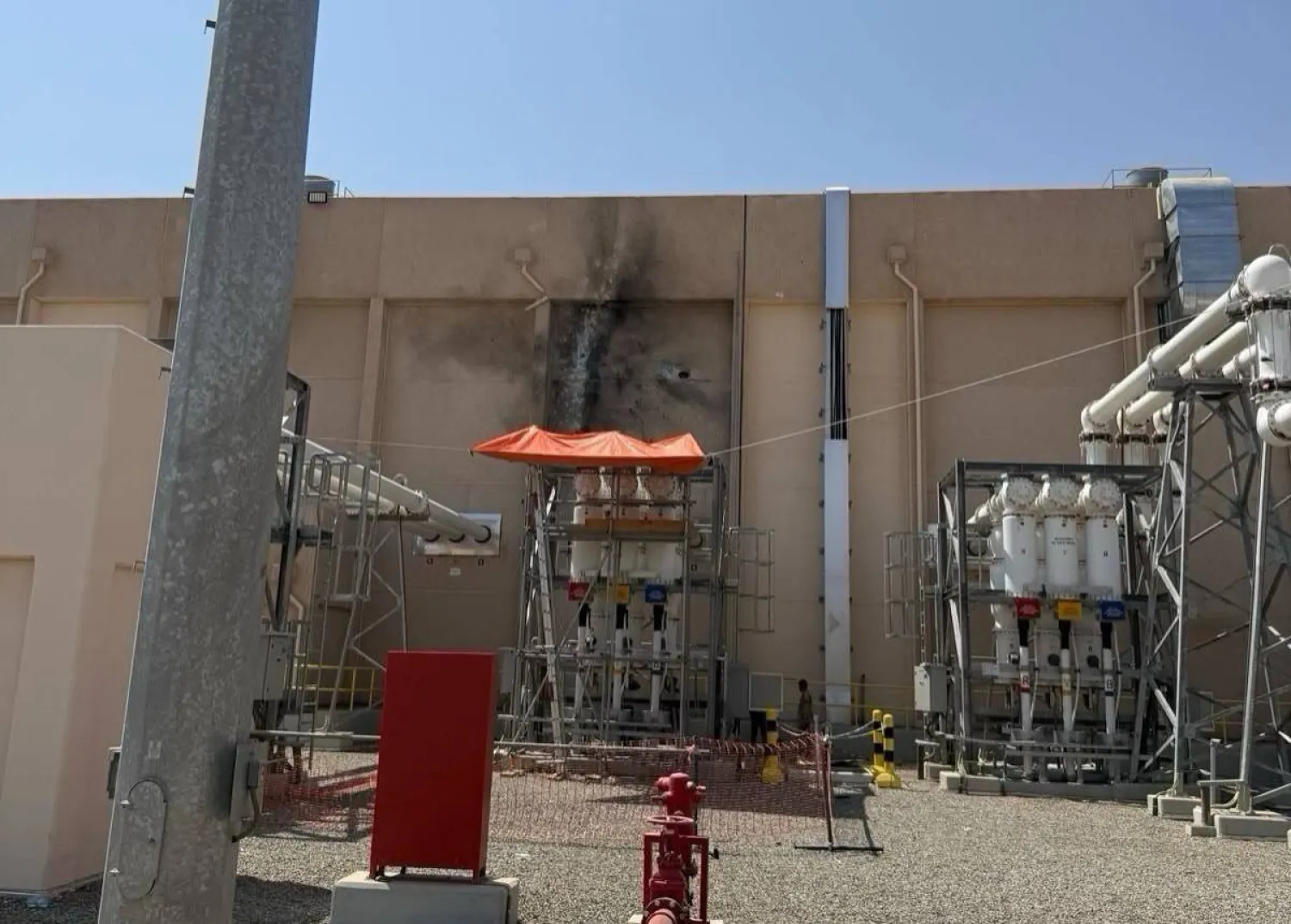
Official data shows that by Wednesday night, Iran had launched 4,391 missiles and drones at GCC vital infrastructure and civilian facilities, constituting a dangerous escalation that threatens regional security and stability.

As for Israel, which has initiated the war, it was hit by 930 Iranian missiles and drones or just 17% of the total attacks in the region.

Data shows that Iran has launched a total of 723 missile and drone attacks at Saudi Arabia since the beginning of the conflict.

The United Arab Emirates bore the brunt of Iranian attacks with 2,156 missiles and drones, followed by Kuwait with 791 attacks, Bahrain (429), Qatar (270) and Oman with 22 drone attacks.

Gulf air defense systems have demonstrated exceptional efficiency and professionalism in neutralizing these threats, proving to be an impenetrable shield safeguarding the region’s security and stability.

Arab and Muslim nations condemned the Iranian attacks, urging Tehran to cease aggression and respect international law for regional stability.

But Iran has escalated military operations against GCC countries, directly threatening the global economy and international energy security.


Saudi Defense Minister Receives Phone Call from Hungarian Counterpart

Saudi Defense Minister Prince Khalid bin Salman bin Abdulaziz. (SPA)
TT

Saudi Defense Minister Receives Phone Call from Hungarian Counterpart

Saudi Defense Minister Prince Khalid bin Salman bin Abdulaziz. (SPA)

Saudi Minister of Defense Prince Khalid bin Salman bin Abdulaziz received a phone call on Wednesday from his Hungarian counterpart Kristóf Szalay-Bobrovniczky, the Saudi Press Agency reported.

During the call, the two sides discussed regional developments, including Iran's attacks on the Kingdom and several countries in the region, and their implications for regional and international security and stability.


Saudi Foreign Minister Travels to France for G7 Meeting

Saudi Foreign Minister Prince Faisal bin Farhan (Asharq Al-Awsat)
TT

Saudi Foreign Minister Travels to France for G7 Meeting

Saudi Foreign Minister Prince Faisal bin Farhan (Asharq Al-Awsat)

Saudi Minister of Foreign Affairs Prince Faisal bin Farhan bin Abdullah traveled to France on Wednesday to attend the Group of Seven (G7) ministerial meeting, taking place at the Vaux-de-Cernay Abbey in the countryside outside Paris.

The meeting will address international issues and topics, including global governance reform, reconstruction challenges, maritime security, supply chains, and threats to peace and stability around the world, the Saudi Press Agency reported Thursday.