


New Delhi Keen to Expand Military Cooperation with Riyadh in Defense Field

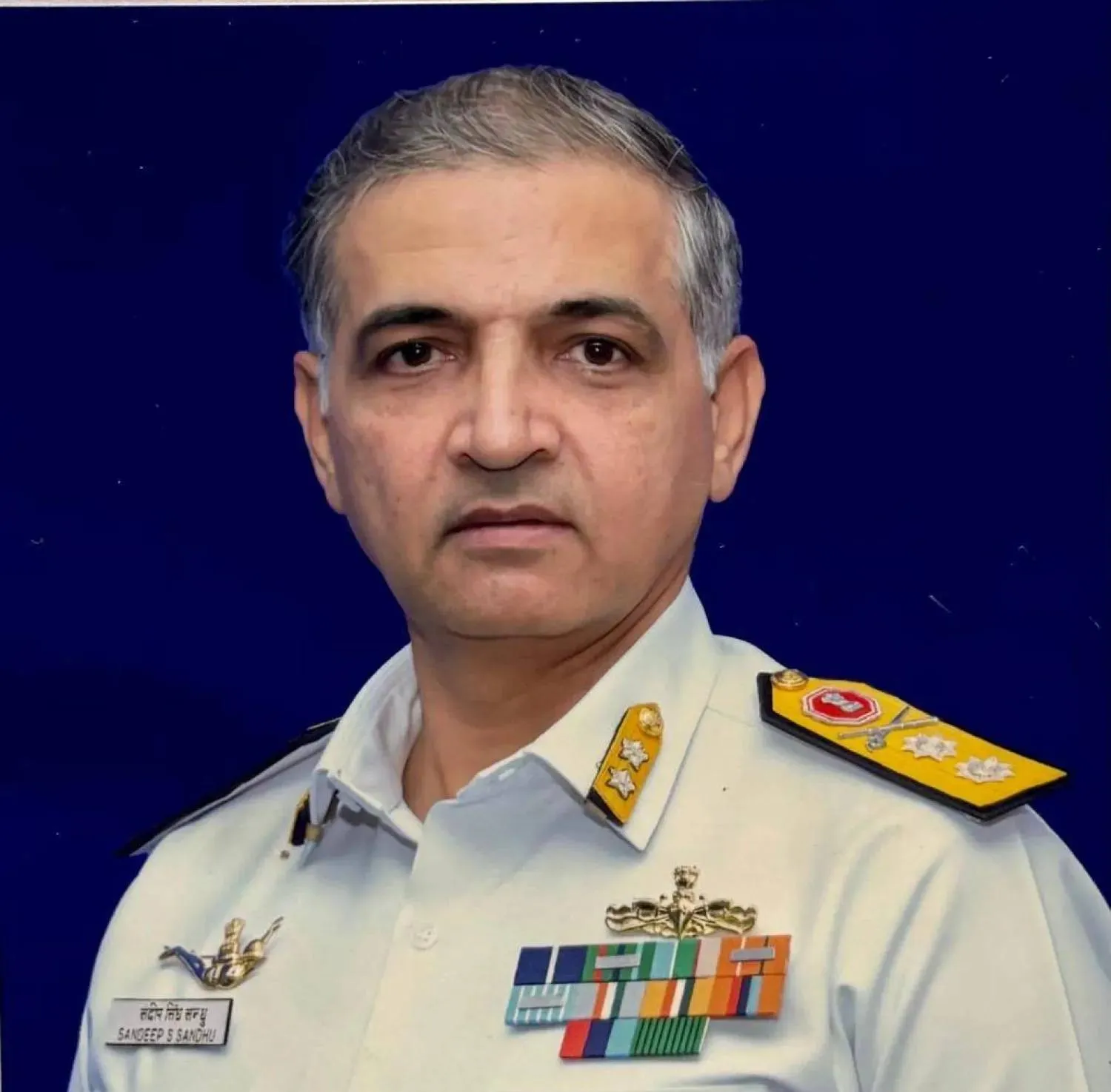
Rear Admiral Sandeep Singh Sandhu (NM), Senior Directing Staff, National Defense College, Ministry of Defense of India. (Indian Embassy in Riyadh)
TT

New Delhi Keen to Expand Military Cooperation with Riyadh in Defense Field

Rear Admiral Sandeep Singh Sandhu (NM), Senior Directing Staff, National Defense College, Ministry of Defense of India. (Indian Embassy in Riyadh)

New Delhi is looking forward to exploring opportunities for cooperation with Riyadh in defense industries and form vital platforms to build capabilities and exchange expertise in the defense field given the recent establishment of the joint ministerial committee aimed at expanding the scope of long-term defense cooperation between the two sides.

In an interview to Asharq Al-Awsat, Rear Admiral Sandeep Singh Sandhu (NM), Senior Directing Staff, National Defense College, Ministry of Defense of India, said: “The establishment of a new Ministerial Committee on Defense Cooperation under the framework of the India–Saudi Strategic Partnership Council, during the state visit of Prime Minister Narendra Modi to the Kingdom in April 2025, marks a significant milestone in our defense relationship.”

“This institutional mechanism is poised to deepen and broaden our engagement across all domains of defense cooperation,” he added.

“Last year on the sidelines of World Defense Show in Riyadh, Saudi Arabian company Nadrah and Indian defense company Munitions India Limited (MIL) signed a major deal valued at over USD 225 million for supply of artillery ammunition to Saudi Arabia,” he went on to say.

‘Deep mutual trust and strategic alignment’

“As close maritime neighbors, India and Saudi Arabia share a natural convergence of interests in regional peace and stability,” said Sandhu. “This shared vision is underpinned by centuries of cultural and commercial ties, and today, it is increasingly reflected in our growing defense and security collaboration - a testament to the deep mutual trust and strategic alignment between our two nations.”

“In recent years, our defense engagements have witnessed unprecedented momentum. Over the past 18 months, we have achieved several significant milestones that have contributed to deepening institutional ties and practical cooperation,” he stressed.

“In January 2024, India had the honor of hosting the first-ever official visit by the Chief of the Royal Saudi Naval Forces, Admiral Fahad Al-Ghufaili. This was followed in February 2024 by the first Indian ministerial defense delegation in over a decade visiting the Kingdom to participate in the 2nd World Defense Show in Riyadh,” he continued.

“The first joint army exercise, Sada Tanseeq-I, was successfully conducted last year, building on the momentum set by the bilateral naval exercises, Al-Mohed Al-Hindi, which took place in 2021 and 2023.”

“Earlier this year, we held the inaugural Army and Navy Staff Talks, further institutionalizing our defense dialogue and enabling more structured engagement between our services. A high-level Saudi delegation also visited the Information Fusion Center- Indian Ocean Region (IFC-IOR) in Gurugram,” said Sandhu.

“Just last week, two Indian Navy warships made a port call in the Kingdom, where they also conducted a PASSEX (Passage Exercise) with Saudi Navy. Around the same time, a senior Saudi delegation was in New Delhi to attend the 7th Meeting of the Joint Committee on Defense Cooperation (JCDC), reaffirming the shared commitment to deepen wide-ranging defense cooperation,” he stated.

Riyadh visit

Sandhu continued: “I have the honor of leading a delegation comprising 15 senior military and civilian officers from India and five friendly foreign countries — Nigeria, Nepal, Sri Lanka, the Philippines, and Uzbekistan. All members of the delegation are currently undergoing the prestigious National Security and Strategic Studies course at the National Defense College (NDC), New Delhi, India.”

“Established in 1960, the National Defense College is India's premier institution for higher military education. It plays a pivotal role in grooming selected senior officers from the armed forces and the civil services - both Indian and international - for strategic leadership roles,” he told Asharq Al-Awsat. “The NDC provides an intellectually stimulating environment for the comprehensive study of national and international security issues, strategy, statecraft, and policy formulation.”

“As part of our curriculum, we are currently undertaking a three-day Strategic Neighborhood Study Tour to Saudi Arabia,” he revealed. “The aim of this familiarization visit is to gain firsthand insights into the Kingdom’s strategic environment and national security architecture.”

Moreover, he said: “The visit also provides a valuable opportunity to engage with key military institutions and defense industry organizations in the Kingdom.”

“Our itinerary includes official engagements in Riyadh and Dammam, where we look forward to meaningful interactions with senior officials and counterparts from the Saudi armed forces, government, and defense sector,” remarked Sandhu. “We have met Dr. Fahd bin Abdullah Al Sulaiman, Governor the General Authority for Defense Development (GADD), visited the Saudi Arabian Military Industries (SAMI) as well as the National Defense University, Riyadh.”

“The last visit by an NDC delegation to the Kingdom took place in 2023, and we are pleased to continue this tradition of dialogue and collaboration. Officers from the Saudi armed forces have attended NDC courses in the past,” he added.

Saudi Support for Inclusive Southern Dialogue Without Monopoly or Exclusion

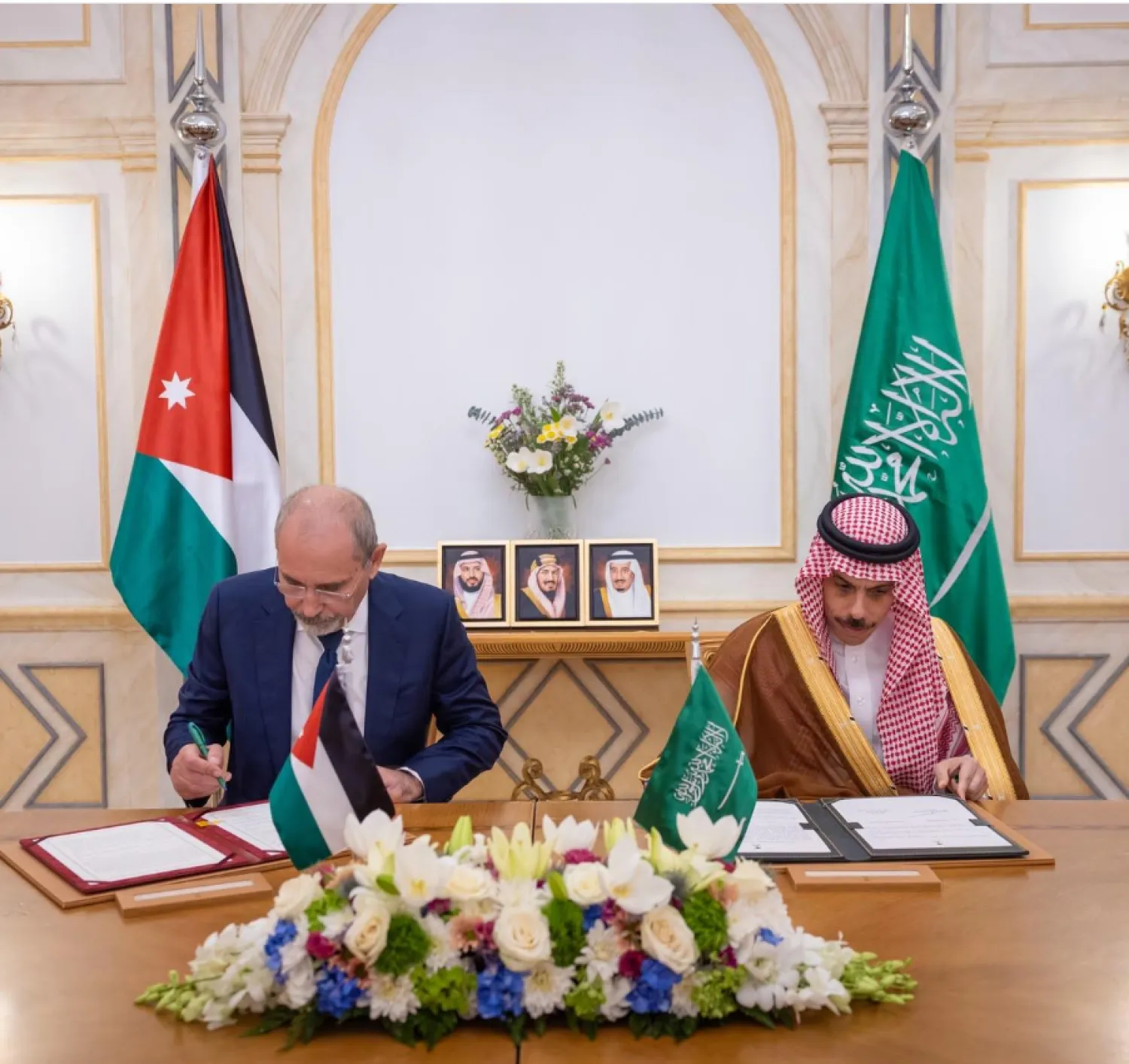
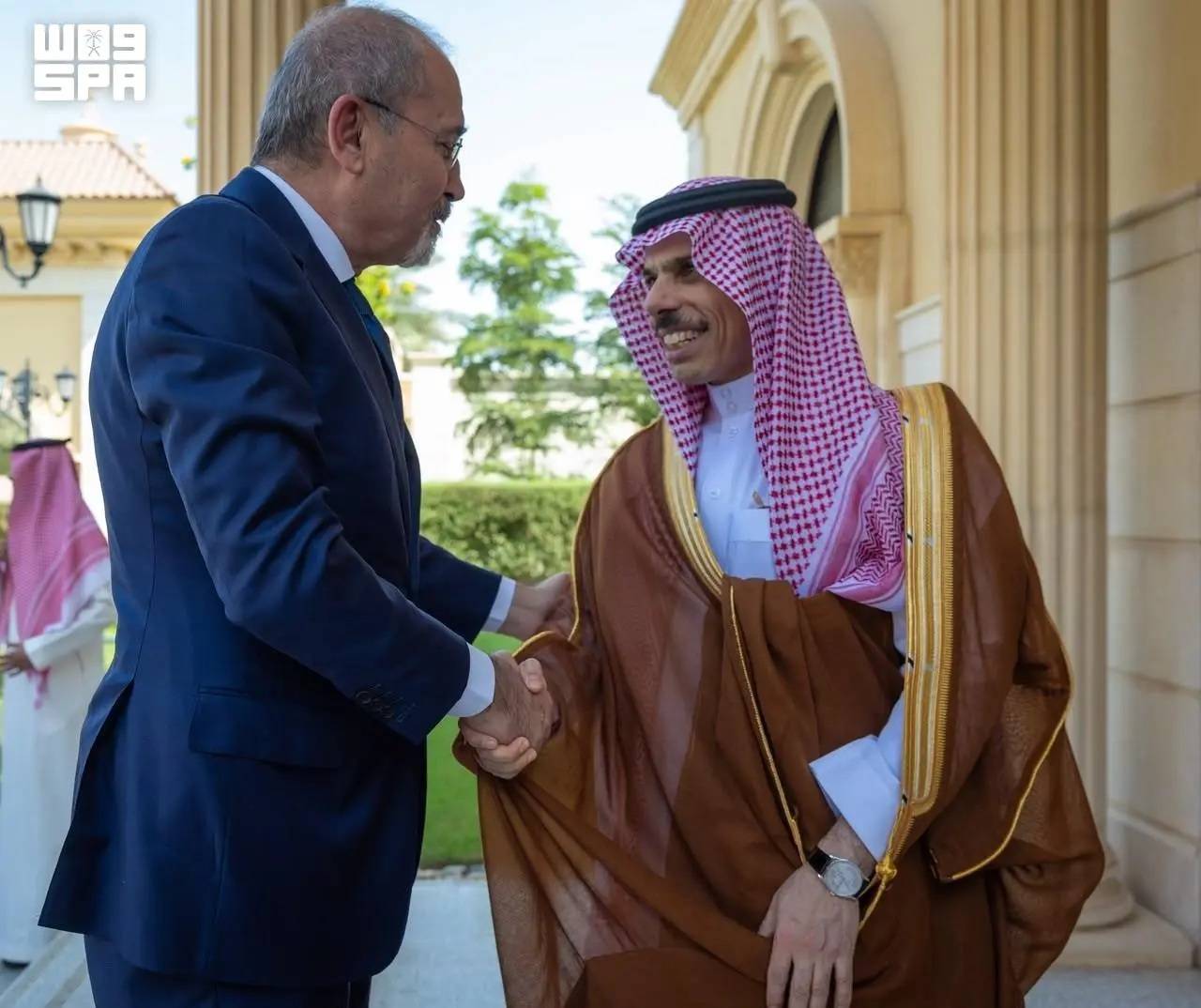
Caption: Saudi Arabia seeks comprehensive solutions for southern Yemenis through the forthcoming dialogue (Reuters).
TT

Saudi Support for Inclusive Southern Dialogue Without Monopoly or Exclusion

Caption: Saudi Arabia seeks comprehensive solutions for southern Yemenis through the forthcoming dialogue (Reuters).

Riyadh has hosted the Southern Consultative Meeting as a prelude to a comprehensive Southern Dialogue Conference, signaling the return of southern Yemen as a core issue in the country’s peace process. The meeting brought together a broad range of southern leaders and groups, including advocates of restoring the state that existed in southern and eastern Yemen before the 1990 unification with the north.

The consultative talks were attended by Yemeni Presidential Leadership Council Vice President Abdul Rahman Al-Mahrami, who read the final communiqué.

Saudi sponsorship reflects a shift in the Kingdom’s role from primarily military support for Yemen’s internationally recognized government to that of a key political sponsor of a comprehensive settlement.

The communiqué underscored this approach, stressing that Saudi Arabia “does not adopt a hostile position toward any southern option,” provided it is the outcome of an inclusive, non-exclusive intra-dialogue.

Beyond politics, Saudi backing extended to urgent economic measures, including the allocation of SAR 1.9 billion to support the economy and ensure payment of salaries for civil servants and military personnel. Observers say these steps give Saudi mediation tangible credibility and directly link economic stability with the success of the political process.

Criticism of External Interference

The final statement, and reactions surrounding it, carried pointed — if indirect — criticism of the United Arab Emirates.

Analysts accuse Abu Dhabi of deepening southern divisions by backing specific factions, particularly those previously led by Aidarous al-Zubaidi, former head of the dissolved Southern Transitional Council, who reportedly moved to Abu Dhabi after refusing to join the Riyadh-sponsored dialogue.

This contrast casts Riyadh as an alternative to what critics describe as “chaotic” Emirati interference, emphasizing inclusive dialogue among southerners and support for state institutions as part of a pathway toward broader Yemeni stability.

Southern visions remain diverse. Some leaders seek secession and restoration of the pre-1990 state, others favor a federal Yemen with self-governing regions, while additional voices propose alternative arrangements they see as fairer and less centralized. These differing perspectives place Saudi Arabia in the role of mediator seeking to unify southerners, while Abu Dhabi is increasingly portrayed by critics as a force fueling fragmentation.

Yemen’s Presidential Leadership Council Chairman Rashad al-Alimi has previously called on the UAE to withdraw militarily from Yemen and halt interference in internal affairs, accusing it of backing unilateral moves to impose control by force over Hadramout and Al-Mahra.

Internal Reckoning and a Historic Chance

The consultative meeting also highlighted internal challenges that have weakened the southern cause. Participants rejected any monopoly over representation or attempts to reduce the issue to a single leader or group. The statement distinguished between the legitimacy of the southern cause as a political and rights-based demand and the harmful practices of some leaders accused of exploiting it for regional agendas or corruption.

This self-criticism, particularly from figures once associated with the Transitional Council, suggests a desire to correct course and rebuild credibility with the southern public and the international community. Calls for popular support “with awareness and responsibility” aim to restore grassroots legitimacy and prevent the manipulation of protests for narrow interests.

The communiqué described the upcoming comprehensive Southern Dialogue Conference as a “rare historic opportunity,” enabled by Saudi sponsorship and a growing southern consensus on dialogue as the only safe path forward.

Regionally and internationally, resolving the southern issue is increasingly seen as a key gateway to a comprehensive peace in Yemen. However, success will depend on overcoming deep internal divisions and shielding the process from destabilizing interference.


GCC Chief Welcomes Syrian Government's Agreement with SDF

Secretary General of the Gulf Cooperation Council Jasem Mohamed Albudaiwi. GCC
TT

GCC Chief Welcomes Syrian Government's Agreement with SDF

Secretary General of the Gulf Cooperation Council Jasem Mohamed Albudaiwi. GCC

Gulf Cooperation Council (GCC) Secretary-General Jasem Albudaiwi welcomed the new agreement between the Syrian government and the Syrian Democratic Forces, the Saudi Press Agency reported on Tuesday.

Albudaiwi welcomed the announcement by Syria’s President Ahmed al-Sharaa regarding a new agreement with the SDF and the provisions it includes that contribute to strengthening and maintaining security and stability in Syria.

He emphasized that the final communiqué issued by the 46th session of the Supreme Council of the leaders of the GCC states stresses the importance of respecting the sovereignty, independence, and territorial integrity of Syria, noting that Syria’s security and stability are a fundamental pillar of regional security and stability.


Saudi FM Holds Phone Calls with US Envoy for Syria, Omani Counterpart, US Secretary of State

Saudi Minister of Foreign Affairs Prince Faisal bin Farhan bin Abdullah.
TT

Saudi FM Holds Phone Calls with US Envoy for Syria, Omani Counterpart, US Secretary of State

Saudi Minister of Foreign Affairs Prince Faisal bin Farhan bin Abdullah.

Saudi Minister of Foreign Affairs Prince Faisal bin Farhan bin Abdullah held a phone call on Monday with US Special Envoy for Syria Tom Barrack, the Saudi Press Agency reported. 

During the call, they discussed the latest developments in Syria. 

The Saudi minister also spoke by telephone with his Omani counterpart, Sayyid Badr bin Hamad bin Hamood Albusaidi. They exchanged views on the latest regional developments and the efforts being made in this regard. 

Earlier on Monday, the Saudi minister held a phone call with United States Secretary of State Marco Rubio. They discussed the latest regional developments.
