
Gulf–EU Consensus on Gaza Peace, Maritime Security

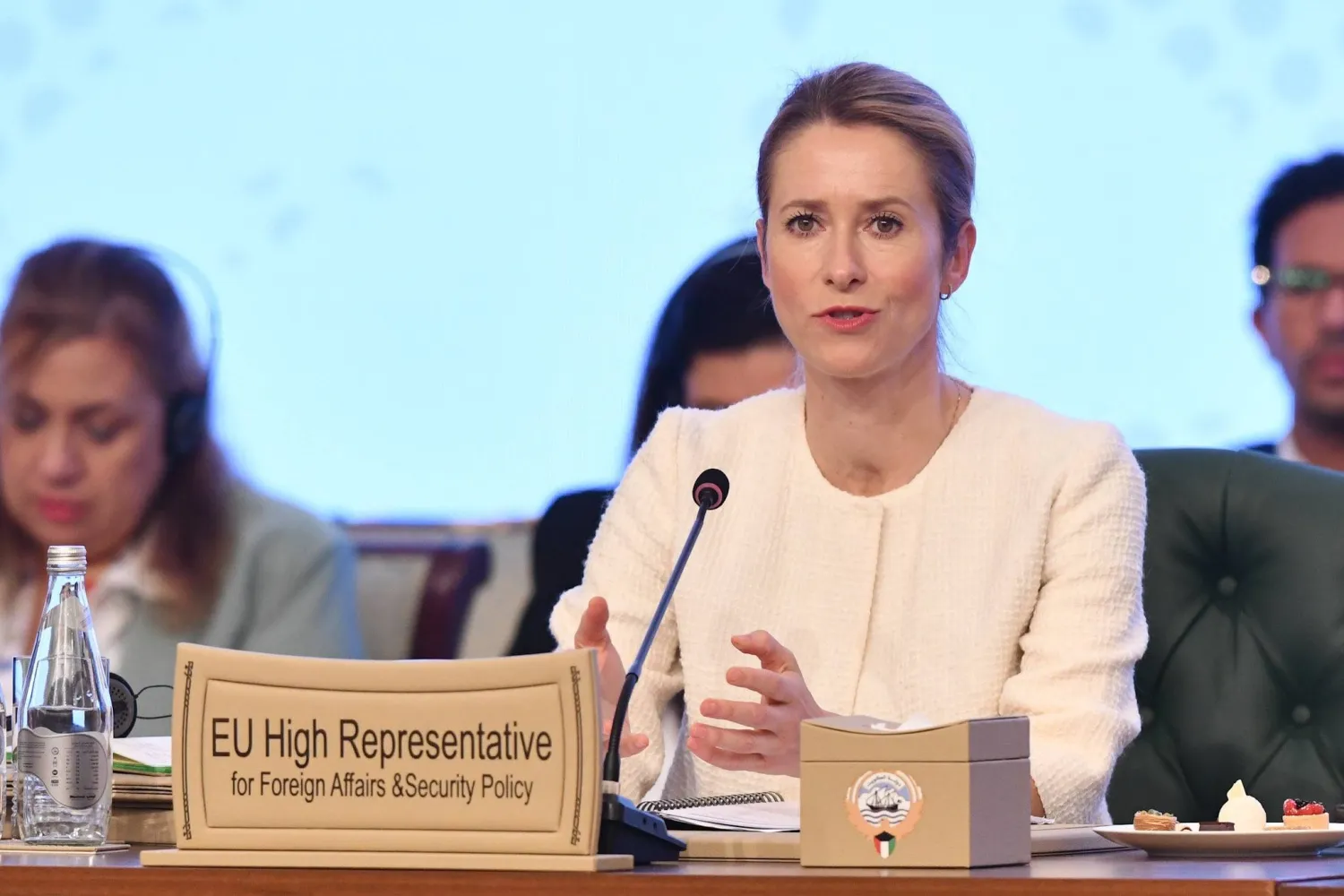
Kaja Kallas, High Representative of the European Union for Foreign Affairs (KUNA). 
TT

Gulf–EU Consensus on Gaza Peace, Maritime Security

Kaja Kallas, High Representative of the European Union for Foreign Affairs (KUNA). 

European and Gulf foreign ministers reached broad agreement on strengthening maritime security and advancing peace efforts in Gaza during a high-level meeting in Kuwait on Monday.

The discussions, part of the annual European Union–Gulf Cooperation Council (GCC) ministerial dialogue, highlighted growing alignment between the two blocs on regional stability, countering Iranian influence, and supporting US-led efforts to end the Gaza conflict.

German Foreign Minister Johann Wadephul called for “closer cooperation with Gulf states to protect maritime navigation and confront destabilizing policies,” noting shared concerns over threats from Yemen’s Houthi militias and Iran.

Wadephul emphasized that discussions with GCC representatives revealed a shared understanding of the root causes of instability, pointing directly to Iran’s support for proxy militias. He noted that developing coordinated policies between Europe and the Gulf is now “crucial to regional and global security.”

For his part, Kuwaiti Foreign Minister Abdullah Alyahya said: “Regional and international developments have proven that common challenges - from terrorism and foreign interference to maritime insecurity and humanitarian crises - require joint, coordinated action that enhances stability and supports peace and development.” He urged the launch of “collective initiatives reflecting solidarity and shared responsibility.”

In addition to attending the EU–GCC meetings in Kuwait, Wadephul is touring the region to promote US President Donald Trump’s Gaza Peace Plan, which seeks a ceasefire, hostage releases, and a long-term settlement. Following visits to Israel, he is expected to travel to Cairo for talks with Egyptian Foreign Minister Badr Abdelaty on the plan’s initial implementation phase.

In this context, the German minister stressed that he had heard only supportive voices across the Gulf and was eager to help turn that consensus into tangible progress.

During the Kuwait meeting, Kaja Kallas, the EU High Representative for Foreign Affairs and Security Policy, said the world is witnessing “a surge in conflicts and humanitarian crises,” calling for respect for sovereignty and stronger global cooperation to protect peace and stability.

Kallas praised Trump’s mediation efforts aimed at achieving a truce in Gaza and relaunching a two-state solution, welcoming Hamas’ acceptance of the latest peace proposal.

She further voiced deep concern over Gaza’s humanitarian catastrophe two years after the October 2023 attacks, stressing that alleviating the suffering in the enclave is “an absolute priority for the European Union.” The EU, she noted, was the first major donor of humanitarian aid to Gaza and has pledged 1 billion euros (US$1.08 billion) in support for the Palestinian Authority’s reform and reconstruction efforts from 2025 to 2027. She also urged Israel to release withheld Palestinian tax revenues.

Kallas reiterated the EU’s firm stance on other global crises, condemning Russia’s war in Ukraine as “a blatant violation of the UN Charter,” while reaffirming ongoing European military, economic, and diplomatic support for Kyiv. She also called for unhindered humanitarian access in Sudan, renewed peace talks, and sustained international backing for Syria’s fragile transition toward inclusive governance.

Meanwhile, Alyahya, who currently chairs the GCC ministerial council, said the Kuwait meeting “reflects a shared determination to build upon solid achievements” in Gulf–European cooperation, which is grounded in mutual friendship and strategic interests.

He noted that the dialogue continues the framework set by the first Gulf–EU summit in Brussels in October 2024, which established a structured platform for deepening coordination on regional and global challenges. Alyahya reaffirmed both sides’ commitment to enhance cooperation in energy security, the green economy, digital transformation, and education.

On the Palestinian issue, he reiterated that it remains “a matter of justice and rights,” condemning the humanitarian devastation in Gaza and calling for urgent international action to stop violations. He welcomed the joint Saudi–French initiative to convene an international conference for implementing the two-state solution and praised several European countries for recognizing the State of Palestine.

Alyahya also called on Iran to “take concrete steps to build trust, respect state sovereignty, and cooperate fully with the International Atomic Energy Agency,” emphasizing the importance of peaceful coexistence and regional de-escalation.

GCC Secretary-General Jasem Albudaiwi described the meeting as evidence of the “strength and continuity of the strategic partnership” between the Gulf and Europe, established under the 1988 Cooperation Agreement. He said the GCC is working toward a mutual exemption from Schengen visas, which would facilitate travel and deepen ties between the regions.

He explained that joint efforts now encompass trade, energy transition, digital economy, and climate resilience, adding that the GCC Secretariat has proposed holding the first Gulf–EU Energy Forum and a Digital Economy and Trade Forum in coordination with Cyprus, the next EU presidency.

“These initiatives,” Albudaiwi said, “will strengthen economic, cultural, and human connections between the Gulf and Europe, and help build enduring bridges of understanding and shared prosperity.”


Saudi Arabia Provides New $90 Million Support to Yemen’s Government Budget

Mohammed Al Jaber, Saudi Arabia’s ambassador to Yemen (Photo : X) 
TT

Saudi Arabia Provides New $90 Million Support to Yemen’s Government Budget

Mohammed Al Jaber, Saudi Arabia’s ambassador to Yemen (Photo : X) 

Mohammed Al Jaber, Saudi Arabia’s ambassador to Yemen, announced on Thursday that the Kingdom has provided new financial support to Yemen’s government budget to cover the payment of salaries for state employees, pursuant to directives from the Saudi leadership.

In a post on the social media platform X, Al Jaber said the support comes in addition to the development projects and initiatives announced on Wednesday in several sectors.

These include the provision of petroleum products to operate power plants, aimed at improving the living conditions of the Yemeni people, as well as support for the government’s efforts to implement an economic reform program to achieve financial and economic stability.

The Saudi ambassador also stated that salaries for all military and security forces affiliated with the Supreme Military Committee will be paid by the Saudi-led Coalition to Support Legitimacy in Yemen, starting on Sunday.

Al Jaber noted that these measures are expected to have a significant impact on society and on Yemen’s economy, which he said will receive substantial support from the Kingdom in the coming period.

Meanwhile, Yemeni Prime Minister Salem bin Breik said on Thursday that the new and urgent financial support from Saudi Arabia, totaling $90 million, reflects the Kingdom’s sincere fraternal stance and its continued commitment to supporting the Yemeni people, easing their humanitarian and living hardships, strengthening economic and financial stability, and ensuring the regular payment of salaries, which the government considers its highest priority.

In a statement to the Yemeni News Agency (Saba), bin Breik affirmed that the government, in full coordination with the Central Bank of Yemen, will immediately begin taking the necessary steps to ensure the swift disbursement of salaries to eligible public sector employees through transparent and responsible mechanisms that enhance confidence in financial and monetary institutions.

The prime minister praised Saudi Arabia’s leading role, under the leadership of the Custodian of the Two Holy Mosques King Salman bin Abdulaziz and Crown Prince Mohammed bin Salman, in supporting constitutional legitimacy and backing government efforts at the political, economic, and humanitarian levels. He said the support reflects the depth of fraternal relations and the shared destiny between the two countries.

Bin Breik added that the government continues to implement its economic and financial reform program, improve the efficiency of public resource management, and work with brotherly nations and international partners to improve economic conditions and restore monetary stability.


Saudi FM Discusses Developments with EU High Representative, Cypriot Counterpart

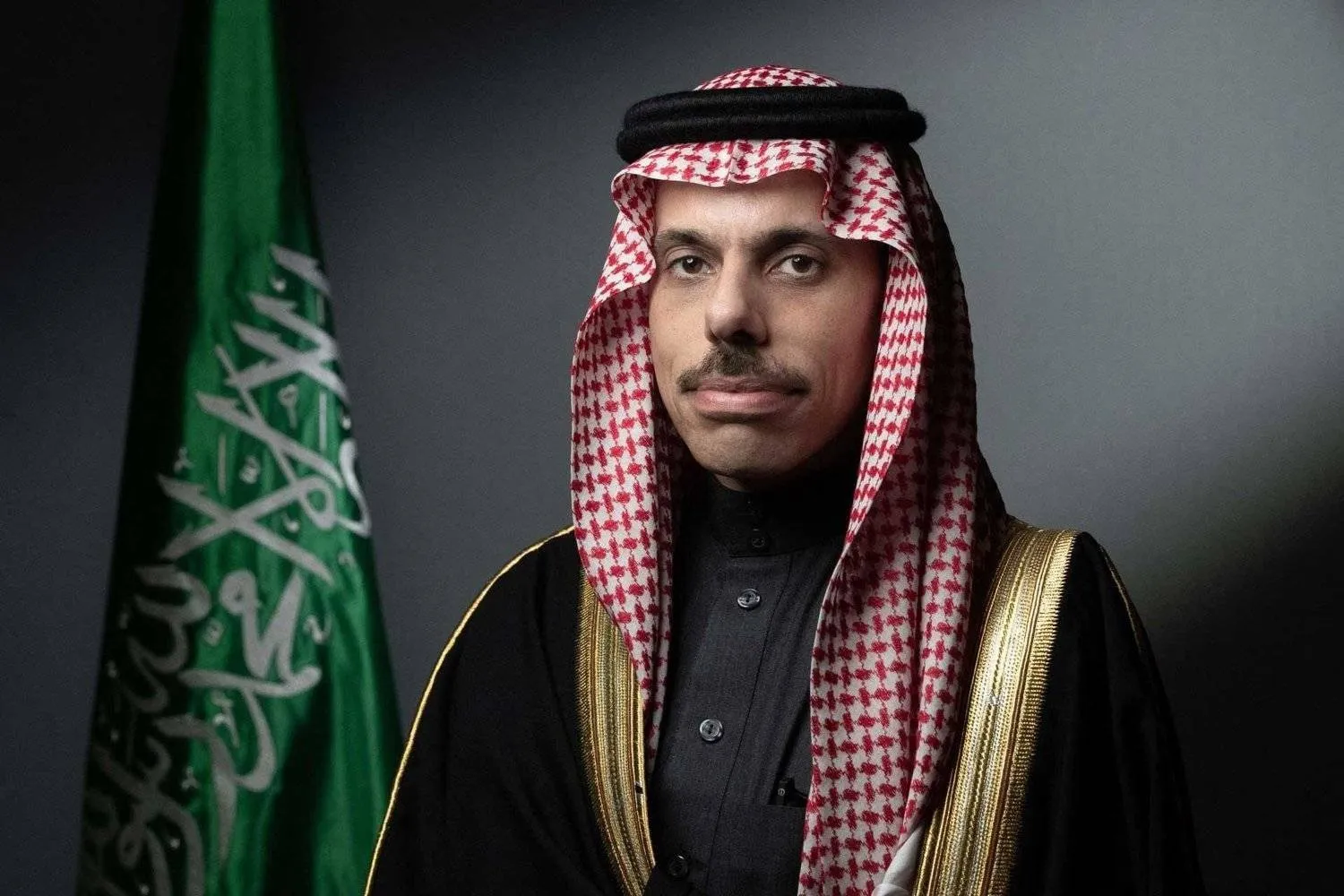
Saudi Minister of Foreign Affairs Prince Faisal bin Farhan bin Abdullah.
TT

Saudi FM Discusses Developments with EU High Representative, Cypriot Counterpart

Saudi Minister of Foreign Affairs Prince Faisal bin Farhan bin Abdullah.

Saudi Minister of Foreign Affairs Prince Faisal bin Farhan bin Abdullah received a joint phone call from High Representative for the European Union for Foreign Affairs and Security Policy and Vice-President of the European Commission, Kaja Kallas, and the Minister of Foreign Affairs of the Republic of Cyprus Dr. Constantinos Kombos.

During the call, they discussed overall regional and international developments and the efforts being made in this regard.

Cyprus currently holds the rotating Presidency of the Council of the European Union.


Saudi Crown Prince Receives Written Message from Sultan of Oman

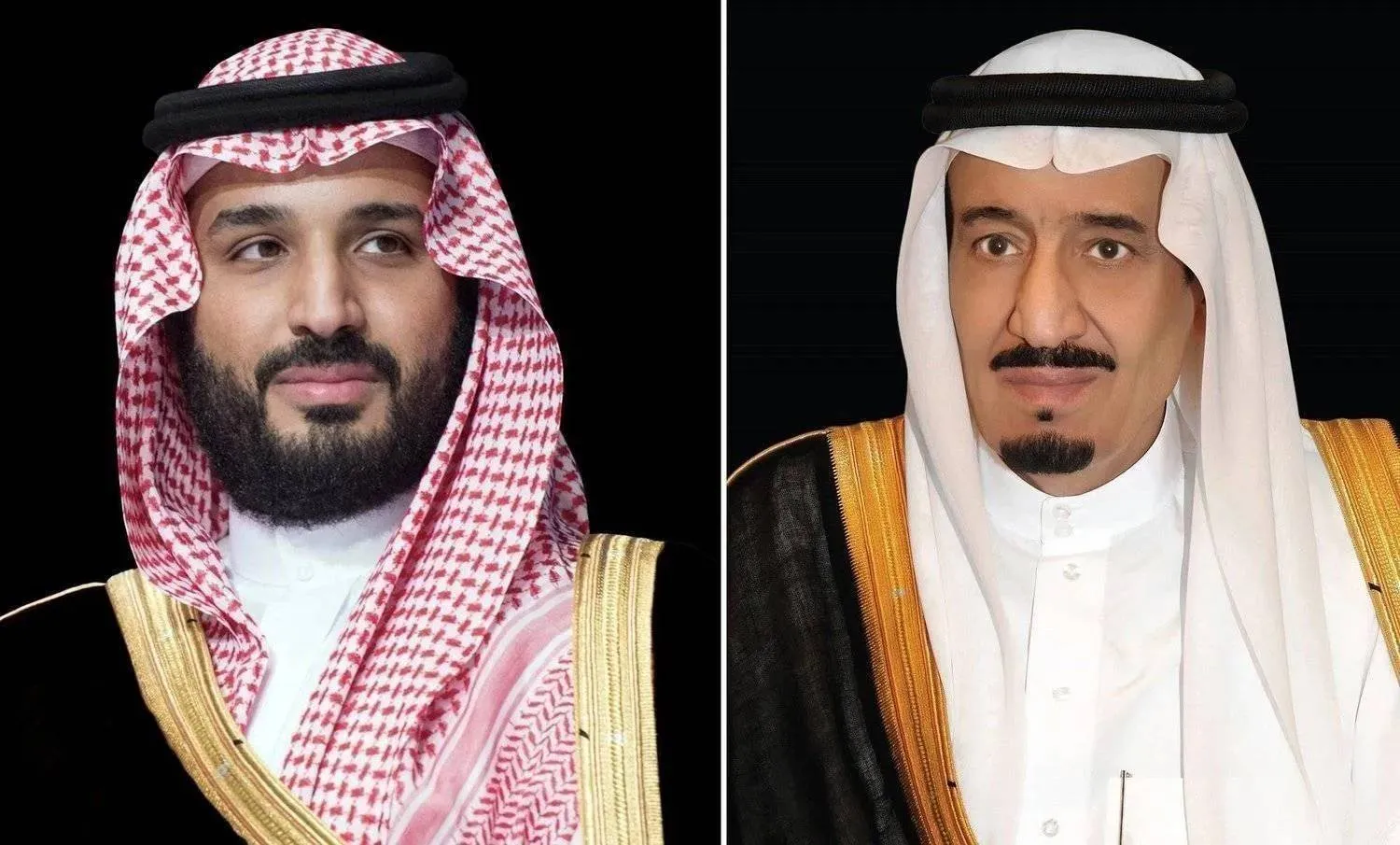
Prince Mohammed bin Salman bin Abdulaziz Al Saud, Crown Prince and Prime Minister of Saudi Arabia photo on the right, and Sultan of Oman Haitham bin Tarik photo on the left. (SPA)
TT

Saudi Crown Prince Receives Written Message from Sultan of Oman

Prince Mohammed bin Salman bin Abdulaziz Al Saud, Crown Prince and Prime Minister of Saudi Arabia photo on the right, and Sultan of Oman Haitham bin Tarik photo on the left. (SPA)

Prince Mohammed bin Salman bin Abdulaziz Al Saud, Crown Prince and Prime Minister of Saudi Arabia, received a written message from Sultan of Oman Haitham bin Tarik related to relations between the two brotherly countries.

The message was received by Vice Minister of Foreign Affairs Waleed Elkhereiji during his meeting on Thursday in Riyadh with Ambassador of Oman to Saudi Arabia Najib Al-Busaidi.

During the meeting, they reviewed relations between the two countries and ways to promote them in various fields. Topics of mutual interest were also discussed.