


Gulf Summits: Strengthening Regional Cooperation over Four Decades 

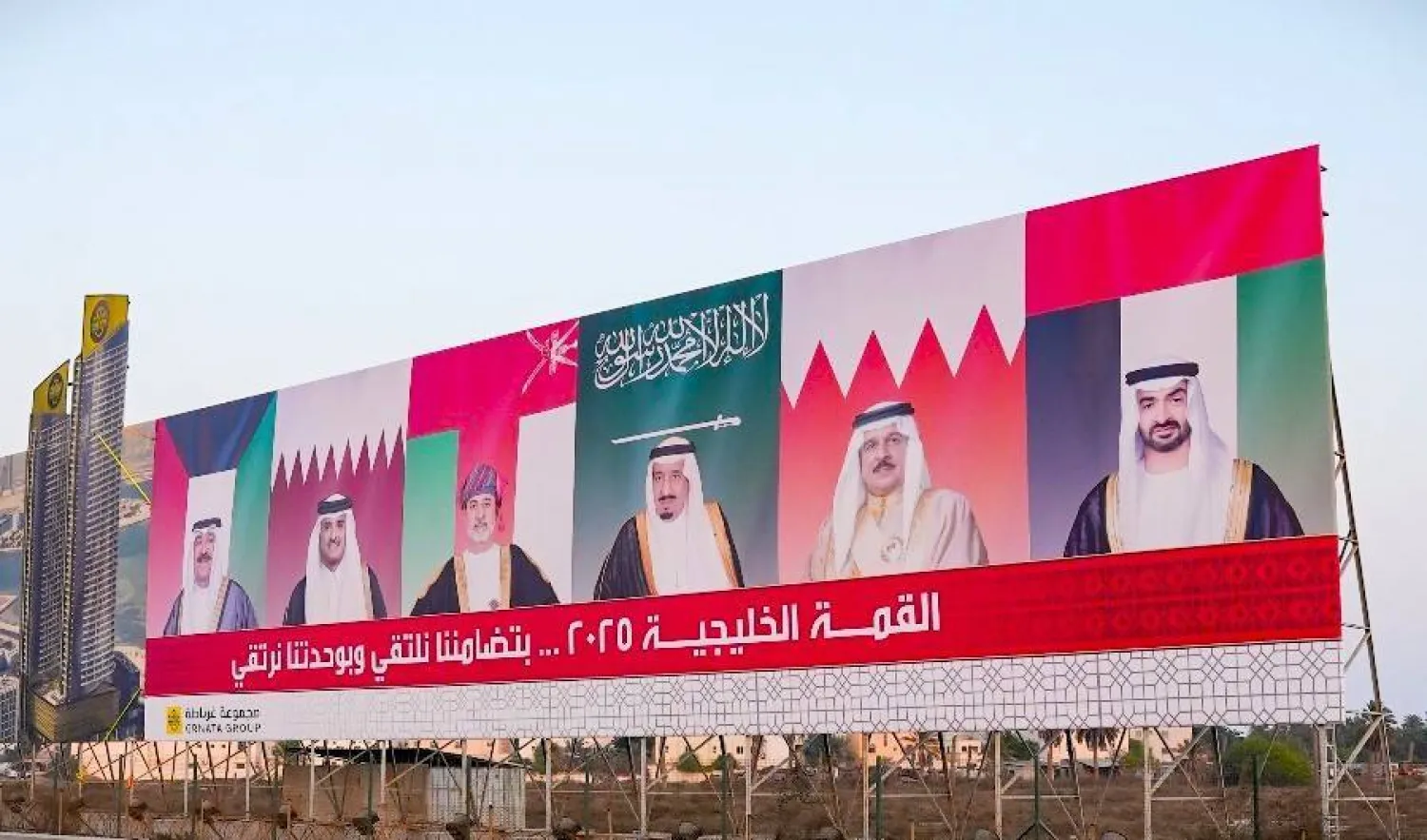
A poster of Gulf leaders is seen ahead of the summit in Bahrain. (BNA)
TT

Gulf Summits: Strengthening Regional Cooperation over Four Decades 

A poster of Gulf leaders is seen ahead of the summit in Bahrain. (BNA)

Over four decades, Gulf Summits have evolved from periodic meetings of Gulf Cooperation Council (GCC) leaders into key milestones that strengthen fraternal ties and promote joint action based on shared goals. This cooperation is rooted in a legacy of social, historical, and cultural cohesion that predates the council's establishment, reported the Saudi Press Agency on Wednesday.

The unity reflected in these summits is not merely a response to circumstances; it arises from political awareness and a shared belief that regional stability and prosperity can only be achieved through solidarity and integrated policies.

Prince Mohammed bin Salman bin Abdulaziz Al Saud, Saudi Crown Prince and Prime Minister, is participating in the 46th Session of the GCC Supreme Council on Wednesday as part of the Kingdom's efforts to deepen joint Gulf action, aligned with the vision approved by GCC leaders in 2015.

The vision established a framework for integration, particularly in defense, security, and the economy, reorganizing cooperation tracks and improving coordination among member states.

As the 46th session convenes in Bahrain, GCC states draw on a strong record of achievements and experiences that showcase their resilience in adapting to challenges. This summit is an opportunity to consolidate past accomplishments and set priorities for the future, focusing on economic integration, regional security, energy, climate, and international partnerships to meet the aspirations of Gulf peoples for prosperity and stability.

The evolution of Gulf Summits reflects the steadfast political will of GCC leaders. Unity and forward thinking are pivotal to establishing a cohesive regional system capable of continual development and adaptation to global changes. Each summit renews this commitment, stressing that the Gulf Cooperation Council will endure as a vital model of unity in the Arab region and will continue to advocate for the security, development, and prosperity of Gulf peoples.


Qatar Says Intercepts Missile Attack, Explosions Heard in Dubai

A photograph shows Doha's skyline on March 10, 2026. (AFP)
TT

Qatar Says Intercepts Missile Attack, Explosions Heard in Dubai

A photograph shows Doha's skyline on March 10, 2026. (AFP)

Qatar said Tuesday it had intercepted a missile attack, as Iran continued its retaliatory campaign over US-Israeli strikes that killed its supreme leader.

Tehran has carried out strikes on its Gulf neighbors since the war in the Middle East erupted late last month, disrupting commercial air travel and choking global energy supplies.

An AFP journalist heard several explosions in Doha on Tuesday, a day after similar blasts were heard across the Qatari capital.

Qatar, like several other Gulf nations, has been targeted by both drones and missiles in recent days.

"The Ministry of Defense of State of Qatar announces that armed forces intercepted missile attack which targeted State of Qatar," the defense ministry posted on X.

In nearby Dubai, an AFP journalist heard three explosions after a mobile phone alert warned residents of the United Arab Emirates' most populous city to "immediately seek a safe place" over "potential missile threats".

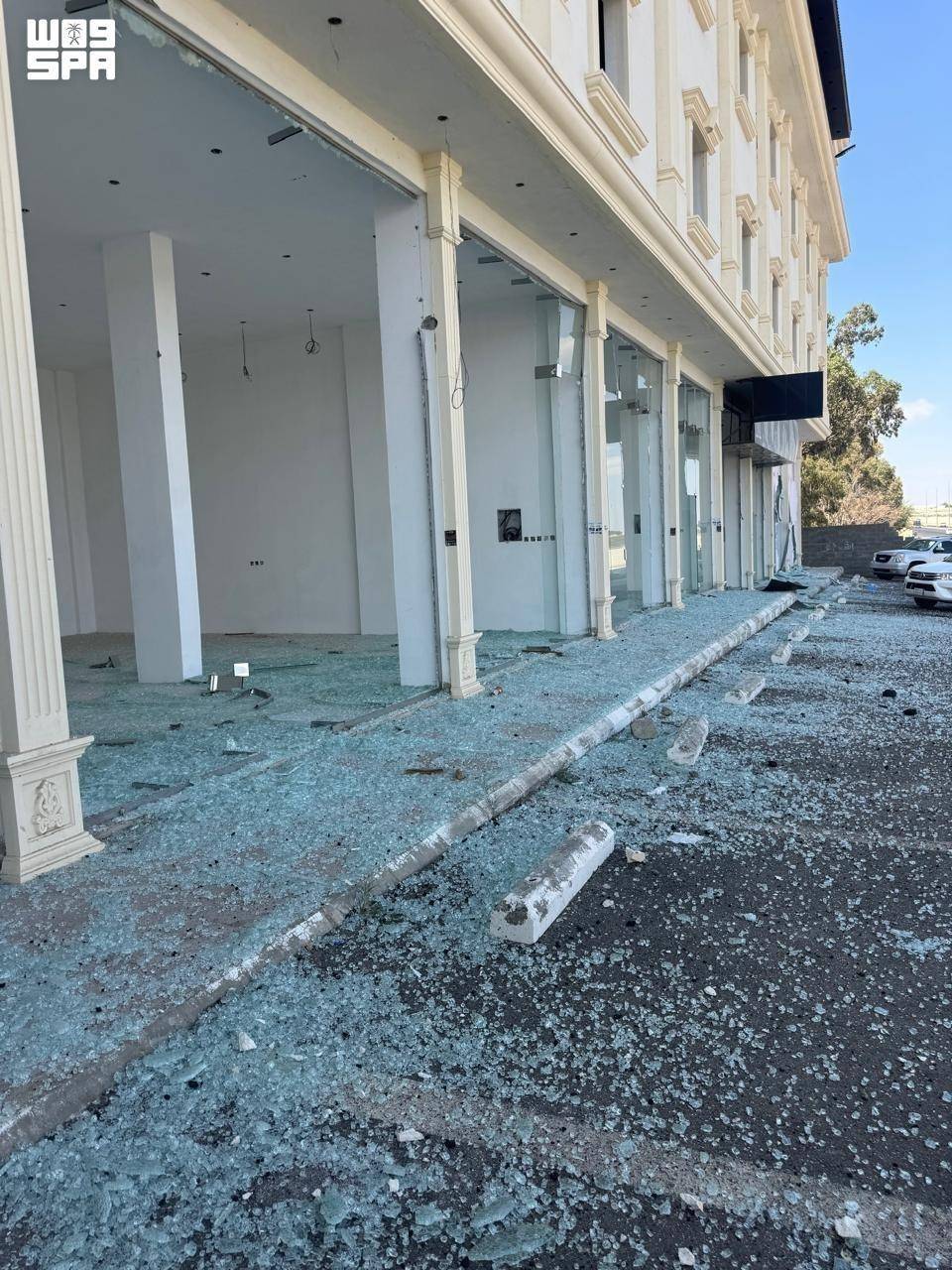
Falling shrapnel from an intercepted missile killed a Pakistani national in Abu Dhabi, the government media office said Tuesday.

The incident took place in the Bani Yas area "following the interception of a ballistic missile by air defenses", the Abu Dhabi Media Office said.

Iran has fired more than 1,900 missiles and drones at the UAE, more than any other country targeted by Tehran since the start of the Middle East war.

Tehran has taken aim at US assets in the Gulf countries, as well as civilian infrastructure, including landmarks, airports, ports and oil facilities.

The strikes have upended travel plans in the financial hub, despite its air defense intercepting the vast majority of projectiles.


Saudi Arabia, Kuwait Stress Importance of Security Coordination, Integration

Saudi Minister of Interior Prince Abdulaziz bin Saud bin Naif bin Abdulaziz and Kuwaiti First Deputy Prime Minister and Interior Minister Sheikh Fahad Yusuf Saud Al Sabah. (Saudi Interior Ministry)
TT

Saudi Arabia, Kuwait Stress Importance of Security Coordination, Integration

Saudi Minister of Interior Prince Abdulaziz bin Saud bin Naif bin Abdulaziz and Kuwaiti First Deputy Prime Minister and Interior Minister Sheikh Fahad Yusuf Saud Al Sabah. (Saudi Interior Ministry)

Saudi Minister of Interior Prince Abdulaziz bin Saud bin Naif bin Abdulaziz held telephone talks on Tuesday with Kuwaiti First Deputy Prime Minister and Interior Minister Sheikh Fahad Yusuf Saud Al Sabah on the importance of continued coordination, cooperation and integration between their countries to bolster security and stability.

They reviewed the current regional developments and their security implications amid Iran’s malicious attacks against Gulf countries and the region.

Prince Abdulaziz stressed Saudi Arabia’s solidarity with Kuwait and support for all the measures it takes to preserve its security and stability.


Saudi, Egyptian FMs Discuss Regional De-Escalation Efforts

Saudi Foreign Minister Prince Faisal bin Farhan bin Abdullah and his Egyptian counterpart Badr Abdelatty meet in Riyadh on Monday. (SPA)
TT

Saudi, Egyptian FMs Discuss Regional De-Escalation Efforts

Saudi Foreign Minister Prince Faisal bin Farhan bin Abdullah and his Egyptian counterpart Badr Abdelatty meet in Riyadh on Monday. (SPA)

Saudi Foreign Minister Prince Faisal bin Farhan bin Abdullah received in Riyadh on Monday his Egyptian counterpart Badr Abdelatty for talks on bilateral relations and the latest developments in the region.

The tackled efforts to de-escalate the tensions to help restore regional security and stability.

They reiterated their condemnation of Iran’s malicious attacks against the Kingdom and several Arab countries.

Earlier, Prince Faisal held telephone talks with United Arab Emirates Deputy Prime Minister and FM Sheikh Abdullah bin Zayed Al Nahyan.

They discussed regional developments amid Iran’s unjustified attacks against Gulf countries, as well as means to consolidate security and stability in the Middle East.
