


Saudi Arabia 'Disappointed in UAE for Pressuring STC' in Yemen, Says Kingdom's Security a 'Red Line'

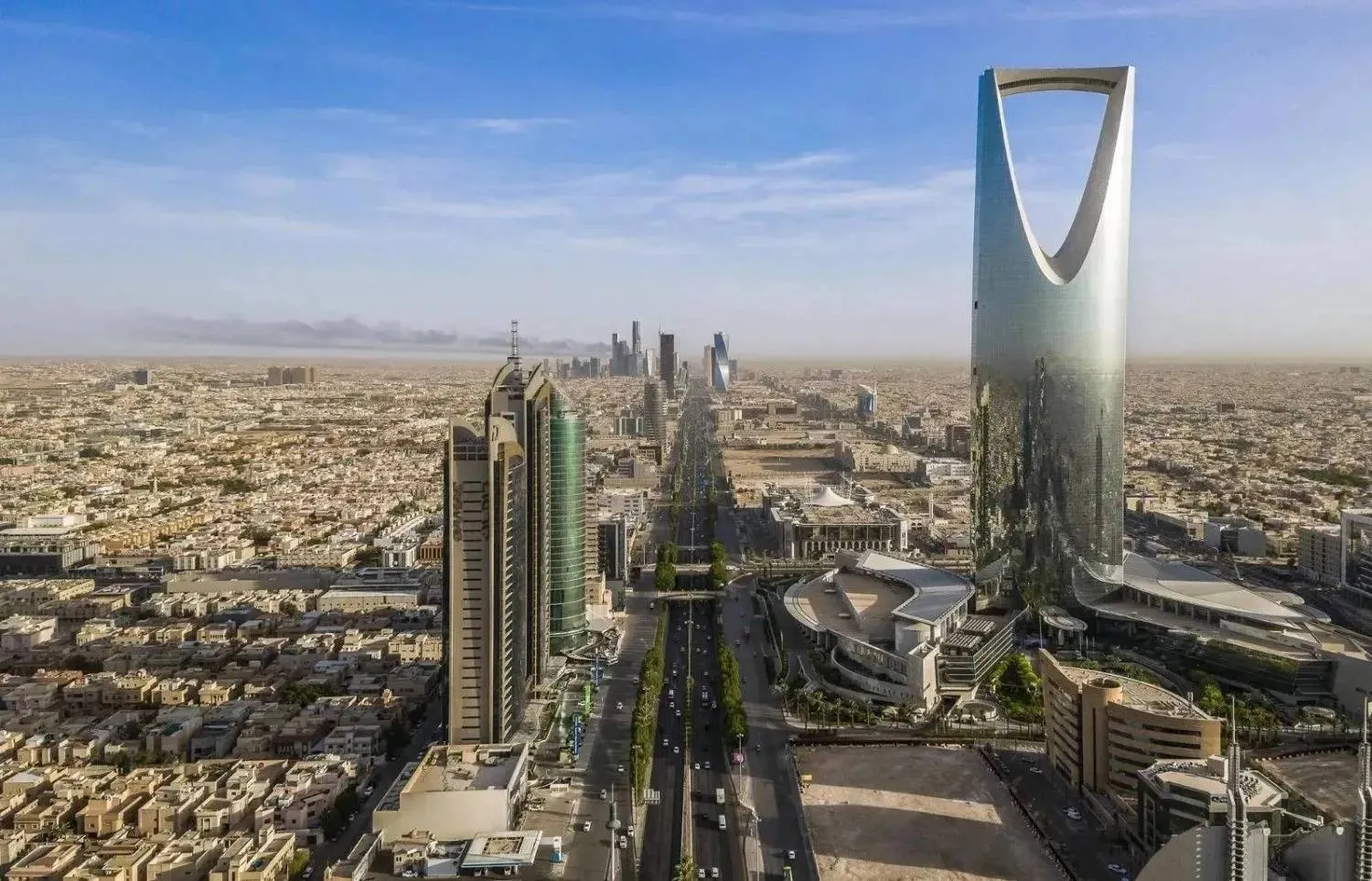
A general view of Riyadh, Saudi Arabia. (SPA)
TT

Saudi Arabia 'Disappointed in UAE for Pressuring STC' in Yemen, Says Kingdom's Security a 'Red Line'

A general view of Riyadh, Saudi Arabia. (SPA)

Saudi Arabia expressed on Tuesday its disappointment in the United Arab Emirates for pressuring the Southern Transitional Council to carry out military operations on the Kingdom's southern borders in Yemen's Hadhramaut and Al-Mahra governorates, which it deemed a threat to its national security and the security and stability of Yemen and the region.

A Saudi Foreign Ministry statement said: "The steps taken by the UAE are considered highly dangerous, inconsistent with the principles upon which the Coalition to Restore Legitimacy in Yemen was established, and do not serve the coalition's purpose of achieving security and stability for Yemen."

"The Kingdom stresses that any threat to its national security is a red line, and the Kingdom will not hesitate to take all necessary steps and measures to confront and neutralize any such threat," it declared.

It underscored "its commitment to the security, stability, and sovereignty of Yemen, and affirms its full support to the President of the Presidential Leadership Council and the Yemeni government."

"The Kingdom reaffirms that the Southern cause is a just cause that has historical and social dimensions, and that the only path to resolve it is through dialogue within a comprehensive political solution in Yemen, and among all Yemeni parties including the Southern Transitional Council."

"The Kingdom stresses the importance that the brotherly UAE accept Yemen's request for all its forces to leave Yemen within 24 hours, and halt any military or financial support to any party within Yemen."

"With this regard, the Kingdom hopes that wisdom, the principles of brotherhood, good neighborliness, strong ties among countries of the Gulf Cooperation Council, and the interest of brotherly Yemen, will prevail," it said.

"The Kingdom also hopes that the brotherly UAE will take the necessary steps to preserve bilateral relations between the two brotherly countries, which the Kingdom is keen on strengthening, and continue joint efforts towards all that leads to the wellbeing, prosperity and stability of countries in the region."


Al-Wali to Asharq Al-Awsat: Riyadh Talks a Pivotal Moment for Yemen’s Southern Cause

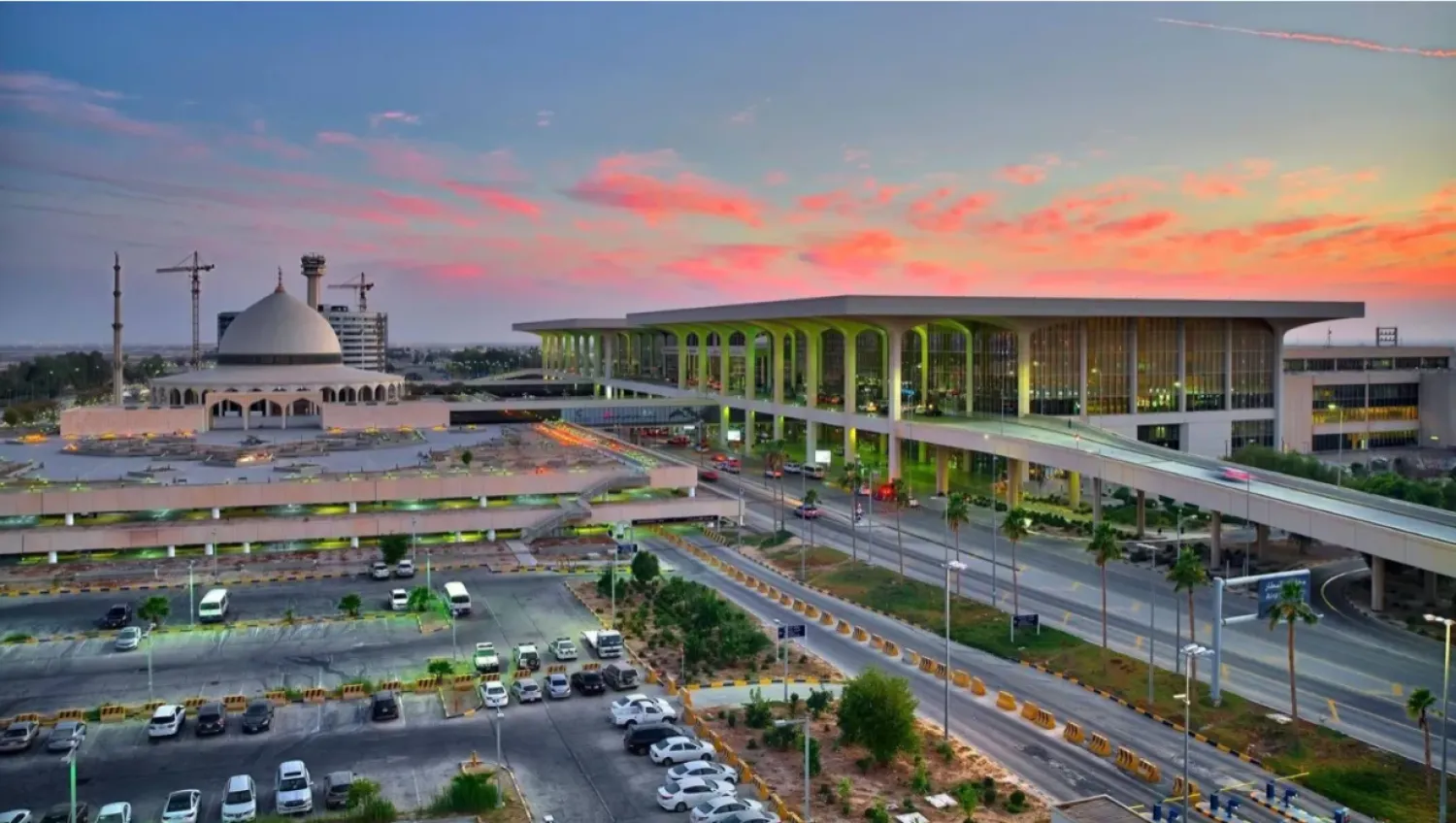
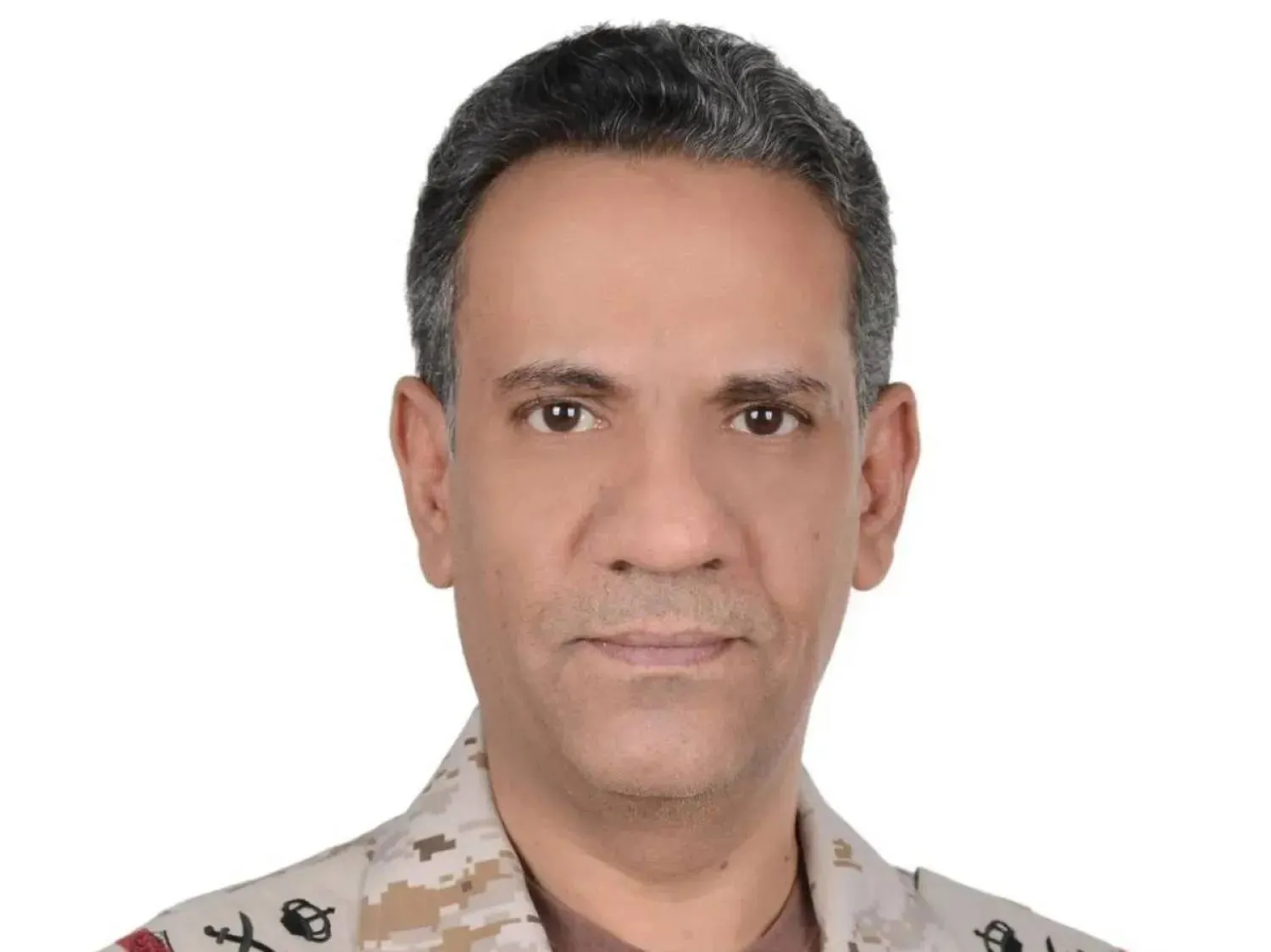
Former Yemeni minister and veteran southern politician Abdel Nasser Al-Wali speaks to Asharq Al-Awsat.
TT

Al-Wali to Asharq Al-Awsat: Riyadh Talks a Pivotal Moment for Yemen’s Southern Cause

Former Yemeni minister and veteran southern politician Abdel Nasser Al-Wali speaks to Asharq Al-Awsat.

Former Yemeni minister and veteran southern politician Abdel Nasser Al-Wali described the meeting of Yemen’s southern leaders in Riyadh for consultations and dialogue on their cause on Sunday as a pivotal moment in its history, calling for the opening created by Saudi Arabia to be channeled into a political process that delivers lasting peace.

Speaking on the Asharq Al-Awsat podcast with Gulf affairs editor Badr Al-Qahtani, Al-Wali said Riyadh was not merely a diplomatic stop, but a place close to the heart of the Arab and Islamic worlds, offering a chance to correct past shortcomings in conveying the southern voice.

The veteran Yemeni politician said southerners now faced a “huge opportunity” under Saudi sponsorship, noting that Riyadh had taken the initiative to invite discussions on the issue and “left the matter in our hands.”

He pointed to Saudi Arabia’s role in bringing the parties together without imposing guardianship and in supporting whatever they agree upon without interference.

He said Saudi assurances had been explicit: “The opinion is yours, the decision is yours. We are sponsors and will not impose anything on you. Raise your ceiling to the sky.”

Al-Wali said a message from Saudi Defense Minister Prince Khalid bin Salman was clear and direct.

“The southern cause is just, with historical and social dimensions, and the Kingdom will not abandon the people of the south and will stand with their will,” he remarked.

“It is enough for the southern voice to reach Saudi Arabia, and for it to understand the justice of the pain that has accumulated since unification,” he stressed.

On preparations for the Riyadh Conference for Yemeni southern dialogue, Al-Wali said discussions would address the shape of the state and its system “with an open ceiling,” to be decided by consensus without exclusion.

The focus was on restoring the state as a path toward dignity, security, stability, development, and prosperity for people, he went on to say.

“The South has room for everyone. There are no intentions of marginalization or exclusion. Any other projects are not sidelined, but discussed,” he assured.

Al-Wali addressed a message to the southern people, saying: “Trust us. We represent in Riyadh those who authorized us,” in a reference to not compromising the cause or taking decisions that contradict popular will.

In another message, he said: “The Saudis will find from the southerners only what pleases God and pleases them, while preserving the bonds of neighborhood, blood, kinship, and shared interests.”

Turning to the roots of the issue, Al-Wali said Yemeni unity had not been an “invasion” or imposed by force, but a voluntary move toward Sanaa “with open hearts,” in the hope of a larger state, a broader economy, and deeper development.

He said that if the price of stability, calm, and development were Yemen’s return to two states, then it would be better, in his view, to have two neighboring states bound by affection, with flexible and smooth economic and social relations and strong fraternal ties, rather than antagonism that “paralyzed both peoples.”

Outlining his vision for a future state, Al-Wali presented the contours of a “federal southern state” that would grant governorates room to contribute to development, investment, and wealth, with equality in rights and duties and fairness in the distribution of resources so that they reach all who deserve them.

He reiterated the centrality of Saudi Arabia’s role, saying the Kingdom’s weight was “very balanced” regionally and globally, and that its engagement represented a historic opportunity to achieve peace “without it being followed by war.”

Asked how he found Riyadh, Al-Wali replied: “As I have always known it. A country of security and stability. Calm and serenity. Love and peace. You come to it, your soul settles, and you feel reassured.”

“Their promises are sincere and are not broken,” he stressed.


Saudi Arabia and Ecuador Sign General Cooperation Agreement

Saudi Minister of Foreign Affairs Prince Faisal bin Farhan bin Abdullah and his Ecuadorian counterpart Gabriela Sommerfeld meet in Davos on Wednesday. (SPA)
TT

Saudi Arabia and Ecuador Sign General Cooperation Agreement

Saudi Minister of Foreign Affairs Prince Faisal bin Farhan bin Abdullah and his Ecuadorian counterpart Gabriela Sommerfeld meet in Davos on Wednesday. (SPA)

Saudi Minister of Foreign Affairs Prince Faisal bin Farhan bin Abdullah held talks on Wednesday with his Ecuadorian counterpart Gabriela Sommerfeld on the sidelines of the World Economic Forum (WEF) in Davos.

They reviewed relations between their countries and ways to boost them in various fields. They also exchanged views on a number of topics of mutual interest.

Following the meeting, the ministers signed a general cooperation agreement between their respective governments aimed at strengthening relations between their countries and advancing them toward broader horizons.


Saudi Arabia’s KSrelief Delivers Winter Clothing to Students in Gaza’s Khan Younis

KSrelief distributes winter clothing to school students in the Al-Mawasi area of southern Gaza’s Khan Younis. (SPA)
TT

Saudi Arabia’s KSrelief Delivers Winter Clothing to Students in Gaza’s Khan Younis

KSrelief distributes winter clothing to school students in the Al-Mawasi area of southern Gaza’s Khan Younis. (SPA)

Saudi Arabia’s King Salman Humanitarian Aid and Relief Center (KSrelief) distributed winter clothing to school students in the Al-Mawasi area of southern Gaza’s Khan Younis, reported the Saudi Press Agency on Wednesday.

The gesture is part of the Saudi campaign to support the Palestinian people in Gaza.

Field teams from the Saudi Center for Culture and Heritage, the implementing partner of KSrelief in Gaza, carried out the distribution alongside interactive and recreational activities for the students.

The campaign reflects Saudi Arabia’s unwavering commitment, through KSrelief, to supporting the Palestinian people during crises and hardships, embodying the Kingdom’s noble humanitarian mission.