


Saudi Judiciary Under King Salman: Faster Justice, Better Rulings

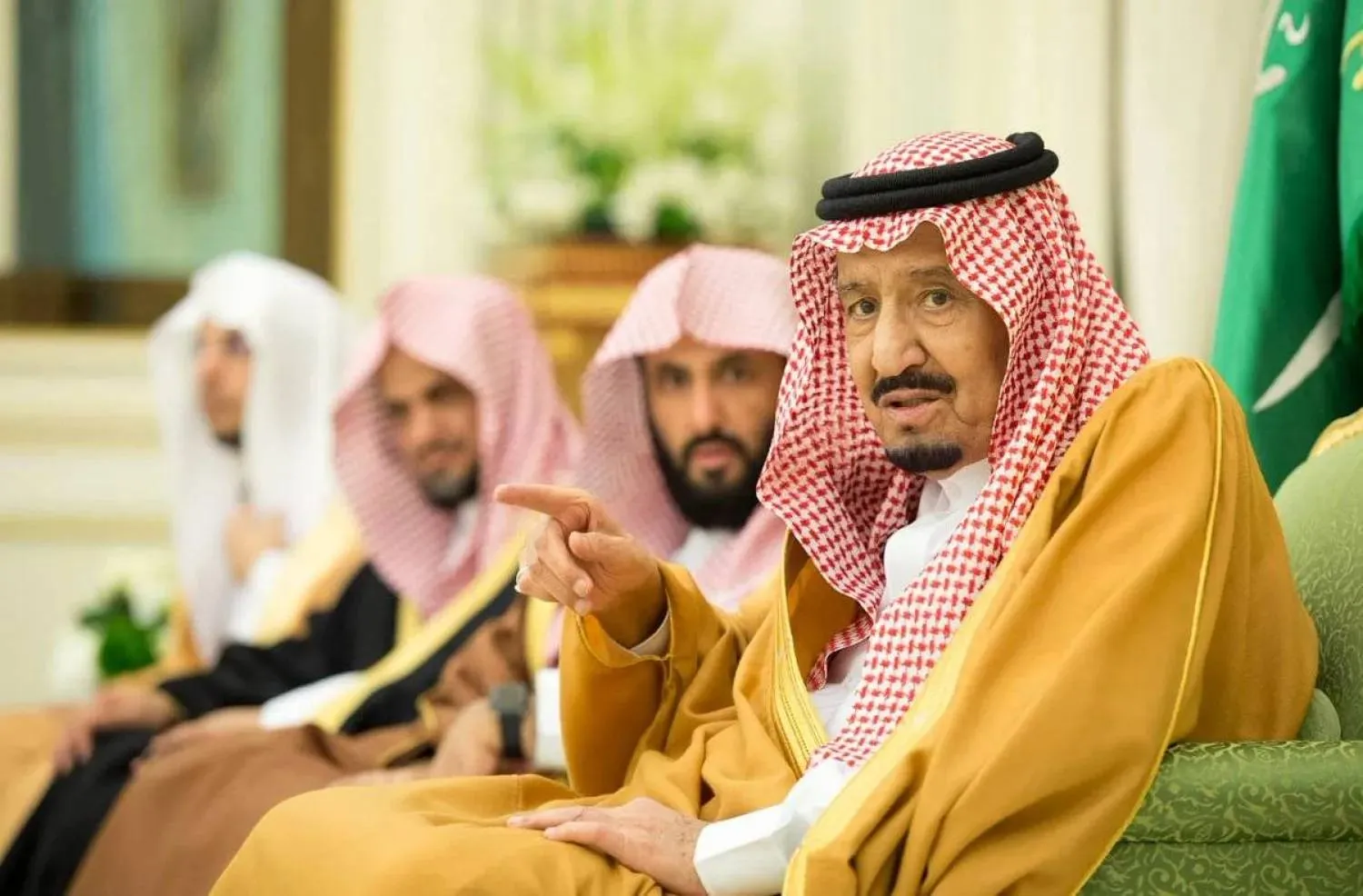
King Salman bin Abdulaziz receives members of the Supreme Judicial Council and the Supreme Court in Riyadh on November 28, 2018. (SPA)
TT

Saudi Judiciary Under King Salman: Faster Justice, Better Rulings

King Salman bin Abdulaziz receives members of the Supreme Judicial Council and the Supreme Court in Riyadh on November 28, 2018. (SPA)

During the reign of Custodian of the Two Holy Mosques King Salman bin Abdulaziz, now entering its second decade, Saudi Arabia’s judiciary has been reshaped by a sweeping digital transformation.

At the heart of the overhaul is the "Najiz" platform, which has emerged as the unified electronic gateway for all Ministry of Justice services, moving the justice system beyond physical courtrooms and into remote litigation through electronic filings and virtual hearings.

The Ministry of Justice has previously said Saudi courts held more than 2.3 million hearings in 2024, with 98 percent conducted remotely through electronic litigation services.

The system covers all litigation procedures that can be carried out electronically, including the exchange of pleadings, the submission of documents, the holding of hearings by video link, the issuance of judgments, the receipt of copies of rulings, and the filing of appeals.

The service shortens the duration of cases, accelerates adjudication, and allows litigants full access to case documents.

Najiz services

The Najiz platform includes four portals for individuals, businesses, lawyers, and government entities and offers more than 160 judicial services, sparing users the need to visit judicial facilities.

Services include filing lawsuits electronically, electronic litigation, requests for enforcement of judgments, and documentation services, such as marriage and divorce registration, issuance of powers of attorney, and amendments to real estate deeds. Litigants and their representatives can plead cases online through Najiz and respond to court requests without attending in person.

Saving 65 million visits

At the second International Justice Conference, held in Riyadh in November 2025, Deputy Minister of Justice Najm Al-Zaid said the Najiz platform had delivered more than 160 services and facilitated two million remote court sessions, saving beneficiaries an estimated 65 million visits to judicial facilities.

Services for inmates

In January 2025, the Ministry of Justice launched the “Inmate Services” initiative to develop judicial services. Media reports said the initiative enabled 300,000 remote video hearings for inmates in 2024.

Prisoners can attend hearings by audio and video without being transferred to court, receive or authenticate judgments electronically, and file appeals through Najiz. The ministry also established a dedicated "Inmate Services System" unit to coordinate these services.
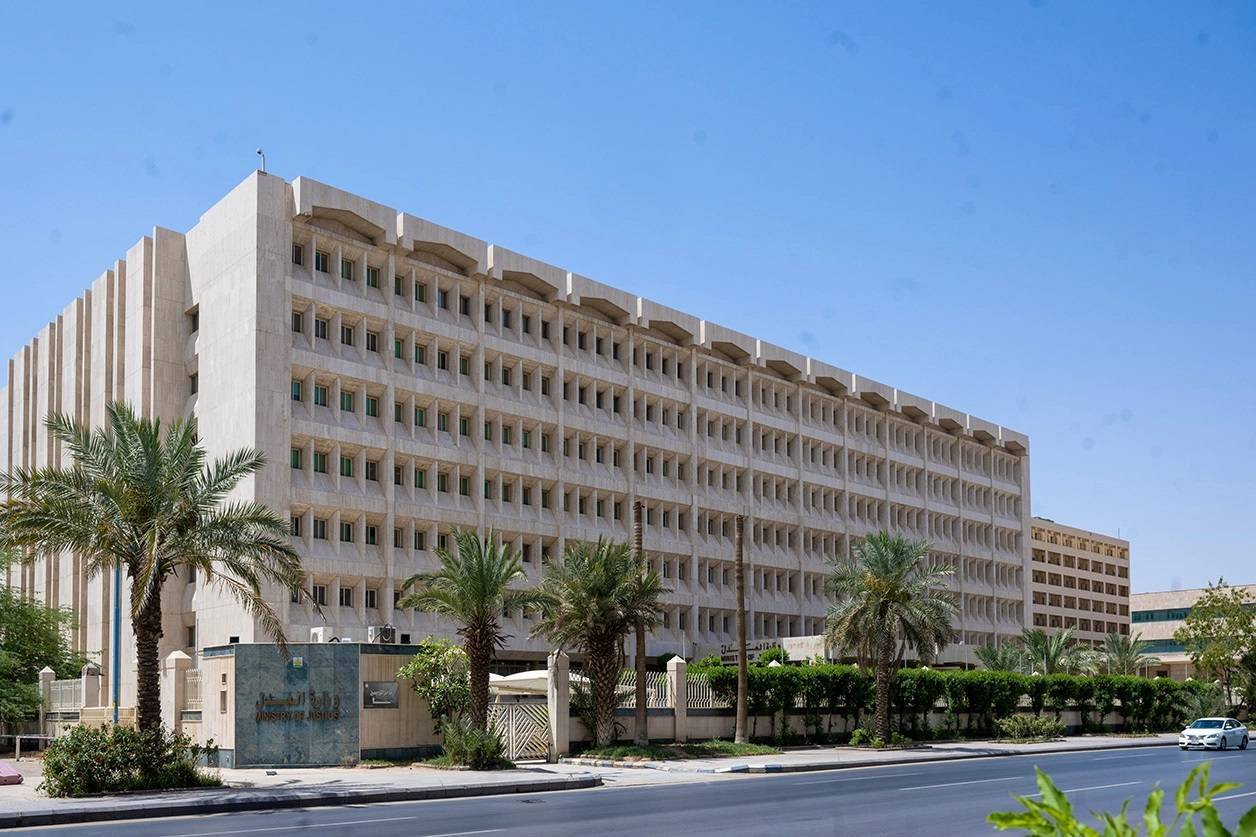
The Saudi Ministry of Justice. (SPA)

Impact on justice and investment

Participants at the second International Justice Conference in November 2025 said digital transformation in the judiciary boosts transparency and speeds up rulings, making it an essential factor in attracting investment to the Kingdom.

Saudi courts began remote operations during the COVID-19 pandemic. In 2020, during the suspension of in-person attendance, 10,897 judgments were issued remotely, enabled by electronic services provided through Najiz and a unified call center.

These indicators show the Saudi judiciary has achieved a qualitative leap toward digital justice. Najiz has consolidated most judicial services and electronic litigation into the norm rather than the exception, expanding to include inmates and people with disabilities. This has been reflected in the rising number of remote hearings and the saving of millions of court visits.

From oral to digital litigation

As part of reengineering justice to align with the requirements of a digital state, the reign of the King Salman bin Abdulaziz has seen major amendments to judicial regulations. Among the most significant was the 2021 amendment to Article 65 of the Law of Civil Procedure, establishing written pleadings as the default before courts after oral pleadings had previously been the norm.

Under the amendment, lawsuits, memoranda, defenses, and responses must be submitted in writing through official channels, and courts must grant litigants sufficient time to review and respond to case documents.

The shift was not merely procedural. It marked a move toward institutional digital justice, grounded in documentation, transparency, ease of archiving, and integration with electronic litigation platforms, such as Najiz, thereby enhancing both the speed of adjudication and the quality of judgments.

Faster justice and more reliable procedures

Meanwhile, judicial notification methods were expanded to include electronic notices via text messages and email.

This transformation has helped shorten litigation timelines, ensure faster and more reliable delivery of notices, and reduce case delays caused by failures of traditional notification methods.

The changes reflect the Saudi judiciary’s alignment with digital government concepts during King Salman’s reign. Justice is no longer tied to location or paper but has become an integrated, data-driven, technology-enabled system that reinforces the principle of “justice without delay” in the era of digital transformation.



Makkah Deputy Governor Carries Out Field Inspection of Grand Mosque Readiness for Ramadan 

Deputy Governor of the Makkah Region Prince Saud bin Mishaal bin Abdulaziz is seen during his inspection tour at the Grand Mosque in the holy city of Makkah. (SPA)
TT

Makkah Deputy Governor Carries Out Field Inspection of Grand Mosque Readiness for Ramadan 

Deputy Governor of the Makkah Region Prince Saud bin Mishaal bin Abdulaziz is seen during his inspection tour at the Grand Mosque in the holy city of Makkah. (SPA)

Deputy Governor of the Makkah Region Prince Saud bin Mishaal bin Abdulaziz inspected the readiness of the Grand Mosque and its facilities, conducting a field tour to review operational and service preparations for receiving worshippers and Umrah performers during the holy month of Ramadan, reported the Saudi Press Agency on Tuesday.

Prince Saud was briefed on the operational plans implemented by the relevant authorities, including crowd management mechanisms, service enhancements, and facility preparations aimed at ensuring smooth movement and enhancing comfort and safety levels for visitors to the Grand Mosque, particularly during peak times.

He reviewed developmental initiatives and smart services supporting the operational system, notably electric mobility carts for transporting the elderly, persons with disabilities, and those in need of assistance within the Grand Mosque.

The tour also included an overview of the efforts of guidance teams deployed across the corridors and courtyards of the Grand Mosque, providing multilingual assistance and direction.

Prince Saud reviewed the interactive map and digital mobility platform, which allows visitors to plan their routes in advance and identify service locations, entrances and exits, and less crowded pathways.

He was briefed on crowd management systems, including the visitor density sensor platform that measures human density in real time, and the Tawaf and Sa’i crowd status display service, which allows worshippers to select appropriate times to perform rituals with ease. Models of the modern multilingual guidance system were also reviewed.

Prince Saud also visited the Smart Engineering Command and Control Center, which serves as an advanced central platform linking operational systems and monitoring performance in real time, boosting operational efficiency and raising readiness levels during Ramadan.


Saudi Leadership Provides Two Donations Worth SAR150 Mln Through Jood Eskan Platform

Custodian of the Two Holy Mosques King Salman bin Abdulaziz Al Saud and Prince Mohammed bin Salman bin Abdulaziz Al Saud, Crown Prince and Prime Minister. (SPA)
TT

Saudi Leadership Provides Two Donations Worth SAR150 Mln Through Jood Eskan Platform

Custodian of the Two Holy Mosques King Salman bin Abdulaziz Al Saud and Prince Mohammed bin Salman bin Abdulaziz Al Saud, Crown Prince and Prime Minister. (SPA)

Custodian of the Two Holy Mosques King Salman bin Abdulaziz Al Saud and Prince Mohammed bin Salman bin Abdulaziz Al Saud, Crown Prince and Prime Minister, have provided two generous donations amounting to SAR150 million through the Jood Eskan platform.

The move aligns with the leadership's commitment to supporting all national efforts and initiatives to provide suitable housing for deserving families.

Minister of Municipalities and Housing and Chairman of the Board of Trustees of the Developmental Housing Foundation (Sakan) Majed Al-Hogail expressed his deep gratitude to the leadership for its unwavering support to all national efforts and initiatives aimed at providing suitable housing for eligible families across the Kingdom.

He noted the effective impact of previous generous donations in achieving the goals of housing development, and motivating individuals and institutions to donate through the Jood Eskan platform that is based on community giving that helps provide decent housing and boosts stability and quality of life for deserving families.


Saudi Crown Prince Receives Message on Bilateral Ties from President of Kazakhstan

Prince Mohammed bin Salman bin Abdulaziz Al Saud, Saudi Crown Prince and Prime Minister. (SPA file)
TT

Saudi Crown Prince Receives Message on Bilateral Ties from President of Kazakhstan

Prince Mohammed bin Salman bin Abdulaziz Al Saud, Saudi Crown Prince and Prime Minister. (SPA file)

Prince Mohammed bin Salman bin Abdulaziz Al Saud, Saudi Crown Prince and Prime Minister, received on Tuesday a written message from President of Kazakhstan Kassym-Jomart Tokayev on bilateral relations between their two countries.

The message was received by Minister of Foreign Affairs Prince Faisal bin Farhan bin Abdullah during a meeting with his Kazakh counterpart Yermek Kosherbayev in Riyadh.