

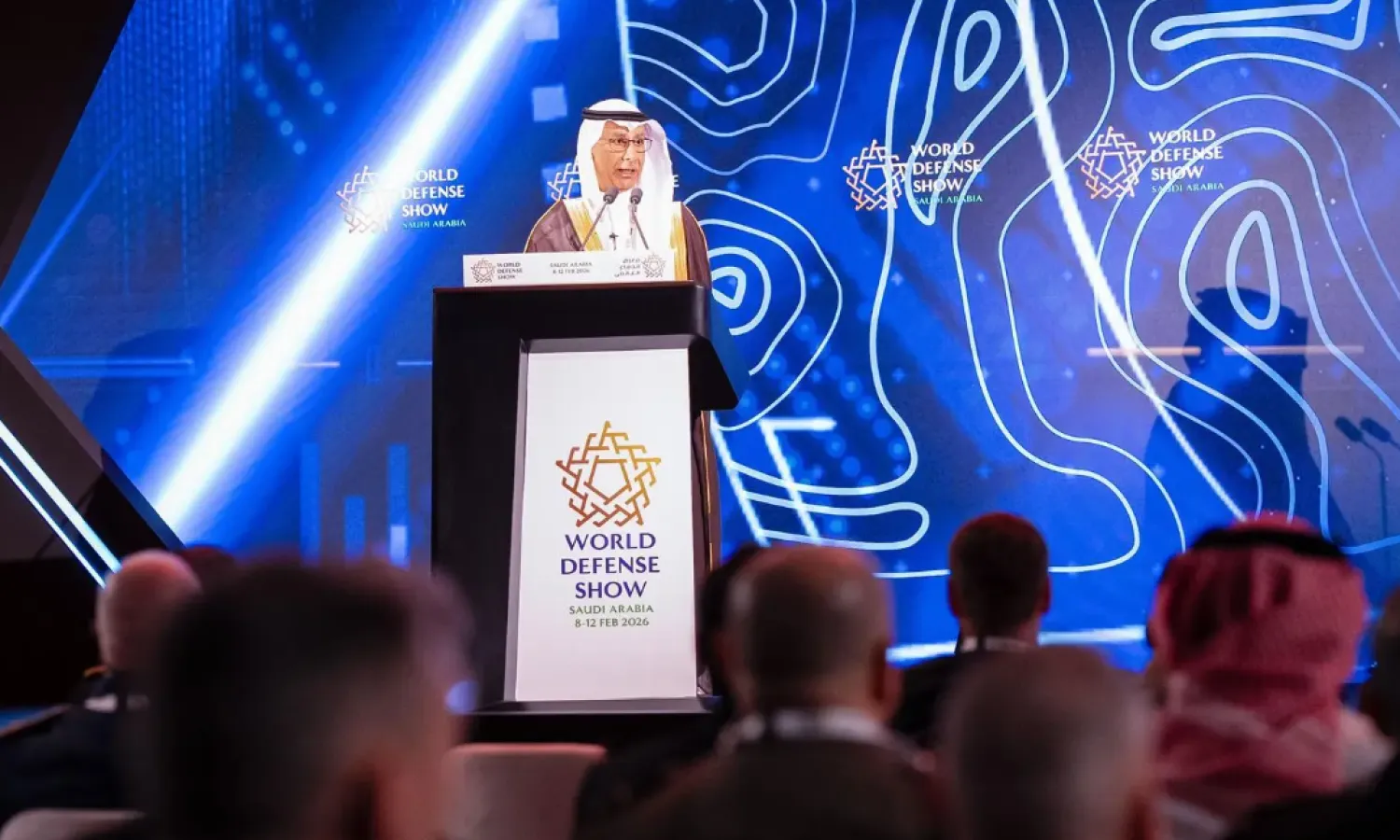

World Defense Show 2026: Saudi Arabia Committed to Building Advanced, Competitive Defense Industry

The World Defense Show 2026 continues throughout the week with live demonstrations, strategic programs, and engagements spanning air, land, sea, space, and security domains - SPA
TT

World Defense Show 2026: Saudi Arabia Committed to Building Advanced, Competitive Defense Industry

The World Defense Show 2026 continues throughout the week with live demonstrations, strategic programs, and engagements spanning air, land, sea, space, and security domains - SPA

The World Defense Show (WDS) 2026, which is organized by the General Authority for Military Industries (GAMI), entered its second day on Monday with a strong focus on innovation and defense integration, supporting national industrial development and the advancement of future capabilities.

GAMI Governor Ahmad Abdulaziz Al-Ohali delivered keynotes reaffirming the Kingdom’s commitment to building an advanced, globally competitive defense industry.

He stated that Saudi Arabia continues to invest in a defense industry built on innovation and partnership, ensuring an integrated approach to defense and security.

According to SPA, he added that WDS 2026 reflects the Kingdom’s ambition to lead globally through technologies that enhance readiness, strengthen supply chains, and support localization under Vision 2030.

Following these remarks, senior Saudi defense leadership led a series of high-level discussions framing the strategic direction of the Kingdom’s defense transformation. Chief of the General Staff General Fayyad Al-Ruwaili delivered an address highlighting the priority of building a future-ready, integrated defense and discussing how global operational trends shape the Kingdom’s approach.

Across the wider venue, the Content Theater Program officially opened, bringing together senior Saudi and international speakers for high-level discussions on industrial development, aerospace growth, defense investment, and supply-chain strengthening. These sessions underscored the Kingdom’s strategic direction and its commitment to building a future-ready defense ecosystem. Parallel to the leadership program, activity across the Future Defense Lab and the Saudi Supply Chain Zone continued to facilitate expert engagement and industry dialogue, serving as additional platforms to support collaboration and capability development.

CEO of World Defense Show Andrew Pearcey said: “Day Two demonstrated the Kingdom’s growing influence in shaping the future of defense technologies and industrial capability. Through strong participation, forward-looking programs, and strategic leadership, WDS continues to serve as a global meeting point for innovation and collaboration.”

The World Defense Show 2026 continues throughout the week with live demonstrations, strategic programs, and engagements spanning air, land, sea, space, and security domains. This year’s edition brings together 1468 exhibitors from 89 countries, with participation from defense leaders, innovators, and investors contributing to Saudi Arabia’s long-term industrial transformation.


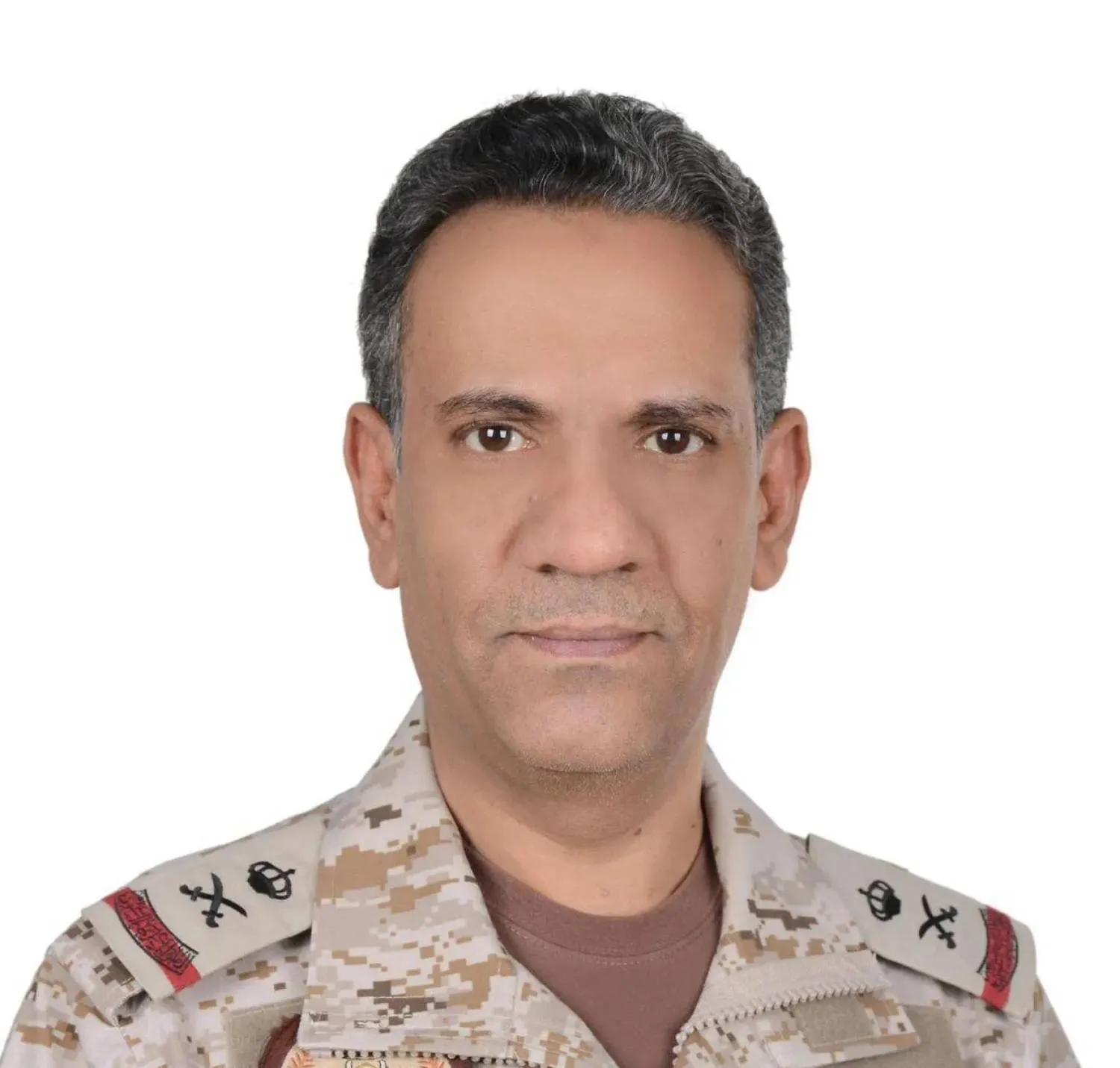

Saudi FM Receives Written Message from Russian Counterpart

Deputy Minister for International Multilateral Affairs and General Supervisor of the Economic and Development Affairs Deputyship Dr. Abdulrahman Al-Rassi meets with Russian Ambassador to Saudi Arabia Sergey Kozlov at the ministry’s headquarters in Riyadh on Tuesday. (SPA)
TT

Saudi FM Receives Written Message from Russian Counterpart

Deputy Minister for International Multilateral Affairs and General Supervisor of the Economic and Development Affairs Deputyship Dr. Abdulrahman Al-Rassi meets with Russian Ambassador to Saudi Arabia Sergey Kozlov at the ministry’s headquarters in Riyadh on Tuesday. (SPA)

Saudi Minister of Foreign Affairs Prince Faisal bin Farhan bin Abdullah received on Tuesday a written message from his Russian counterpart Sergei Lavrov covering issues of common interest between their countries.

Deputy Minister for International Multilateral Affairs and General Supervisor of the Economic and Development Affairs Deputyship Dr. Abdulrahman Al-Rassi received the message during a meeting with Russian Ambassador to Saudi Arabia Sergey Kozlov at the ministry’s headquarters in Riyadh.

The meeting included a review of bilateral relations and a discussion of regional and international issues.


Saudi Arabia, Arab and Islamic Countries Condemn Israeli Settlers’ Incursions into Al-Aqsa Mosque

 Muslim worshippers attend Eid al-Adha prayer at Al-Aqsa Mosque in Jerusalem, May 27, 2026  (Reuters)
Muslim worshippers attend Eid al-Adha prayer at Al-Aqsa Mosque in Jerusalem, May 27, 2026 (Reuters)
TT

Saudi Arabia, Arab and Islamic Countries Condemn Israeli Settlers’ Incursions into Al-Aqsa Mosque

 Muslim worshippers attend Eid al-Adha prayer at Al-Aqsa Mosque in Jerusalem, May 27, 2026  (Reuters)
Muslim worshippers attend Eid al-Adha prayer at Al-Aqsa Mosque in Jerusalem, May 27, 2026 (Reuters)

The foreign ministers of Saudi Arabia, Jordan, the United Arab Emirates, Qatar, Indonesia, Pakistan, Egypt, and Türkiye strongly condemned on Tuesday the continued incursions by extremist Israeli settlers, into the Al-Aqsa Mosque under the protection of the Israeli forces.

In a statement, they also condemned the raising of the Israeli flag within its courtyards. They stressed that these provocative and unacceptable actions are “a flagrant violation of international law, the relevant United Nations resolutions, and the historical and legal status quo at the holy sites in occupied East Jerusalem.”

The foreign ministers slammed “the continued and systematic violations and measures carried out by Israel, the occupying power, aimed at altering the historical, legal, and demographic character of occupied East Jerusalem and undermining the sanctity and status of its Islamic and Christian holy sites.”

They reaffirmed their “categorical rejection of any attempts to alter the historical and legal status quo in Jerusalem and its Islamic and Christian holy sites, stressing its preservation while recognizing the special role of the historical Hashemite custodianship in this regard.”

The ministers reiterated that “the entire area of Al-Aqsa Mosque, which amounts to 144 dunams, is a place of worship exclusively for Muslims, and that the Jerusalem Endowments and Al-Aqsa Mosque Affairs Department, affiliated with the Jordanian Ministry of Awqaf and Islamic Affairs, is the legal entity with exclusive jurisdiction to administer its affairs.”

The foreign ministers held Israeli authorities responsible for halting these escalatory actions and warned that repeated Israeli violations deepen tensions, fuel instability and extremism, undermine international efforts to achieve peace and are a clear breach of Israel’s obligations under international law.

They called for an immediate cessation of all such Israeli illegal and provocative practices and reaffirmed the need to respect the historical and legal status quo at Al-Aqsa Mosque in its entirety.

The foreign ministers underlined “their unwavering solidarity with the Palestinian people and their steadfast support for the realization of their legitimate and inalienable national rights, foremost among them their right to self-determination and the realization of an independent and sovereign Palestinian State on the 1967 lines, with East Jerusalem as its capital.”

They further voiced their support “for all efforts aimed at ending the Israeli occupation and achieving a just, lasting, and comprehensive peace based on the two-State solution in accordance with international law, the relevant United Nations resolutions, and the Arab Peace Initiative.”


Saudi Arabia's KSrelief, UNHCR Sign Agreement to Boost Protection, Healthcare Services in Yemen

Officials at the virtual meeting between KSrelief and UNHCR. (UNHCR Office in Riyadh)
TT

Saudi Arabia's KSrelief, UNHCR Sign Agreement to Boost Protection, Healthcare Services in Yemen

Officials at the virtual meeting between KSrelief and UNHCR. (UNHCR Office in Riyadh)

The United Nations High Commissioner for Refugees (UNHCR) and the King Salman Humanitarian Aid and Relief Center (KSrelief) signed a $3.1 million agreement to strengthen protection and healthcare services for forcibly displaced people in Yemen.

The agreement will provide nearly 45,000 people with access to essential services, including civil documentation, legal aid, voluntary refugee return support, and primary healthcare, helping vulnerable families maintain stability and dignity amid Yemen’s deepening humanitarian crisis.

Under the agreement, UNHCR and its partners will support thousands of internally displaced people and refugees in obtaining identity and civil registration documents, enabling them to regain access to basic rights, protection mechanisms, and public services. The initiative will also offer legal assistance to address displacement-related challenges, including eviction threats, housing and property disputes, and personal status issues.

The effort is particularly critical as many displaced families lost identification documents while fleeing conflict, preventing them from enrolling children in school, accessing public services, or securing livelihoods.

The agreement will also support Somali refugees seeking voluntary return to Somalia through counseling services, documentation assistance, and safe sea and air transportation, helping reduce reliance on dangerous irregular migration routes.

Funding will further support services at three healthcare centers in Sana’a, Aden, and Kharaz Refugee Camp in the Lahij governorate, providing medical consultations and essential medicines to refugees and vulnerable host communities.

The agreement was signed during a virtual meeting between Eng. Ahmed bin Ali Al-Baiz, Assistant Supervisor General for Operations and Programs at KSrelief, and Dr. Khaled Khalifa, Senior Advisor to the UN High Commissioner for Refugees and UNHCR Representative to the Gulf Cooperation Council countries.

Al-Baiz reaffirmed KSrelief’s commitment to continuing its strategic partnership with UNHCR to strengthen protection services and expand access to essential assistance for displaced families, refugees, and host communities in Yemen.

He said the project reflects Saudi Arabia’s broader humanitarian efforts to alleviate suffering and build sustainable resilience among vulnerable populations.

Khalifa described the agreement as evidence of the deep strategic humanitarian partnership between UNHCR and Saudi Arabia, represented by KSrelief.

The contribution would help thousands of vulnerable people gain access to protection services, healthcare, and legal assistance, enabling them to live with greater dignity and security, he added.

Armen Yedigarian, Acting UNHCR Representative in Yemen, stressed that the support from KSrelief demonstrates a strong commitment to protecting Yemen’s most vulnerable communities and helping displaced families rebuild their lives with dignity.