


Saudi Health Minister: We Act Proactively on Health Risks

Saudi Health Minister: We Act Proactively on Health Risks
TT

Saudi Health Minister: We Act Proactively on Health Risks

Saudi Health Minister: We Act Proactively on Health Risks

Saudi Arabia’s Cabinet, chaired Tuesday by Custodian of the Two Holy Mosques King Salman bin Abdulaziz, approved the formation of a permanent committee to oversee all matters related to asbestos and ensure enforcement of its ban, marking a new step in public health and regulatory oversight.

Saudi Health Minister Fahad Al-Jalajel told Asharq Al-Awsat that the Kingdom approaches health risks with a proactive strategy grounded in clear policies and long-term planning.

“Any risk we detect affecting citizens, the government works to develop the necessary tools to avert it and to continue enhancing quality of life,” Al-Jalajel said, citing previous announcements including a national drowning prevention policy and a strategic drug policy.

Saudi action on asbestos dates back years, and the decision to establish a monitoring committee follows earlier Cabinet rulings. Decisions numbered 1419 and 1422 halted the use of asbestos, barred its inclusion in official specifications, and banned its import, export, and manufacture.

The measures also mandated the replacement and safe disposal of asbestos in buildings and water networks, alongside continued studies due to its health and environmental hazards.

Scientifically, asbestos refers to a group of naturally occurring mineral fibers once widely used commercially and, in some cases, still in use. Exposure can be fatal, affecting workers and others who come into contact with the fibers.

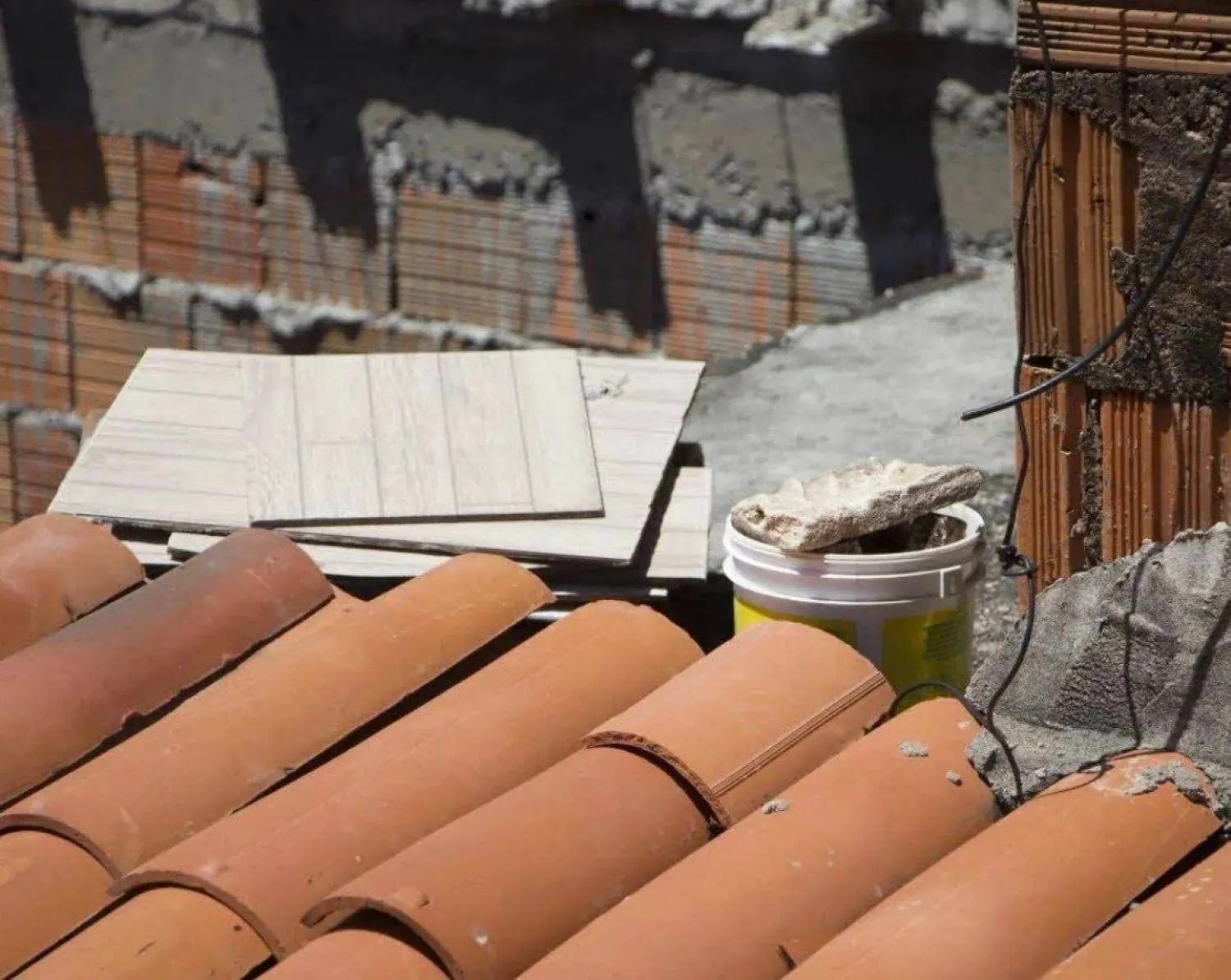
The material gained commercial value for its exceptional tensile strength, low heat conductivity, and relative resistance to chemical damage. It has been used for insulation in buildings and in products such as roofing sheets, water supply pipes, fire blankets, plastic fillers, medical packaging, vehicle clutches, and brake linings.

There are six main forms of asbestos, with chrysotile, or white asbestos, among the most widely used today. The World Health Organization has concluded that all forms of asbestos cause cancer. It also links asbestos exposure to chronic respiratory diseases.

Because asbestos has been embedded in construction materials, those involved in building, maintaining, or demolishing affected structures may face risks even decades after installation.

WHO assessments classify all six major forms of asbestos as carcinogenic to humans. Exposure, including to chrysotile, is associated with cancers of the lung, larynx, and ovary, as well as mesothelioma, a cancer of the pleural and peritoneal linings.

Clear scientific evidence also shows it causes chronic respiratory diseases such as asbestosis and other severe lung damage.

The World Health Organization estimates that about 125 million people worldwide are currently exposed to asbestos at work. More than 107,000 people die each year from lung cancer, mesothelioma, and asbestosis linked to occupational exposure.

Globally, asbestos is responsible for more than 200,000 deaths annually, according to the WHO, and accounts for roughly one-third of occupational cancer deaths. Thousands more fatalities each year are attributed to domestic exposure.

As of 2024, 50 countries had banned asbestos. In others, uncertainty remains amid insufficient and incomplete data.


Makkah Deputy Governor Carries Out Field Inspection of Grand Mosque Readiness for Ramadan 

Deputy Governor of the Makkah Region Prince Saud bin Mishaal bin Abdulaziz is seen during his inspection tour at the Grand Mosque in the holy city of Makkah. (SPA)
TT

Makkah Deputy Governor Carries Out Field Inspection of Grand Mosque Readiness for Ramadan 

Deputy Governor of the Makkah Region Prince Saud bin Mishaal bin Abdulaziz is seen during his inspection tour at the Grand Mosque in the holy city of Makkah. (SPA)

Deputy Governor of the Makkah Region Prince Saud bin Mishaal bin Abdulaziz inspected the readiness of the Grand Mosque and its facilities, conducting a field tour to review operational and service preparations for receiving worshippers and Umrah performers during the holy month of Ramadan, reported the Saudi Press Agency on Tuesday.

Prince Saud was briefed on the operational plans implemented by the relevant authorities, including crowd management mechanisms, service enhancements, and facility preparations aimed at ensuring smooth movement and enhancing comfort and safety levels for visitors to the Grand Mosque, particularly during peak times.

He reviewed developmental initiatives and smart services supporting the operational system, notably electric mobility carts for transporting the elderly, persons with disabilities, and those in need of assistance within the Grand Mosque.

The tour also included an overview of the efforts of guidance teams deployed across the corridors and courtyards of the Grand Mosque, providing multilingual assistance and direction.

Prince Saud reviewed the interactive map and digital mobility platform, which allows visitors to plan their routes in advance and identify service locations, entrances and exits, and less crowded pathways.

He was briefed on crowd management systems, including the visitor density sensor platform that measures human density in real time, and the Tawaf and Sa’i crowd status display service, which allows worshippers to select appropriate times to perform rituals with ease. Models of the modern multilingual guidance system were also reviewed.

Prince Saud also visited the Smart Engineering Command and Control Center, which serves as an advanced central platform linking operational systems and monitoring performance in real time, boosting operational efficiency and raising readiness levels during Ramadan.


Saudi Leadership Provides Two Donations Worth SAR150 Mln Through Jood Eskan Platform

Custodian of the Two Holy Mosques King Salman bin Abdulaziz Al Saud and Prince Mohammed bin Salman bin Abdulaziz Al Saud, Crown Prince and Prime Minister. (SPA)
TT

Saudi Leadership Provides Two Donations Worth SAR150 Mln Through Jood Eskan Platform

Custodian of the Two Holy Mosques King Salman bin Abdulaziz Al Saud and Prince Mohammed bin Salman bin Abdulaziz Al Saud, Crown Prince and Prime Minister. (SPA)

Custodian of the Two Holy Mosques King Salman bin Abdulaziz Al Saud and Prince Mohammed bin Salman bin Abdulaziz Al Saud, Crown Prince and Prime Minister, have provided two generous donations amounting to SAR150 million through the Jood Eskan platform.

The move aligns with the leadership's commitment to supporting all national efforts and initiatives to provide suitable housing for deserving families.

Minister of Municipalities and Housing and Chairman of the Board of Trustees of the Developmental Housing Foundation (Sakan) Majed Al-Hogail expressed his deep gratitude to the leadership for its unwavering support to all national efforts and initiatives aimed at providing suitable housing for eligible families across the Kingdom.

He noted the effective impact of previous generous donations in achieving the goals of housing development, and motivating individuals and institutions to donate through the Jood Eskan platform that is based on community giving that helps provide decent housing and boosts stability and quality of life for deserving families.


Saudi Crown Prince Receives Message on Bilateral Ties from President of Kazakhstan

Prince Mohammed bin Salman bin Abdulaziz Al Saud, Saudi Crown Prince and Prime Minister. (SPA file)
TT

Saudi Crown Prince Receives Message on Bilateral Ties from President of Kazakhstan

Prince Mohammed bin Salman bin Abdulaziz Al Saud, Saudi Crown Prince and Prime Minister. (SPA file)

Prince Mohammed bin Salman bin Abdulaziz Al Saud, Saudi Crown Prince and Prime Minister, received on Tuesday a written message from President of Kazakhstan Kassym-Jomart Tokayev on bilateral relations between their two countries.

The message was received by Minister of Foreign Affairs Prince Faisal bin Farhan bin Abdullah during a meeting with his Kazakh counterpart Yermek Kosherbayev in Riyadh.
