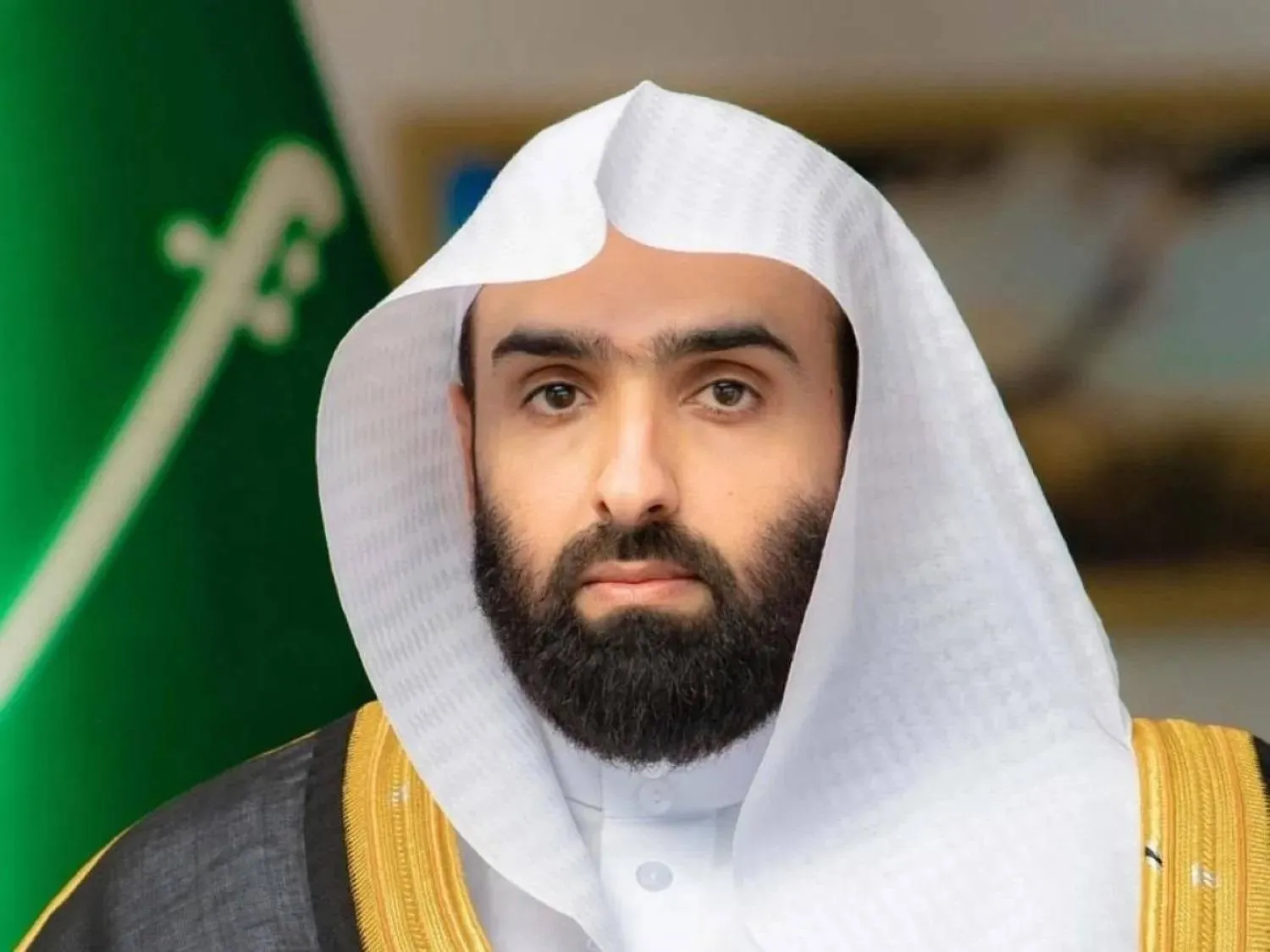

Khalid Al-Yousef: From the Halls of the Judiciary to the Helm of the Public Prosecution

Dr. Khalid Al-Yousef draws on an extensive background and deep familiarity with the matters of the judiciary. (The Board of Grievances) 
TT

Khalid Al-Yousef: From the Halls of the Judiciary to the Helm of the Public Prosecution

Dr. Khalid Al-Yousef draws on an extensive background and deep familiarity with the matters of the judiciary. (The Board of Grievances) 

Dr. Khalid Al-Yousef has been appointed Saudi Arabia’s Attorney General, a choice that reflects the Kingdom’s continued drive to strengthen its legal and rights framework by entrusting leadership to figures who combine deep grounding in Islamic jurisprudence with modern legal thinking.

Al-Yousef has emerged as one of the legal and judicial figures closely associated with Saudi Arabia’s judicial transformation under Vision 2030.

This period has witnessed a sweeping shift toward the digitization of judicial and notarization services, a reduction in litigation timelines by more than 70 percent in some circuits, and the introduction of more than 160 services through electronic platforms and alternative dispute mechanisms.

He holds a doctorate in comparative jurisprudence (Fiqh) from the Higher Institute of Judiciary at Imam Muhammad ibn Saud Islamic University. His academic research has focused on bridging Sharia rulings with contemporary judicial systems, judicial oversight of administrative regulatory decisions, and administrative law and justice.

Before his appointment as Attorney General, Al-Yousef held a series of pivotal leadership positions at the Board of Grievances. He served as a judge in administrative, commercial, disciplinary, and criminal courts, issuing a wide range of rulings over the course of his career.

He also was a member of the Technical Affairs Office, which is responsible for legal opinions, research and studies, the classification of judicial rulings and principles, and jurisprudential and legal consultation.

His responsibilities at the Board of Grievances extended to overseeing the Decision Support Center, which includes the Development and Performance Oversight Office, as well as the Information and Reports Office and the Strategic Planning Office.

He also took part in teams tasked with drafting the strategic plan and performance management system, contributing to the Tenth Development Plan, supervising the electronic archiving of judicial rulings, and classifying and publishing court judgments.

In 2015, Al-Yousef was appointed President of the Board of Grievances. His tenure was marked by significant qualitative advances that coincided with Saudi Arabia’s broader judicial transformation, including the digitization of administrative courts and enhanced levels of transparency and legal clarity.


Saudi Crown Prince Receives Message on Bilateral Ties from President of Kazakhstan

Prince Mohammed bin Salman bin Abdulaziz Al Saud, Saudi Crown Prince and Prime Minister. (SPA file)
TT

Saudi Crown Prince Receives Message on Bilateral Ties from President of Kazakhstan

Prince Mohammed bin Salman bin Abdulaziz Al Saud, Saudi Crown Prince and Prime Minister. (SPA file)

Prince Mohammed bin Salman bin Abdulaziz Al Saud, Saudi Crown Prince and Prime Minister, received on Tuesday a written message from President of Kazakhstan Kassym-Jomart Tokayev on bilateral relations between their two countries.

The message was received by Minister of Foreign Affairs Prince Faisal bin Farhan bin Abdullah during a meeting with his Kazakh counterpart Yermek Kosherbayev in Riyadh.


Princes and Officials Take Oath Before Custodian of the Two Holy Mosques

Custodian of the Two Holy Mosques King Salman bin Abdulaziz Al Saud and other officials are seen during the ceremony in Riyadh on Tuesday. (SPA)
TT

Princes and Officials Take Oath Before Custodian of the Two Holy Mosques

Custodian of the Two Holy Mosques King Salman bin Abdulaziz Al Saud and other officials are seen during the ceremony in Riyadh on Tuesday. (SPA)

Princes and officials appointed by royal orders to their new positions took the oath of office before Custodian of the Two Holy Mosques King Salman bin Abdulaziz Al Saud in Riyadh on Tuesday.

They included Deputy Governor of Al-Baha Region Prince Fahd bin Saad bin Abdullah bin Abdulaziz bin Turki; Member of the Shura Council Prince Dr. Saad bin Saud bin Mohammed bin Abdulaziz; Deputy Governor of Madinah Region Prince Saud bin Nahar bin Saud; Deputy Governor of Northern Borders Region Prince Mohammed bin Abdullah bin Abdulaziz; and Minister of Investment Fahd Al-Saif.

They swore to be faithful to their religion, then their King and country, not to reveal any of the state’s secrets, to preserve its interests and regulations, and to perform their duties with honesty, trustworthiness, and sincerity.


Saudi Arabia Reiterates Its Categorical Rejection of Israel’s ‘State Land’ Decision in West Bank

Custodian of the Two Holy Mosques King Salman bin Abdulaziz Al Saud chairs the Cabinet meeting in Riyadh. (SPA)
TT

Saudi Arabia Reiterates Its Categorical Rejection of Israel’s ‘State Land’ Decision in West Bank

Custodian of the Two Holy Mosques King Salman bin Abdulaziz Al Saud chairs the Cabinet meeting in Riyadh. (SPA)

The Saudi government condemned on Tuesday Israel’s decision to West Bank lands as "state lands."

Reiterating its absolute rejection of these illegal measures, the Cabinet warned that they undermine peace efforts and violate the Palestinian people's inherent right to establish an independent, sovereign state within the 1967 borders, with East Jerusalem as its capital.

Custodian of the Two Holy Mosques King Salman bin Abdulaziz Al Saud chaired the Cabinet session that was held in Riyadh.

The Cabinet congratulated citizens and Muslims on the advent of the holy month of Ramadan, expressing gratitude for the Kingdom's honor in caring for the two holy mosques and their visitors.

The Cabinet highlighted the success of the Hajj and Umrah seasons, noting that the Kingdom welcomed 19.5 million international pilgrims and Umrah performers in 2025, setting new records that reflect rapid progress toward the goals of Vision 2030 and the Pilgrim Experience Program.

The Cabinet described the Kingdom's Founding Day celebration on February 22 as an expression of pride in the Saudi state's nearly three-century history, underscoring the foundations of justice, unity, and development established by leaders and citizens throughout history to ensure the nation remains a global leader in all fields.

The Cabinet was briefed on recent talks between Saudi Arabia and various nations, which focused on strengthening bilateral and multilateral cooperation and boosting coordination to foster regional and international security, stability, and prosperity.

The session further reviewed the Kingdom's economic, cultural, and social activities, stressing the state's commitment to social solidarity and giving. This includes continued support for the sixth National Campaign for Charitable Work, set to begin on Friday.

The Cabinet commended the success of the third World Defense Show held in Riyadh under the Custodian of the Two Holy Mosques' patronage, during which strategic partnerships, agreements, and memoranda of understanding were signed to localize military technologies and strengthen local supply chains in alignment with Vision 2030 objectives.