




Dr. Hala bint Dhiab Al-Mutairi, Secretary-General of the Saudi Historical Society, said the experience of Imam Muhammad bin Saud demonstrates that economic revival in the First Saudi State was inseparable from social and political reform.
She stressed that security was the decisive factor behind the prosperity that followed, particularly in agriculture, the backbone of the early state’s economy.
Speaking to Asharq Al-Awsat, Al-Mutairi explained that the First Saudi State arose in central Arabia at a time of deep political and economic fragmentation. Prior to its establishment, Najd was divided among rival local powers, with no central authority capable of maintaining order or protecting public interests.
This instability weighed heavily on economic life. Agriculture and trade declined amid frequent conflicts, raids, and highway robbery. Caravans were exposed to danger, weakening commercial links between Najd and neighboring regions. Economic activity was limited and unregulated, and residents relied largely on modest individual efforts to sustain themselves, in the absence of organized financial structures or reliable public revenues.
Security First
When Imam Muhammad bin Saud assumed leadership in Diriyah, he recognized that a durable state could not be built without security and disciplined management of resources. He worked to consolidate authority in surrounding areas, secure trade and pilgrimage routes, and protect caravans from attack.
As order was restored, confidence returned to Najd’s trade routes, many of which had been abandoned or considered unsafe. Merchants resumed overland journeys, stimulating internal trade and strengthening links with other parts of the Arabian Peninsula.
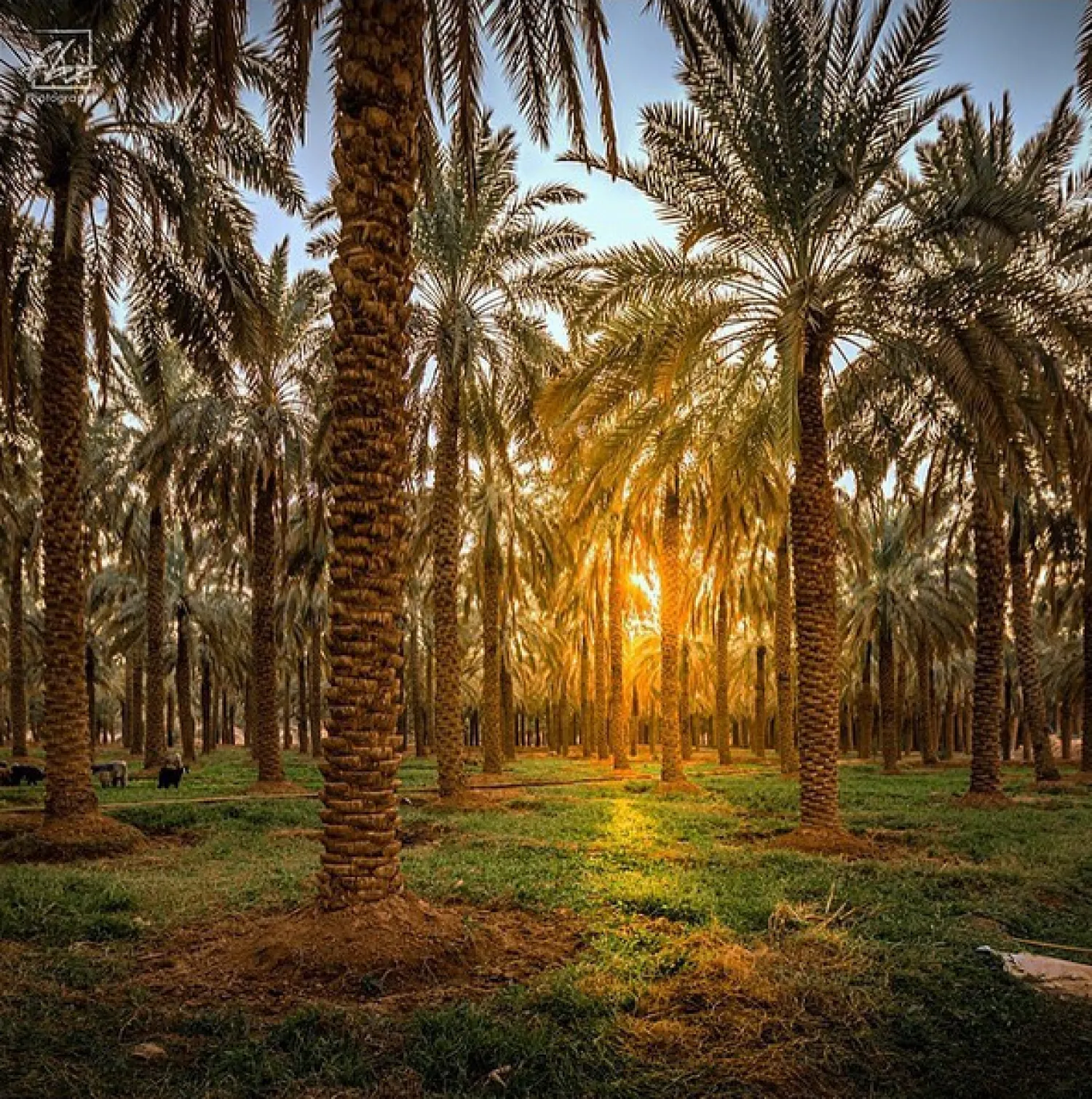
Al-Mutairi noted that the impact of security was particularly evident in agriculture. Diriyah and Wadi Hanifa experienced notable agricultural expansion once stability took hold. Production of staple crops - grains, dates, and vegetables - increased, strengthening food supplies for the population.
Farmers were encouraged to reclaim land, improve irrigation systems, and adopt better cultivation practices. A degree of self-sufficiency emerged, reducing reliance on imports. Agricultural surpluses supported local markets and provisioned caravans, reinforcing economic ties between settled communities and surrounding tribes.
Diriyah’s Commercial Rise
As agricultural output grew, Diriyah’s markets flourished and became among the most important commercial hubs in Najd. Merchants from across the region were drawn to its markets, where local produce, handicrafts, and imported goods were exchanged.
Craft industries expanded alongside trade. Carpentry, blacksmithing, and the manufacture of farming tools created new employment opportunities and improved living standards. Markets also functioned as centers of social interaction and knowledge exchange, enhancing Diriyah’s stature as both an economic and cultural center.
Al-Mutairi noted that the First Saudi State’s financial system was marked by simplicity, organization, and adherence to Islamic principles. Revenue was derived primarily from zakat and charitable contributions, collected and administered in an orderly manner. Additional income came from modest market levies, agricultural production, trade activity, and resources from territories under state authority.
The system avoided excessive taxation, sparing merchants and residents undue burden. At the same time, it provided sufficient revenue to fund administration and defense, maintain security, and ensure a measure of financial stability. This balance strengthened public confidence in the emerging state.
Economic Policy as Statecraft
Financial stability enabled Imam Muhammad bin Saud to invest in infrastructure and public order. Roads were secured and improved, markets were developed, and agriculture was supported. Crucially, political expansion was pursued without draining local resources or undermining economic vitality.
The resulting prosperity had tangible social effects. Living standards improved, disputes over resources declined, and bonds between tribes and the people of Diriyah were reinforced. Economic strength also bolstered political authority, allowing gradual territorial expansion without exclusive reliance on military force.
According to Al-Mutairi, this experience underscores how closely economic development was intertwined with social cohesion and political stability. As agriculture expanded and markets thrived, social solidarity deepened and loyalty to the state increased.
Diriyah’s strategic location along Wadi Hanifa further contributed to its success. The valley supported agricultural activity, while its position along caravan routes connected internal markets to wider regional networks. The steady movement of goods and capital generated employment and enhanced Diriyah’s role as a key economic center in the Arabian Peninsula.
Building Trust Between State and Society
Al-Mutairi emphasized that examining the economic foundations of the First Saudi State during Imam Muhammad bin Saud’s rule reveals the central role of economic management in state-building.
Security, agricultural growth, active markets, and organized financial administration collectively fostered social and political stability. Balanced economic policies addressed immediate challenges while laying the groundwork for sustainable development.
By promoting the values of work and productivity and linking economic discipline to religious and ethical principles, commercial dealings became more regulated. Fraud and monopolistic practices declined, while predictable zakat collection and equitable distribution strengthened social solidarity. Those with means supported the poor, narrowing disparities and reducing social tensions.
This framework fostered mutual trust among merchants, communities, and the state. Clear and straightforward economic regulations encouraged broader participation in productive activity, expanding the state’s economic base.
Al-Mutairi added that these policies were not merely tools for increasing revenue, but instruments for building a cohesive society and a resilient economy. In the formative years of the Saudi state, political and economic stability were not separate tracks, but mutually reinforcing pillars that ensured its endurance.


