Saudi King Sends Letter to Sultan of Oman

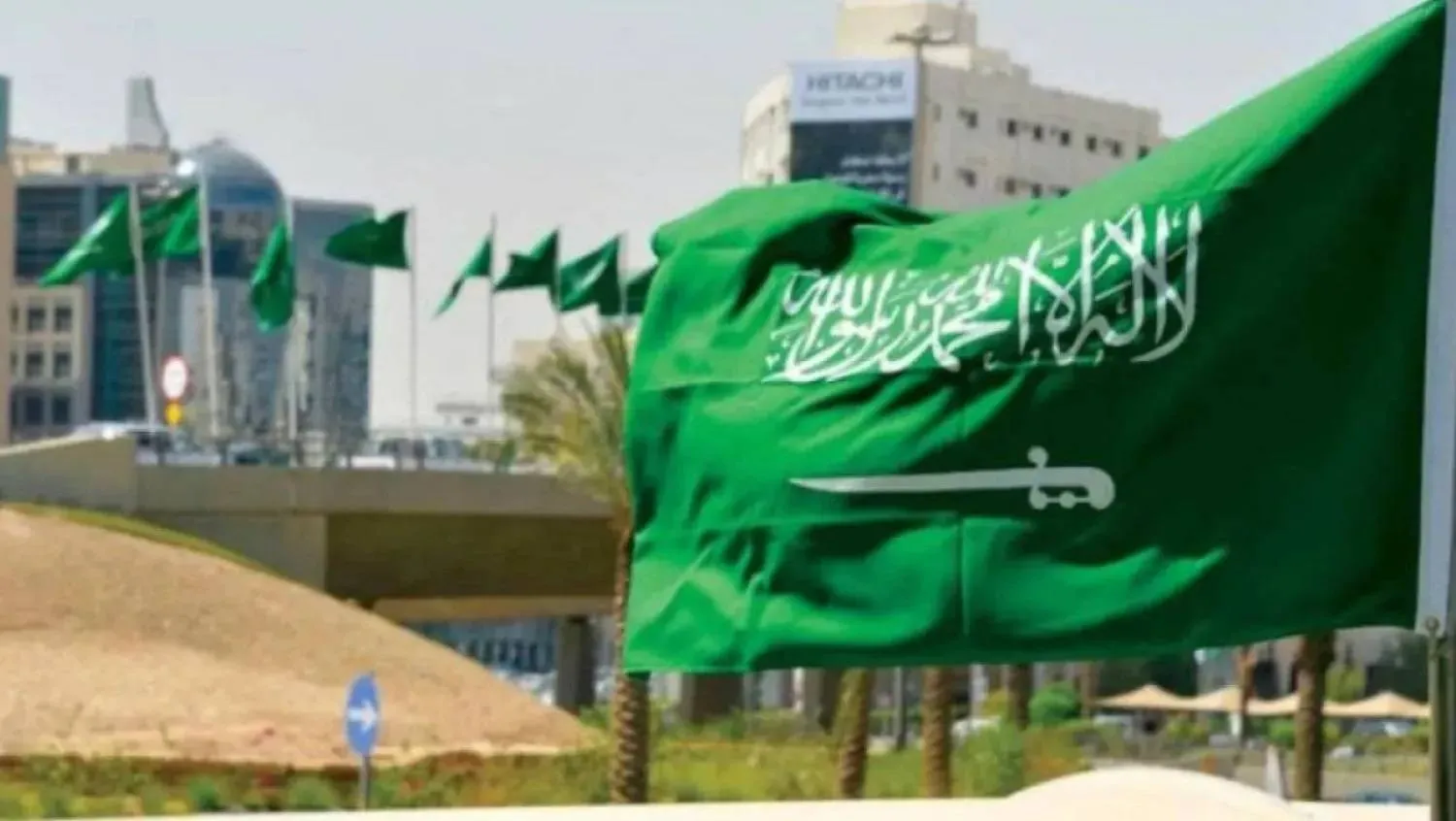
Saudi flag - File Photo/Asharq Al-Awsat
TT

Saudi King Sends Letter to Sultan of Oman

Saudi flag - File Photo/Asharq Al-Awsat

The Custodian of the Two Holy Mosques King Salman bin Abdulaziz sent a letter to Sultan of Oman Haitham bin Tariq highlighting the bilateral relations between their countries.

Khalid bin Hilal Al Busaidi, Omani Minister of the Diwan of Royal Court, received the letter on Wednesday during a meeting with Saudi Ambassador to Oman Ibrahim bin Saad bin Bishan.


Kuwait Marks Independence, Liberation Anniversaries Amid Record Financial Surpluses

The rise of Kuwaiti banking sector assets to more than $326 billion reflects the strength of the financial system and the confidence of international institutions. 
TT

Kuwait Marks Independence, Liberation Anniversaries Amid Record Financial Surpluses

The rise of Kuwaiti banking sector assets to more than $326 billion reflects the strength of the financial system and the confidence of international institutions. 

Kuwait celebrated on Wednesday the 65th independence anniversary (National Day) and the 35th anniversary of Liberation Day, marking the country’s liberation from the Iraqi invasion of Aug. 2, 1990. Liberation was achieved on Feb. 26, 1991.

Kuwait gained its independence from Britain on June 19, 1961. On that day, the late Emir Sheikh Abdullah Al-Salem Al Sabah, the 11th ruler of Kuwait, signed the independence document with Sir George Middleton, the British High Commissioner to the Arabian Gulf, acting on behalf of his government. The move annulled the 1899 agreement signed by Sheikh Mubarak Al Sabah, Kuwait’s seventh ruler, with Britain to protect the country from external threats.

On May 18, 1964, it was decided to merge the June 19 independence date with February 25 — the anniversary of Sheikh Abdullah Al-Salem Al Sabah’s accession to power — in tribute to his pivotal role in securing Kuwait’s independence. Since then, Kuwait has celebrated its National Day annually on Feb. 25.

Strong Economic Performance

This year’s 65th National Day comes as Kuwait records significant economic developments. A report issued by the Statistical Center for the Cooperation Council for the Arab Countries of the Gulf, titled “The State of Kuwait: Deep-Rooted Foundations and Steps Toward the Future,” highlights unprecedented financial and investment surpluses.

According to the report, Kuwait is achieving record fiscal and investment surpluses, supported by the strength of its sovereign wealth funds, whose assets have surpassed $1 trillion. In addition, banking sector assets have exceeded 100 billion Kuwaiti dinars (approximately $326 billion), reflecting the resilience of the financial system and continued confidence by international institutions in the national economy.

The Kuwait Stock Exchange recorded gains exceeding 9.6 billion Kuwaiti dinars (around $32 billion), underscoring the attractiveness of the investment environment and growing confidence among regional and international investors.

Kuwait ranked 19th globally in the Nation Brand Value Index, with national brands accounting for about 9 percent of GDP — one of the highest ratios worldwide.

The country also placed among the top 10 globally in the Global Innovation Index (GII) 2025, supported by advances in digital infrastructure, 5G technology, mobile internet speeds, government digitalization, and the efficiency of its digital workforce.

Kuwait’s sovereign credit ratings remain in the high-grade category with a stable outlook, further strengthening its global economic standing.

Saudi–Kuwaiti Relations

For more than 130 years, Saudi–Kuwaiti relations have been firmly rooted in shared history and close ties built on common interests and longstanding positions.

Kuwait was the first country visited by Saudi Crown Prince Mohammed bin Salman after his appointment as crown prince. He visited in May 2018 and again on September 30, 2018.

Similarly, Saudi Arabia was the first foreign destination of Sheikh Mishal Al-Ahmad Al-Jaber Al Sabah after assuming power as Emir of Kuwait. On Jan. 30, 2024, he made his first official overseas trip to the Kingdom following his accession.

Joint Saudi–Kuwaiti efforts continue to strengthen cooperation in line with the two countries’ strategic visions — Saudi Vision 2030 and Kuwait Vision 2035 — aimed at expanding collaboration across economic, security, cultural, sports, and social sectors.

Among the key milestones was the signing in December 2019 of a supplementary agreement to the accords governing the divided neutral zone and the adjacent offshore area between the two countries, paving the way for the resumption of oil production on both sides.


Saudi Passports Boost Readiness for Ramadan Umrah

Professional conduct and swift processing are among the most prominent traits of passport personnel (SPA)
TT

Saudi Passports Boost Readiness for Ramadan Umrah

Professional conduct and swift processing are among the most prominent traits of passport personnel (SPA)

Saudi Arabia’s General Directorate of Passports is leading frontline operations to receive visitors and Umrah performers from around the world during the holy month of Ramadan, serving as the first point of contact in their journeys.

Backed by an integrated operational system combining trained personnel and advanced technology, the directorate is working to ensure smooth transit through international entry points, reflecting the level of institutional transformation underway across the Kingdom’s service and security sectors.

The use of technology and intensive training has helped reduce processing times.

With an expected rise in the number of Umrah performers during the holy month, the Passports Directorate has intensified operational readiness at air, land and sea ports under a plan aimed at cutting processing times, improving service quality and enhancing the pilgrim experience from arrival to departure.

Major Nasser Al-Otaibi, official spokesperson for the General Directorate of Passports, told Asharq Al-Awsat that the directorate is focused on facilitating entry and exit procedures for Umrah performers across all international ports through comprehensive operational plans.

These include deploying trained personnel, providing the latest technical equipment and using advanced electronic systems to speed up travel procedures, with the goal of completing processes smoothly and reducing congestion and waiting times.

Al-Otaibi said the directorate has deployed the latest technologies and smart systems as part of its operational plan for the season, contributing to faster entry and exit procedures and ensuring smooth movement at all ports.

Modern technologies enable travelers to complete procedures independently in record time.

He added that these technologies and systems help shorten processing times and raise service quality. The integrated technical system aims to achieve the highest levels of operational efficiency and enhance the experience of pilgrims, reflecting the development of passport services.

On coordination with other entities, Al-Otaibi said integration between the General Directorate of Passports and other security and service bodies is a key element in improving field performance, especially during high-density seasons such as Ramadan.

He said the directorate operates within an integrated security and service system that includes relevant security and other authorities.

This integration relies on direct technical linkage, facilitating rapid verification of information, accuracy of procedures and timely decision-making.

Advance coordination also helps unify operational plans, distribute human resources and manage passenger flows inside travel halls to ensure smooth movement and reduce waiting times without compromising security.

Al-Otaibi said the joint work reflects the concept of a “single system,” with roles integrated across sectors to achieve a unified goal of efficiently serving pilgrims while enhancing the security and safety of entry points.

On training and reducing processing times, the spokesperson said continuous qualification and training plans for passport personnel have had a direct and tangible impact on the quality of service provided to Umrah performers, particularly during peak periods that require high readiness and swift performance.

He stressed that the directorate is implementing specialized training programs covering regulatory and technical aspects, as well as skills in dealing with a multilingual and multicultural public, in addition to crowd management and working under pressure.

This training enhances personnel’s ability to complete procedures accurately and quickly while maintaining a humane approach in dealing with pilgrims.

Al-Otaibi said the training has yielded measurable results, including shorter processing times, higher pilgrim satisfaction and an effective balance between speed and security requirements, reflecting the professionalism of national cadres serving pilgrims.

Saudi Arabia is currently experiencing a large influx of Umrah performers from abroad, which typically peaks in the final days of Ramadan, along with domestic pilgrims. The current season is expected to record higher numbers compared with the same period in previous seasons, particularly given the strong figures announced in the first days of the month.

On Saturday, 4 Ramadan, the Grand Mosque recorded the highest number of Umrah performers since the start of the month at around 904,000.

Previously, Saudi Arabia announced that the number of visitors to the Two Holy Mosques during Ramadan 2025 reached about 122,286,712 Umrah performers and worshippers.

Of those, more than 16 million were Umrah performers, compared with 75,573,928 worshippers at the Grand Mosque and 30,154,543 worshippers at the Prophet’s Mosque, all of whom were provided services from arrival until departure.


Saudi Leadership Congratulates Emir of Kuwait on National Day 

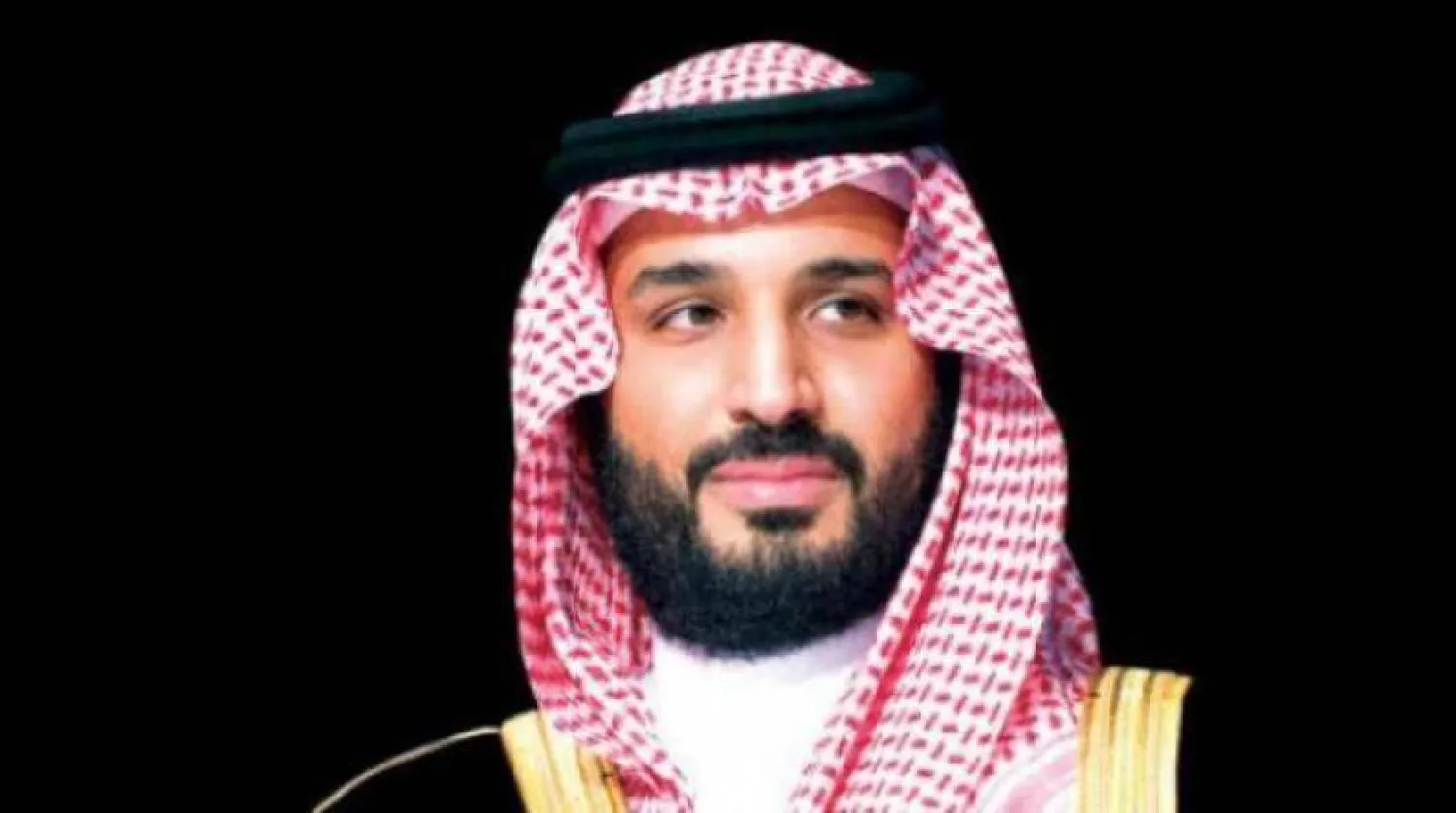
Custodian of the Two Holy Mosques King Salman bin Abdulaziz Al Saud and Prince Mohammed bin Salman bin Abdulaziz Al Saud, Crown Prince and Prime Minister. (SPA)
TT

Saudi Leadership Congratulates Emir of Kuwait on National Day 

Custodian of the Two Holy Mosques King Salman bin Abdulaziz Al Saud and Prince Mohammed bin Salman bin Abdulaziz Al Saud, Crown Prince and Prime Minister. (SPA)

Custodian of the Two Holy Mosques King Salman bin Abdulaziz Al Saud sent on Wednesday a cable of congratulations to Emir of Kuwait Sheikh Meshal Al-Ahmad Al-Jaber Al-Sabah on his country's National Day.

King Salman wished Sheikh Meshal continued good health and happiness, and the government and people of Kuwait steady progress and prosperity. He also praised the fraternal relations that bind their countries.

Prince Mohammed bin Salman bin Abdulaziz Al Saud, Crown Prince and Prime Minister, sent Sheikh Meshal a similar cable on the occasion.