Saudi Arabia, Pakistan Discuss Means to End the Iranian Attacks

Saudi Minister of Defense Prince Khalid bin Salman bin Abdulaziz and  Pakistan's Chief of Army Staff and Chief of Defense Forces Field Marshal Asim Munir meet in Riyadh on Friday. (SPA)
Saudi Minister of Defense Prince Khalid bin Salman bin Abdulaziz and Pakistan's Chief of Army Staff and Chief of Defense Forces Field Marshal Asim Munir meet in Riyadh on Friday. (SPA)
TT

Saudi Arabia, Pakistan Discuss Means to End the Iranian Attacks

Saudi Minister of Defense Prince Khalid bin Salman bin Abdulaziz and  Pakistan's Chief of Army Staff and Chief of Defense Forces Field Marshal Asim Munir meet in Riyadh on Friday. (SPA)
Saudi Minister of Defense Prince Khalid bin Salman bin Abdulaziz and Pakistan's Chief of Army Staff and Chief of Defense Forces Field Marshal Asim Munir meet in Riyadh on Friday. (SPA)

Saudi Minister of Defense Prince Khalid bin Salman bin Abdulaziz received in Riyadh on Friday Pakistan's Chief of Army Staff and Chief of Defense Forces Field Marshal Asim Munir.

They discussed the Iranian attacks on the Kingdom within the framework of the Saudi-Pakistani Strategic Mutual Defense Agreement, focusing on means to halt the attacks that undermine regional security and stability.

In a post on the X platform, Prince Khalid hoped Iran would “demonstrate wisdom and reason and steer clear of miscalculations.”


Saudi Defense Minister, Commander of US Central Command Discuss Defense Cooperation

Saudi Minister of Defense Prince Khalid bin Salman bin Abdulaziz. SPA
TT

Saudi Defense Minister, Commander of US Central Command Discuss Defense Cooperation

Saudi Minister of Defense Prince Khalid bin Salman bin Abdulaziz. SPA

Saudi Minister of Defense Prince Khalid bin Salman bin Abdulaziz met in Riyadh on Thursday with Commander of US Central Command Admiral Brad Cooper.

During the meeting, they discussed defense cooperation between the two countries, efforts to promote security, stability, and peace in the region, and issues of mutual interest.

Several officials attended the meeting.


Saudi Arabia Condemns Israeli Violations in the Region

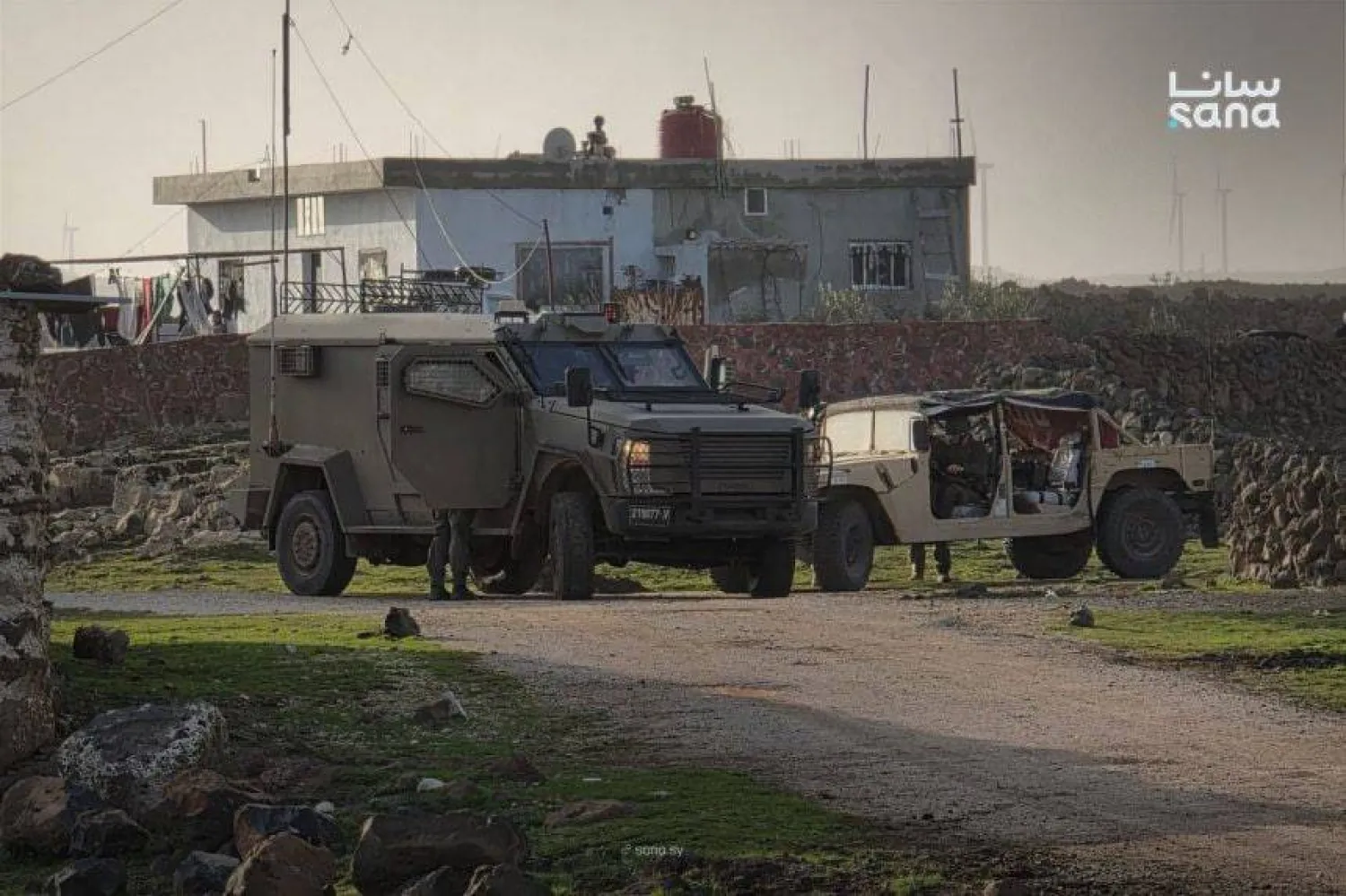
Israeli forces are seen during an incursion in Syria. (SANA file)
TT

Saudi Arabia Condemns Israeli Violations in the Region

Israeli forces are seen during an incursion in Syria. (SANA file)

Saudi Arabia condemned on Wednesday Israel's continued blatant violations in the region, most recently the incursions into the rural areas of Syria's Quneitra and Daraa governorates.

In a statement, the foreign ministry said: "Saudi Arabia expresses its categorical rejection of the Israeli forces' intimidation of peaceful civilians and violations of international laws and norms.”

“It stresses the importance of halting Israeli infringements on the sovereignty of Syrian territory and adhering to the 1974 Disengagement Agreement to preserve security and stability in the region,” it added.

The Kingdom reiterated its support for Syria's sovereignty and territorial integrity.


Saudi Arabia Condemns Iran Attacks on Bahrain, Kuwait, UAE Tanker

Vehicles move on a highway in Kuwait. (AFP)
TT

Saudi Arabia Condemns Iran Attacks on Bahrain, Kuwait, UAE Tanker

Vehicles move on a highway in Kuwait. (AFP)

Saudi Arabia strongly condemned on Wednesday Iran’s attacks on Bahrain, Kuwait and an oil tanker belonging to the United Arab Emirates.

A Foreign Ministry statement underlined Saudi Arabia’s “complete rejection of Iran’s continued aggression against brotherly countries and its threats to freedom of maritime navigation and trade routes.”

It reiterated its call “for an end to such acts of aggression, respect for international law and the principles of good neighborliness, and support for diplomatic efforts aimed at achieving peace and resolving the crisis through negotiations, to safeguard the security and stability of the region and its peoples.”

Secretary-General of the Gulf Cooperation Council (GCC) Jasem Albudaiwi also strongly condemned the attack on Kuwait.

He said Iran’s continuation of its attacks “reflects its persistence in undermining de-escalation efforts, as well as a flagrant disregard for the principles of good neighborliness, the rules of international law, and the United Nations Charter.”

He called on the international community “to assume its responsibilities toward these grave and repeated Iranian assaults and to take effective measures to halt them, ensuring respect for state sovereignty and preserving peace and security in the region.”

Albudaiwi reiterated the GCC states’ “full and steadfast solidarity with Kuwait, standing united by its side and backing all measures it takes to protect its security and stability, safeguard its sovereignty and assets, and ensure the safety of its citizens and residents on its territory.”