


UAE: More Than 1,500 Missiles and Drones Intercepted Since Start of Attacks

FILE - A black plume of smoke rises from a warehouse in the industrial area of Sharjah City following reports of Iranian strikes in Dubai, United Arab Emirates, on March 1, 2026. (AP Photo/Altaf Qadri, File)
TT

UAE: More Than 1,500 Missiles and Drones Intercepted Since Start of Attacks

FILE - A black plume of smoke rises from a warehouse in the industrial area of Sharjah City following reports of Iranian strikes in Dubai, United Arab Emirates, on March 1, 2026. (AP Photo/Altaf Qadri, File)

The UAE said its air defenses detected 17 ballistic missiles on Sunday -- destroying 16, while one fell into the sea -- and intercepted 113 of 117 drones detected, with four falling inside the country.

Since the start of the Iranian attacks, 238 ballistic missiles have been detected. Of these, 221 were destroyed, 15 fell into the sea and two landed within the country, the Ministry of Defense said.

A total of 1,422 Iranian drones have also been detected, of which 1,342 were intercepted, while 80 fell within the country’s territory. Eight cruise missiles were also detected and destroyed, it said.

The attacks resulted in four deaths among Pakistani, Nepalese and Bangladeshi nationals, and 112 people sustained moderate to minor injuries, the ministry added.


War Enters Second Week as Nearly 3,000 Iranian Missiles and Drones Target Gulf States

Smoke rises from a high-rise building following a drone attack in Kuwait City on March 8, 2026. (AFP)
TT

War Enters Second Week as Nearly 3,000 Iranian Missiles and Drones Target Gulf States

Smoke rises from a high-rise building following a drone attack in Kuwait City on March 8, 2026. (AFP)

Air defenses across the Gulf continued to intercept waves of Iranian missiles and drones as the conflict between Iran and the United States and Israel entered its second week. Regional authorities say nearly 3,000 missiles and drones have been launched since the fighting began, many aimed at civilian infrastructure.

The escalating conflict has also disrupted air travel across parts of the Middle East, prompting airlines and airports to issue warnings to passengers and adjust operations.

Saudi Arabia

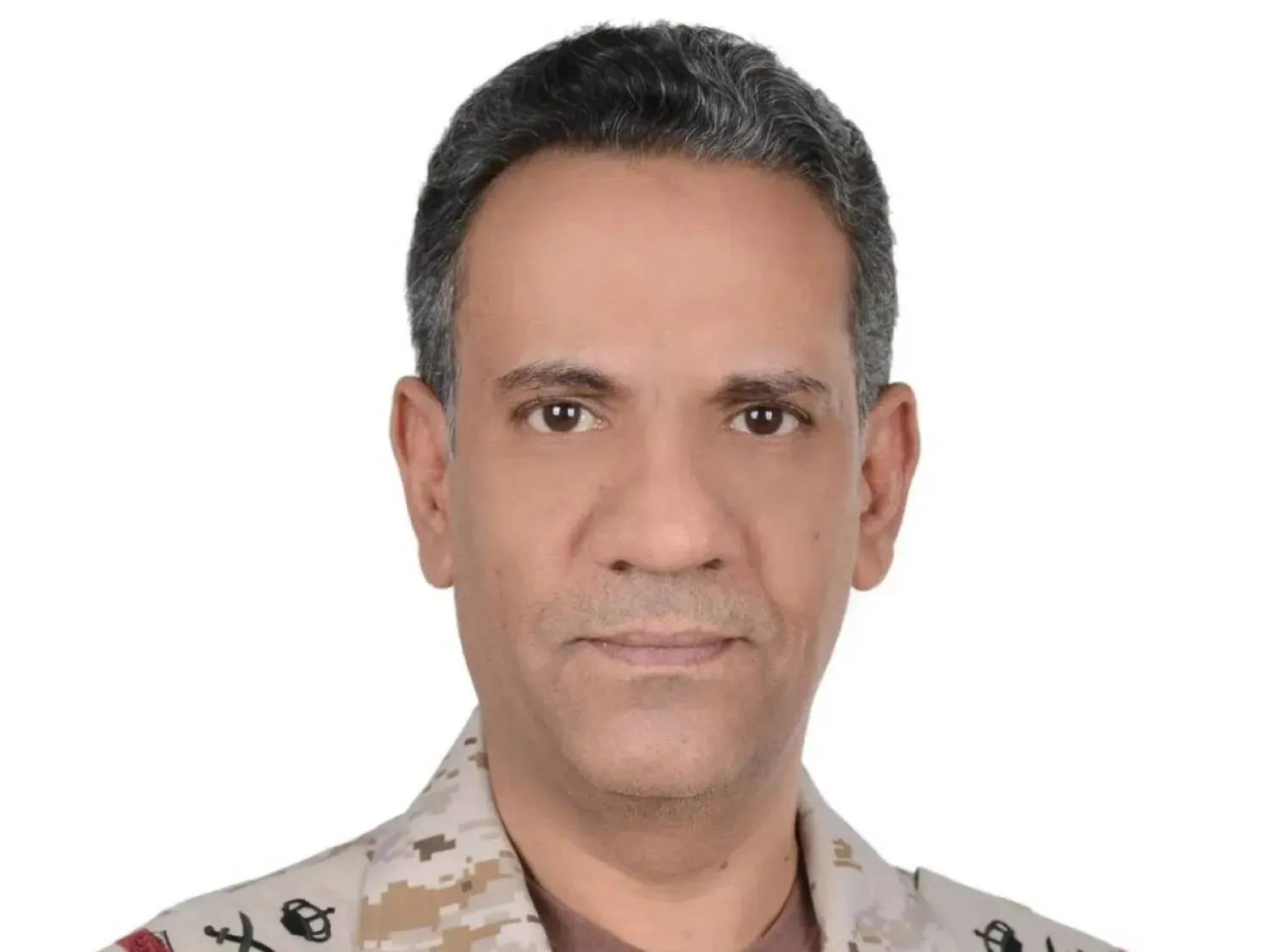
Saudi Arabia’s Royal Air Defense intercepted a second attempted drone attack Sunday targeting the Diplomatic Quarter in Riyadh, with no casualties or material damage reported, announced Turki Al-Malki, official spokesman for the Ministry of Defense.

Earlier, Saudi Civil Defense reported that two foreign nationals — one Indian and one Bangladeshi — were killed and 12 others injured when a military projectile landed in al-Kharj, southeast of Riyadh.

Al-Malki said Saudi forces intercepted and destroyed 33 drones since dawn Sunday that had targeted multiple regions of the Kingdom. Eight drones were destroyed after entering Saudi airspace and 17 more east of Riyadh.

He confirmed the interception of a drone over the Empty Quarter heading toward the Shaybah oilfield in southeastern Saudi Arabia. Six drones were downed over Riyadh.

Bahrain

Bahrain’s Defense Force said its air defense systems have been confronting successive waves of Iranian attacks since the conflict began. Authorities reported intercepting and destroying 95 missiles and 164 drones aimed at the kingdom.

Bahrain’s Interior Ministry said Sunday that three people were injured when missile fragments struck a university building in the Muharraq area.

Officials also reported damage to a desalination plant following a drone strike, though the Electricity and Water Authority said the attack did not affect water supply or the network’s operating capacity.

Kuwait

Kuwait’s Ministry of Defense said its air defenses continue to intercept hostile drones that penetrate the country’s airspace.

Defense Ministry spokesman Saud Al-Atwan said the explosions heard in several areas were the result of air defense systems intercepting incoming threats, urging the public to follow official safety instructions.

Kuwait’s Fire Force said its teams brought a blaze at fuel storage tanks at Kuwait International Airport under control while other units continued efforts to extinguish a fire at the headquarters of the Public Institution for Social Security.

The Interior Ministry announced that two personnel were killed in the line of duty early Sunday. The fallen officers were identified as Lt. Col. Abdullah Al-Sharah and Maj. Fahd Al-Mujammad of the General Directorate of Land Border Security.

Amid the temporary closure of Kuwaiti airspace, Jazeera Airways announced it had moved operations to Al-Qaisumah Airport in Hafar Al-Batin, Saudi Arabia, after receiving approval from authorities in both countries.

United Arab Emirates

The United Arab Emirates said it was acting in self-defense against what it described as an “unprovoked Iranian attack,” reporting that more than 1,400 ballistic missiles and drones have been launched toward its territory since the start of hostilities, targeting infrastructure and civilian sites.

The UAE said it does not seek further escalation, but reserves the right to take all necessary measures to protect its sovereignty and national security.

On Sunday, Emirati air defenses detected 17 ballistic missiles, destroying 16 while one fell into the sea. Authorities detected 117 drones, intercepting 113 of them while four crashed inside the country.

Since the beginning of the attacks, the UAE said it has detected 238 ballistic missiles, destroying 221. Fifteen fell into the sea and two landed on Emirati territory. Of 1,422 Iranian drones detected, 1,342 were intercepted and 80 fell within the country. Authorities also reported intercepting eight cruise missiles.

GCC condemns attacks

Jasem Albudaiwi, Secretary-General of the Gulf Cooperation Council, condemned Iranian attacks on infrastructure in Bahrain and Kuwait.

He said the strikes reflected an escalating approach by Iran and continued policies that undermine regional security and stability.

He called on the international community to take responsibility for halting repeated Iranian attacks and to put an immediate end to actions threatening regional and global security.


Arab Foreign Ministers Condemn Iranian Attacks, Warn of ‘Collective Defense’

Saudi Deputy Foreign Minister Waleed Elkhereiji participates in the Arab League Council meeting at the ministerial level via videoconference. (Saudi Ministry of Foreign Affairs) 
TT

Arab Foreign Ministers Condemn Iranian Attacks, Warn of ‘Collective Defense’

Saudi Deputy Foreign Minister Waleed Elkhereiji participates in the Arab League Council meeting at the ministerial level via videoconference. (Saudi Ministry of Foreign Affairs) 

Arab foreign ministers on Sunday strongly condemned what they described as Iranian attacks against Arab states, calling them a “serious threat to international peace and security” and urging the UN Security Council to compel Tehran to halt them immediately.

The emergency meeting of the Council of the Arab League at the ministerial level was held by videoconference to discuss the alleged attacks.

At the end of the session, participants issued a 16-point statement denouncing what they described as “illegal Iranian aggressions” and calling on Iran to immediately cease “hostile military operations and all provocative acts or threats against neighboring states,” including the use of allied armed groups and militias in the region.

The statement reaffirmed “firm support” for the sovereignty, territorial integrity and independence of the targeted Arab countries, backing any measures taken to protect their security and stability. It also endorsed the right of those states to respond to the attacks.

The foreign ministers expressed “categorical rejection” of the assaults and emphasized full solidarity among Arab states. They cited the Arab League Charter and the Joint Arab Defense and Economic Cooperation Treaty, stressing that the security of member states is indivisible and that an attack on one member is considered an attack on all.

The statement also affirmed the right of the targeted Arab states to self-defense — individually or collectively — under Article 51 of the UN Charter. It reiterated support for pursuing action through international institutions, including the UN Security Council and the UN General Assembly, to secure resolutions condemning the attacks and holding Iran responsible for their consequences.

The ministers further urged the Security Council to assume its responsibility for maintaining regional and international peace and security by issuing a binding resolution condemning the attacks and compelling Iran to halt them without conditions.

They also emphasized the need to respect freedom of navigation and the rights of commercial shipping under international law.

The statement condemned Iranian actions that could threaten international maritime routes, including any attempts to close the Strait of Hormuz or disrupt navigation in the Bab el-Mandeb and international waters. Such moves, it warned, would endanger Gulf stability, global energy supplies and international security.

Regarding Lebanon, the statement reaffirmed support for the country’s unity, sovereignty and territorial integrity, and welcomed a decision by the Lebanese government to immediately ban all security and military activities by Hezbollah, declaring them illegal and restricting the group to political activity within constitutional and legal frameworks.

It also stressed that weapons should remain solely in the hands of the Lebanese state and its legitimate institutions, particularly the Lebanese Armed Forces and official security agencies.

On the Palestinian issue, Arab foreign ministers called on influential international actors to pressure Israel, “the occupying power,” to end what they described as its illegal occupation of Palestinian and Arab territories captured in 1967.

Arab League Secretary-General Ahmed Aboul Gheit said the meeting sent a clear message that Arab states “speak with one voice” in rejecting any attack on an Arab country or violation of its sovereignty. He described the attacks as violations of international law and a threat to overall Arab national security.

He warned that such actions “cannot be justified under any pretext,” calling them reckless policies that undermine principles of good neighborliness and risk deepening Iran’s isolation.

Egyptian Foreign Minister Badr Abdelatty also voiced full solidarity with Gulf states, Jordan and Iraq, stressing the need to strengthen collective Arab security frameworks, including the possible formation of a joint Arab force.


Saudi Arabia Destroys 2 Ballistic Missiles, 11 Drones in al-Kharj, Empty Quarter

Official spokesman of the Saudi Defense Ministry Turki al-Malki. (SPA)
TT

Saudi Arabia Destroys 2 Ballistic Missiles, 11 Drones in al-Kharj, Empty Quarter

Official spokesman of the Saudi Defense Ministry Turki al-Malki. (SPA)

Official spokesman of the Saudi Defense Ministry Turki al-Malki announced on Monday that the Kingdom’s defenses intercepted and downed two ballistic missiles fired at the Prince Sultan Air Base in al-Kharj, 80 kms southeast of Riyadh.

Defenses also shot down nine drones in the Empty Quarter that were fired at the Shaybah oilfield in the southeast and two others fired at the al-Jawf region in the north.

On Sunday, the Kingdom confirmed that a national from India and another from Bangladesh were killed after a military projectile fell onto a residential area in al-Kharj.

Twelve other Indians and Bangladeshis were wounded, said the civil defense directorate.

It condemned attempts to attack civilian areas, saying they were a flagrant violation of international law.