
Iranian Attacks Target Energy Facilities in Kuwait, UAE

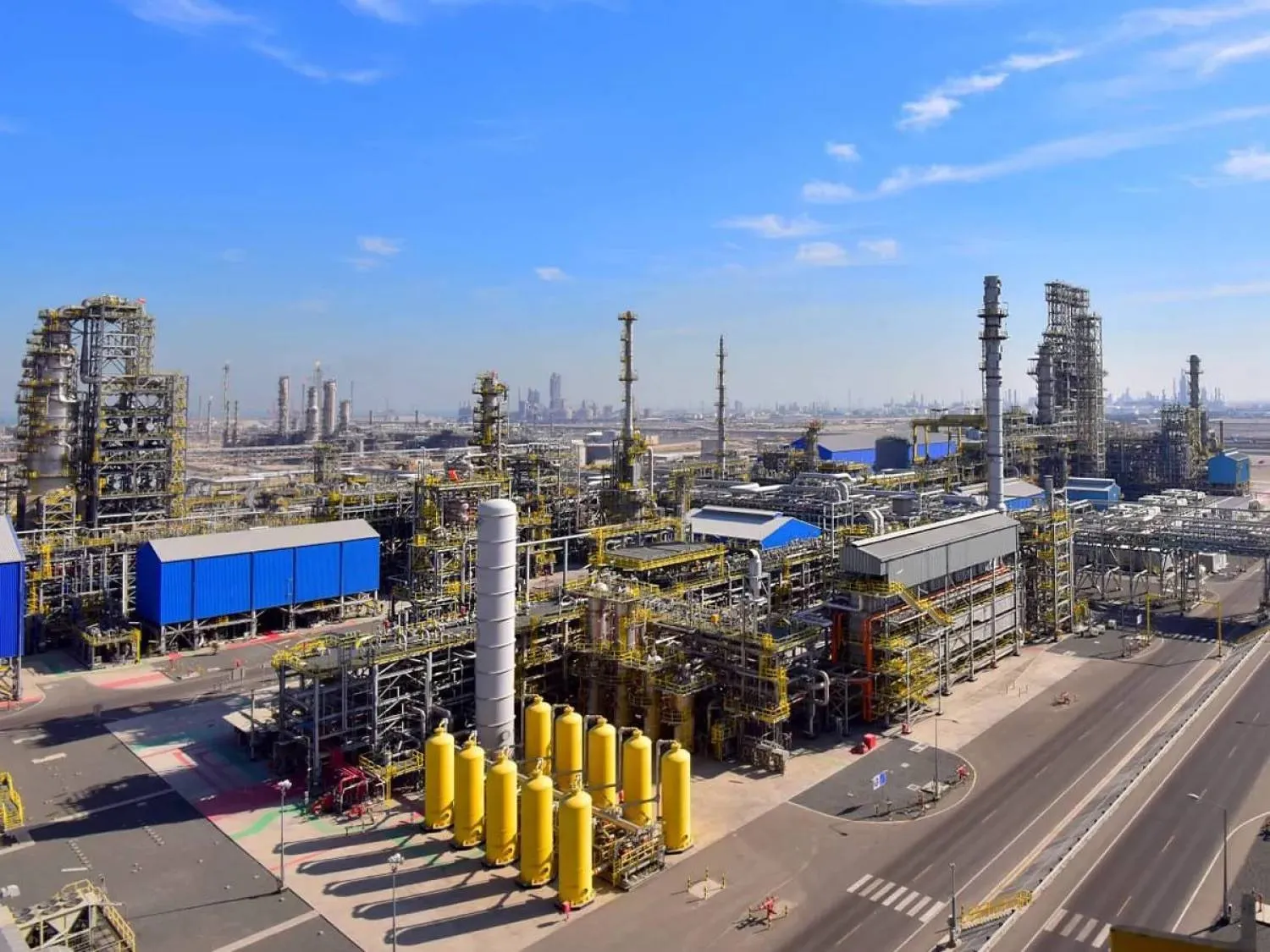
Mina al-Ahmadi refinery in Kuwait (KUNA) 
TT

Iranian Attacks Target Energy Facilities in Kuwait, UAE

Mina al-Ahmadi refinery in Kuwait (KUNA) 

Iranian attacks struck key energy infrastructure in Kuwait and the United Arab Emirates on Friday, prompting air defense responses across the Gulf and causing casualties and material damage, authorities said.

In Kuwait, drones targeted the Mina al-Ahmadi refinery as well as a power generation and water desalination plant. In Abu Dhabi, operations were suspended at the Habshan gas facilities after debris fell following a successful interception, officials said. The incident killed an Egyptian resident and injured four others from Egypt and Pakistan, and sparked two fires.

Emirates Global Aluminium said it shut down its Al Taweelah site — one of the world’s largest aluminum production complexes — after it sustained severe damage in what it described as Iranian missile and drone attacks.

The incidents come amid Gulf efforts to repel Iranian strikes targeting energy installations and vital infrastructure, which have caused injuries and limited material damage.

Saudi air defenses intercepted and destroyed 14 drones on Friday, according to defense ministry spokesman Major General Turki al-Maliki.

Kuwait

Kuwait’s defense ministry spokesman Colonel Saud al-Atwan said seven ballistic missiles, two cruise missiles and 26 hostile drones were detected in the country’s airspace over a 24-hour period.

Interior ministry spokesman Brigadier Nasser Bousleib said nine reports of falling debris were recorded in the same period, bringing the total since the start of the Iranian attacks to 649. Warning sirens were activated five times in 24 hours, for a total of 164 activations since the attacks began.

Kuwait Petroleum Corporation said the Mina al-Ahmadi refinery was hit by drones early Friday, causing fires in several operational units. Emergency and firefighting teams were deployed immediately and were working to contain the blaze and prevent it from spreading. No casualties were reported, the company underlined.

It added that precautionary measures were taken to ensure worker safety and protect facilities, and that coordination was ongoing with environmental authorities to monitor air quality. No negative environmental impact had been recorded so far.

The electricity and water ministry said one of its power generation and water desalination plants sustained material damage, according to spokeswoman Fatima Hayat, adding that technical teams were working to maintain operations.

Meanwhile, National Guard spokesman Brigadier Jadaan Fadhel denied reports circulating on social media of a possible radiation leak, saying readings in the country’s airspace and territorial waters remained within normal levels. He told state news agency KUNA that monitoring systems were operating around the clock.

United Arab Emirates

The UAE said its air defenses intercepted 18 ballistic missiles, four cruise missiles and 47 drones launched from Iran on Friday, bringing the totals since the start of the attacks to 475 ballistic missiles, 23 cruise missiles and 2,085 drones.

The defense ministry said the attacks had killed two members of the armed forces and a Moroccan civilian contractor, as well as eight others of various nationalities.

A total of 203 people have been injured since the attacks began, with injuries ranging from minor to severe.

The Abu Dhabi Media Office said authorities dealt with debris falling at the Habshan gas facilities after a successful interception, prompting a temporary suspension of operations and a fire at the site.

It later said an Egyptian resident was killed during the evacuation, while four others — two Egyptians and two Pakistanis — were injured. Two fires broke out but were brought under control by emergency response teams. The office said the incident caused significant damage to facilities, with assessments ongoing.

In a separate incident, debris fell in the Ajban area, injuring six Nepalese residents and five Indians, with one Nepalese sustaining serious injuries.

Emirates Global Aluminium said its Al Taweelah complex in Khalifa Economic Zone Abu Dhabi (KEZAD) suffered severe damage, triggering a full emergency shutdown of operations, including the aluminum smelter, casting facilities, power plant, alumina refinery and recycling plant.

The company said restoring full primary aluminum production could take up to 12 months, depending on damage assessments, while some operations at the alumina refinery and recycling plant may resume earlier.

Bahrain

Bahrain’s National Communication Center said 16 drones targeting the country were intercepted and destroyed over 24 hours, bringing the total since the start of Iranian attacks to 188 missiles and 445 drones.

The Bahrain Defense Force said targeting civilian sites and private property with ballistic missiles and drones constituted a flagrant violation of international humanitarian law and the UN Charter, warning the attacks posed a direct threat to regional peace and security.

Authorities urged residents to remain indoors except when necessary, avoid damaged areas and suspicious objects, refrain from filming military operations or debris sites, and rely on official sources for information.

The interior ministry said four Bahraini citizens sustained minor injuries and homes were damaged in the Sitra area due to falling debris from an intercepted Iranian drone. Civil defense and ambulance services were responding at the scene.

Qatar

Qatar’s defense ministry said the country was targeted by several Iranian drones, all of which were successfully intercepted.

The environment and climate change ministry said air quality remained within normal and safe limits and was being continuously monitored through a nationwide network.

In a post on platform X, the ministry advised precautionary measures during periods of increased fine particulate matter, including staying indoors — especially for vulnerable groups — keeping windows closed, wearing masks when outside and avoiding outdoor activities.



UN Security Council Condemns Attack on UAE Nuclear Plant

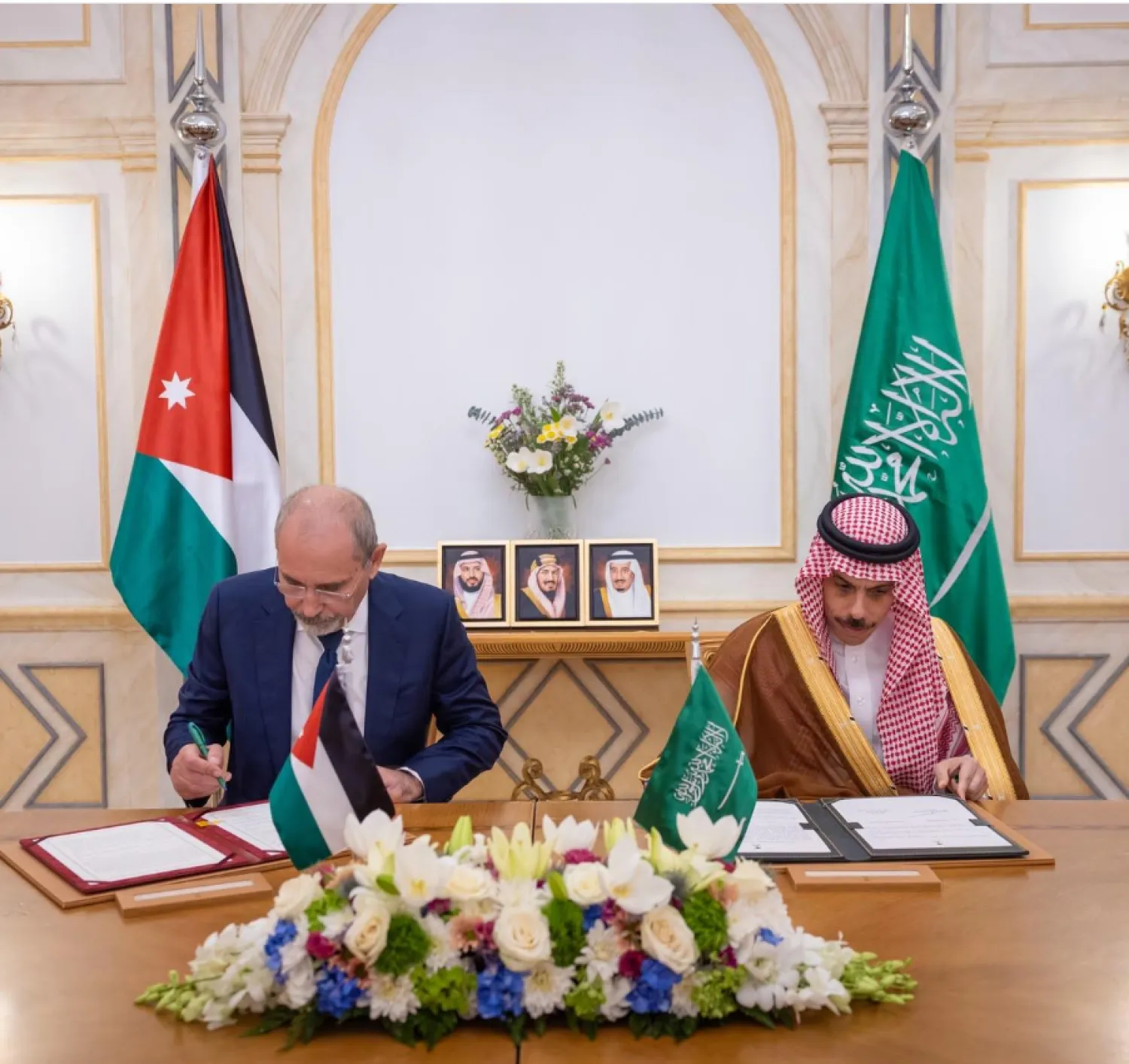
The Barakah nuclear power plant in Abu Dhabi. (WAM)
TT

UN Security Council Condemns Attack on UAE Nuclear Plant

The Barakah nuclear power plant in Abu Dhabi. (WAM)

Russia joined other UN Security Council members on Tuesday to condemn the drone strike on the UAE's Barakah nuclear power plant, which Abu Dhabi said originated from Iraq where pro-Iranian proxies are active.

The unclaimed drone struck an electrical generator on Sunday near the Arab world's first nuclear power plant in Barakah in the emirate of Abu Dhabi, triggering a fire but causing no injuries nor radiation leak.

"Attacks targeting peaceful nuclear facilities in any country of the world...are categorically unacceptable," said Russia's ambassador to the UN Vassily Nebenzya.

"Against this backdrop, our country categorically condemns the actions of those who carried out the strike targeting the plant on the territory of the UAE, thereby generating risks of escalation," he continued without naming any party.

"We trust that all stakeholders will do everything necessary to avoid a recurrence of such a dangerous incident," he added, noting that the strike likely would not have happened without the US-Israeli operation against Iran, Moscow's long-standing ally.

Abu Dhabi said Tuesday that the drones came from Iraq, where Iran-backed groups have been carrying out attacks against Gulf nations since the Middle East war erupted.

From China to the United States, the other members of the Security Council also condemned the strikes, which have not been claimed by any group.

"What sane nation, either directly or indirectly through proxies, sends drone attacks into an active and ongoing nuclear power plant?" asked US ambassador Mike Waltz, denouncing "outrageous and unacceptable attacks."

"What is the world left to believe? That if Iran...can't achieve a nuclear weapon -- and it can't use it as it has threatened over and over again on its neighbors -- that it's now going to find a clever and dangerous way to weaponize a nuclear power plant?

"I struggle to come to any other conclusion," he said.


Saudi Arabia Expands Use of AI to Serve Hajj Pilgrims

The Smart Makkah Operations Center is one of the operational and technical pillars supporting SDAIA’s work during Hajj (SPA)
TT

Saudi Arabia Expands Use of AI to Serve Hajj Pilgrims

The Smart Makkah Operations Center is one of the operational and technical pillars supporting SDAIA’s work during Hajj (SPA)

The Saudi Data and Artificial Intelligence Authority, known as SDAIA, has expanded the technological transformation Saudi Arabia is driving during the Hajj season, rolling out programs designed to boost operational efficiency and strengthen coordination among government agencies in one of the world’s largest annual logistical operations.

The aim is to deliver faster and better services to pilgrims.

SDAIA’s work included operating and supporting 75 sites in the holy sites and 14 sorting sites and security control centers by providing technical systems and services. It also supported Hajj operations at air, land and sea ports across the Kingdom in cooperation with the Ministry of Interior, while running technical systems and platforms in the holy sites.

Makkah Route

Dr. Majid AlShehry, official spokesman for SDAIA, told Asharq Al-Awsat that the authority had continued to support the Ministry of Interior’s Makkah Route initiative, now in its eighth year and implemented with several government agencies.

He said SDAIA provided advanced technical services in 10 countries through 17 international ports, equipping the initiative’s halls with the latest digital solutions powered by data and artificial intelligence. The services helped pilgrims complete procedures at airports in their home countries before arriving in Saudi Arabia.

Mobile device

AlShehry said SDAIA, in partnership with the Ministry of Interior, had developed a mobile device this year supported by data and AI technologies to help authorities complete pilgrims’ procedures automatically and flexibly, particularly for the elderly and people with disabilities.

The device verifies travel documents and visas with high accuracy, ensuring a smoother and safer experience from departure. It can capture biometrics, take a facial image and read a pilgrim’s passport data in no more than 40 seconds, helping improve performance and ease the Hajj journey this year, 1447 AH.

SDAIA also supported Hajj operations at air, land and sea ports across the Kingdom in cooperation with the Ministry of Interior, while running technical systems and platforms in the holy sites and supporting sorting sites and security control centers, AlShehry said.

He said the work strengthens technical integration with relevant government agencies, speeds up procedures, supports business continuity and improves operational efficiency during the season.

SDAIA has reinforced its technical capabilities at the Kingdom’s air, land and sea ports with specialized teams working around the clock to ensure the continuity of technical services and primary and backup communication networks, maintaining uninterrupted operational readiness.

It provided technical services at several key ports, including King Abdulaziz International Airport in Jeddah, Prince Mohammad bin Abdulaziz International Airport in Madinah, Taif Airport, Jeddah Islamic Port, the Empty Quarter crossing, Al Batha, Salwa, Al Ruqi, King Fahd Causeway, Halat Ammar, Neom Port, Jadidat Arar, Al Haditha and Al Wadiah.

Operating 75 sites in the holy sites

AlShehry said SDAIA’s work extended to operating and supporting 75 sites in the holy sites and about 14 sorting sites and security control centers. This included providing technical systems and services, supervising infrastructure and communication rooms, preparing workstations and connecting them to SDAIA’s network under approved cybersecurity standards.

The work also covered preventive maintenance, receiving and immediately handling technical reports, and training participating staff to use modern systems and platforms.

AlShehry described the Smart Makkah Operations Center, SMART MOC, in Makkah as one of the main operational and technical pillars supporting SDAIA’s Hajj work this year. The center monitors the performance of systems and digital platforms supervised by the authority and tracks response indicators and business continuity around the clock.

He said specialized Saudi staff monitor data flow, detect technical challenges and address them proactively, helping maintain stable and reliable digital services in line with operational requirements and cybersecurity standards.

Surveillance cameras

SDAIA, in partnership with the Ministry of Interior, developed a smart digital system for security surveillance cameras through the Sawaher platform, AlShehry said.

The platform included infrastructure for smart surveillance cameras, security monitoring rooms and operational platforms to support field monitoring and crowd management in the holy sites and on roads leading to them during Hajj.

The system analyzes data, grouping indicators and crowd behavior using advanced algorithms to measure density and crowd numbers.

AlShehry also cited the Baseer platform, which SDAIA developed with the Ministry of Interior through advanced technical work based on AI technologies and algorithms, including computer vision and large language models.

He said Baseer monitors crowds, supports their safety and helps smooth their movement as they enter the Two Holy Mosques during the Hajj 1447 season. The platform is integrated with security and service agencies, providing field commanders with accurate, immediate analysis, supporting decision-making and improving pilgrim safety.

19 languages

AlShehry said the comprehensive national application Tawakkalna accompanied pilgrims during this year’s Hajj through an integrated package of services available in 19 languages.

Pilgrims can log in easily to view services relevant to their journey, including Hajj permits available through Tawakkalna in integration with the unified digital Hajj permit platform, Tasreeh. The application also allows users to view all types of Hajj permits issued by government agencies.

On charitable work, AlShehry said the national platform Ehsan continued to support projects serving pilgrims by offering trusted opportunities to support Hajj-related initiatives.

He said Ehsan also enabled the electronic performance of the udhiyah sacrifice ritual in line with Islamic guidelines and organized digital mechanisms that ensure efficiency and reliability, while strengthening the sustainability of charitable impact through the Ehsan Endowment Fund.


Iraq Vows No Leniency with Parties Harming Ties with Saudi Arabia

Iraqi government spokesman Bassem al-Awadi. (INA)
TT

Iraq Vows No Leniency with Parties Harming Ties with Saudi Arabia

Iraqi government spokesman Bassem al-Awadi. (INA)

Iraq said it was ready to cooperate fully in verifying any information about an attack on Saudi Arabia that was launched from its territory, renewing its condemnation of the incident and vowing measures to prevent any breach of Iraqi sovereignty.

The Iraqi government’s latest condemnation came a day after the Foreign Ministry denounced the attacks on the Kingdom, in what observers said signaled Prime Minister Ali al-Zaidi’s new government was keen to protect ties with Saudi Arabia and other Gulf states.

Saudi Arabia’s Defense Ministry said on Sunday it had intercepted and destroyed three drones after they entered the Kingdom’s airspace from Iraq.

Iraqi government spokesman Bassem al-Awadi renewed Baghdad’s condemnation on Tuesday, saying Iraq “reaffirms its firm and historic position in support of distinguished and lasting relations with brotherly and friendly countries of the region, its commitment to the security of Arab states, the importance of supporting stability, all efforts to ease tensions, and preventing attacks, whatever their source.”

“The Iraqi government condemns the recent drone attacks that targeted Saudi Arabia and affirms its continued joint efforts to strengthen regional security and safeguard the security and sovereignty of countries in the region,” he said.

Awadi repeated that the military authorities did not detect or record any activity from the country’s airspace, stressing, however, that Iraqi institutions were fully ready “to cooperate in verifying any information related to the circumstances of the attack that targeted the Kingdom.”

He stressed Iraq’s “categorical rejection of the use of its territory, airspace or territorial waters to launch any attack on neighboring countries.”

Awadi said Iraqi security forces had taken “all necessary steps and measures to thwart and uncover any attempt in this context,” adding that there would be “no leniency toward anyone who tries to violate the sovereignty of the Iraqi state or damage relations with the Kingdom, neighboring countries or brotherly states.”

Observers are now raising questions over how Zaidi will deal with pro-Iran armed factions and confront their activities at home and abroad, particularly under continued US pressure.

In recent months, after the outbreak of the US-Israeli war against Iran, factions launched hundreds of attacks on targets inside Iraq, most of them in the northern Kurdistan region.

They also carried out attacks on more than one country in Iraq’s regional neighborhood. Those attacks stopped during the ceasefire, before resuming with three drones over Saudi territory.

Many believe the factions’ latest attacks pose a serious challenge to Zaidi’s authority. The prime minister, whose government was approved by parliament last week, has received clear US, domestic and Arab backing, a development that was not welcomed by the factions, which are seeking to embarrass him at the start of his tenure in Iraq’s top executive post.