Saudi Crown Prince, Chinese President Discuss Regional Developments

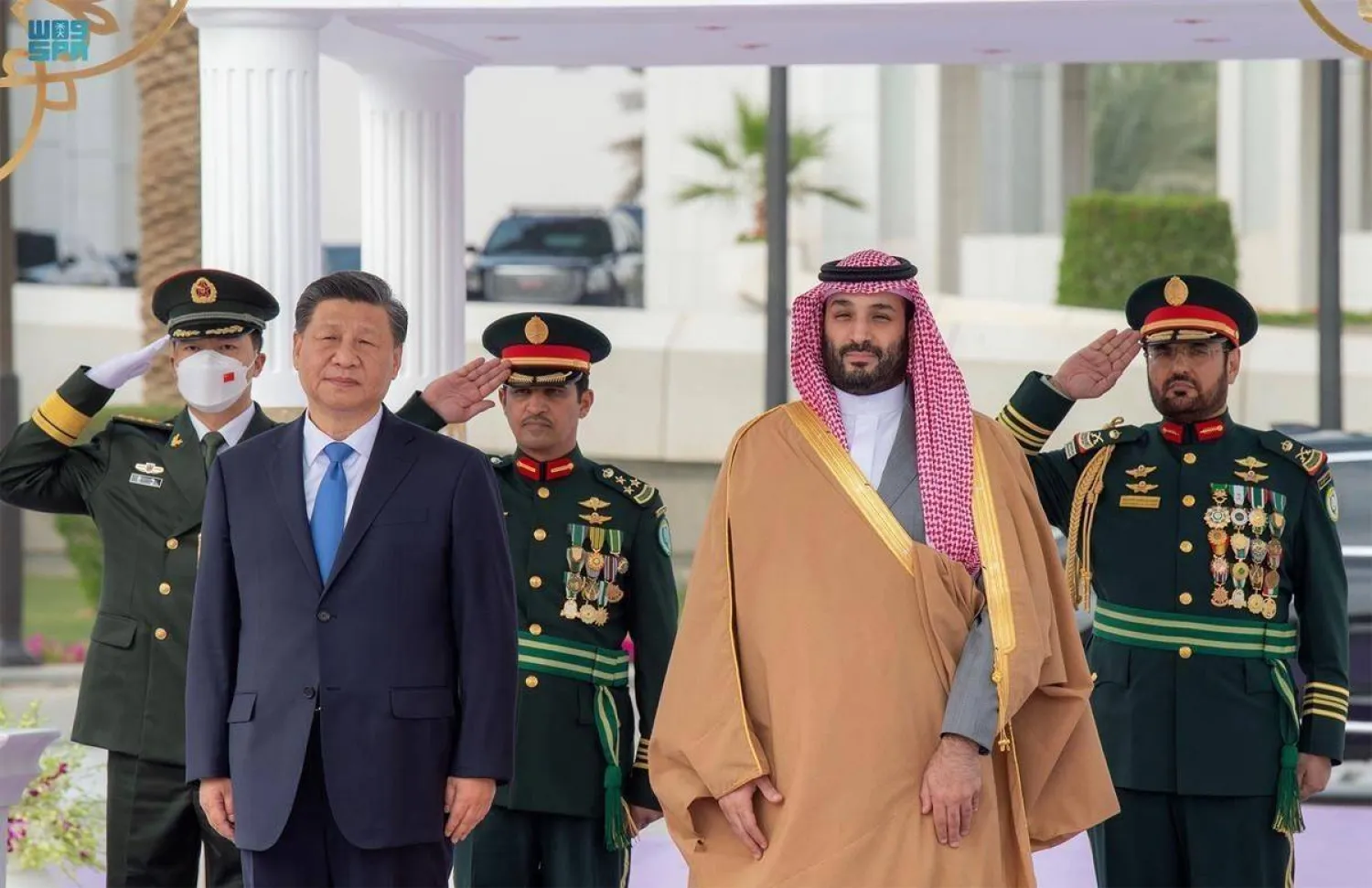
Crown Prince and Prime Minister of Saudi Arabia welcoming the Chinese President to the Kingdom during a previous visit. (SPA)
TT

Saudi Crown Prince, Chinese President Discuss Regional Developments

Crown Prince and Prime Minister of Saudi Arabia welcoming the Chinese President to the Kingdom during a previous visit. (SPA)

Prince Mohammed bin Salman bin Abdulaziz Al Saud, Crown Prince and Prime Minister, held a phone call with Chinese President Xi Jinpin.

At the outset of the call, the strategic relations between Saudi Arabia and China were discussed, along with a review of existing areas of cooperation between the two friendly countries and ways to further strengthen and develop them across a number of sectors.

The two leaders discussed the latest developments in the region and their security and economic repercussions at both regional and international levels, SPA reported.

They also addressed efforts aimed at de-escalation and enhancing security and stability in the region, particularly with regard to maritime security and its economic repercussions, as well as its impact on global vital supplies.

The Chinese president emphasized the importance of keeping the Strait of Hormuz open to navigation in a manner that serves the interests of regional countries and the international community, and contributes to lasting stability in the region.


Gulf Meeting Discusses Continued Activation of Joint Military Cooperation

Military leaders at the 23rd meeting of the GCC Armed Forces Chiefs of Staff in Bahrain on Thursday. (Bahrain Defense Force)
TT

Gulf Meeting Discusses Continued Activation of Joint Military Cooperation

Military leaders at the 23rd meeting of the GCC Armed Forces Chiefs of Staff in Bahrain on Thursday. (Bahrain Defense Force)

The Supreme GCC Military Committee discussed the continued activation of joint military cooperation, as well as measures aimed at strengthening defense ties and reinforcing cohesion and coordination among the council's armed forces.

This took place during the 23rd meeting of the GCC Armed Forces Chiefs of Staff, hosted by Bahrain on Thursday. Participants reviewed military matters of mutual interest and ways to boost cooperation and coordination to serve shared interests.

Lieutenant General Theyab bin Saqr Al-Nuaimi, Chief of Staff of the Bahrain Defense Force, said that "the gravity of the current phase and the extraordinary attacks it is witnessing place us all before a historical responsibility that demands full solidarity, close coordination, and joint cooperation to contain all threats facing the security and stability of the Gulf states."

Al-Nuaimi noted that Bahrain consistently underlines the need for strengthening defense systems and integration, as well as supporting the pillars of joint military architecture among Gulf states.

He hoped the "meeting will guide us toward achieving the progress we aspire to for our countries, fulfilling the visions of our leaders and the hopes of our peoples, in a manner that ensures lasting security, stability, and prosperity."


Saudi Arabia Begins Implementing New Enforcement Law

The Enforcement Law balances the rights and obligations of all parties and helps reduce disputes (SPA). 
TT

Saudi Arabia Begins Implementing New Enforcement Law

The Enforcement Law balances the rights and obligations of all parties and helps reduce disputes (SPA). 

Saudi Arabia began implementing its new Enforcement Law and accompanying regulations on Thursday to accelerate the enforcement of financial rights and improve judicial efficiency.

Justice Minister Walid Al-Samaani described the legislation as a major step in developing the enforcement system, citing the support of King Salman bin Abdulaziz and the continued backing of Crown Prince Mohammed bin Salman for judicial reform.

The law aims to strengthen confidence in financial transactions and establish balanced responsibilities between creditors and debtors, with enforcement directed at assets rather than individuals.

It introduces improved mechanisms for disclosing and tracing assets and enforcing claims against them, while preserving legal safeguards and taking into account the humanitarian and social circumstances of debtors and their families.

The legislation also regulates the enforcement of court rulings on alimony, child custody and visitation rights.

Al-Samaani explained that the law promotes preventive justice by clarifying financial obligations, regulating enforceable legal instruments and strengthening their reliability.

It also seeks to improve governance, institutional maturity and the speed of enforcement procedures.

The reforms are part of the Justice Ministry’s efforts to improve the experience of those using judicial services, strengthen coordination across the justice system, and expand the use of data and modern technologies, including artificial intelligence.

The minister stressed that these measures would enhance operational efficiency and the quality of judicial outcomes, protect rights and advance the objectives of Saudi Vision 2030.

54 Articles Regulating Enforcement

Al-Samaani recently approved the implementing regulations, comprising 54 articles governing enforcement procedures, deadlines and safeguards for creditors and debtors.

The regulations are intended to improve the efficiency of enforcing legal rights while preserving the protections afforded to both parties.

They also establish procedures for enforcing alimony, custody and visitation rulings, along with requirements for registering bills of exchange and promissory notes on approved electronic platforms.

The regulations further specify which orders and decisions may be challenged through formal objections.


Saudi Crown Prince Discusses Bilateral Ties with Leaders of South Korea, Romania

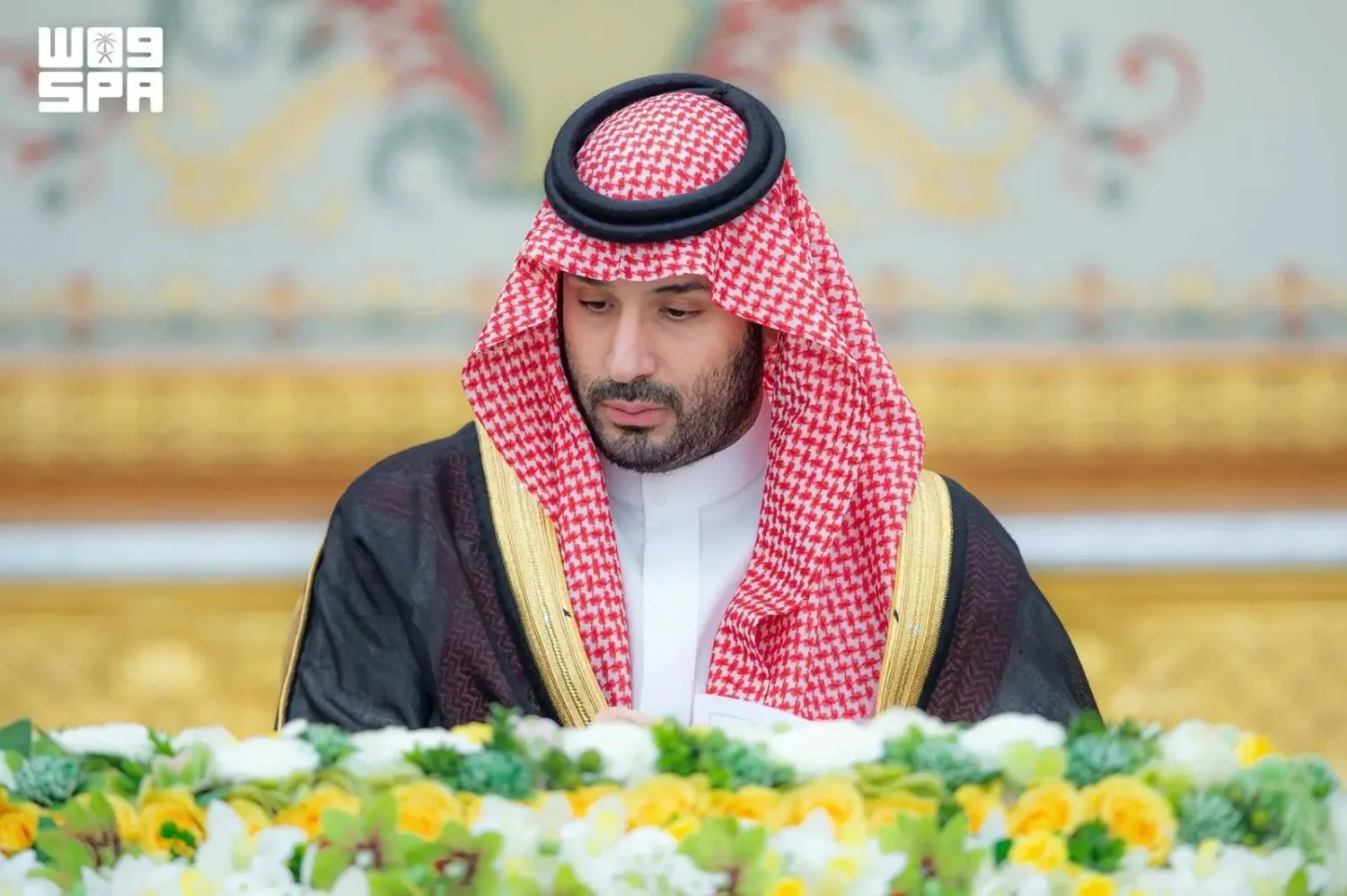
Prince Mohammed bin Salman bin Abdulaziz Al Saud, Saudi Crown Prince and Prime Minister, chairs a cabinet meeting in Riyadh on October 27. (SPA)
TT

Saudi Crown Prince Discusses Bilateral Ties with Leaders of South Korea, Romania

Prince Mohammed bin Salman bin Abdulaziz Al Saud, Saudi Crown Prince and Prime Minister, chairs a cabinet meeting in Riyadh on October 27. (SPA)

Prince Mohammed bin Salman bin Abdulaziz Al Saud, Saudi Crown Prince and Prime Minister, held on Thursday telephone talks with South Korean President Lee Jae Myung, who condemned the Houthi militia's attacks on civilian facilities in Saudi Arabia.

The two sides also discussed bilateral relations and ways to develop them across various fields.

The Crown Prince also held a phone call with President of Romania Nicusor Dan.

They discussed the latest regional and international developments and reviewed cooperation between the two countries across various sectors and ways to strengthen it.