
The Saudi government reiterated on Tuesday the Kingdom’s firm stance on regional developments and its continued support for all diplomatic efforts aimed at establishing the foundations of global peace and stability.
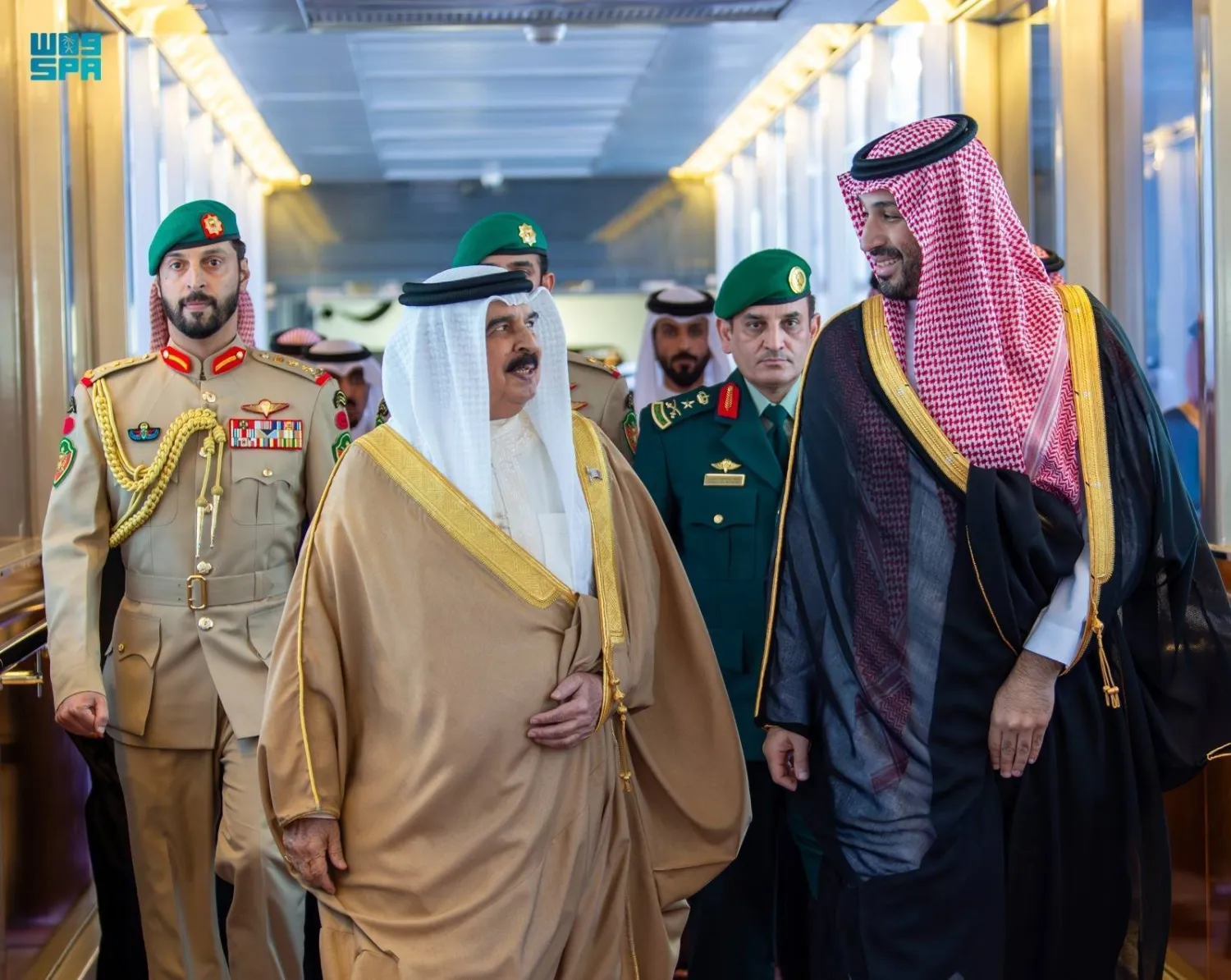
Prince Mohammed bin Salman bin Abdulaziz Al Saud, Crown Prince and Prime Minister, chaired the Cabinet meeting that was held in Jeddah.
The Crown Prince briefed the Cabinet on the message received by Custodian of the Two Holy Mosques King Salman bin Abdulaziz Al Saud from Djibouti’s President Ismail Omar Guelleh covering bilateral relations.
He informed the ministers of his consultations and discussions with Syrian President Ahmed al-Sharaa, Lebanese President Joseph Aoun, Swiss President Guy Parmelin, Ukrainian President Volodymyr Zelenskyy, Japanese Prime Minister Sanae Takaichi, Czech PM Andrej Babis and Bangladesh’s PM Tarique Rahman.
The Crown Prince expressed his gratitude to the leaders of the Gulf Cooperation Council (GCC) states for their efforts during the GCC Consultative Summit that was held in Jeddah earlier on Tuesday, saying it reflected the Kingdom's commitment to strengthening communication, consultation, and joint action to achieve regional security and stability.
The Cabinet reviewed the latest regional and international developments, particularly those in the region and their security and economic repercussions.
It discussed several reports related to domestic affairs and the various achievements realized under Saudi Vision 2030. The achievements support the development process and establish a more diversified and resilient economic model by increasing the contribution of non-oil sectors, expanding the production and investment base, launching specialized national programs and strategies to utilize resources and wealth, and enhancing the ability to adapt to global changes.
The Cabinet commended the achievements of Vision 2030 across its first and second phases as it nears its objectives in reaching its overarching goals. The percentage of indicators that achieved their annual targets reached 93% of the key performance indicators, driven by structural, economic, financial, and legislative reforms that contributed to empowering sectors, attracting investments, improving the quality of life, and consolidating the Kingdom's global standing and competitiveness.
The Cabinet stressed the importance of redoubling efforts to sustain this impact in the third phase, accelerating the pace of work, and ensuring continued progress and prosperity.
It commended government entities for their remarkable progress in the 2026 Emerging Technologies Adoption Readiness Index, highlighting their continued provision of innovative services that enhanced digital integration, increased productivity, and expedited completion while maintaining leadership in international rankings and indicators.