


UAE Says Drones Targeting Nuclear Plant Came from Iraq

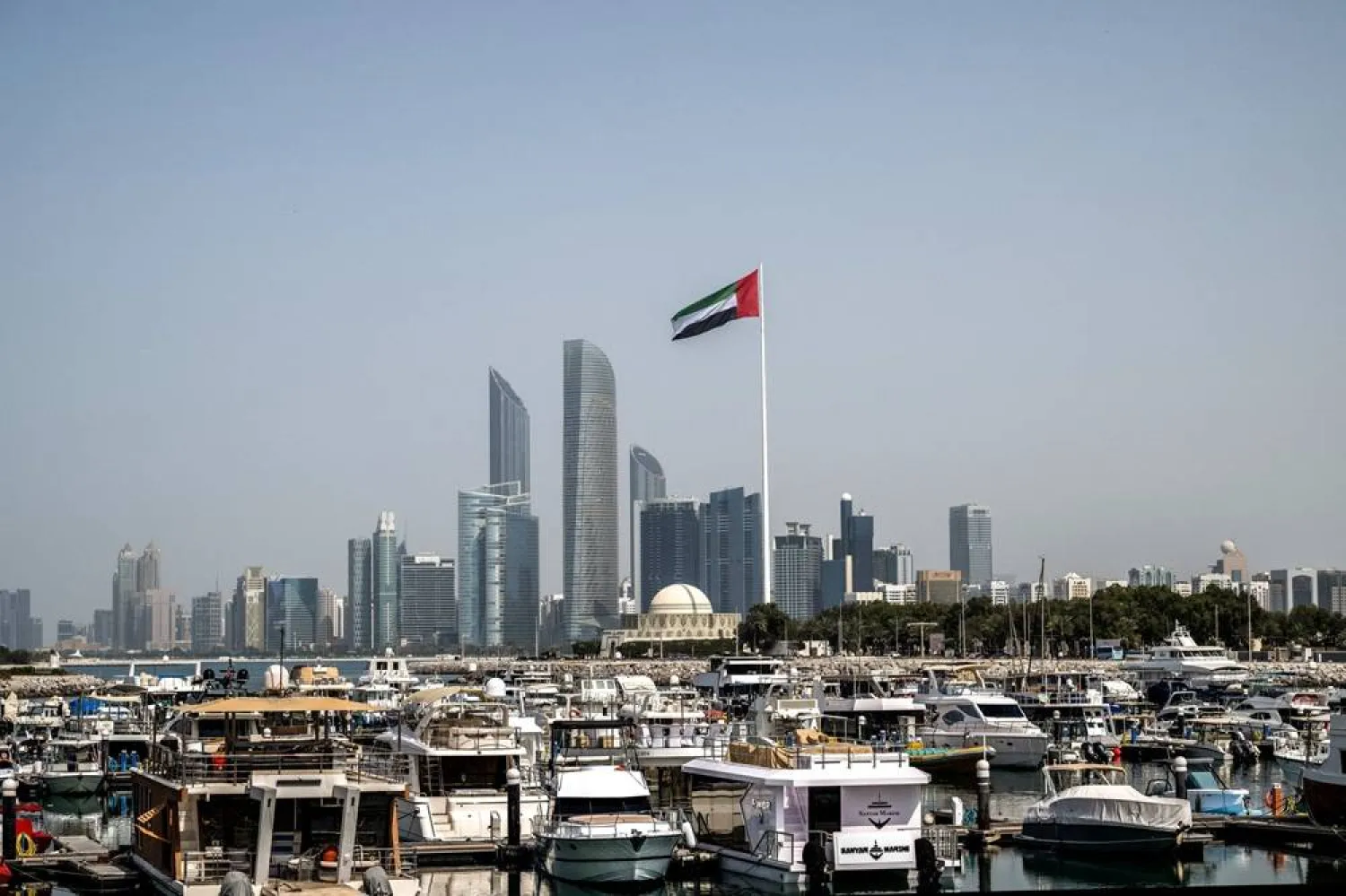
The United Arab Emirates flag flutters against the backdrop of the Abu Dhabi Skyline following a reported Iranian strike, March 1, 2026. (AFP)
TT

UAE Says Drones Targeting Nuclear Plant Came from Iraq

The United Arab Emirates flag flutters against the backdrop of the Abu Dhabi Skyline following a reported Iranian strike, March 1, 2026. (AFP)

The United Arab Emirates on Tuesday said drones that targeted its nuclear plant last week came from Iraq, from where Iranian-backed groups have launched several attacks since the Middle East war began.

On Sunday, an unclaimed drone struck an electrical generator near the Arab world's only nuclear power plant in Barakah in the emirate of Abu Dhabi, triggering a fire but causing no injuries or radiation leak. Two other drones had been intercepted.

"As part of the ongoing investigation into the blatant attack on the Barakah Nuclear Power Plant on May 17, 2026, technical tracking and monitoring confirmed that the three drones... all originated from Iraqi territory," the Emirati defense ministry said.

Authorities intercepted six drones that also came from Iraq and "attempted to target civilian and vital areas" in the past 48 hours, the ministry added.

Iraqi authorities had already condemned the attack on Barakah before Abu Dhabi announced where the drones came from.

Iran has attacked the UAE and other Gulf nations since the US and Israel launched strikes on the country on February 28, targeting US assets but also energy and civilian infrastructure.

Iran-backed groups in Iraq have not claimed any strikes since the truce came into place, though Gulf countries have reported attacks from Iraq.

On Sunday, Saudi Arabia had reported intercepting drones that came from Iraq, while Baghdad said its defense systems had not detected any drones launched from its territory toward the Kingdom.


GCC Secretary-General Condemns Iranian Attacks on Bahrain, Kuwait, and Jordan

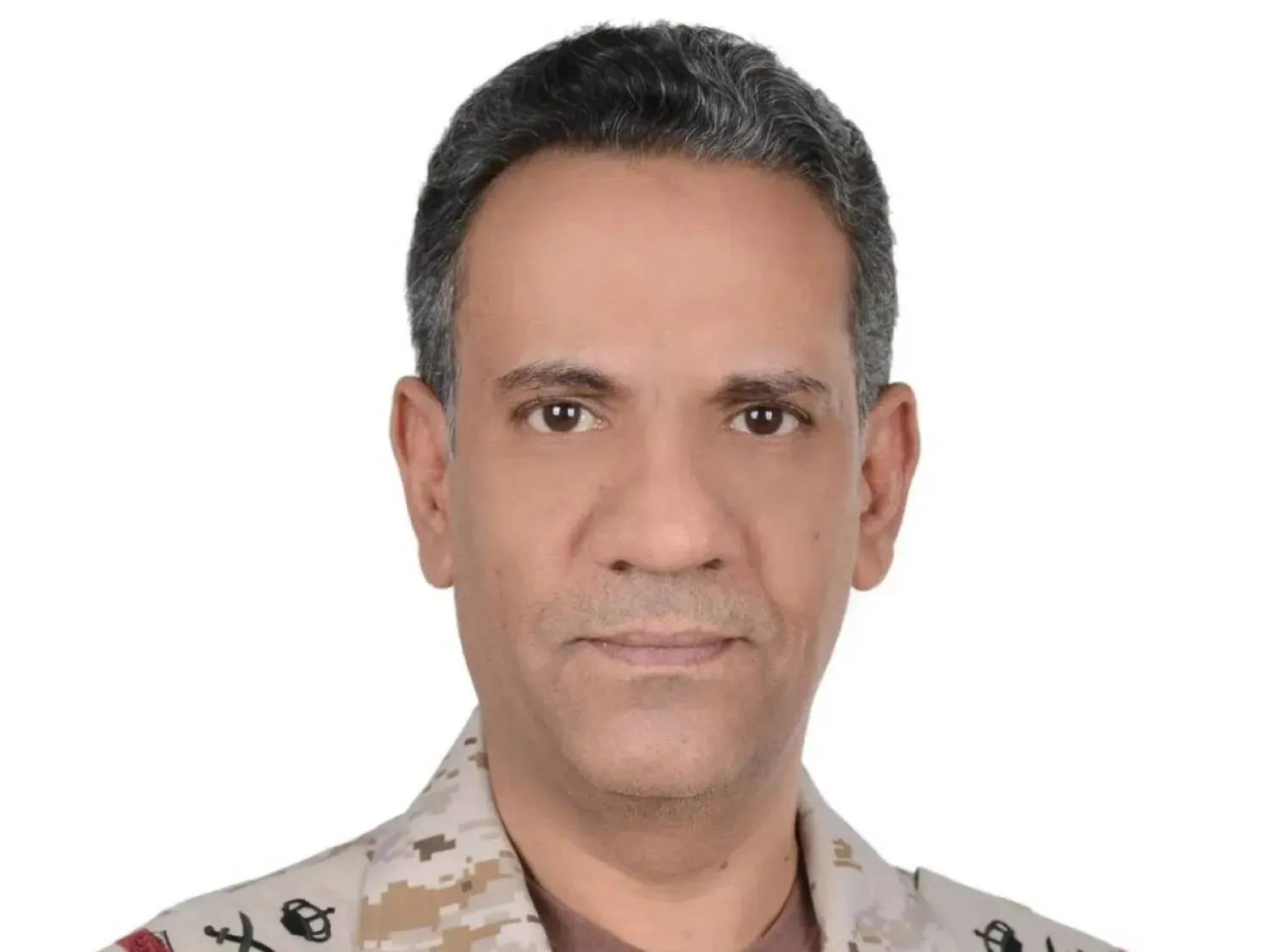
Secretary-General of the Gulf Cooperation Council (GCC) Jasem Albudaiwi. SPA
TT

GCC Secretary-General Condemns Iranian Attacks on Bahrain, Kuwait, and Jordan

Secretary-General of the Gulf Cooperation Council (GCC) Jasem Albudaiwi. SPA

Gulf Cooperation Council (GCC) Secretary-General Jasem Albudaiwi expressed his strongest condemnation of the repeated hostile Iranian attacks targeting the Kingdom of Bahrain, the State of Kuwait, and the Hashemite Kingdom of Jordan.

Albudaiwi stated that Iran's continued targeting of civilian facilities and vital infrastructure undermines international and regional efforts aimed at promoting security and peace and resolving ongoing crises, SPA reported.

He also reaffirmed the GCC’s full support for all measures taken by Bahrain, Kuwait, and Jordan to strengthen their security and protect their territorial integrity.


Saudi Arabia Condemns Iranian Attacks, Calls for Diplomatic Engagement

Firefighters work to extinguish fire in the aftermath of Iranian drone attacks, according to Bahrain's Interior Ministry, at a location given as Bahrain, in this handout image released on June 11, 2026. Ministry of Interior of the Kingdom of Bahrain/Handout via REUTERS
TT

Saudi Arabia Condemns Iranian Attacks, Calls for Diplomatic Engagement

Firefighters work to extinguish fire in the aftermath of Iranian drone attacks, according to Bahrain's Interior Ministry, at a location given as Bahrain, in this handout image released on June 11, 2026. Ministry of Interior of the Kingdom of Bahrain/Handout via REUTERS

Saudi Arabia strongly condemned on Thursday the repeated Iranian attacks on Jordan, Bahrain and Kuwait, and the continued violations of their sovereignty which “escalate tensions in the region.”

A Foreign Ministry statement called for “de-escalation, the avoidance of any further escalation, and the exercise of wisdom by returning to diplomatic engagement and continuing the constructive negotiations” sponsored by Pakistan, along with the efforts exerted by Qatar.

Such a move “spares the region and its people the consequences of the return of war and contributes to the restoration of security and stability in the region and the world,” the statement added.


Saudi Arabia Stresses Centrality of Palestinian Cause for Arab World

The Saudi flag. Asharq Al-Awsat
TT

Saudi Arabia Stresses Centrality of Palestinian Cause for Arab World

The Saudi flag. Asharq Al-Awsat

Permanent Representative of Saudi Arabia to the United Nations Dr. Abdulaziz Alwasil affirmed the centrality of the Palestinian cause for the Arab world, saying achieving a just, comprehensive, and lasting peace in the Middle East requires ending the Israeli occupation and enabling the Palestinian people to exercise their inalienable right to self-determination.

In a statement delivered on behalf of the Arab Group during a high-level Security Council meeting on the Middle East, Alwasil also referred to recent Iranian attacks targeting several Gulf states and Jordan, describing them as violations of the principles of good neighborliness, international law, and the United Nations Charter.

He stressed the need to respect state sovereignty and avoid actions that threaten regional security and stability.

He further condemned the continued Israeli aggression against Lebanon, reaffirming rejection of any violation of Lebanon’s sovereignty or targeting of its army, and stressing the importance of complying with international resolutions and respecting states’ sovereignty and territorial integrity.

Alwasil also denounced repeated Israeli incursions and attacks on Syrian territory, stressing the Arab Group’s rejection of such violations, which undermine Syria’s sovereignty and threaten regional security and stability.

He emphasized the importance of political solutions, dialogue, and mediation as the most effective means of addressing regional crises and resolving conflicts peacefully, thereby contributing to security, stability, and development for the peoples of the Middle East.