One Killed in ‘Criminal’ Iranian Attack on Kuwait, Airport Partially Resumes Flights

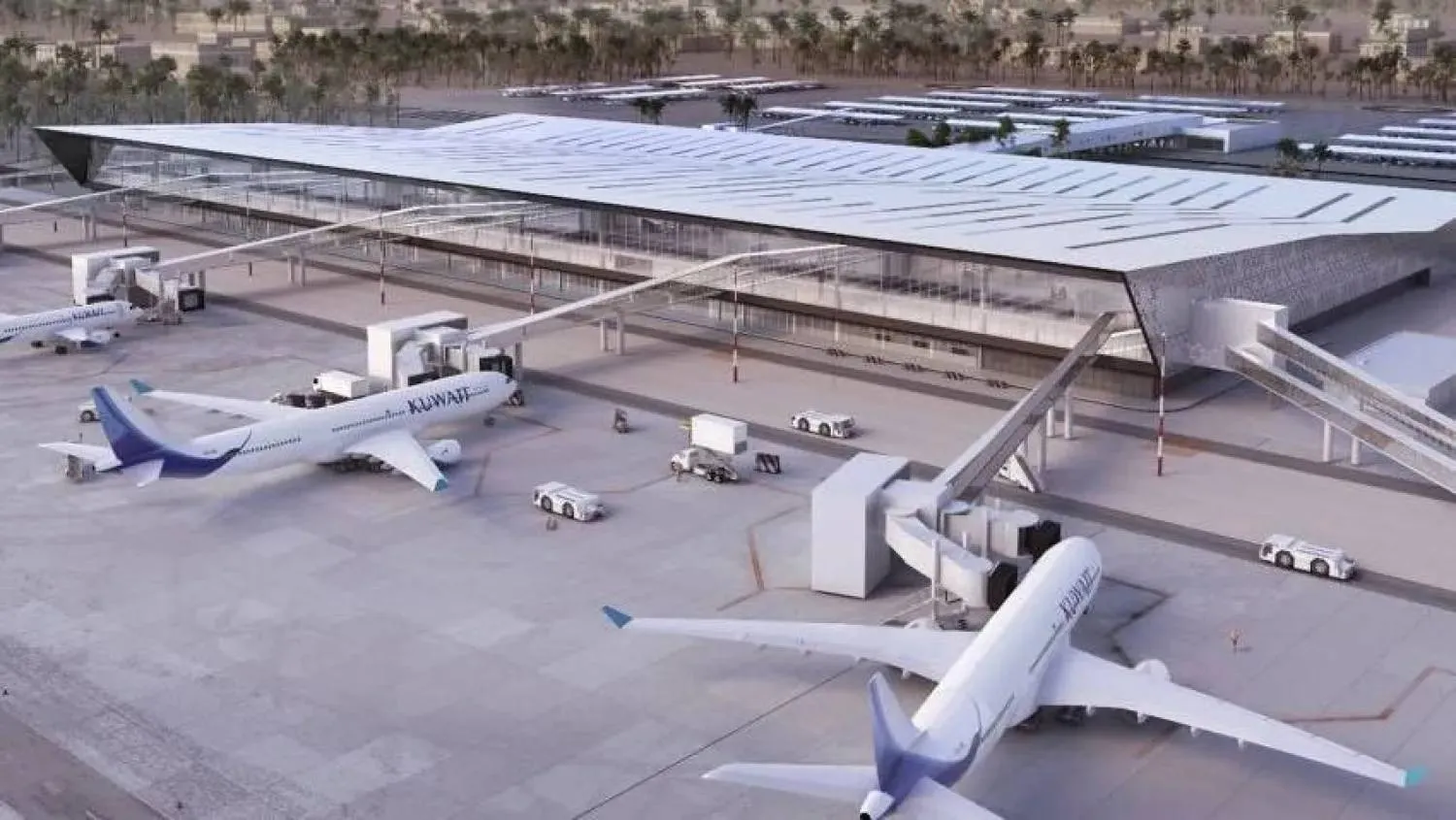
Planes are seen at Kuwait International Airport. (KUNA)
TT

One Killed in ‘Criminal’ Iranian Attack on Kuwait, Airport Partially Resumes Flights

Planes are seen at Kuwait International Airport. (KUNA)

One person was killed in an Iranian attack targeting civilian facilities in Kuwait, including the international airport and diplomatic missions, the foreign ministry said on Wednesday. 

The statement did not specify which diplomatic missions were damaged. 

Ministry of defense spokesman Brigadier General Saud Abdulaziz Al-Atwan described the attack as "criminal Iranian aggression which resulted in significant material damage to the building and injuries." 

The strike marks an escalation for the country, which had seen relative calm since a ‌ceasefire in ‌the Iran war was announced on ‌April ⁠8. Iran had ⁠launched a salvo of missiles and drones at Kuwait as well as at other Gulf states. 

The early morning attack on Kuwait International Airport injured several people and forced authorities to divert flights, the state news ⁠agency reported. The attack caused "severe damage" to ‌the airport's Terminal ‌1 building, it said, citing the General Civil Aviation ‌Authority. 

Kuwait Airways said it would reschedule its ‌Wednesday flights. Shortly afterwards, the civil aviation authority said the country's flagship carrier had resumed flights from Terminal 4, after evaluating damage and taking safety measures. 

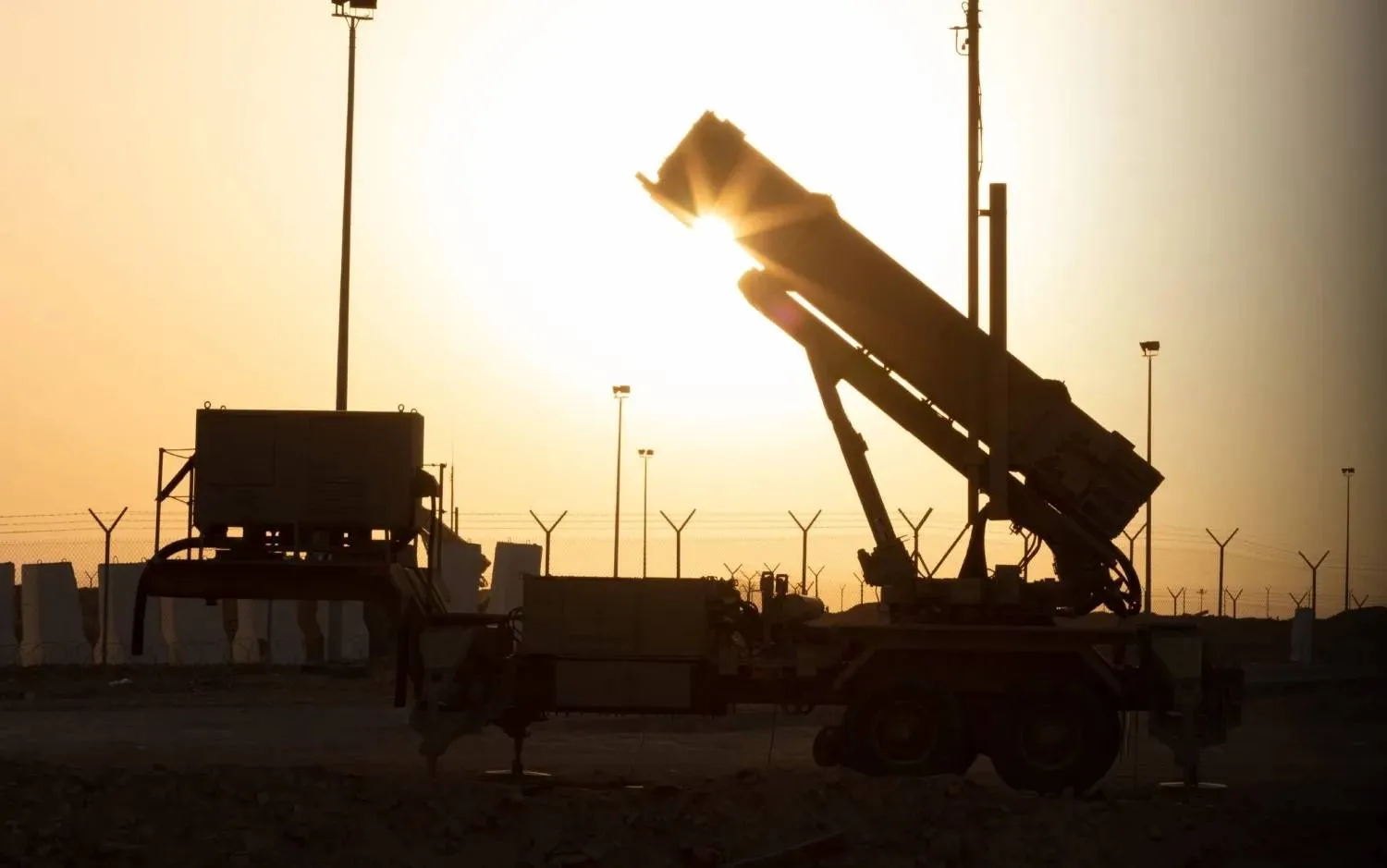
Earlier, ‌the US military said two Iranian missiles fired at Kuwait fell short or ⁠broke ⁠apart mid-flight, while three missiles launched at Bahrain were intercepted by US and Bahraini forces. 

A further wave of Iranian drones targeting US forces in Kuwait failed to hit their intended targets, Central Command said in a post on X, adding that Iranian ballistic missiles fired toward regional neighbors did not strike their targets. 

In response, US forces carried out strikes on Qeshm Island and intercepted multiple Iranian ballistic missiles and drones. 


Saudi Arabia, Türkiye Seek to Develop Defense Industries, Localize Technology

A group photo of the Saudi and Turkish delegations attending the Türkiye-Saudi Arabia Defense Industry Days in Istanbul. (Türkiye's Presidency of Defense Industries)
TT

Saudi Arabia, Türkiye Seek to Develop Defense Industries, Localize Technology

A group photo of the Saudi and Turkish delegations attending the Türkiye-Saudi Arabia Defense Industry Days in Istanbul. (Türkiye's Presidency of Defense Industries)

Saudi Arabia and Türkiye are seeking closer cooperation in defense manufacturing and local production, as growing opportunities in the sector and mounting regional challenges drive the two countries to strengthen their partnership.

Bandar Alkhorayef, Saudi minister of state, cabinet member and acting governor of the General Authority for Military Industries (GAMI), said cooperation with Türkiye had gained momentum since Riyadh unveiled its industrial and mining strategies, with both countries stepping up efforts to develop their defense industries.

Private sector takes center stage

Alkhorayef praised Türkiye's success in developing its defense industry, saying regional challenges underscored the need for closer cooperation to localize production across a range of industrial sectors.

He was speaking at the two-day Türkiye-Saudi Arabia Defense Industry Days in Istanbul, which concluded on Thursday evening after bringing together more than 100 Turkish companies and 25 Saudi firms to explore cooperation opportunities.

Alkhorayef said Saudi Arabia had made significant strides in attracting investment to its defense industry and was seeking to build on that progress through partnerships between Saudi and Turkish companies.

The event, jointly organized by Foreign Economic Relations Board of Türkiye (DEİK), Saudi Arabian Military Industries (SAMI) and defense industry cluster SAHA Istanbul, reflected growing defense ties between the two countries, particularly in manufacturing, technology transfer and local production.

It followed the signing of the Makkah Joint Defense Agreement by Saudi Arabia, Türkiye and Pakistan on Aug. 7.

Alkhorayef said private companies would spearhead investment and development in the defense sector, stressing that Saudi-Turkish cooperation rested on shared interests.

The two governments' main task was to clear the way for private investment by focusing on three priorities: identifying key areas for cooperation and investment; providing the infrastructure and financing businesses need; and securing contracts that would give companies the confidence to invest and greater visibility over future demand, he explained.

Saudi Arabia's priorities

Alkhorayef said Saudi Arabia was directing investment toward priority technologies, both for immediate needs and the near future, while underscoring the critical role of education and human capital in shaping the defense industry's future.

He said emerging technologies would significantly transform military and defense manufacturing, with skilled workers, young talent and education playing a decisive role in that shift.

Both Saudi Arabia and Türkiye have considerable opportunities in these fields, he remarked.

Alkhorayef said the Kingdom was looking to attract defense companies with established expertise and advanced technological capabilities, highlighting the role of SAMI and its RUKN Local Content Program in expanding investment and cooperation opportunities.

Speaking at SAMI's RUKN Supplier Day, held alongside the Istanbul event, Alkhorayef said Saudi Arabia was continuing, with the support of its leadership, to build advanced domestic industrial capabilities and attract high-value investment to its defense sector.

The push is aimed at meeting a key Saudi Vision 2030 target: localizing more than 50% of defense industries by 2030.

Alkhorayef said the Saudi-Turkish partnership in military manufacturing centered on close cooperation, technology and knowledge transfer, and workforce development, all aimed at advancing localization and making companies more competitive internationally.

He hoped that the growing relationship would translate into lasting investments and long-term partnerships.

Türkiye seeks deeper partnership

Haluk Gorgun, president of Türkiye's Presidency of Defense Industries (SSB), said Ankara was working to forge sustainable defense industry partnerships with Saudi Arabia by sharing expertise and expanding cooperation in technology, research and development.

He pointed to Türkiye's substantial advances in defense manufacturing over the past two decades as a foundation for closer ties.

Gorgun called for broader cooperation with Saudi Arabia across procurement, research and development, workforce training and program management.

He said the Türkiye-Saudi Arabia Defense Industry Days had placed particular emphasis on bringing small and medium-sized enterprises from both countries closer together, strengthening supply chains and opening up opportunities for joint projects.

Potential areas of cooperation include research and development, talent and skills development, management of research infrastructure and programs, improved procurement and program management, and joint investment opportunities.

Gorgun said the Presidency of Defense Industries was developing programs to connect Turkish companies with local Saudi partners, noting that successful models of cooperation were already in place.

He said Türkiye had held several similar events with Saudi Arabia over the past three years and continued to organize them. The two countries have held more than 75 meetings on defense industries during that period.


Arab Parliament Moves to Designate Houthis as a Terrorist Organization

A person passes by a display of Houthi-made mock drones and missiles at a square in Sanaa, Yemen, 08 November 2026. (EPA)
TT

Arab Parliament Moves to Designate Houthis as a Terrorist Organization

A person passes by a display of Houthi-made mock drones and missiles at a square in Sanaa, Yemen, 08 November 2026. (EPA)

The Arab Parliament has launched a broad regional and international parliamentary action plan to confront the Houthi militia and its repeated attacks against Saudi Arabia.

The initiative aims to rally a firm international stance against the group's assaults, work toward designating it as a terrorist organization, dry up its sources of funding and armament, and hold those responsible for its crimes and violations accountable under international law.

The plan tackles four main tracks, starting with the diplomatic track, which targets global decision-making capitals through direct engagement with the parliaments of the five permanent members of the UN Security Council.

The plan aims to leverage parliamentary diplomacy to rally regional and international support for designating the Houthi militia as a terrorist organization among countries and international bodies that have not yet done so, foremost among them the European Union, through direct engagement with the European Parliament presidency and the EU High Representative for Foreign Affairs and Security Policy.

It seeks to urge relevant European institutions to complete the necessary legal procedures to add the militia to the bloc's official list of terrorist organizations under established legal mechanisms, and to expand restrictive measures and sanctions against its leaders as well as entities linked to and supporting its terrorist activities.

The parliament also aims to activate international justice and legal accountability mechanisms by compiling a comprehensive, documented legal file detailing Houthi attacks and violations, which amount to full-fledged war crimes and other offenses within the jurisdiction of the International Criminal Court, and submitting a formal referral to the Office of the ICC Prosecutor.

The parliament stressed that the repercussions of Houthi attacks extend beyond threatening Saudi Arabia's security, sovereignty, and the safety of its citizens and residents. They pose a direct threat to maritime and air navigation, the stability of global energy supplies, supply chains, and international trade, undermining Arab national security, as well as regional and international peace and security.


Coalition Announces Destruction of Drone in Eastern Saudi Arabia

Civil defense teams issued early warnings in the Jazan region before lifting it minutes later. (Saudi Defense Ministry)
TT

Coalition Announces Destruction of Drone in Eastern Saudi Arabia

Civil defense teams issued early warnings in the Jazan region before lifting it minutes later. (Saudi Defense Ministry)

The Coalition to Support Legitimacy in Yemen announced on Friday the destruction of a drone fired at Saudi Arabia’s Eastern Region.

The Iran-backed terrorist Houthi militia had earlier fired four drones at the Riyadh and Eastern Regions that were downed by the coalition.

Civil defense teams issued early warnings in the Jazan region before lifting it minutes later.

The UN Security Council had on Thursday condemned the Houthi attacks on Saudi Arabia and their threats to commercial vessels in the Bab al-Mandeb Strait and Red Sea, underscoring the Kingdom’s right to defend itself.

The Council also adopted a resolution calling for intensified efforts to combat the smuggling of weapons to the Houthi militia by land and sea, and for tighter controls on supplying them with drone and ballistic missile components, tasking the Panel of Experts with tracking the Houthis' sources of funding and revenues.

Resolution 2837 was welcomed by the Gulf and praised for Britain's efforts in drafting it. Gulf Cooperation Council (GCC) Secretary-General Jasem Albudaiwi described the resolution as an important step toward strengthening the international stance rejecting treacherous Houthi attacks.

He stressed the need to translate the resolution into a tangible commitment that halts these attacks, protects civilian lives and facilities, and puts an end to threats to regional security and the safety of international navigation.

He reiterated Gulf support for all efforts backing the legitimate Yemeni government to preserve Yemen's sovereignty, unity, security, and stability, and to fulfill its people's aspirations for peace and development.