


Iran Attacks on Gulf States Surpass 7,000

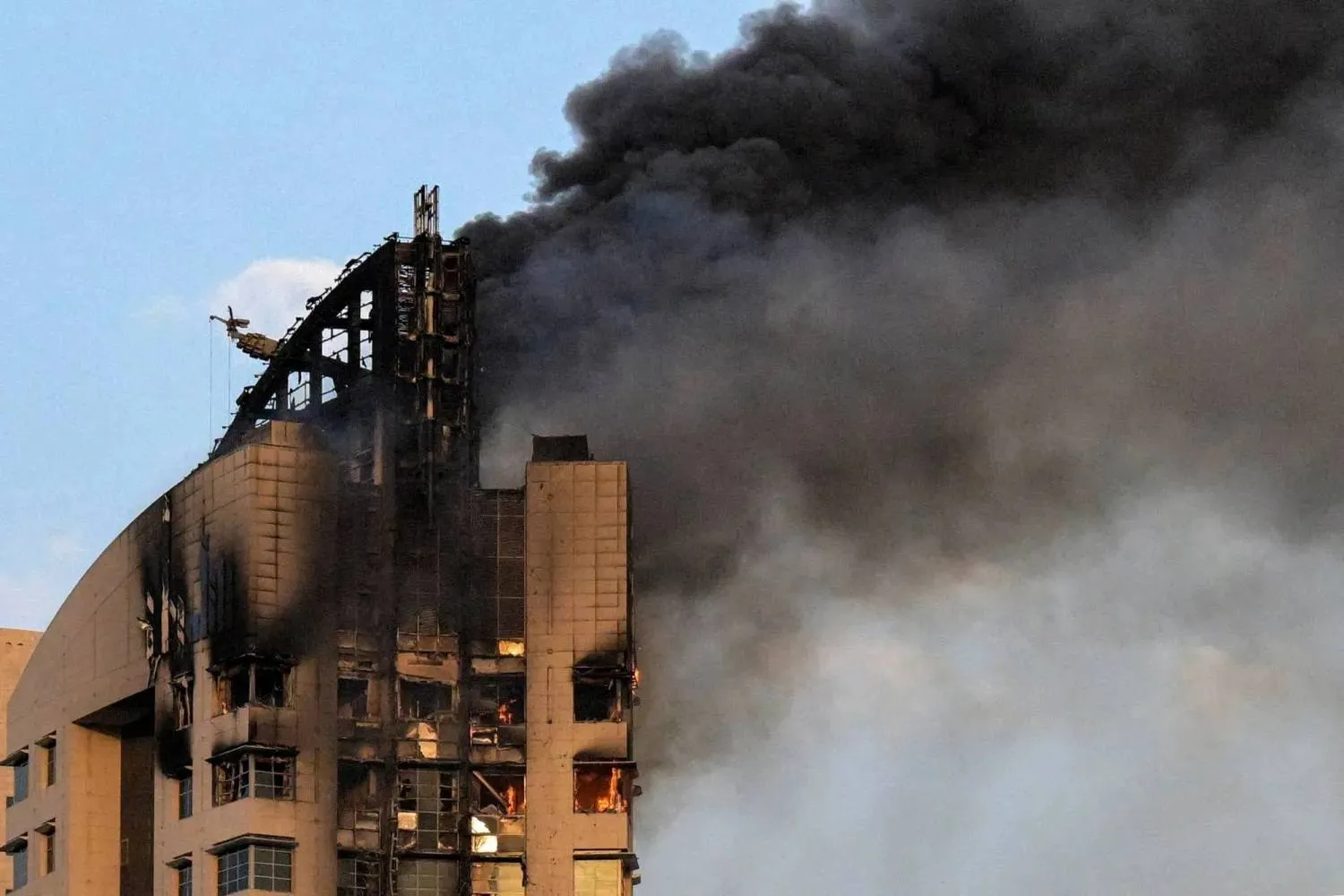
Smoke rises from a building in Kuwait following an Iranian attack. (AFP file)
TT

Iran Attacks on Gulf States Surpass 7,000

Smoke rises from a building in Kuwait following an Iranian attack. (AFP file)

Iranian attacks on Gulf states have reached new levels since the war began, with Kuwait emerging as one of the countries most heavily targeted in recent weeks.

The attacks have continued despite a ceasefire between Iran and the United States, mediated by Pakistan, that has been in place since last April.

According to a tally by Asharq Al-Awsat following the two latest attacks on Kuwait, on May 28 and again on Monday, and based on official data and statements issued by Gulf Cooperation Council states, Iranian attacks on Gulf countries from the start of the war in February through early June 2026 totaled about 7,028. They included around 1,716 missiles and 5,311 drones.

The figures show that drones accounted for the bulk of Iran’s attacks with more than 5,000 launched, compared with over 1,700 missiles. The pattern points to Tehran’s growing reliance in recent months on low-cost, high-volume attacks.

The attacks have persisted despite the truce. More than 215 Iranian attacks have been recorded since the ceasefire was announced on April 8, underscoring continued security tensions in the region. Gulf air defenses have intercepted and destroyed most of the attacks.

According to the tally, the United Arab Emirates recorded the highest number of attacks, with 2,846, followed by Saudi Arabia with 1,234. Kuwait was third with 1,194 attacks, reflecting the recent surge in strikes targeting the country.

Qatar was fourth with 737 attacks, followed by Bahrain with 700, while Oman recorded the fewest with 26.

The figures come after Kuwait was hit by fresh attacks in recent days, prompting several Gulf states to condemn the strikes and declare their solidarity with Kuwait.

The continued attacks have also raised warnings that they threaten regional stability and undermine efforts to consolidate the ceasefire.

Kuwait said on Monday that its air defenses had repelled missile and drone attacks targeting the country, activated emergency procedures, and sounded sirens in several areas.

The Kuwaiti Foreign Ministry held Iran fully responsible and said Kuwait reserved the right to take all necessary measures to defend its security and sovereignty.

The Kuwait News Agency, KUNA, said Kuwaiti air defenses had intercepted hostile missiles and drones, as sirens sounded across the country. It did not immediately provide further details on the targets or the extent of any possible damage.

After the attacks, the Kuwaiti Foreign Ministry issued a strongly worded statement condemning what it called “sinful and repeated Iranian attacks.”

It said the attacks represented “a dangerous escalation and a direct assault on the security and stability of the State of Kuwait,” as well as a direct threat to civilians and vital facilities.

The ministry said the attacks violated international law, the United Nations Charter, and UN Security Council resolutions, adding that their continuation undermined efforts to reduce tensions and contain the fallout from the escalating regional crisis.

Saudi Arabia also strongly condemned the repeated Iranian attacks on Kuwait. In a statement, it said, “the Kingdom stresses its categorical rejection of these attacks, which violate the sovereignty of Kuwait in a clear breach of international law and the United Nations Charter.”

It said the violations undermined international efforts to restore security and stability in the region. Saudi Arabia expressed solidarity with Kuwait’s government and people and renewed its full support for all measures Kuwait takes to preserve its sovereignty, security, and stability.

GCC Secretary-General Jassem Albudaiwi condemned the continued “hostile Iranian attacks” targeting Kuwait, describing them as a dangerous and irresponsible escalation, a blatant violation of Kuwait’s sovereignty and international laws and norms, and a direct threat to regional security and stability.

Albudaiwi said the continued attacks reflected an unacceptable Iranian approach that undermined efforts to preserve security and stability.

He called on the international community and the UN Security Council to assume their responsibilities and take a firm, deterrent stance against violations that threaten regional and international peace and security.

The GCC secretary-general stressed that Kuwait’s security was an integral part of the security of all GCC states.

The United Arab Emirates strongly condemned the Iranian “terrorist attacks” that targeted Kuwait with missiles and drones. In a statement, the UAE Foreign Ministry said the attacks were a flagrant violation of its sovereignty and a threat to its security and stability.

Abu Dhabi expressed its full solidarity with Kuwait and its support for all measures aimed at preserving Kuwait’s security and stability.



GCC Launches Platform for Unified Review of Gulf Legislation

Secretary General of the Gulf Cooperation Council (GCC) Jasem Albudaiwi (4th from right) and other officials are seen at Sunday's launch. (GCC)
TT

GCC Launches Platform for Unified Review of Gulf Legislation

Secretary General of the Gulf Cooperation Council (GCC) Jasem Albudaiwi (4th from right) and other officials are seen at Sunday's launch. (GCC)

Secretary General of the Gulf Cooperation Council (GCC) Jasem Albudaiwi launched on Sunday the "Gulf Legislation Platform" that allows the review of unified Gulf legislation issued within the framework of joint Gulf action.

It provides a unified electronic reference that helps in supporting legislative and legal work across Gulf countries, said a statement by the GCC General Secretariat.

During the launch at the General Secretariat headquarters, Albudaiwi hailed the efforts of those in charge of the initiative, which came in implementation of the decision of the Standing Committee of Officials of Legislation Departments in the GCC States at its 19th meeting.

The committee had approved the General Secretariat's proposal to establish this specialized platform to streamline access to unified Gulf and national legislation.

The platform provides advanced search services that enable government and legal entities in the member states, alongside specialists, researchers, and those interested in legislative affairs, to access and review unified Gulf legislation and national legislation with efficiency and ease.

This boosts the exchange of legal expertise and supports legislative coordination and integration among the Council states. The platform currently boasts more than 24,700 legal and legislative documents.

The first phase of the project covers Bahrain and Oman, while the relevant authorities at the General Secretariat continue to work on completing the link with the remaining member countries.


KSrelief's Masam Project Clears 2,045 Mines across Yemen in One Week

The Saudi Project for Landmine Clearance (Masam) in Yemen cleared 2,045 mines from various regions of Yemen during the second week of June 2026. (SPA)
TT

KSrelief's Masam Project Clears 2,045 Mines across Yemen in One Week

The Saudi Project for Landmine Clearance (Masam) in Yemen cleared 2,045 mines from various regions of Yemen during the second week of June 2026. (SPA)

The Saudi Project for Landmine Clearance (Masam) in Yemen, implemented by the King Salman Humanitarian Aid and Relief Center (KSrelief), cleared 2,045 mines from various regions of Yemen during the second week of June 2026, the Saudi Press Agency said on Monday.

The clearance operations included 98 anti-tank mines, 18 anti-personnel mines, 1,927 unexploded ordnance items, and two improvised explosive devices (IEDs).

This brings the number of mines cleared since the beginning of June to 2,843, while the total removed since the launch of the Masam project has reached 567,182.

These mines had been indiscriminately planted across various parts of Yemen, posing a threat to civilians, including children, women, and the elderly.

Through KSrelief, Saudi Arabia continues to support mine-clearance operations across Yemen under the Masam project, helping to protect civilians from the dangers posed by landmines and explosive remnants of war


Kuwait Withdraws Citizenship from 2,192 People and Their Dependents

The official gazette Kuwait Alyawm published the names of 2,192 people whose Kuwaiti citizenship was withdrawn, as well as those who may have acquired it through dependency on them (Asharq Al-Awsat).
TT

Kuwait Withdraws Citizenship from 2,192 People and Their Dependents

The official gazette Kuwait Alyawm published the names of 2,192 people whose Kuwaiti citizenship was withdrawn, as well as those who may have acquired it through dependency on them (Asharq Al-Awsat).

Kuwaiti authorities have withdrawn citizenship from 2,192 people, as well as those who acquired it through dependency on them, and revoked the citizenship of one person.

The official gazette Kuwait Alyawm published the names of 2,192 people whose Kuwaiti citizenship was withdrawn, along with those who may have acquired citizenship through dependency on them. It also published a decree revoking the citizenship of one person.

The names were listed in eight decrees.

Decree No. 90 of 2026 provided for the withdrawal of citizenship from 26 people, while Decree No. 91 provided for the withdrawal of citizenship certificates from five people.

Decree No. 92 provided for the withdrawal of citizenship from 1,594 people, while Decree No. 93 provided for the withdrawal of citizenship from 491 people.

Decree No. 94 provided for the revocation of Kuwaiti citizenship from one person.

Decree No. 95 provided for the withdrawal of citizenship certificates from four people, while Decree No. 96 provided for the withdrawal of citizenship from two people.

Decree No. 97 provided for the withdrawal of Kuwaiti citizenship from 70 people.