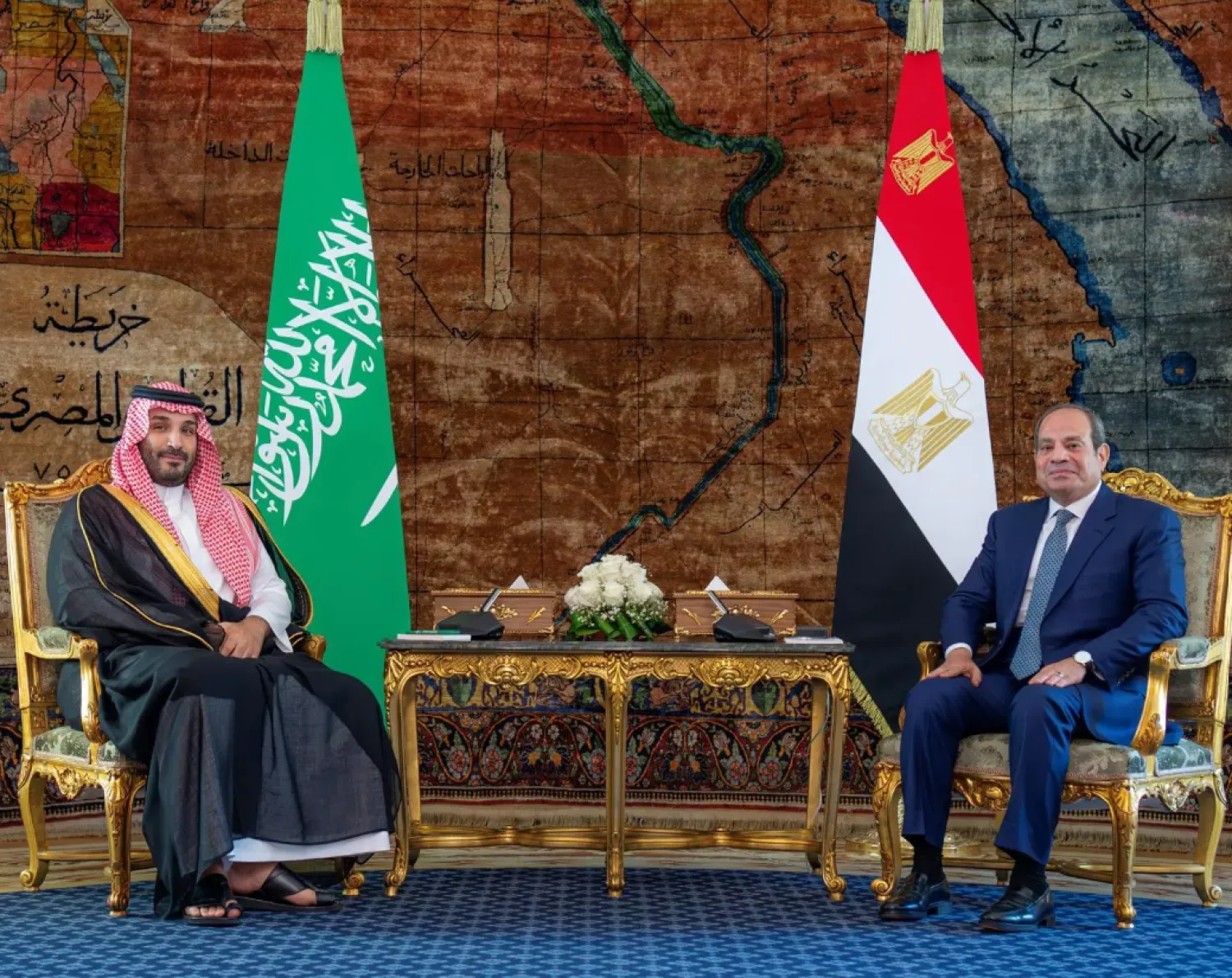

The Saudi government stressed on Tuesday the importance of restoring freedom of navigation in the Strait of Hormuz to the way it was before the eruption of the US-Israel war on Iran on February 28.
It hoped that peace would be restored to bolster regional and global security and that it would take into account the security interests of countries in the region, including non-interference in their internal affairs.
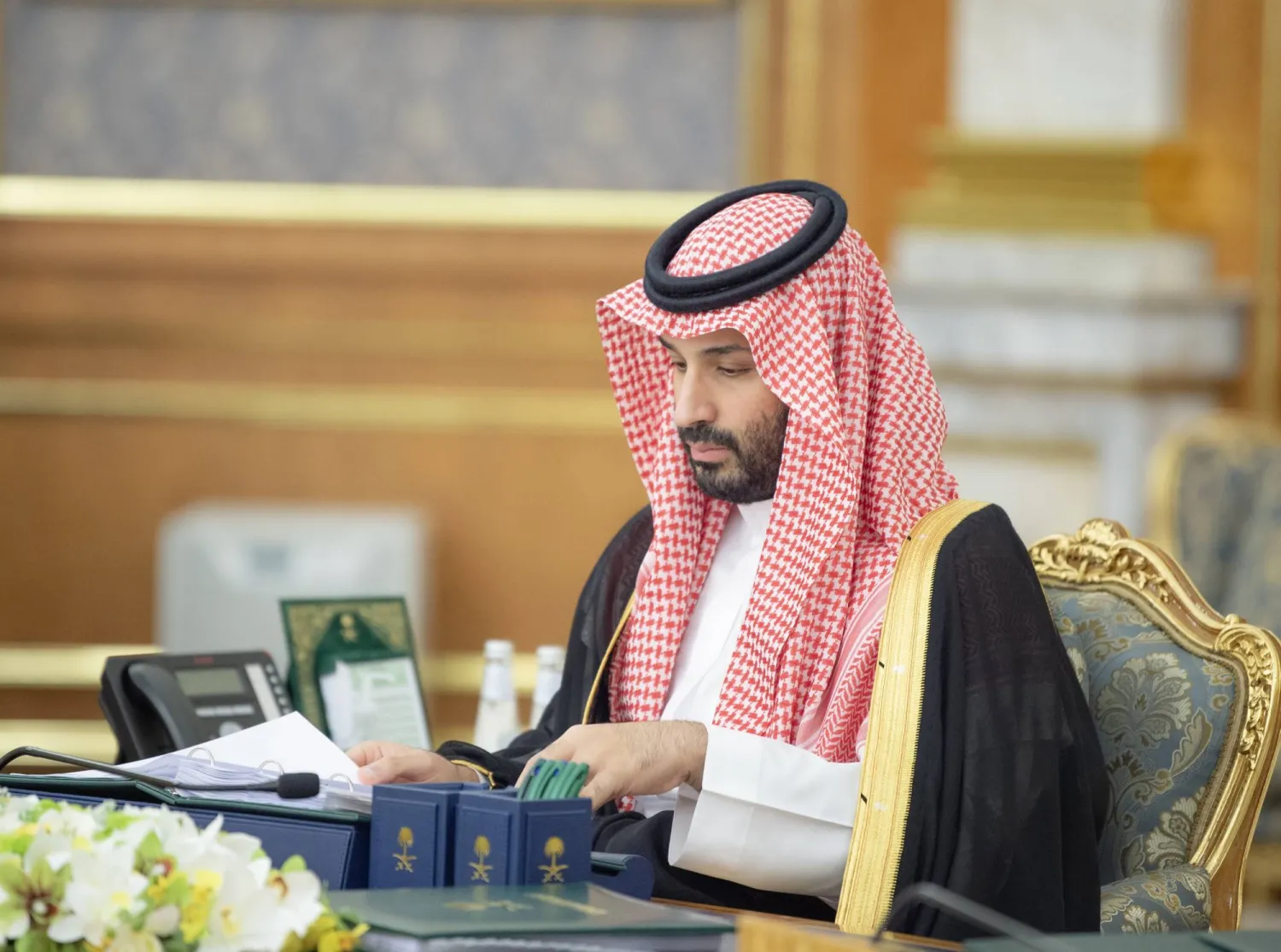
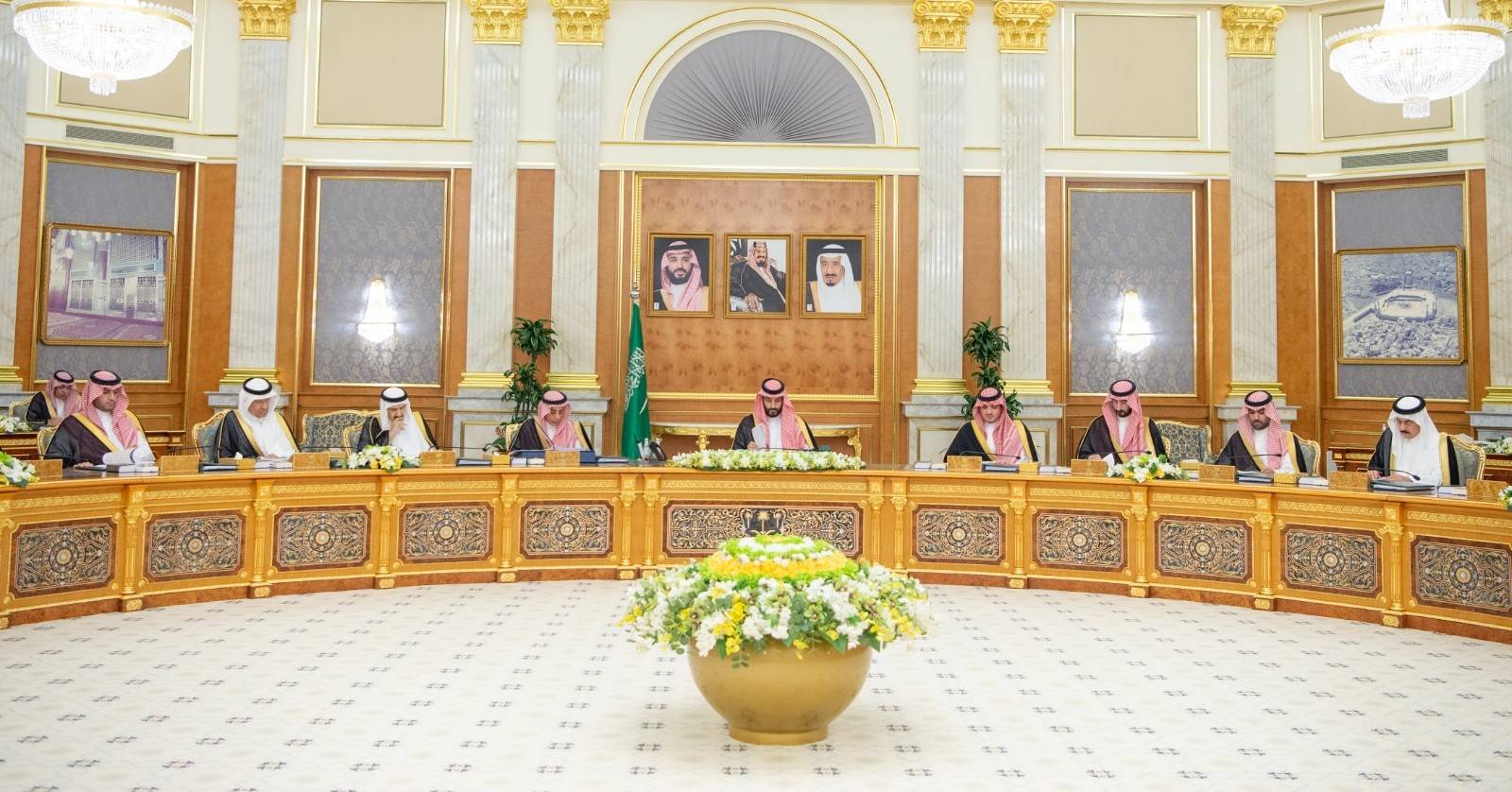
Prince Mohammed bin Salman bin Abdulaziz Al Saud, Crown Prince and Prime Minister, chaired the Cabinet session that was held in Jeddah.
The Cabinet welcomed the agreement reached between the US and Iran to end military operations and begin negotiations aimed at securing a permanent agreement. It also expressed appreciation for Pakistan and Qatar's mediation efforts in this regard.
Turning to the recent Hajj, the Cabinet expressed praise and thanks to Almighty Allah for bestowing upon Saudi Arabia the honor of serving the Two Holy Mosques and their visitors, and for the remarkable success and meticulous organization achieved during this year’s pilgrimage.
Through integrated efforts, the Kingdom enabled more than 1.7 million pilgrims to perform their rituals in comfort and tranquility, further reinforcing its position as a leading global model in crowd management and the delivery of the highest-quality services to the pilgrims, in accordance with a comprehensive institutional approach founded on planning, data, and advanced technologies.
The Cabinet expressed its appreciation to the Supreme Hajj Committee and all entities involved in the pilgrim service ecosystem for their efforts and dedication in carrying out this great responsibility. Their high levels of coordination, integration, and readiness contributed to achieving the objectives of the security, preventive, organizational, and service plans, while mobilizing all available resources and capabilities to care for pilgrims from their arrival in the Kingdom until their safe return to their home countries.
The Cabinet reviewed discussions and consultations held over the past week between Saudi Arabia and a number of brotherly and friendly countries. The engagements aimed to strengthen relations and advance bilateral and multilateral cooperation and coordination across various fields in a manner that serves common interests, while supporting international efforts to reinforce regional and international security and stability.
The Cabinet said that the selection of Riyadh as the headquarters of the first cybersecurity office established by the United Nations Institute for Training and Research (UNITAR) reflects Saudi Arabia’s leadership in cybersecurity. It underscores the Kingdom’s efforts and initiatives to promote stability in cyberspace and support societal prosperity and economic growth.
These efforts have helped position the Kingdom as a leading destination for regional and international organizations operating in this vital sector, said the Cabinet.
It also welcomed the statement by International Monetary Fund (IMF) experts following the conclusion of the 2026 Article IV consultation discussions, which reaffirmed the strength and resilience of the Saudi economy in the face of regional developments.
The statement cited the Kingdom’s strong economic fundamentals, ample reserves, diversified oil and logistics infrastructure, and continued reforms under Saudi Vision 2030.
The Cabinet praised the achievements of the National Transformation Program in 2025, coinciding with the completion of 71% of its implementation initiatives. The initiatives aim to protect the environment, ensure sustainable food and water security, support community development, strengthen the non-profit sector, expand workforce participation among various segments of society, and enhance labor market attractiveness. They also help boost private-sector participation, deepen economic partnerships, and promote excellence in government performance.
The Cabinet highlighted the gains achieved by the Human Capability Development Program in advancing the education and training ecosystem, boosting the competitiveness of Saudi talent locally and globally, fostering a culture of creativity and innovation, expanding the use of modern technologies, and strengthening the Kingdom’s national identity and cultural presence.