
Egypt will host a four-way meeting with the foreign ministers of Saudi Arabia, Türkiye and Pakistan, days after Washington and Tehran finalized a memorandum of understanding to stop the war that began in late February.
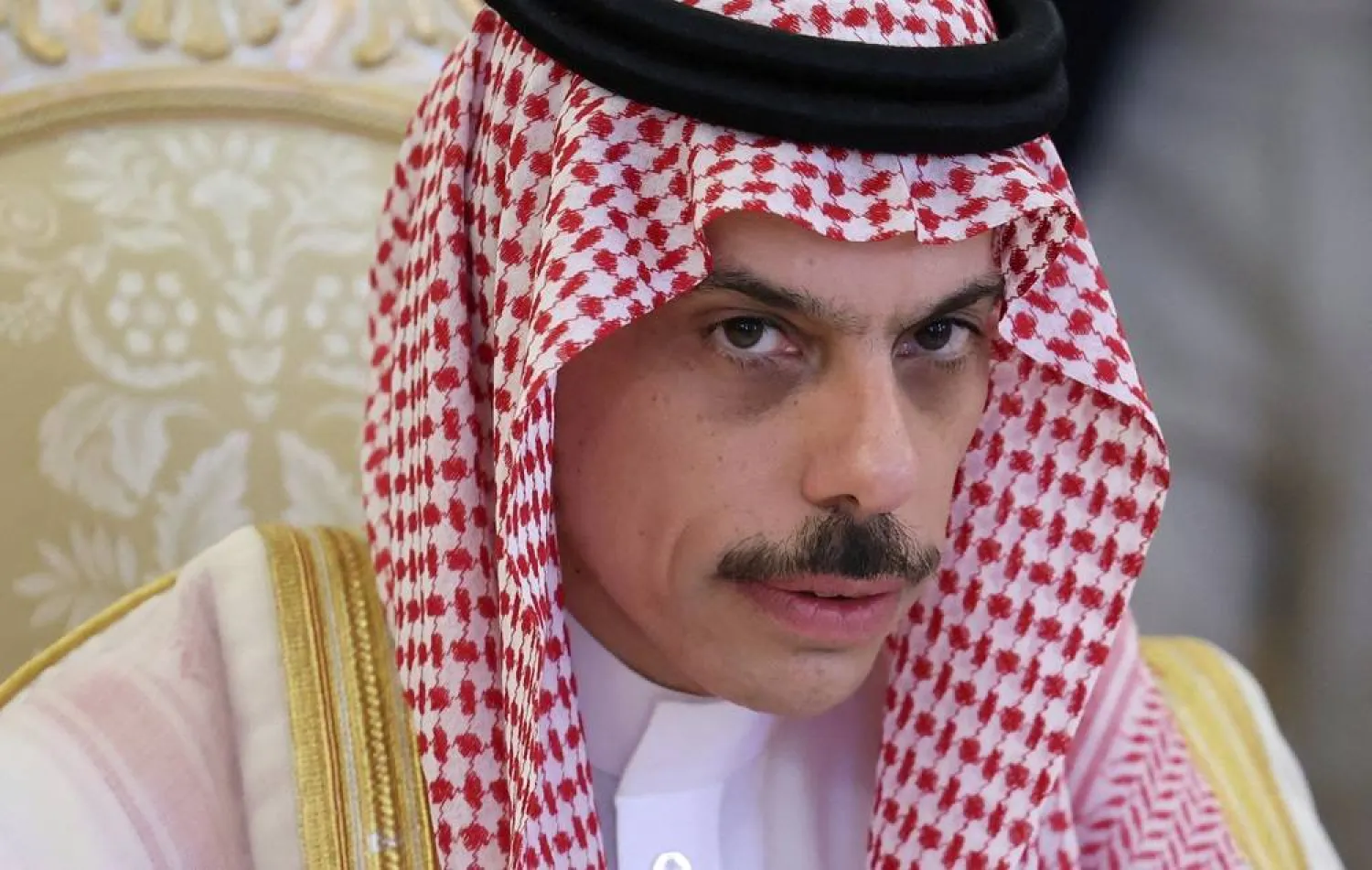
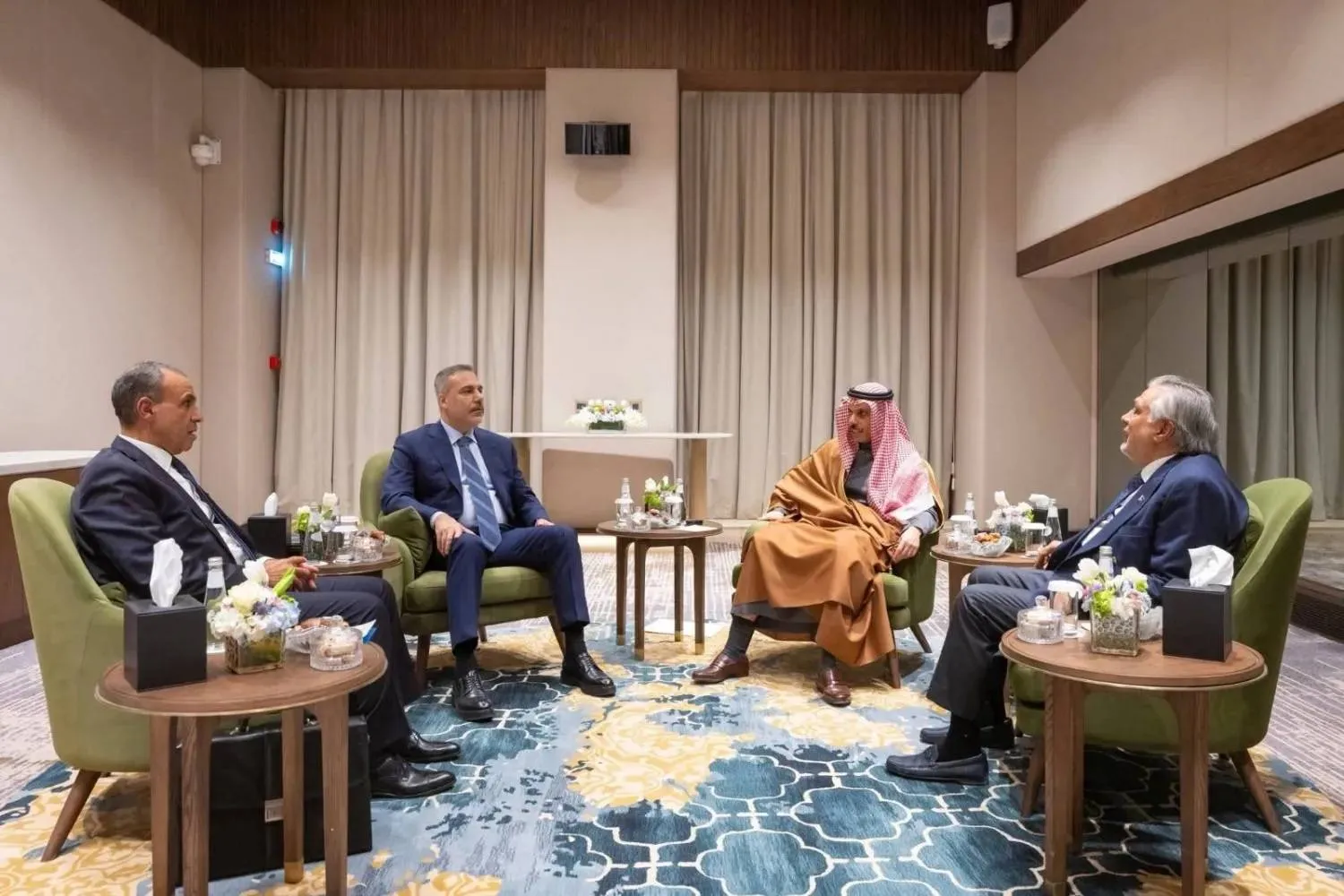
Egyptian Foreign Minister Badr Abdelatty will meet his Saudi counterpart, Prince Faisal bin Farhan, Türkiye’s Hakan Fidan and Pakistan’s Mohammad Ishaq Dar in Cairo on Sunday for a four-way meeting, Egypt’s state news agency reported late on Thursday.
The talks will be followed by an expanded session and a press conference.
A former Egyptian diplomat told Asharq Al-Awsat the meeting would focus on “ways to consolidate cooperation, deepen partnership and coordinate on regional issues, complete efforts to cement de-escalation in the region, and narrow differences during the next 60 days of negotiations between Washington and Tehran.”
The quartet played a prominent role in reaching the US-Iran agreement days ago. Its efforts formally began with a meeting in March in the Saudi capital, Riyadh, followed by meetings in Islamabad and Antalya as part of efforts to end the Iran war.
The meeting comes two days after the Swiss government said negotiations between the United States and Iran, due to begin on Friday in Switzerland, had been postponed indefinitely.
The announcement came hours after a planned visit by US Vice President JD Vance was canceled.
Iranian Supreme Leader Mojtaba Khamenei said earlier on Thursday that he had approved the memorandum of understanding signed by Washington and Tehran, despite expressing reservations about it.
US forces said they had lifted a naval blockade on Iranian ports after the memorandum was signed by the US and Iranian presidents on Wednesday.
Ambassador Mohamed Hegazy, a member of the Egyptian Council for Foreign Affairs and a former assistant foreign minister, told Asharq Al-Awsat the call for the four-way meeting marked an important step in regional consultations at a time of deep strategic shifts in the Middle East.
He cited the ceasefire, the containment of the US-Iran military confrontation, and the risks of the continuing war in Gaza and its impact on regional security and stability.
He said the “consultative quartet” of influential regional states had “proved its presence as an effective regional and international framework capable of addressing problems and issues in coordination with regional states and major powers to calm regional conditions and deal with their problems.”
Hegazy said the meeting’s importance went beyond traditional political coordination. He expected the agenda to include support for consolidating the “Washington-Tehran agreement,” continuing negotiations, discussing Gaza and Lebanon, and backing efforts to secure a sustainable regional calm.
The meeting is also expected to “open the door to deepening partnership and coordination among the quartet, and to studying the possibility of holding a regional or international conference on security and cooperation in the Middle East, similar to successful experiences in other regions,” Hegazy said.
Such a conference, he said, would aim to draft a declaration of principles governing regional relations and establish institutional mechanisms for dialogue, dispute settlement, and stronger economic, security and humanitarian cooperation among the region’s countries.
Egypt’s Foreign Ministry said on Friday that Abdelatty held separate phone calls with Pakistan’s Mohammad Ishaq Dar and Iranian Foreign Minister Abbas Araghchi to discuss regional developments after the US-Iran memorandum of understanding.
An official statement said the Egyptian and Pakistani ministers stressed “the importance of continuing coordination and joint consultation in the coming phase to ensure the implementation of the memorandum of understanding and reach a final and sustainable agreement that takes into account the interests and concerns of all parties and strengthens diplomatic solutions, in a way that achieves security and stability in the region.”
In his call with Araghchi, Abdelatty expressed hope that the memorandum of understanding would become “an important turning point in support of security and stability in the region, and contribute to opening the way to addressing all issues through dialogue and diplomatic means.”
He also voiced hope for a final and sustainable agreement that addresses the concerns of all parties and supports efforts to achieve lasting security and stability in the region.
Hegazy said it was important to maintain “serious dialogue among the main regional powers over the shape of the regional order that should govern relations among the countries of the region in the next phase, ensuring a shift from the logic of managing successive and recurring crises to building a stable system of security, cooperation and development.”
The current phase requires “the formulation of mutual understandings with Iran on the security of the Arabian Gulf, in a way that reassures all parties and lays the foundation for normal relations based on good neighborliness, common interests, and the non-use or threat of force,” Hegazy said.
He also called for strengthening political and security dialogue mechanisms to prevent the region from returning to cycles of escalation and confrontation, and for building frameworks to manage cooperation and development among the region's countries across various fields.