Saudi Arabia Reiterates Solidarity with Kuwait, Bahrain after Latest Iranian Attacks

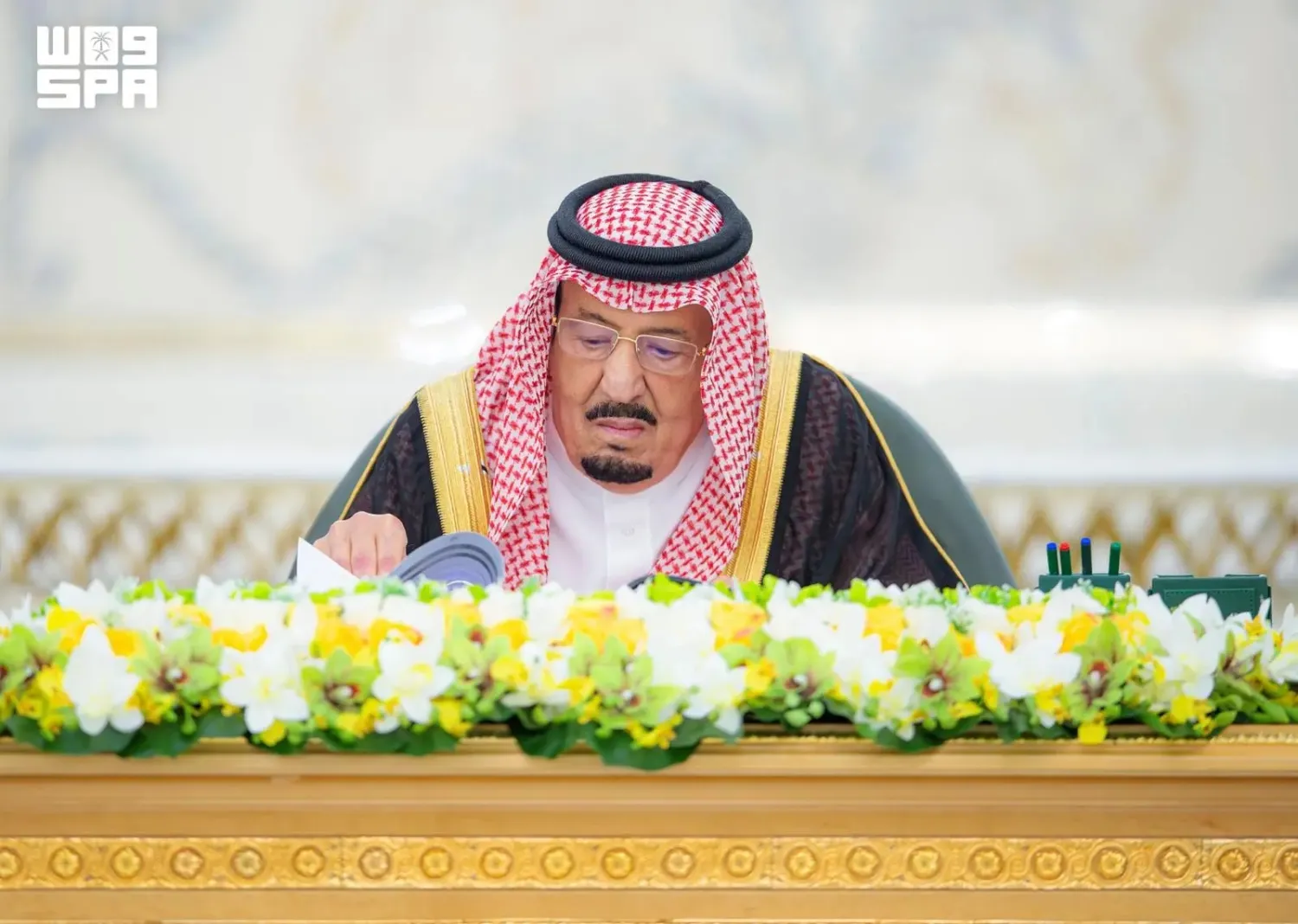
Custodian of the Two Holy Mosques King Salman bin Abdulaziz Al Saud chairs the Cabinet meeting in Jeddah on Tuesday. (SPA)
TT

Saudi Arabia Reiterates Solidarity with Kuwait, Bahrain after Latest Iranian Attacks

Custodian of the Two Holy Mosques King Salman bin Abdulaziz Al Saud chairs the Cabinet meeting in Jeddah on Tuesday. (SPA)

The Saudi government reiterated on Tuesday the Kingdom’s condemnation of the continued hostile Iranian attacks on Kuwait and Bahrain, as well as those targeting maritime security and freedom of navigation in the Strait of Hormuz.

The Cabinet said the attacks are a violation of international law and the United Nations Charter. It reaffirmed the Kingdom’s solidarity with Kuwait and Bahrain and its full support for all measures they take to safeguard their sovereignty and security.

Custodian of the Two Holy Mosques King Salman bin Abdulaziz Al Saud chaired the Cabinet meeting that was held in Jeddah.

At the outset of the session, the Cabinet was briefed on the telephone call Prince Mohammed bin Salman bin Abdulaziz Al Saud, Crown Prince and Prime Minister, received from French President Emmanuel Macron. They reviewed areas of mutual cooperation between their countries, regional and international developments, and diplomatic efforts to de-escalate tensions in the region.
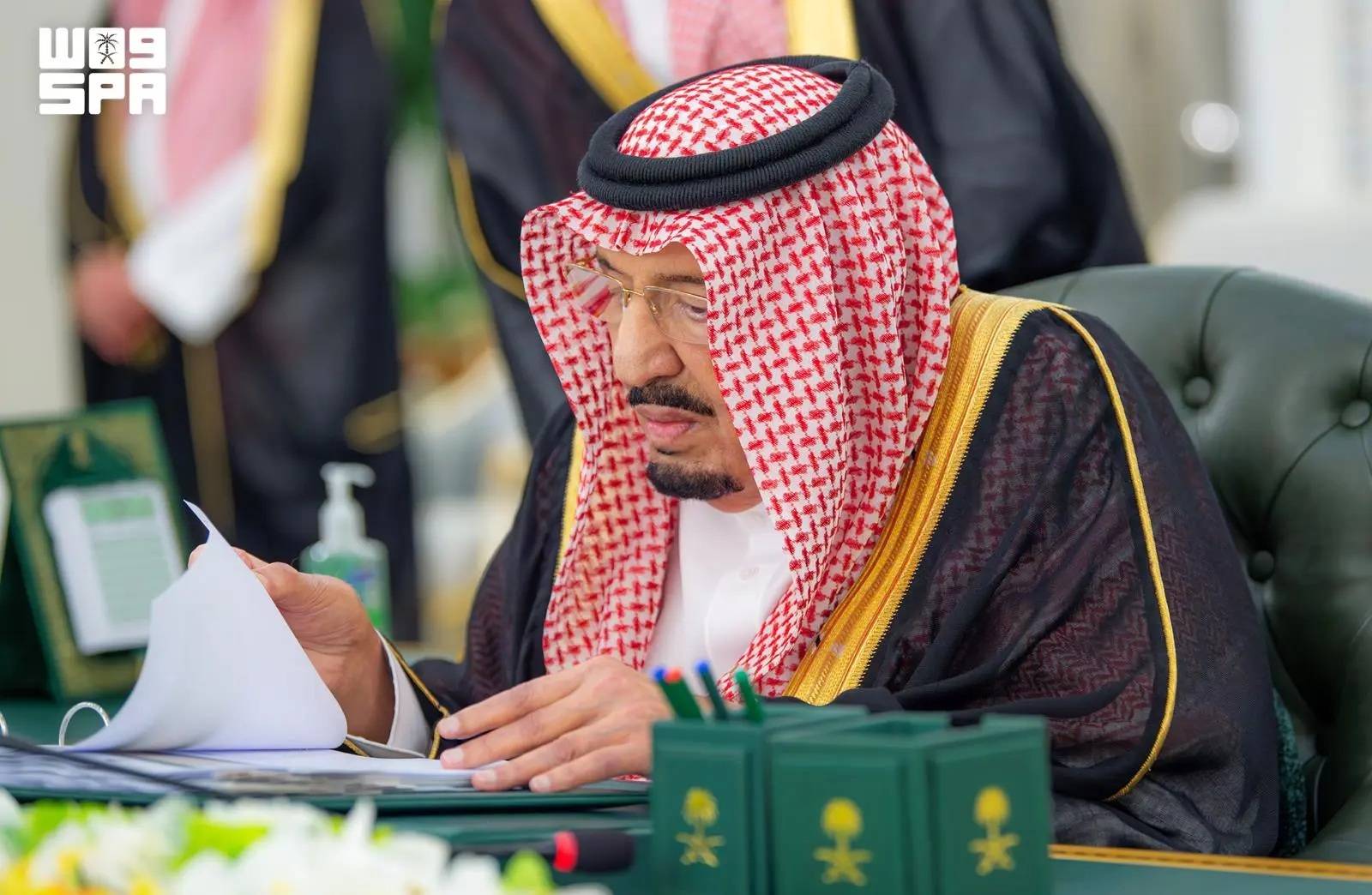
Custodian of the Two Holy Mosques King Salman bin Abdulaziz Al Saud during the Cabinet meeting in Jeddah. (SPA)

The Cabinet reviewed Saudi Arabia's participation in regional and international meetings, as part of its commitment to strengthening cooperation with brotherly and friendly countries, advancing multilateral action toward further progress across various fields, and enhancing collective response to current challenges in the region and the world.

The Cabinet expressed its support for the outcomes of the ministerial meeting between the Gulf Cooperation Council and the United States, including the affirmation of the strategic partnership between the two sides and continued coordination and consultation on international issues of mutual interest that will help in supporting regional security and stability and protecting common interests.

On the domestic level, the Cabinet reviewed infrastructure development plans across the Kingdom aimed at supporting continued growth.

It noted the launch of a new phase of the Developed Districts Program in Makkah and the commencement of the fourth package of projects under the Riyadh Main and Ring Road Axes Development Program. The initiatives are expected to keep pace with urban expansion, boost the urban landscape, improve quality of life, and strengthen transportation services.
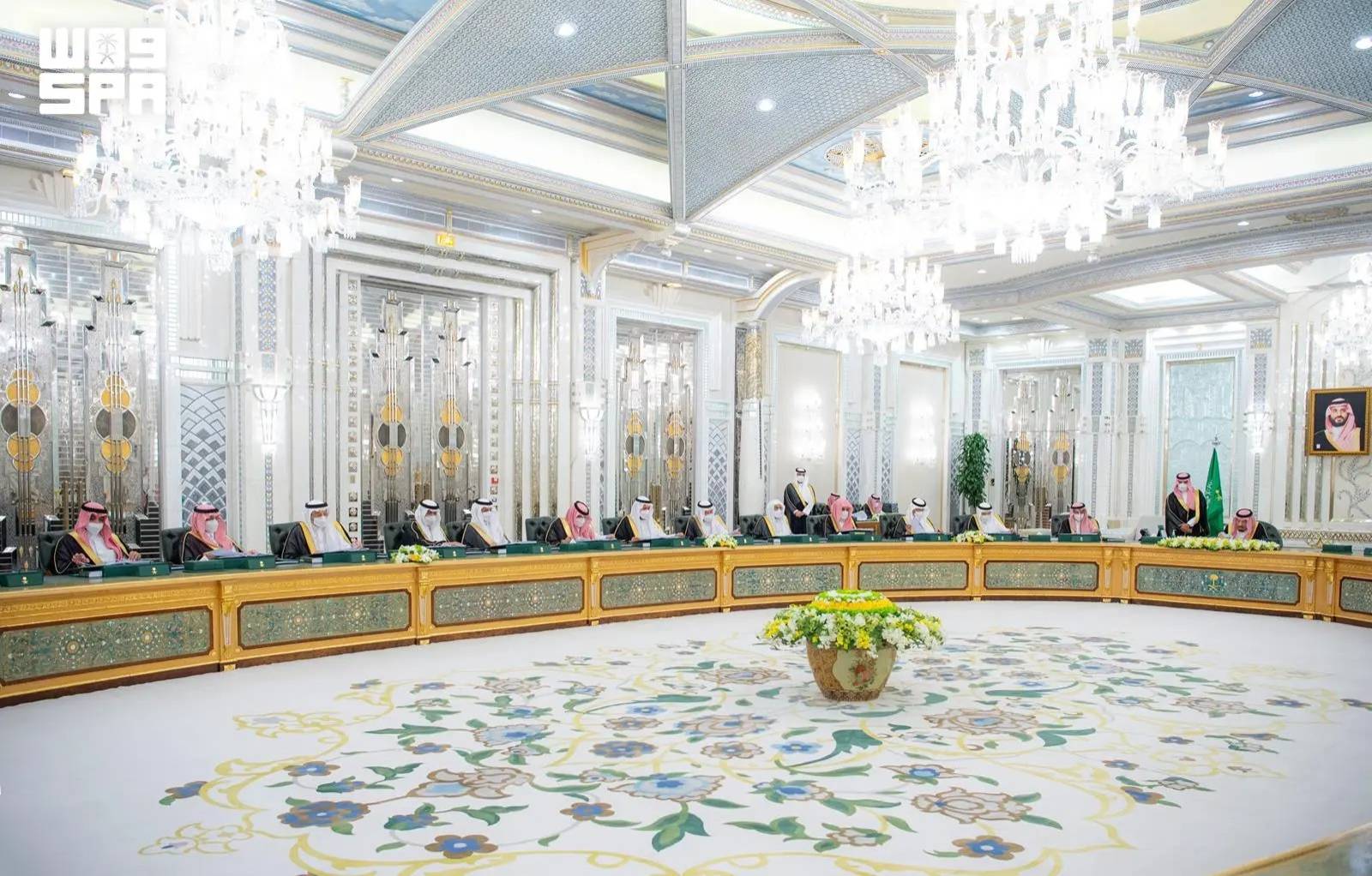
Ministers are seen during the Cabinet meeting in Jeddah on Tuesday. (SPA)

The Cabinet commended the launch of the inaugural Saudi Water Week as a national, regional, and international platform for advancing global dialogue on water issues, highlighting Arab priorities, and reinforcing the Kingdom's pivotal role in the water sector.

The Cabinet highlighted the Kingdom's continued efforts to develop practical solutions and forge strategic partnerships that contribute to achieving water security, promoting the efficient use of natural resources, and accelerating collaborative efforts toward a more sustainable water future.

It further commended the Saudi Data and Artificial Intelligence Authority's winning of the 2026 UN Public Service Award, noting that the recognition adds to the Kingdom's growing record of achievements in leveraging data and advanced technologies to support development and build a sustainable, knowledge-based digital economy.

The Cabinet praised the efforts of the Ministry of Interior and the effectiveness of its proactive security plans in combating drug trafficking and apprehending smugglers and dealers. It also hailed the ministry's achievements in confronting this scourge and mitigating its dangers.


Bahrain Intercepts Iranian Air Attacks

A general view of the skyline in downtown Manama, Bahrain, June 22, 2025. REUTERS/Hamad I Mohammed
TT

Bahrain Intercepts Iranian Air Attacks

A general view of the skyline in downtown Manama, Bahrain, June 22, 2025. REUTERS/Hamad I Mohammed

Bahrain said it intercepted on Tuesday Iranian air attacks.

Bahrain's armed forces intercepted "Iranian aerial attacks in the kingdom's skies,” according to state television.

Earlier, Bahrain warned of an unspecified threat and urged citizens and residents to head to the ⁠nearest ⁠safe location.

On Sunday, Bahrain said its air defenses had intercepted several Iranian aerial attacks.


Oman, Iran Discuss Safeguarding Maritime Corridors

Vessels at the Strait of Hormuz, as seen from Musandam, Oman, November 17, 2026. REUTERS/Stringer
TT

Oman, Iran Discuss Safeguarding Maritime Corridors

Vessels at the Strait of Hormuz, as seen from Musandam, Oman, November 17, 2026. REUTERS/Stringer

Oman and Iran discussed safeguarding maritime corridors and ensuring the smooth flow of global shipping and trade, the Omani foreign ministry said in a statement on Tuesday, as shipping through the Strait of Hormuz continued to be disrupted.

The talks took place during a visit by Iran's Foreign Minister Abbas Araghchi to Oman, which holds the southern coast of the Strait of Hormuz, a key shipping route for global energy, and has played a role as mediator in the crisis that broke out when the US and Israel attacked Iran on February 28.

Araghchi and Oman's Foreign Minister ⁠Badr Albusaidi talked about ⁠revitalizing channels for dialogue and negotiation to prevent escalations.

"These efforts aim to expand areas of mutual understanding among the concerned parties and prevent the widening of the crisis and its repercussions," the ministry said.

Attacks on tankers in the strait have increased as Tehran continues to disrupt shipping in the vital waterway while Washington maintains a ⁠naval blockade on Iran in response.

The Strait of Hormuz carried one-fifth of global energy supplies before the conflict and remains a sticking point in negotiations aimed at ending the nine-month-old war.


Bahrain Sentences 15 to Prison for Forming Terror Cell Linked to Iran’s IRGC

The court convicted all defendants, both those in custody and at large, handing down sentences ranging from 15 years to life in prison. (BNA)
TT

Bahrain Sentences 15 to Prison for Forming Terror Cell Linked to Iran’s IRGC

The court convicted all defendants, both those in custody and at large, handing down sentences ranging from 15 years to life in prison. (BNA)

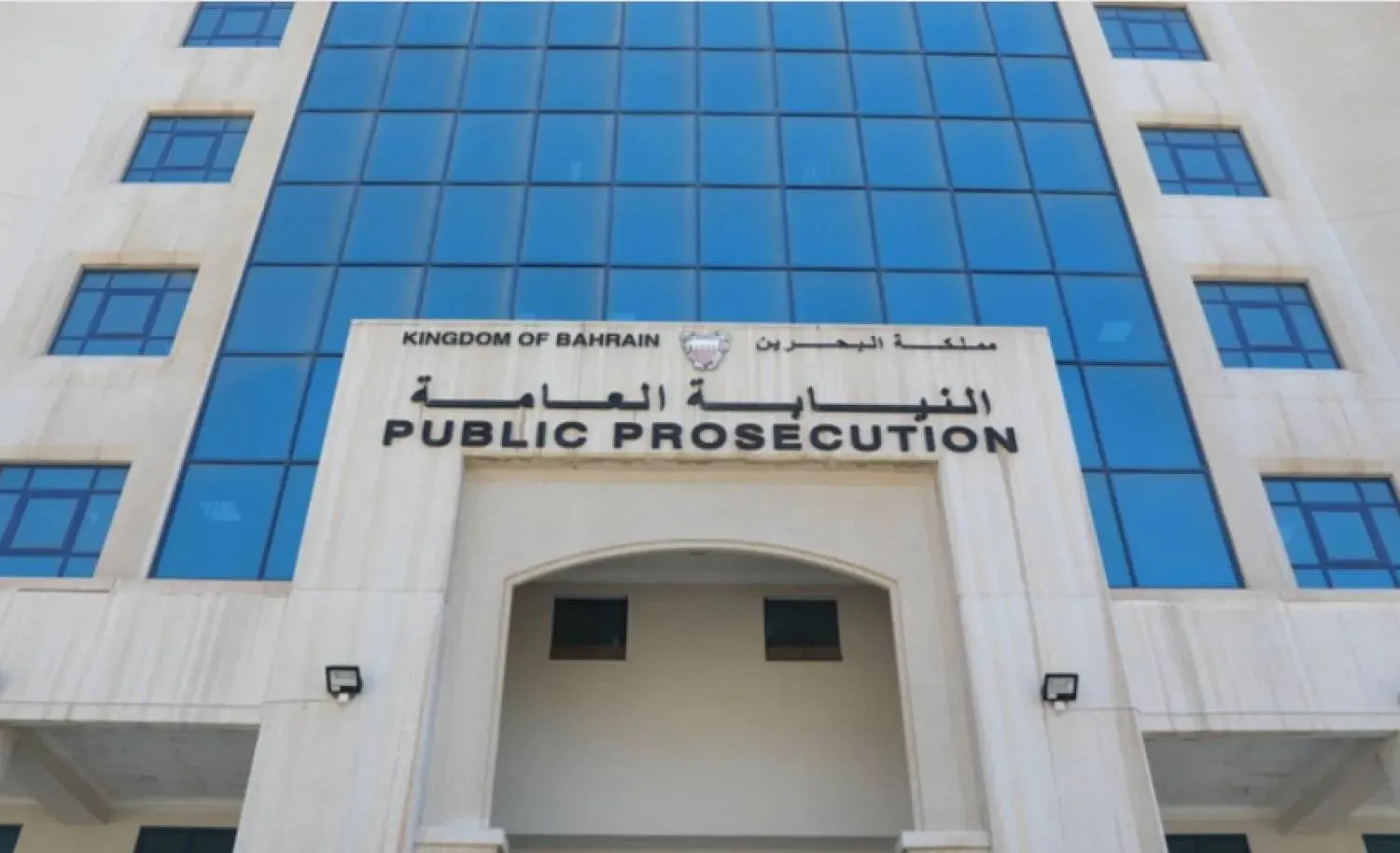
Bahrain’s High Criminal Court issued a verdict on Monday in a case involving the establishment of a terrorist group linked to Iran’s Revolutionary Guard Corps (IRGC) that sought to suspend the constitution and overthrow the government.

The court convicted all defendants, both those in custody and at large, handing down sentences ranging from 15 years to life in prison. It also imposed fines of 100,000 dinars, ordered the confiscation of more than eight million dinars for charitable purposes, and ordered the confiscation of other seized items.

The Advocate General, head of the Terrorist Crimes Prosecution, said the defendants were referred to trial after investigations revealed they had formed the group, used terrorism to achieve its goals, and raised funds to support its activities.

Several defendants were also found to have colluded with Iran and the IRGC to harm the kingdom's interests and overthrow the government by force and unlawful means.

The Advocate General, added that “they had sought to change the system of government by force and unlawful means through incitement to commit terrorist acts, riots and sabotage, and through efforts to spread and entrench the ideology of the so-called Wilayat al-Faqih, which seeks complete political subordination to the Iranian regime and calls for allegiance to it rather than to the homeland and its fundamental institutions.”

“This was done through domination of places of worship and what they claim to fall under their authority, and the exploitation of those places to disseminate that ideology and undermine national allegiance, as well as through infiltration of a number of social, charitable and educational institutions to spread the notion of allegiance to the Iranian regime,” he said.

“They worked to politicize the sermons of clerics and religious reciters (rawadid) in that direction, to incite against the system of government and call for rebellion against it, to entrench ideas hostile to it, and to support acts of sabotage aimed at destabilizing the country,” he continued.

The prosecution's case relied on evidence from security and financial inquiries, alongside seized publications, documents, and electronic devices. Additional evidence included roughly 935,000 dinars found in the defendants' possession, unauthorized fundraising used to finance the group, recorded speeches inciting the execution of its objectives, and confessions from some defendants during questioning.

He noted that the group was formed by members of the dissolved Ulema Council, which had been dissolved by court order, and that its leaders communicated with IRGC operatives and Iranian intelligence to receive assignments, directives, and funding.

The Advocate General stressed that the Public Prosecution acted with impartiality and objectivity, guaranteeing all legal rights for the defendants. The trial proceeded in the presence of defense lawyers for all detained defendants, with full fair-trial guarantees upheld.