


Three Ships Struck in Hormuz Flare-Up, Qatar Slams Iran

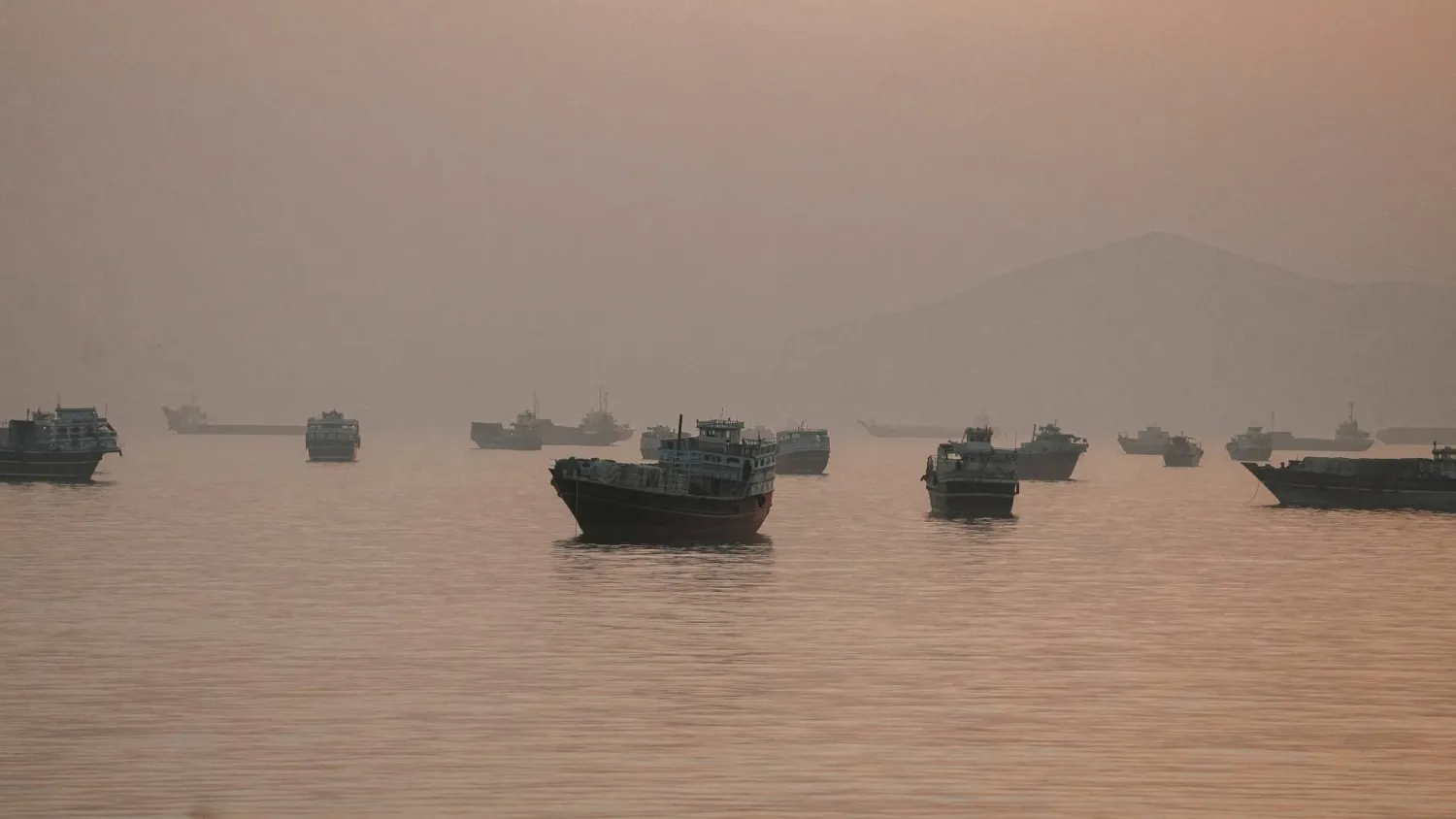
Vessels are anchored in the Strait of Hormuz as seen from Musandam, Oman, June 3, 2026. (Reuters)
TT

Three Ships Struck in Hormuz Flare-Up, Qatar Slams Iran

Vessels are anchored in the Strait of Hormuz as seen from Musandam, Oman, June 3, 2026. (Reuters)

Three tankers including a Qatari LNG vessel were struck within hours in the Strait of Hormuz, maritime monitors and Qatar said on Tuesday, with peace mediator Doha denouncing an "unacceptable" Iranian attack.

An "unknown projectile" hit a tanker overnight, causing a fire, before two more were hit, at least one by a drone, British maritime security agency UKMTO said.

The string of attacks after more than a week of respite revived concerns about freedom of navigation after Iran lifted its blockade of the vital waterway following a fragile ceasefire with the United States.

All three vessels were struck close to Oman. Oman had proposed a temporary transit corridor hugging its coastline in an initiative opposed by Iran, which wants to charge ships using the narrow waterway.

Qatar, which helped broker the truce, blamed Iran for the attack on its tanker and urged Tehran to "cease all practices that undermine regional security or threaten the safety of international maritime navigation".

"The targeting of the Qatari vessel 'Al-Rekayyat' while transiting near the Strait of Hormuz constitutes an unacceptable attack on the security and safety of international maritime navigation," Doha's foreign ministry spokesman Majed Al Ansari wrote on X.

"We hold Iran fully legally responsible for this attack and for any resulting damages or repercussions," he added.

The attacks came despite the ceasefire between the United States and Iran in the Middle East war, which began with US-Israeli strikes on Tehran in late February.

The future of Hormuz, the main route for Gulf energy exports, has been a sticking point during talks between Tehran and Washington to permanently end the conflict.

- 'Clear signal' -

"We are now in a sensitive period where potential alternatives to an Iranian toll or fee system are being explored," Andreas Krieg, a security expert at King's College London, told AFP.

"Iran is sending a clear signal that no alternative will be accepted.

"Tankers trying to diverge through the Omani maritime corridor without registering with the Iranian authority will be punished," Krieg added, calling it a "clear violation" of the ceasefire agreement and international law.

US news outlet Axios reported late Monday that Iran had "fired at least two missiles at commercial ships", citing two unnamed US officials.

The Pentagon did not immediately respond to an AFP request for comment.

Maritime traffic had tentatively resumed after Washington and Tehran signed a memorandum of understanding last month aimed at ending the conflict and reopening the strategic route.

However, Iran has insisted there will be no return to pre-war arrangements, under which vessels could pass freely through the strait.

Under the 14-point US-Iran memorandum of understanding, Iran and Oman, which border Hormuz, must hold talks "to define the future administration and maritime services" in the key waterway with other Gulf states.


ASEAN ‘Khair Ummah’ Conference Condemns Houthi Attacks on Makkah and Madinah

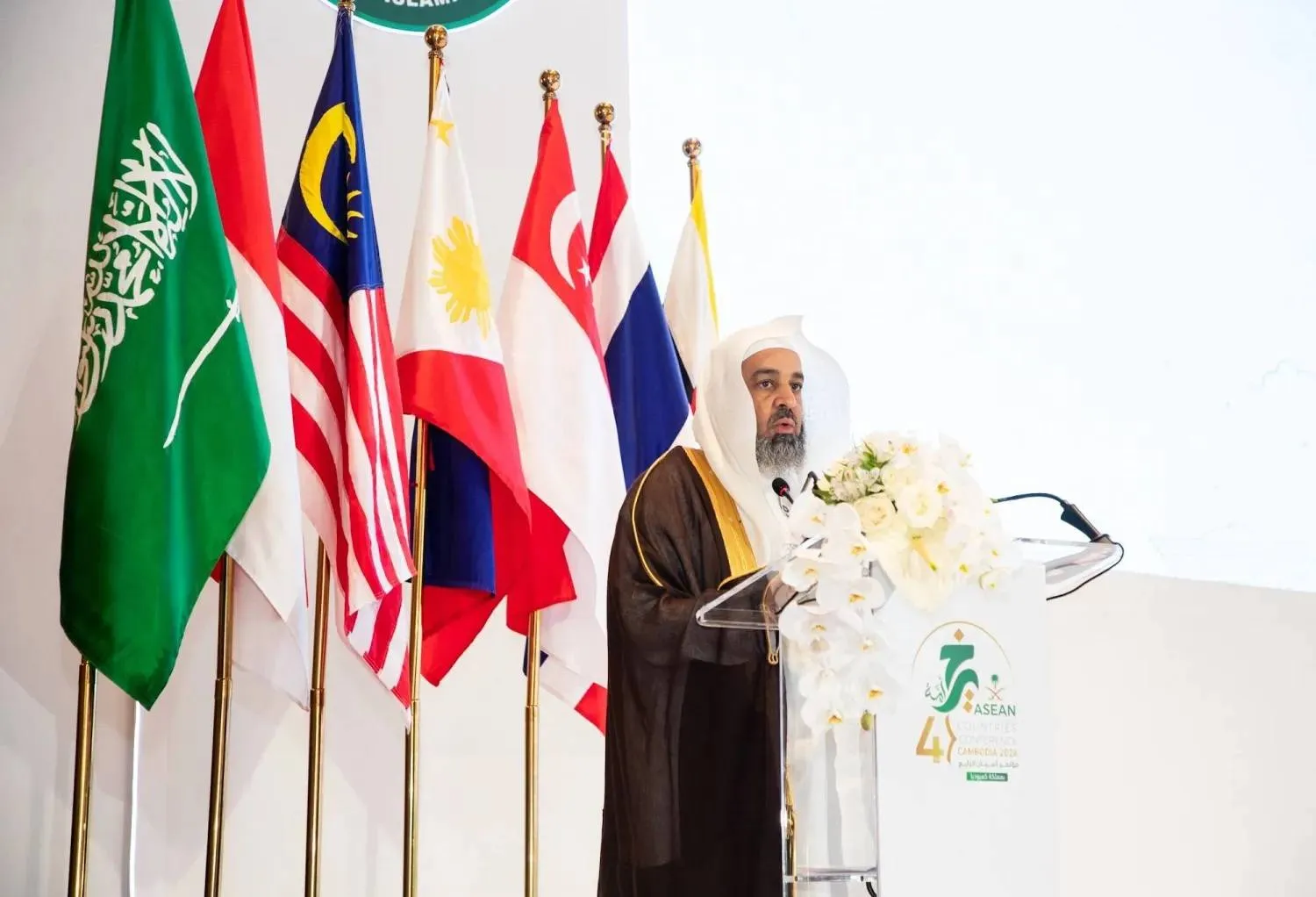
The conference condemned the Houthis’ targeting of Makkah, Madinah and civilian sites in Saudi Arabia (SPA).
TT

ASEAN ‘Khair Ummah’ Conference Condemns Houthi Attacks on Makkah and Madinah

The conference condemned the Houthis’ targeting of Makkah, Madinah and civilian sites in Saudi Arabia (SPA).

Participants at the fourth international conference of ASEAN countries, “Khair Ummah,” condemned on Tuesday the Houthi militia’s launch of drones and missiles toward Makkah and Madinah and its targeting of civilian sites in Saudi Arabia.

ASEAN rejected the Houthi’s actions saying it threaten Islamic holy sites and the safety of civilians.

In the conference’s final statement, the participants denounced what they said are criminal acts targeting Muslim holy sites and civilian targets in Saudi Arabia.

The statement praised Saudi Arabia’s efforts to promote unity and strengthen solidarity by hosting and supporting the conference, emphasizing its role in serving Islam and Muslims and promoting a moderate and balanced approach.

Participants called for moderation, tolerance and efforts to counter extremism, saying such values help build safe and stable societies.

The final statement said Islam rejects injustice, aggression and terrorism, and called on scholars and preachers to promote sound Islamic teachings and tolerant values, including through modern technology and artificial intelligence.

Participants also called for continued cooperation among scholars and Islamic institutions in ASEAN countries to counter extremism and promote unity.

The Cambodia-hosted conference was organized by Saudi Arabia’s Ministry of Islamic Affairs, Dawah and Guidance in the Cambodian capital Phnom Penh.

It brought together about 130 scholars, researchers and Islamic figures from Saudi Arabia and ASEAN countries for eight sessions on Muslim unity, moderation and cooperation.


Saudi Civil Aviation Authority: Three People Injured in Attacks on Jazan and Najran Airports

Saudi Civil Aviation Authority: Three People Injured in Attacks on Jazan and Najran Airports
TT

Saudi Civil Aviation Authority: Three People Injured in Attacks on Jazan and Najran Airports

Saudi Civil Aviation Authority: Three People Injured in Attacks on Jazan and Najran Airports

Saudi Arabia’s General Authority of Civil Aviation said King Abdullah bin Abdulaziz International Airport in Jazan and Najran International Airport came under attack on Monday evening, adding that emergency teams and relevant authorities began responding immediately in line with approved procedures and plans.

The authority said the attacks slightly injured three people and caused material damage. The injured were taken to hospital for medical treatment, it added.

GACA said it was continuing to coordinate with relevant security agencies to assess the damage and take all necessary measures to ensure the safety of passengers and staff and maintain the security and safety of the Kingdom's civil aviation system.

GCC Secretary-General Jassem Mohamed Albudaiwi condemned the attacks on Saudi airports, calling them a serious escalation and violation of international law. He urged the international community to hold those responsible accountable and reaffirmed the GCC’s support for Saudi Arabia’s security measures.


GCC Reaffirms Support for Efforts to Achieve Security and Stability in Yemen

Jassem Albudaiwi, Secretary-General of the Gulf Cooperation Council, and Dr. Afrah al-Zouba, Yemen’s Foreign Minister. (GCC)
TT

GCC Reaffirms Support for Efforts to Achieve Security and Stability in Yemen

Jassem Albudaiwi, Secretary-General of the Gulf Cooperation Council, and Dr. Afrah al-Zouba, Yemen’s Foreign Minister. (GCC)

The Gulf Cooperation Council on Monday reaffirmed its support for Yemen’s security, stability, sovereignty and territorial integrity, and backed efforts to promote peace and prosperity.

The GCC statement came during a phone call between Secretary-General Jassem Albudaiwi and Yemeni Foreign Minister Afrah al-Zouba. The two officials discussed the latest developments in Yemen amid the country’s current circumstances and rapidly unfolding events in the region.

Albudaiwi reiterated that Yemen’s security and stability are of fundamental importance to the security and stability of GCC states and the wider region. He said the council would continue to stand with Yemen and its people and support all efforts to promote security, stability, peace, dignified living and prosperity.