

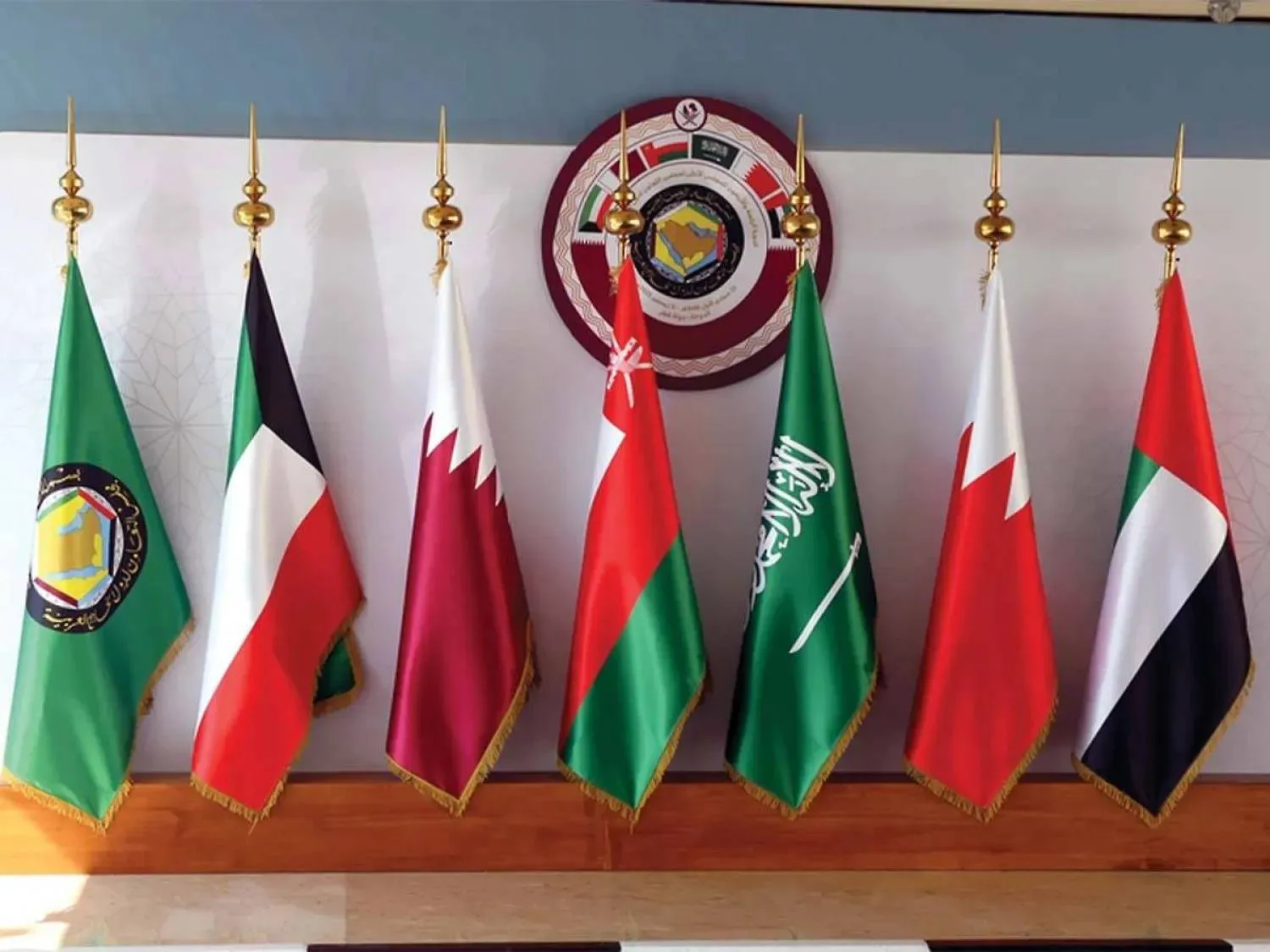

Gulf States Step Up Coordination after Iran Escalation

Gulf consultations and reciprocal visits followed Iranian attacks over the past 72 hours (QNA)
TT

Gulf States Step Up Coordination after Iran Escalation

Gulf consultations and reciprocal visits followed Iranian attacks over the past 72 hours (QNA)

Gulf states have sharply stepped up coordination after Iranian attacks hit several Gulf countries over the past 48 hours, holding nearly seven rounds of consultations so far, including two official visits, five phone calls and a series of official statements.

The latest attacks came at dawn on Thursday, when missiles targeted Bahrain and Qatar. Jordan also said it had intercepted Iranian missiles that had entered its airspace.

Saudi Foreign Minister Prince Faisal bin Farhan discussed regional developments on Thursday with Sheikh Mohammed bin Abdulrahman bin Jassim Al Thani, Qatar’s prime minister and foreign minister, in a call Prince Faisal received from the Qatari official.

The two reviewed the latest developments in the military escalation between the United States and Iran over the past two days.

Qatar’s foreign minister condemned and rejected attacks on commercial ships in the Strait of Hormuz, despite a climate of calm and efforts to reduce escalation in the region.

He said such acts would undermine trust, threaten the security of international navigation and damage efforts to cement regional security and stability.

The two ministers stressed that all parties must commit to dialogue and diplomacy and implement what had been agreed under the memorandum of understanding, in a way that preserves regional security, protects gains achieved and strengthens regional stability.

Prince Faisal also spoke by phone with Kuwaiti Foreign Minister Sheikh Jarrah Jaber Al-Ahmad Al-Sabah. They discussed the latest regional developments, particularly the current escalation, efforts to reduce tensions and ways to advance diplomatic solutions.

The Saudi and Omani foreign ministers had discussed developments related to the Strait of Hormuz in Muscat on Wednesday.

They stressed the need to protect the security of waterways, ensure freedom of navigation, support efforts to strengthen regional security and stability, and settle disputes through dialogue and peaceful means.

On Wednesday, Bahraini Foreign Minister Dr. Abdullatif Al Zayani discussed with Prince Faisal “the latest regional developments, the heinous Iranian attacks on the Kingdom of Bahrain and the State of Kuwait, and the Iranian attacks that targeted the Saudi tanker Wadyan and the Qatari tanker Al-Rakiyat as they crossed the Strait of Hormuz.”

The Bahraini statement described the attacks as “a rejected assault on the security and safety of international navigation and global energy supplies, and a grave violation of international law and UN Security Council Resolution 2817.”

Separately, the Kuwait News Agency and the Emirates News Agency said Sheikh Mohammed bin Zayed, president of the United Arab Emirates, arrived in Kuwait on Thursday on a “fraternal visit.”

He was received by Kuwait’s Emir Sheikh Mishal Al-Ahmad, the crown prince, the prime minister and several senior Kuwaiti officials.

Sheikh Mohammed bin Abdulrahman bin Jassim Al Thani and Sheikh Abdullah bin Zayed Al Nahyan, the UAE’s deputy prime minister and foreign minister, also reviewed on Thursday “the latest developments in the military escalation between the United States and Iran over the past two days.”

Qatar’s prime minister again condemned and rejected “the attacks that targeted commercial ships in the Strait of Hormuz, despite the atmosphere of calm and efforts to reduce escalation in the region.”

He said such acts would undermine trust, threaten the security of international navigation and damage efforts to cement regional security and stability.

He urged all parties to commit to dialogue and diplomacy and implement what had been agreed under the memorandum of understanding, in a way that preserves regional security, protects gains achieved and strengthens regional stability.

Al Thani discussed the same issue with his Omani counterpart, Badr Al Busaidi, in a phone call on Thursday. He renewed Doha’s support for “all efforts aimed at containing the escalation and reaching a comprehensive agreement that helps consolidate security and stability and achieve sustainable peace in the region.”

The Kuwaiti army released the latest tally of Iranian attacks. A Kuwaiti Defense Ministry spokesman said the armed forces had detected three ballistic missiles, one cruise missile and 10 hostile drones inside Kuwaiti airspace at dawn on Thursday, and had intercepted and dealt with them successfully.

Bahrain Defense Force said, “The deliberate use of missiles and drones to target civilians and private property is a blatant violation of international humanitarian law.”



Oil Spill off Oman Reportedly Reaches Mainland, Says UN Agency

A satellite image shows an oil spill off the coast of Oman, August 11, 2026. (European Union/Copernicus Sentinel-3/Handout via Reuters)
TT

Oil Spill off Oman Reportedly Reaches Mainland, Says UN Agency

A satellite image shows an oil spill off the coast of Oman, August 11, 2026. (European Union/Copernicus Sentinel-3/Handout via Reuters)

An oil spill from a tanker that ran aground off Oman's coast has reportedly begun reaching the mainland, as monsoon winds obstructs containment efforts, the United Nations' maritime agency said Wednesday.

An AFP investigation had earlier found that the ship had been stranded for weeks near Oman's al-Qibliyyah island after it was rocked by explosions.

"The International Maritime Organization (IMO) is closely monitoring the oil leakage from the crude oil tanker CAROLINE BEZENGI, which grounded off the coast of Oman on 30 June 2026 and is currently around 22 nautical miles offshore of Sharbithat, Oman," a spokesperson for the agency said.

"Oil is drifting offshore to the northeast of Al-Qibliyyah Island with some oil reported to be reaching the mainland," the spokesperson said, adding that "the seasonal monsoon has limited access to the vessel and delayed salvage operations".

The Oman News Agency (ONA) meanwhile quoted authorities as saying that "today's monitoring results showed that some beaches in the Ras Madrakah area were affected by oil pollution", on the sultanate's southeastern coast.

Oman on Monday said it was working to contain the spill, which had affected roughly 390 square kilometers (150 square miles), according to the most recent analysis from the country's environment agency.

The slick was concentrated around Oman's Hallaniyat archipelago off the country's southern coast, where a marine reserve was established last year to protect sensitive ecosystems home to diverse marine life, including rare sea turtles.

Omani authorities have not yet identified the cause of the spill. But British maritime security company Vanguard told AFP last week that the tanker was rocked by explosions in early June as it sailed off the coast of Yemen, causing water to enter several sections of the vessel.

Advocacy groups Greenpeace and PAX told AFP that the spill was on the verge of causing an "environmental disaster", saying the tanker was carrying around one million barrels of crude.

The ship is believed to be part of Russia's "shadow fleet", which Moscow uses to circumvent Western sanctions on its oil exports.

The fleet includes ageing vessels that have faced criticism over maintenance, insurance and safety standards.

Tankers have been frequently targeted in the Gulf region over recent months as the US exchanged fire with Iran and its allied proxies.


Saudi Foreign Minister Discusses Regional Developments with Egyptian Counterpart

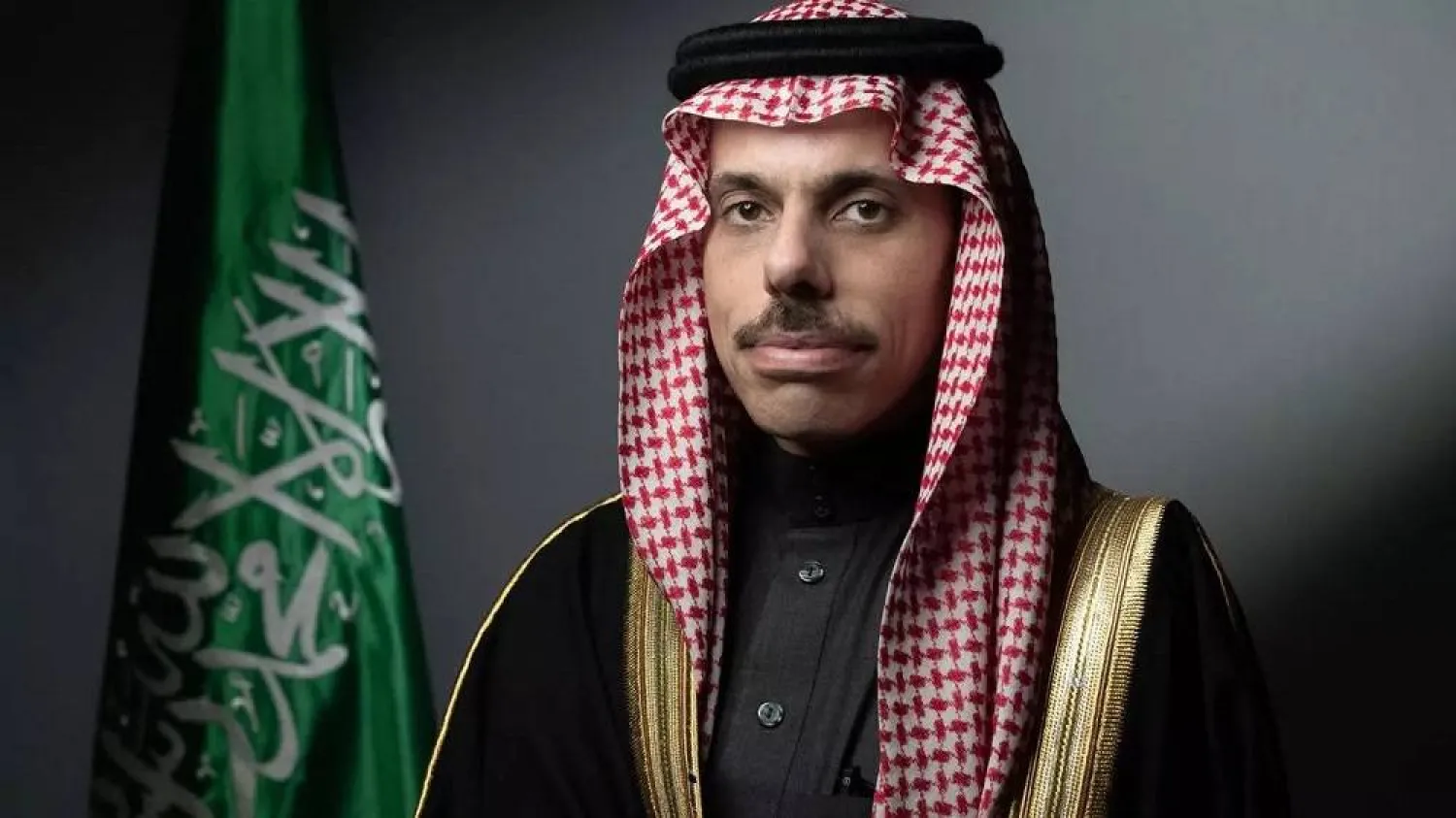
Saudi Minister of Foreign Affairs Prince Faisal bin Farhan bin Abdullah in Moscow on July 4, 2025. (Reuters)
TT

Saudi Foreign Minister Discusses Regional Developments with Egyptian Counterpart

Saudi Minister of Foreign Affairs Prince Faisal bin Farhan bin Abdullah in Moscow on July 4, 2025. (Reuters)

Saudi Minister of Foreign Affairs Prince Faisal bin Farhan bin Abdullah received a phone call from Minister of Foreign Affairs, International Cooperation and Egyptian Expatriates of the Arab Republic of Egypt Dr. Badr Abdelatty, SPA reported.

During the call, they discussed the latest developments in the region and efforts to enhance its security and stability.


Kuwait Foils Terrorist Plot Targeting Vital Facility

Kuwait City (KUNA)
Kuwait City (KUNA)
TT

Kuwait Foils Terrorist Plot Targeting Vital Facility

Kuwait City (KUNA)
Kuwait City (KUNA)

Kuwait's Ministry of Interior announced Wednesday that it had foiled a terrorist plot targeting a vital facility in the country and arrested a Kuwaiti national affiliated with the terrorist organization ISIS before he could carry out the plot, following security monitoring and surveillance operations.

The ministry said in a statement that security investigations revealed that the suspect had received training in the manufacture of explosives and drones and had built a drone for use in carrying out his terrorist plot and targeting a vital facility in the country, SPA reported.

It said security authorities had taken the necessary legal measures against the suspect and referred him to the competent authorities to complete the investigation and take the measures prescribed by law.

The Ministry of Interior affirmed that its security agencies would continue to carry out proactive operations to monitor and counter any activities or plots that could threaten the country's security and stability. It stressed that it "will not tolerate anyone who seeks to undermine national security or the safety of citizens and residents."

The ministry stressed that security agencies would deal firmly with any suspicious activities within the framework of the law, reaffirming their continued efforts to thwart security threats before they develop into acts targeting the country's security and vital facilities.