


US, Saudi Arabia Launch Strikes Against Militias in Iraq

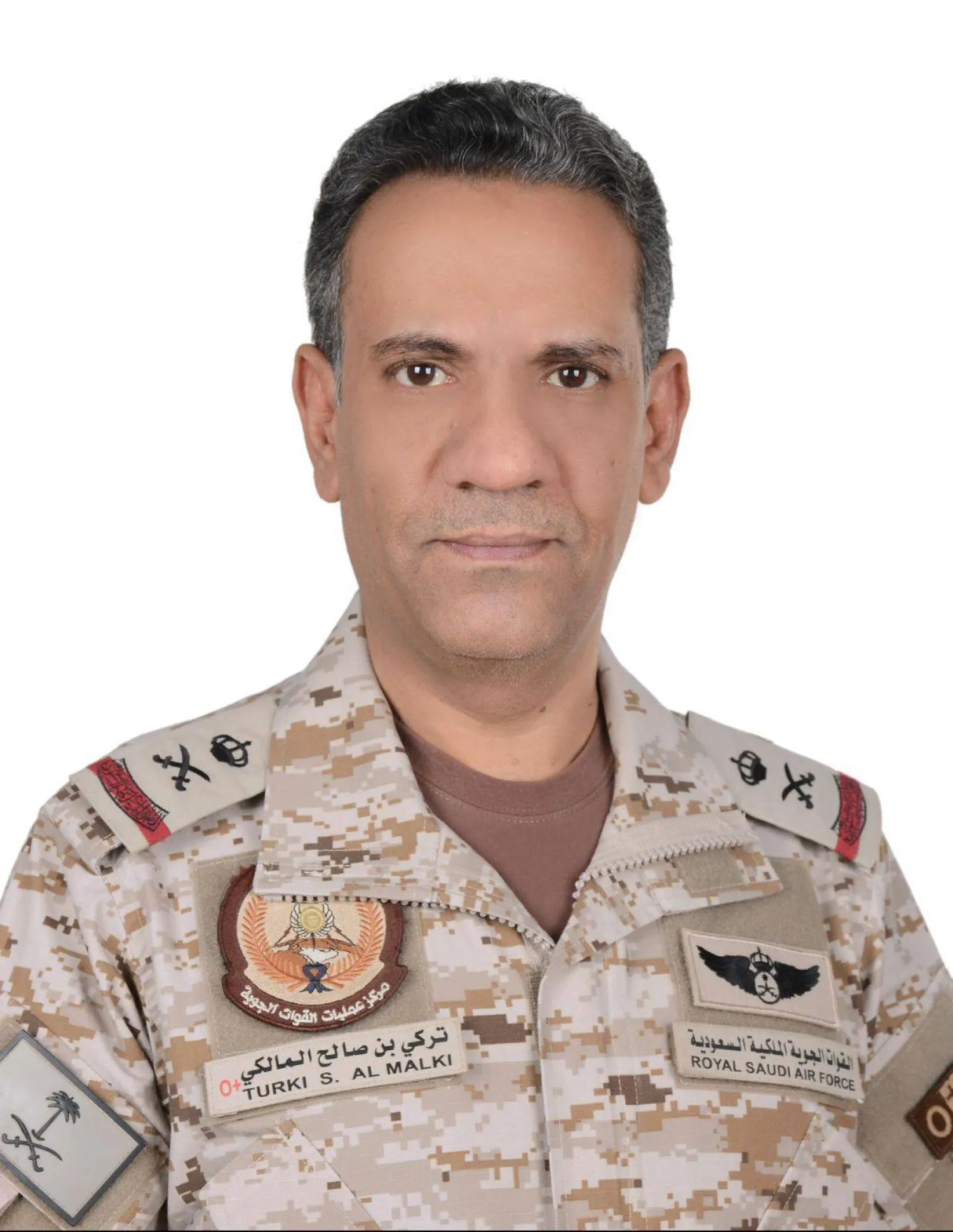
Spokesperson of the Ministry of Defense Major General Turki Al-Malki (Asharq Al-Awsat)
TT

US, Saudi Arabia Launch Strikes Against Militias in Iraq

Spokesperson of the Ministry of Defense Major General Turki Al-Malki (Asharq Al-Awsat)

The US and Saudi Arabia launched strikes on Iran-backed groups in Iraq on Wednesday, saying they were responsible for drone attacks on Saudi oil facilities.

Saudi Arabia said on Tuesday that its air defenses destroyed several drones targeting oil facilities in the Kingdom's Eastern Province.

Spokesperson of the Ministry of Defense Major General Turki Al-Malki confirmed that “these terrorist attempts were launched again from Iraqi territory and carried out by Iranian-backed terrorist militias,” affirming “Saudi Arabia's inherent right to defend itself and its national assets, and emphasizing its sovereign right to respond at the appropriate time and place.”

Later in the day, US Central Command and Saudi Arabia's Defense Ministry said the two countries hit multiple sites across eastern Iraq that they said had been used by Iran to direct drone attacks.

The Saudi Defense Ministry said it was not seeking escalation but would respond to any "aggression.”

The Saudi Ministry of Foreign Affairs also said that “the aggressive course pursued by the Iran-backed terrorist militias in Iraq came at a time when the Kingdom was exerting every effort to help de-escalate tensions in the region in a manner that preserves its security and stability.”

“Instead, these Iran-backed terrorist militias chose an irresponsible path of escalation, violated international law, and disregarded the obligations of Islamic brotherhood, including adherence to the principles of good neighborliness.”

It reaffirmed that the strikes carried out Wednesday in coordination with CENTCOM, against specific targets in Iraq linked to the attacks on the Kingdom’s petroleum facilities, “were undertaken in the exercise of the inherent right of self-defense as recognized under international law pursuant to Article 51 of the Charter of the United Nations.”

The Kingdom also affirmed that it does not seek escalation. “However, should it be subjected to any further attacks, it will not hesitate to take all necessary measures to safeguard its sovereignty and protect its citizens and national assets.”

All Iranian missiles launched against American forces in the Middle East were intercepted, US Central Command said, adding that they “remain vigilant and at a high state of readiness.”

In announcing the strikes in Iraq, the US warned that further attacks on American troops or Saudi Arabia’s energy infrastructure risked additional action.

Saudi Hajj Ministry Launches Integrated Electronic Package for Foreign Pilgrims

Worshippers are seen at the Grand Mosque in the holy city of Makkah, Saudi Arabia. (SPA)
TT

Saudi Hajj Ministry Launches Integrated Electronic Package for Foreign Pilgrims

Worshippers are seen at the Grand Mosque in the holy city of Makkah, Saudi Arabia. (SPA)

Saudi Arabia’s Ministry of Hajj and Umrah announced on Monday the launch of a comprehensive package for foreign pilgrims for the next Hajj season, combining all essential services from arrival to departure through a single electronic contract on the "electronic path" platform.

The package includes four main services: holy sites services, hospitality facilities in Makkah and Madinah, transportation, and catering, with optional enrichment services available.

This enables foreign Hajj affairs offices and agencies to design programs suited to different pilgrim groups within a clear and flexible contractual framework.

The ministry confirmed that the launch comes as part of its early preparations for the next Hajj season, in line with the objectives of Saudi Vision 2030 and the Pilgrim Experience Program.


Saudi Arabia Strongly Condemns Israeli Provocations at Al-Aqsa Mosque, Annexation Statements

05 May 2022, Jerusalem: Israeli security officers patrol in front of the Dome of the Rock Mosque at the Al-Aqsa Mosque compound in the Old City of Jerusalem. (dpa)
TT

Saudi Arabia Strongly Condemns Israeli Provocations at Al-Aqsa Mosque, Annexation Statements

05 May 2022, Jerusalem: Israeli security officers patrol in front of the Dome of the Rock Mosque at the Al-Aqsa Mosque compound in the Old City of Jerusalem. (dpa)

Saudi Arabia strongly condemned on Monday the continued provocative practices by Israeli officials and a group of extremist settlers at Al-Aqsa Mosque, including violations of its sanctity and its religious and historical status carried out under the protection of Israeli forces.

In a statement, the Ministry of Foreign Affairs reiterated the Kingdom's rejection of these violations of international law, which it said provoke the sentiments of Muslims around the world.

Addressing Israeli statements on annexation, the ministry said: "The Kingdom condemns Israeli statements regarding the annexation of areas in southern Lebanon and those extending to the 'Yellow Line' in the Gaza Strip.”

“It affirms its rejection of any Israeli expansionist attempt and underscores the right of the brotherly Palestinian people to establish their independent state on the 1967 borders, with East Jerusalem as its capital,” it added.


King Salman Invites Rulers of Kuwait, Bahrain to Second GCC-EU Summit

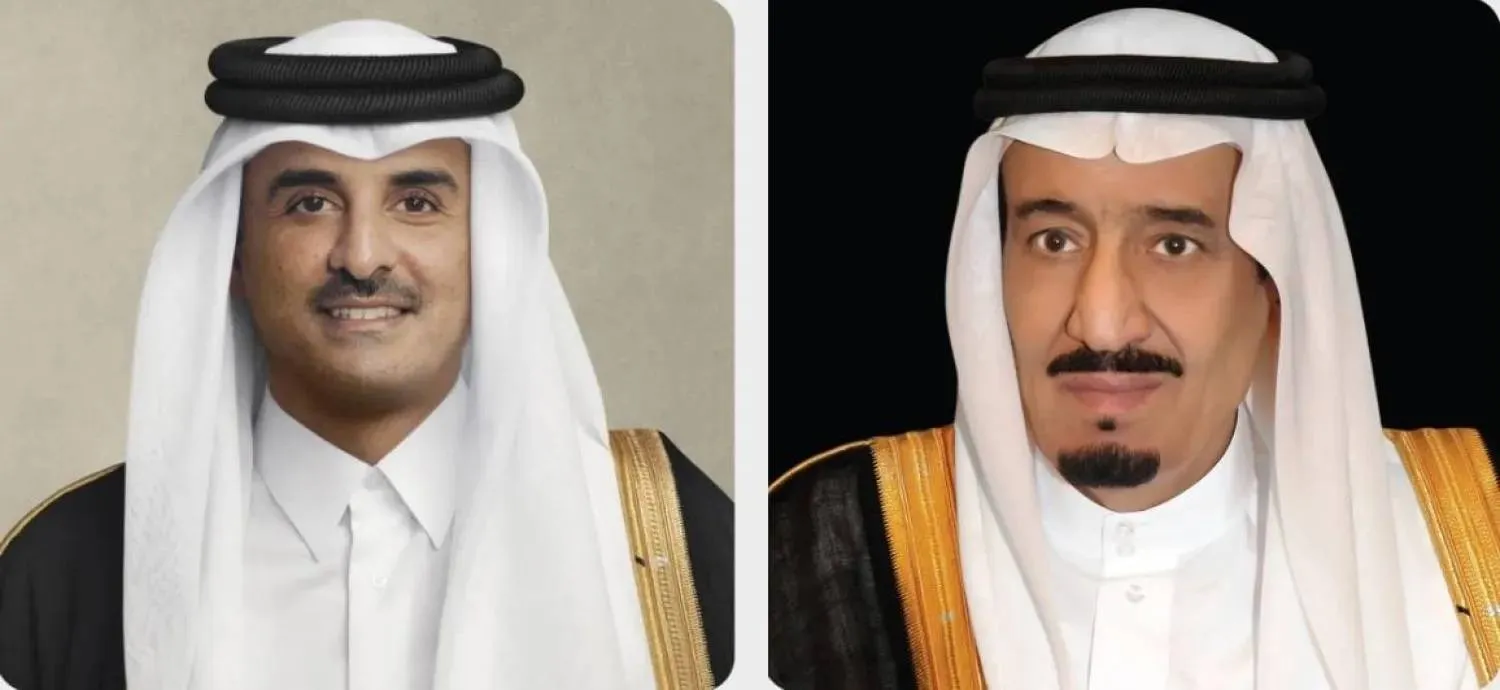
Custodian of the Two Holy Mosques King Salman bin Abdulaziz Al Saud. (SPA file)
TT

King Salman Invites Rulers of Kuwait, Bahrain to Second GCC-EU Summit

Custodian of the Two Holy Mosques King Salman bin Abdulaziz Al Saud. (SPA file)

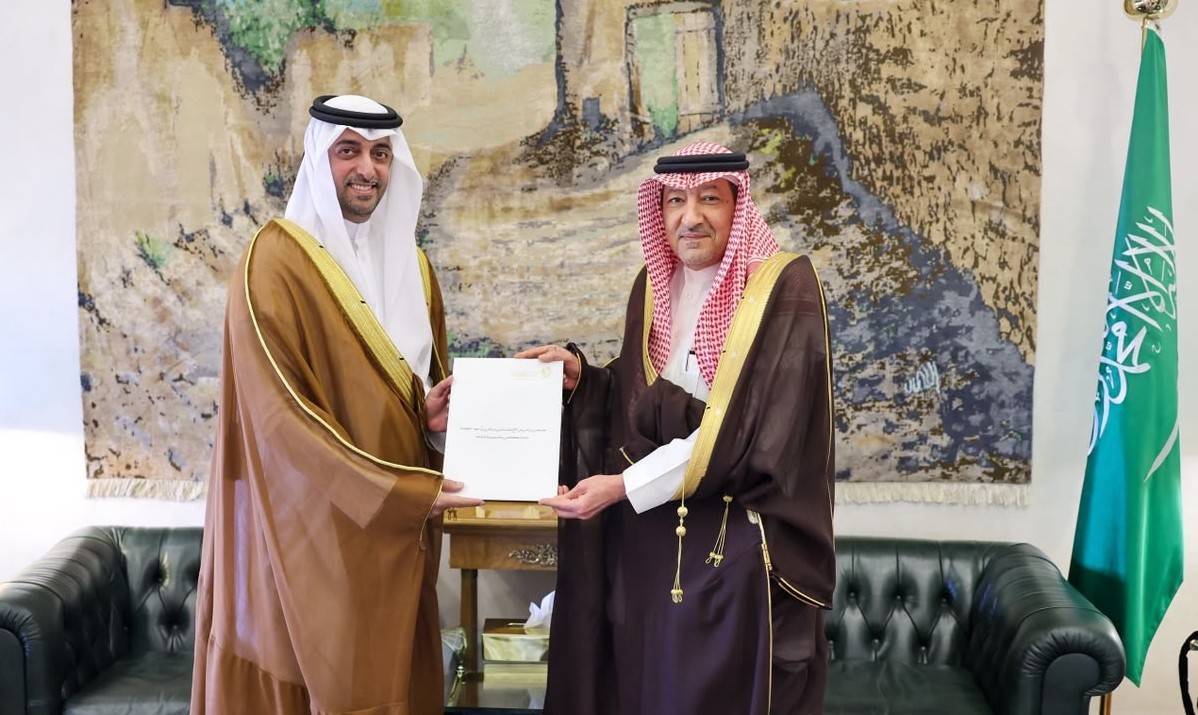
Custodian of the Two Holy Mosques King Salman bin Abdulaziz Al Saud sent a message to Emir of Kuwait Sheikh Meshal Al-Ahmad Al-Jaber Al-Sabah, inviting him to participate in the second GCC-EU Summit, which Saudi Arabia will host in October.

The message was delivered by Saudi Ambassador to Kuwait Prince Sultan bin Saad bin Khaled during a meeting with the Kuwaiti emir in Kuwait City.

King Salman also invited Bahrain’s King Hamad bin Isa Al Khalifa to the summit.

Saudi Arabia’s Ambassador to Bahrain Naif bin Bandar Al-Sudairi delivered the message during a meeting with the Bahraini king at Al-Sakhir Palace.

King Hamad bin Isa expressed his appreciation to King Salman for the invitation, praising the deep-rooted fraternal ties binding the two kingdoms and underlining the commitment to advancing them at all levels for the benefit of their two brotherly peoples.

He expressed his gratitude for King Salman’s efforts to strengthen Saudi-Bahraini relations and commended Saudi Arabia’s role in advancing joint Gulf action.

He hoped the GCC-EU Summit would succeed in strengthening the close partnership and deepening the firm longstanding cooperation between the Gulf Cooperation Council states and the European Union in pursuit of their shared interests.
