


Asharq Al-Awsat Survey: Iran-Backed Iraqi Militias Targeted Six Regional Countries with Drones

Riyadh said it reserved the right to respond at a time and place of its choosing (SPA). 
TT

Asharq Al-Awsat Survey: Iran-Backed Iraqi Militias Targeted Six Regional Countries with Drones

Riyadh said it reserved the right to respond at a time and place of its choosing (SPA). 

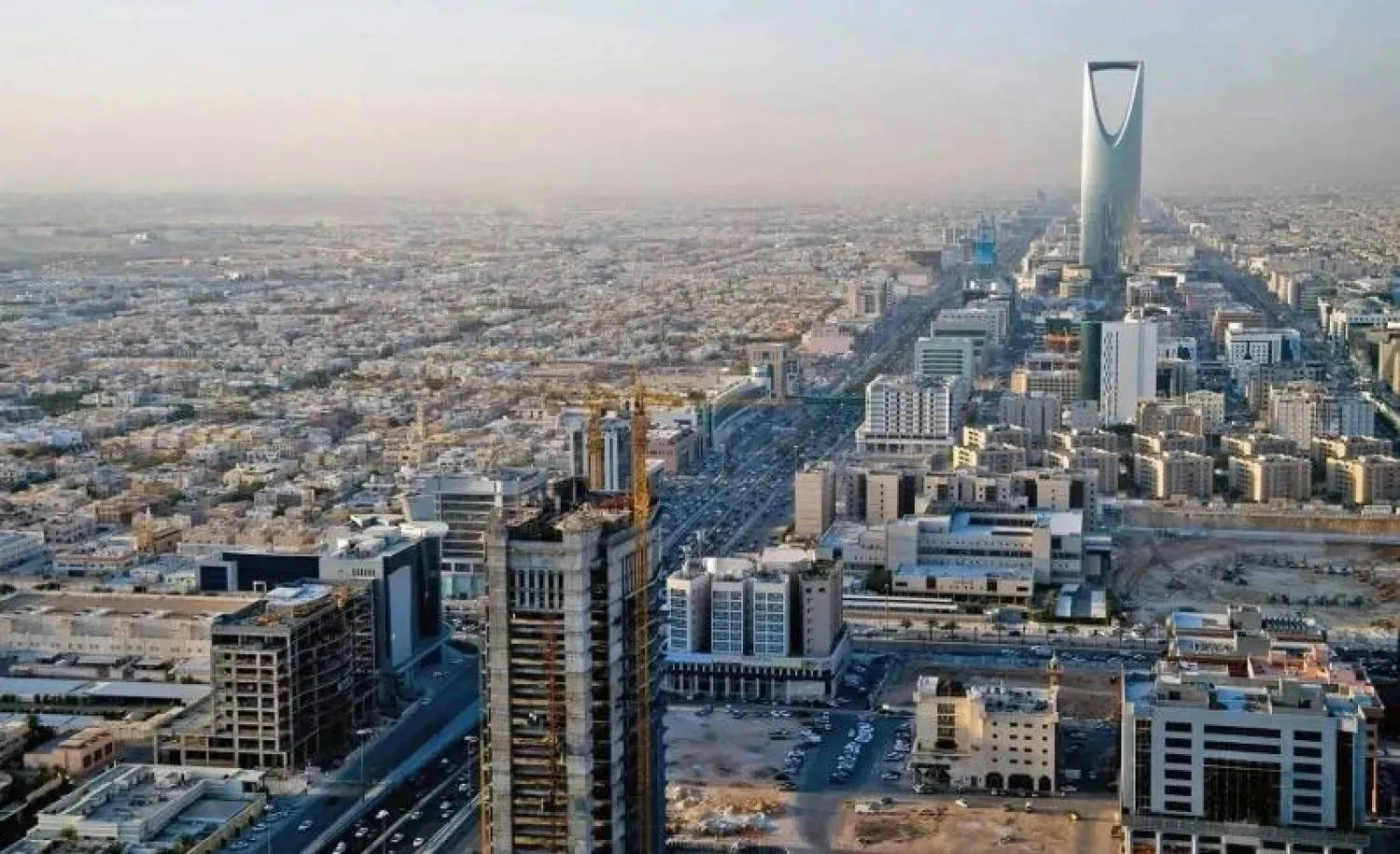
Saudi Arabia’s announcement on Wednesday that it had carried out precision strikes against militia targets inside Iraq linked to attacks on the Kingdom’s oil facilities, in coordination with US Central Command (CENTCOM), has refocused attention on the drone campaign waged by Iran-backed Iraqi militias against Saudi Arabia and other Gulf states since the outbreak of the regional war in late February.

An Asharq Al-Awsat survey shows that Gulf states initially sought to address the issue through diplomatic channels with Baghdad before publicly accusing Iraq-based groups of launching attacks from Iraqi territory.

After the first week of the war, Kuwait informed the Iraqi government on March 9, through its ambassador in Baghdad, that some attacks on its territory had originated from Iraq, urging Baghdad to intervene to halt them in order to preserve the fraternal ties between the two countries.

Gulf accusations of attacks launched from Iraq

On April 24, Kuwait’s military announced that two drones launched from Iraq had struck two northern border posts, causing material damage but no casualties.

On May 17, Saudi air defenses intercepted and destroyed three drones that entered the Kingdom’s airspace from Iraq. Riyadh said it reserved the right to respond at a time and place of its choosing.

Later the same day, the UAE Ministry of Defense announced that its air defenses had intercepted two of three drones that entered the country’s airspace from its western border. The third struck an electricity generator outside the inner security perimeter of the Barakah Nuclear Energy Plant, without causing any damage inside the facility. Abu Dhabi called on the Iraqi government to immediately and unconditionally prevent all hostile acts originating from Iraqi territory.

On July 23, Kuwait’s Defense Ministry spokesman, Col. Saud Al-Otaibi, said hostile drones had attacked the Abdali border crossing with Iraq, causing material damage but no casualties.

Two attacks on Saudi Arabia within 24 hours

On Monday, Saudi Defense Ministry spokesman Maj. Gen. Turki Al-Maliki said the Kingdom’s air defenses had intercepted and destroyed several drones that attempted to target oil facilities in the Eastern Province and the Riyadh region. He added that the “terrorist attacks originated from Iraqi territory and were carried out by Iran-backed terrorist militias.”

On Tuesday, Al-Maliki announced that additional drones targeting oil facilities in the Eastern Province had again been intercepted and destroyed. He reiterated that they had been launched from Iraqi territory by Iran-backed terrorist militias and stressed Saudi Arabia’s inherent right to defend itself and its critical infrastructure, while reserving the right to respond at the appropriate time and place.

Jordan and coordinated Arab positions

In Jordan, Royal Jordanian Air Force fighter jets intercepted two drones targeting the country’s territory. Sources told Asharq Al-Awsat that Iran-aligned Iraqi militias were likely behind the launches. Earlier during the 40-day war, Amman had carried out airstrikes inside Iraq against military movements it said threatened Jordan’s national security.

Saudi Arabia, Kuwait, the UAE, Bahrain, Qatar, and Jordan repeatedly called on Baghdad to take immediate action to stop armed factions, militias, and other groups from using Iraqi territory to launch attacks against neighboring countries. In a joint statement issued on March 25, during the early weeks of the war, the six countries said such action was necessary to preserve fraternal relations and prevent further escalation.

GCC condemnations and diplomatic protests

The Gulf Cooperation Council (GCC) issued more than seven statements condemning attacks against Gulf states, including strikes targeting Gulf consulates in Iraq, while reaffirming the bloc’s unity and solidarity.

Separately, Iraqi armed factions claimed responsibility in official statements for attacks on sites inside Gulf countries, explicitly describing them as part of the ongoing war.

Diplomatically, Kuwait, Bahrain, Saudi Arabia, and the UAE summoned Iraq’s ambassadors to protest attacks launched from Iraqi territory. Kuwait repeatedly summoned the Iraqi ambassador during the conflict, while Gulf governments said they had presented documentary evidence and aerial imagery confirming that the attacks had originated inside Iraq.

Saudi strikes followed Iraqi pledge

The developments culminated in the joint Saudi-US airstrikes early Wednesday, which Riyadh said were carried out in exercise of the right to self-defense under Article 51 of the UN Charter. The operation came just days after Iraq, during talks in Riyadh, reaffirmed its commitment not to allow its territory or airspace to be used as a launch pad for attacks against Saudi Arabia, the Gulf Cooperation Council states, or other countries in the region.



GCC, India Discuss Ministerial Meeting Set to be Held Next Month

Secretary-General of the Gulf Cooperation Council (GCC) Jasem Albudaiwi
TT

GCC, India Discuss Ministerial Meeting Set to be Held Next Month

Secretary-General of the Gulf Cooperation Council (GCC) Jasem Albudaiwi

Secretary-General of the Gulf Cooperation Council (GCC) Jasem Albudaiwi met in Riyadh on Sunday with Indian Ambassador to Saudi Arabia Shri Vipul.

During the meeting, the two sides reviewed a number of topics of common interest, most notably relations between the GCC and India, and ways to develop and enhance them in a manner that serves common interests.

They also discussed the latest developments regarding the launch of negotiations on the Free Trade Agreement (FTA) between the GCC and India, signed in February 2026, in addition to preparations for the GCC-India ministerial meeting scheduled to be held next September.

The two officials also exchanged views on the latest developments in the region and the world, affirming the importance of continuing coordination and consultation on issues of common interest.


GCC Secretary-General Holds Separate Meetings with South Korean, Georgian Ambassadors

Gulf Cooperation Council (GCC) Secretary-General Jasem Albudaiwi
TT

GCC Secretary-General Holds Separate Meetings with South Korean, Georgian Ambassadors

Gulf Cooperation Council (GCC) Secretary-General Jasem Albudaiwi

Secretary-General of the Gulf Cooperation Council (GCC) Jasem Albudaiwi met in Riyadh on Sunday with South Korean Ambassador to Saudi Arabia Kang Shin-chul.

During the meeting, the two sides discussed several topics of common interest, most notably GCC-Korean ties and the latest developments on the signing of the Free Trade Agreement (FTA) between the GCC and South Korea, SPA reported.

They also exchanged views on developments in the region, and international and regional efforts aimed at enhancing security and stability.

Albudaiwi also met with Ambassador of Georgia to the Kingdom Nikoloz Revazishvili.

During the meeting, the two sides discussed a number of topics related to strengthening relations between the GCC and Georgia, as well as ways to develop them in a manner that serves common interests, including the latest developments regarding the Joint Action Plan for 2022–2026.

They also discussed the latest developments in the region and the world and exchanged views on a number of issues of common interest.


Senior Officials, Business Leaders to Attend French-Saudi Roundtable on Monday

Saudi Crown Prince during a previous meeting with the French president at the Élysée Palace in Paris (SPA).
TT

Senior Officials, Business Leaders to Attend French-Saudi Roundtable on Monday

Saudi Crown Prince during a previous meeting with the French president at the Élysée Palace in Paris (SPA).

As part of the official visit of Prince Mohammed bin Salman bin Abdulaziz Al Saud, Crown Prince and Prime Minister, to France, Paris will host the French-Saudi Investment Roundtable Meeting on Monday.

Organized by the Ministry of Investment, the roundtable will bring together senior government officials, business leaders, and CEOs of major companies from both countries.

The roundtable will feature strategic discussions among business leaders on industrial partnerships, transportation and logistics, artificial intelligence, and digital infrastructure. Several agreements and memoranda of understanding covering a range of sectors are also expected to be signed.

The meeting builds on the growing economic and investment ties between Saudi Arabia and France.

It supports joint efforts to expand cooperation, strengthen partnerships between the two countries’ business communities, and translate promising opportunities into high-quality investments and projects that advance their shared interests.
