


Saudi Govt: Makkah Defense Agreement Strengthens Islamic Solidarity, Advances Common Interests

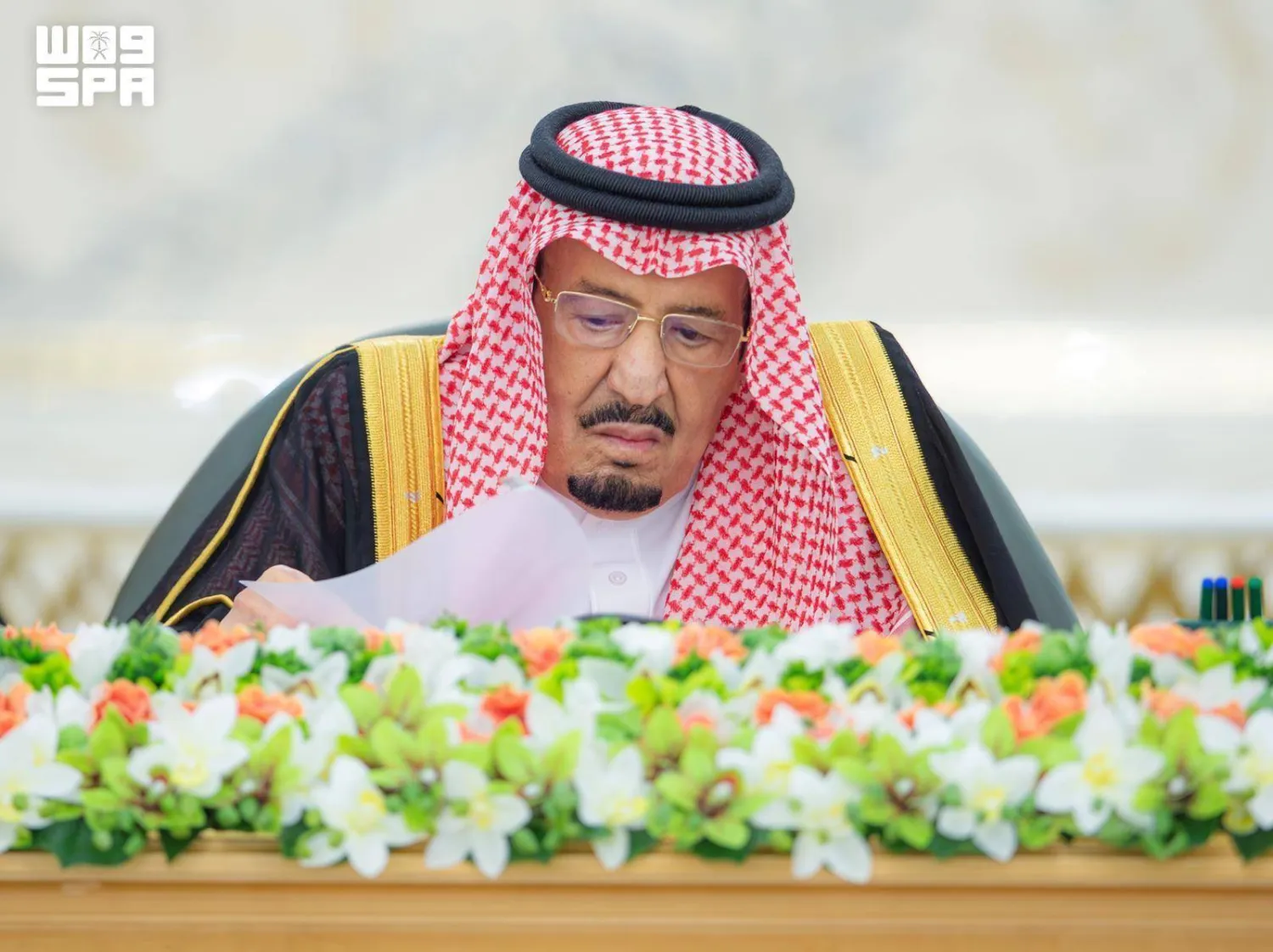
Custodian of the Two Holy Mosques King Salman bin Abdulaziz Al Saud chairs the Cabinet meeting in Jeddah on Tuesday. (SPA)
TT

Saudi Govt: Makkah Defense Agreement Strengthens Islamic Solidarity, Advances Common Interests

Custodian of the Two Holy Mosques King Salman bin Abdulaziz Al Saud chairs the Cabinet meeting in Jeddah on Tuesday. (SPA)

The Saudi government hailed on Tuesday the Makkah Joint Defense Agreement for reaffirming “the deep-rooted historical ties” between the Kingdom, Türkiye and Pakistan.

It also underscored their “shared commitment to strengthening the bonds of brotherhood and Islamic solidarity while advancing their common strategic interests.”

Custodian of the Two Holy Mosques King Salman bin Abdulaziz Al Saud chaired the Cabinet session that was held in Jeddah.

King Salman expressed his gratitude to Prince Mohammed bin Salman bin Abdulaziz Al Saud, Crown Prince and Prime Minister, Turkish President Recep Tayyip Erdogan; and Pakistan’s Prime Minister Muhammad Shehbaz Sharif for their successful and blessed efforts in convening the summit last week.

King Salman praised the outcomes of the tripartite summit in establishing a framework for a long-term defense partnership that will contribute to strengthening joint cooperation, coordination, and integration between the Kingdom, Türkiye, and Pakistan.

It will help in continuing efforts to address regional challenges and preserve international security and stability in a manner that supports the aspirations of the peoples of the region and the wider international community for a more prosperous and flourishing future.

The Cabinet was then briefed on the message received by King Salman from President of Zimbabwe Emmerson Mnangagwa, as well as the phone calls between Crown Prince Mohammed and French President Emmanuel Macron and Ukraine’s President Volodymyr Zelenskyy.

The Cabinet reviewed regional and international developments and Saudi Arabia’s efforts, through communication and coordination with brotherly and friendly countries, to support de-escalation in the region, advance diplomatic solutions, and strengthen all initiatives that respect the sovereignty and territorial integrity of states and ensure the security of waterways in the straits of Hormuz and Bab al-Mandeb as they are fundamental pillars of global economic stability.

The Cabinet welcomed the United Nations Security Council statement condemning the attacks and criminal acts committed by the terrorist Houthi militias in Yemen that threaten regional security and freedom of maritime navigation.

It reiterated Saudi Arabia's right to defend its security and resources and its unwavering support for the legitimate Yemeni government and UN-led efforts to achieve peace and stability in Yemen.

The Cabinet commended the steps taken at the Ministerial Meeting in Support of Jerusalem and its Holy Sites in Amman, reaffirming its categorical rejection of all attempts to alter the legal and historical status of Jerusalem or undermine its identity.

It called on the international community to halt Israeli violations in Gaza and the West Bank, protect holy sites, and support the Palestinian people.

The Cabinet noted Riyadh's hosting of the fourth UNESCO Global Forum on the Ethics of Artificial Intelligence in September, saying it reflects the Kingdom's commitment to multi-party global dialogue on emerging technologies and responsible AI use, contributing to a more inclusive and sustainable digital future.

The Cabinet also viewed the Kingdom's successful hosting of the International Nuclear Science Olympiad and Saudi students' top results in the competition as confirmation of its global leadership in scientific events and its commitment to empowering talented individuals in line with Saudi Vision 2030.


KSrelief, WHO Sign Joint Program to Treat Children with Acute Malnutrition in Yemen

The program is part of Saudi Arabia's efforts, represented by KSrelief, to strengthen cooperation and strategic partnership with WHO. SPA
TT

KSrelief, WHO Sign Joint Program to Treat Children with Acute Malnutrition in Yemen

The program is part of Saudi Arabia's efforts, represented by KSrelief, to strengthen cooperation and strategic partnership with WHO. SPA

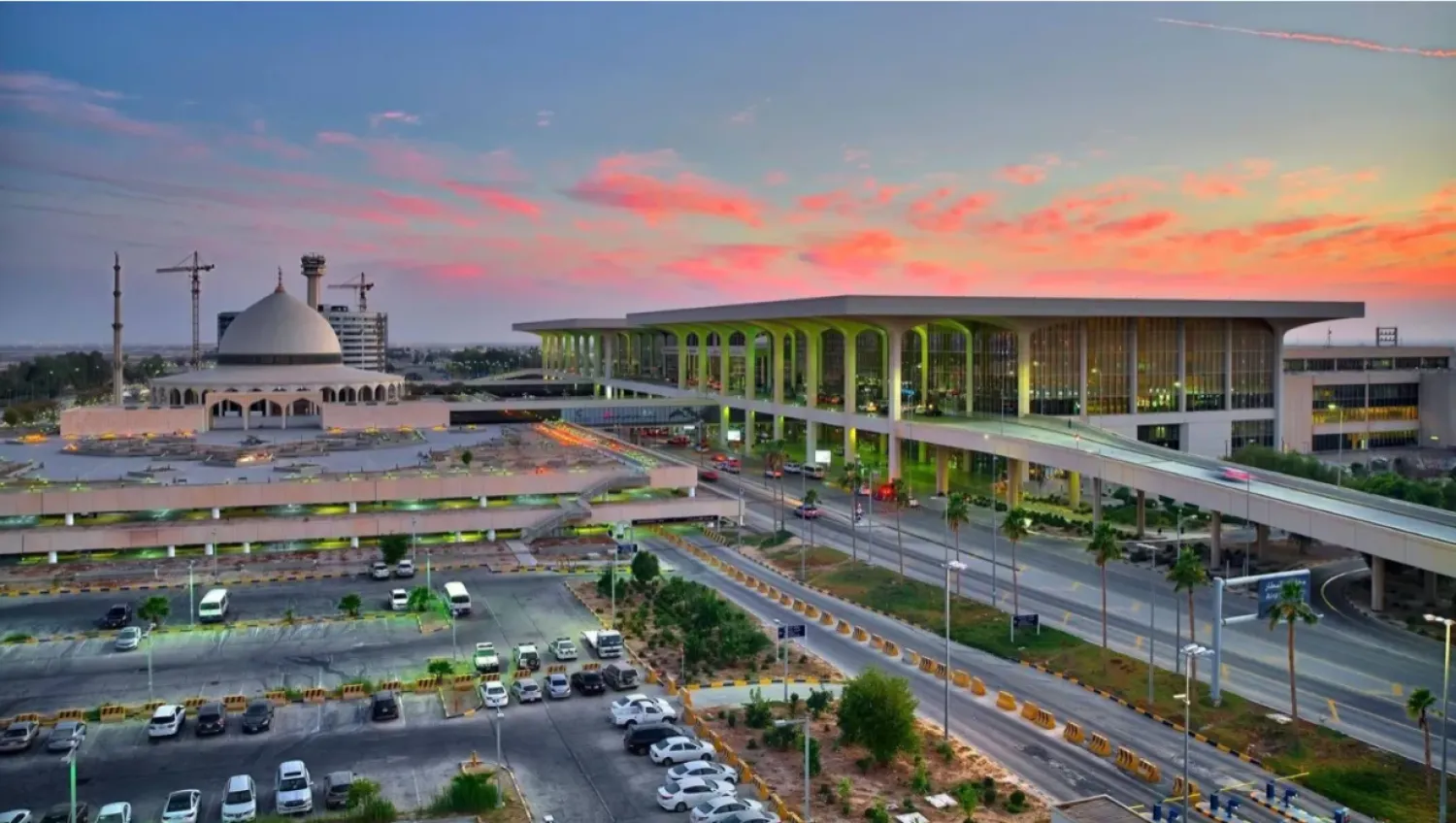
The King Salman Humanitarian Aid and Relief Center (KSrelief) has signed a joint executive program with the World Health Organization (WHO) to purchase and distribute therapeutic response packages for children suffering from severe acute malnutrition across 35 nutritional care centers in Yemen.

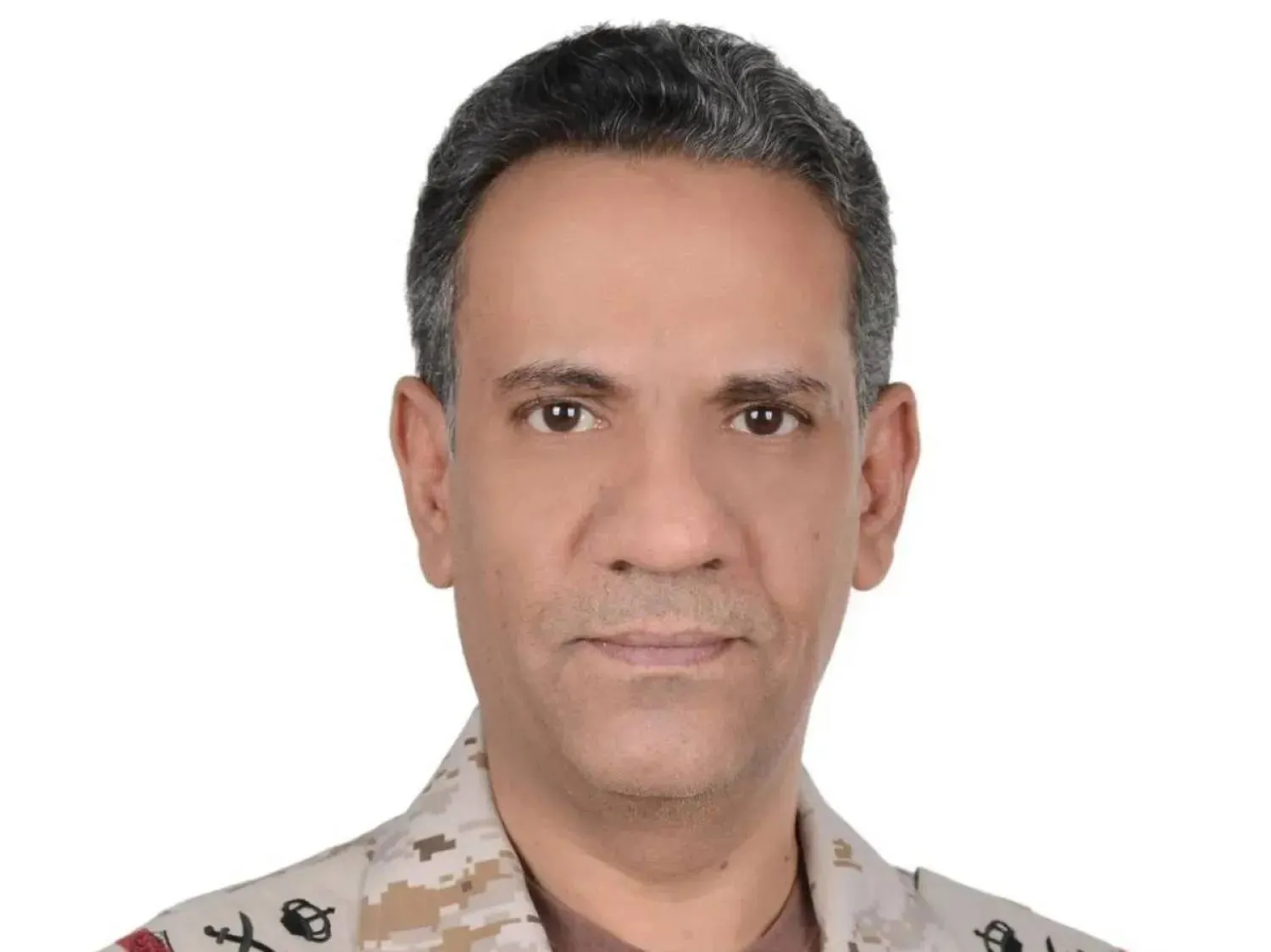
On the sidelines of the 81st session of the United Nations General Assembly in New York, the program was signed on Monday by Adviser at the Royal Court and Supervisor General of KSrelief Dr. Abdullah Al Rabeeah and WHO Director-General Dr. Tedros Adhanom Ghebreyesus.

The program is part of Saudi Arabia's efforts, represented by KSrelief, to strengthen cooperation and strategic partnership with WHO to provide medicines, essential equipment, and specialized treatment for children suffering from acute malnutrition in countries in need.

Dr. Al Rabeeah and Ghebreyesus also discussed ways to strengthen cooperation and coordinate efforts in health and humanitarian relief, and reviewed progress on joint projects supporting the most vulnerable populations worldwide.

Tedros praised Saudi Arabia's humanitarian and medical work through KSrelief, highlighting the center's pivotal role in supporting healthcare systems and its swift response to health crises and emergencies in countries in need.


Faisal bin Farhan Discusses Gaza, Regional Developments in New York Meetings

The Saudi Foreign Minister participates in the coordination meeting of the foreign ministers of the Group of Eight Arab-Islamic States (SPA)
TT

Faisal bin Farhan Discusses Gaza, Regional Developments in New York Meetings

The Saudi Foreign Minister participates in the coordination meeting of the foreign ministers of the Group of Eight Arab-Islamic States (SPA)

Saudi Minister of Foreign Affairs Prince Faisal bin Farhan bin Abdullah has participated in a coordination meeting of the foreign ministers of the Group of Eight Arab-Islamic States in New York.

Monday’s meeting - held on the sidelines of the High-level Week of the 81st session of the UN General Assembly - addressed the grave deterioration of the humanitarian situation in the Gaza Strip and the escalating violations in the West Bank.

The ministers also discussed ways to unify efforts and positions to mobilize international support for protecting the Palestinian people and advancing their just cause in international forums.

Prince Faisal also took part in the sixth meeting of the Regional Quartet Foreign Ministers, which was also attended by Pakistani Deputy Prime Minister and Foreign Minister Mohammad Ishaq Dar, Egyptian Minister of Foreign Affairs, International Cooperation and Egyptian Expatriates Dr. Badr Abdelatty, and Turkish Minister of Foreign Affairs Hakan Fidan.

The Saudi Foreign Minister participates in the sixth meeting of the Regional Quartet Foreign Ministers in New York (SPA)

The meeting addressed regional developments and ways to strengthen coordination and cooperation among the group's member states to help reduce tensions in the region, emphasizing the importance of intensifying diplomatic efforts to limit the repercussions of regional crises and preserve security and stability.

Prince Faisal also met separately with the Pakistani Deputy Prime Minister and Foreign Minister.

The meeting reviewed the close ties of cooperation between the two countries and discussed the latest regional developments and efforts to contain tensions through diplomatic solutions.

After the meeting, the two ministers signed a mutual exemption agreement from short-stay visa requirements for holders of diplomatic and special passports, aimed at facilitating procedures, strengthening coordination, and expanding areas of cooperation between the two countries.

The Saudi Minister of Foreign Affairs also participated in the ministerial meeting between the Gulf Cooperation Council (GCC) states and Switzerland.

The Saudi Foreign Minister participates in the ministerial meeting between Gulf countries and Switzerland (SPA)

The meeting addressed topics and issues of mutual interest, and reviewed areas of cooperation and coordination between the GCC states and Switzerland and ways to strengthen them in service of shared interests.

A similar ministerial meeting between the GCC states and France was also held.

The Foreign Minister participates in the ministerial meeting between the GCC states and France (SPA)

The talks, which were attended by Prince Faisal, addressed regional developments and their implications for security and stability in the region, as well as areas of cooperation and coordination between the GCC states and France in addressing current challenges.

The meeting also reviewed key topics and issues of mutual interest on the UN General Assembly agenda.


GCC Stresses Importance of Elevating Ties with France

Gulf and French officials are seen at the meeting in New York. (GCC)
TT

GCC Stresses Importance of Elevating Ties with France

Gulf and French officials are seen at the meeting in New York. (GCC)

Secretary-General of the Gulf Cooperation Council (GCC) Jasem Mohamed Albudaiwi stressed on Monday that relations between the Gulf states and France are built on a solid strategic partnership, as well as shared interests and visions.

He highlighted the importance of continued efforts to elevate these relations and expand their scope to serve mutual interests, contributing to the support of security, stability, and peace both regionally and globally.

This came during a joint ministerial meeting between the GCC and France, co-chaired by Dr. Abdullatif Al-Zayani, Bahraini Minister of Foreign Affairs, and Jean-Noel Barrot, French Minister for Europe and Foreign Affairs, with the attendance and participation of the GCC foreign ministers, on the sidelines of the UN General Assembly in New York.

Albudaiwi noted that the meeting comes amid highly sensitive circumstances in the region, pointing to the Iranian attacks targeting vital installations and diplomatic premises that Gulf states have faced since February 28, despite these countries not being a party to the war and having exerted tireless efforts to mediate and contain the escalation.

He stressed the position of the Gulf states calling for ensuring the security and safety of waterways and freedom of international navigation, stressing the need to commit to Security Council Resolution 2817, the return of navigation in the Straits of Hormuz and Bab al-Mandeb to its status prior to February 28, and the rejection of imposing any unilateral fees or conditions on the right of passage.

Albudaiwi commended France's position rejecting the attacks on Gulf countries, as well as its participation in international efforts aimed at reopening the Strait of Hormuz.

On the Palestinian cause, he reaffirmed its centrality, as well as the need to end the Israeli occupation and establishing an independent Palestinian state based on the 1967 borders with East Jerusalem as its capital, according to the Arab Peace Initiative and international resolutions.

Albudaiwi said the partnership between the GCC and France extends beyond addressing current challenges to building a shared vision for a more secure, stable, and prosperous future.

The mutual interests, visions, and political will binding the two sides form a solid foundation for expanding cooperation in political, security, economic, investment, and technological fields, as well as energy, defense, and education, he remarked.

The GCC views France as an important strategic partner, both at the level of Gulf-French and Gulf-European relations, praising Paris' role in supporting and strengthening that partnership, he went on to say.

He said Gulf countries were looking forward to the second Gulf-European Summit, scheduled to be held in Saudi Arabia on October 24. It will mark an important milestone to elevate this partnership and achieve tangible results in priority areas for both sides.

Albudaiwi underscored the strength of economic relations between the two sides, noting that the volume of trade exchange between the GCC and France has exceeded 60 billion euros, reflecting the promising opportunities and potential these relations possess to boost trade, investment, and cooperation in priority sectors.