Saudi State Institutions: A Century Since the Basic Instructions

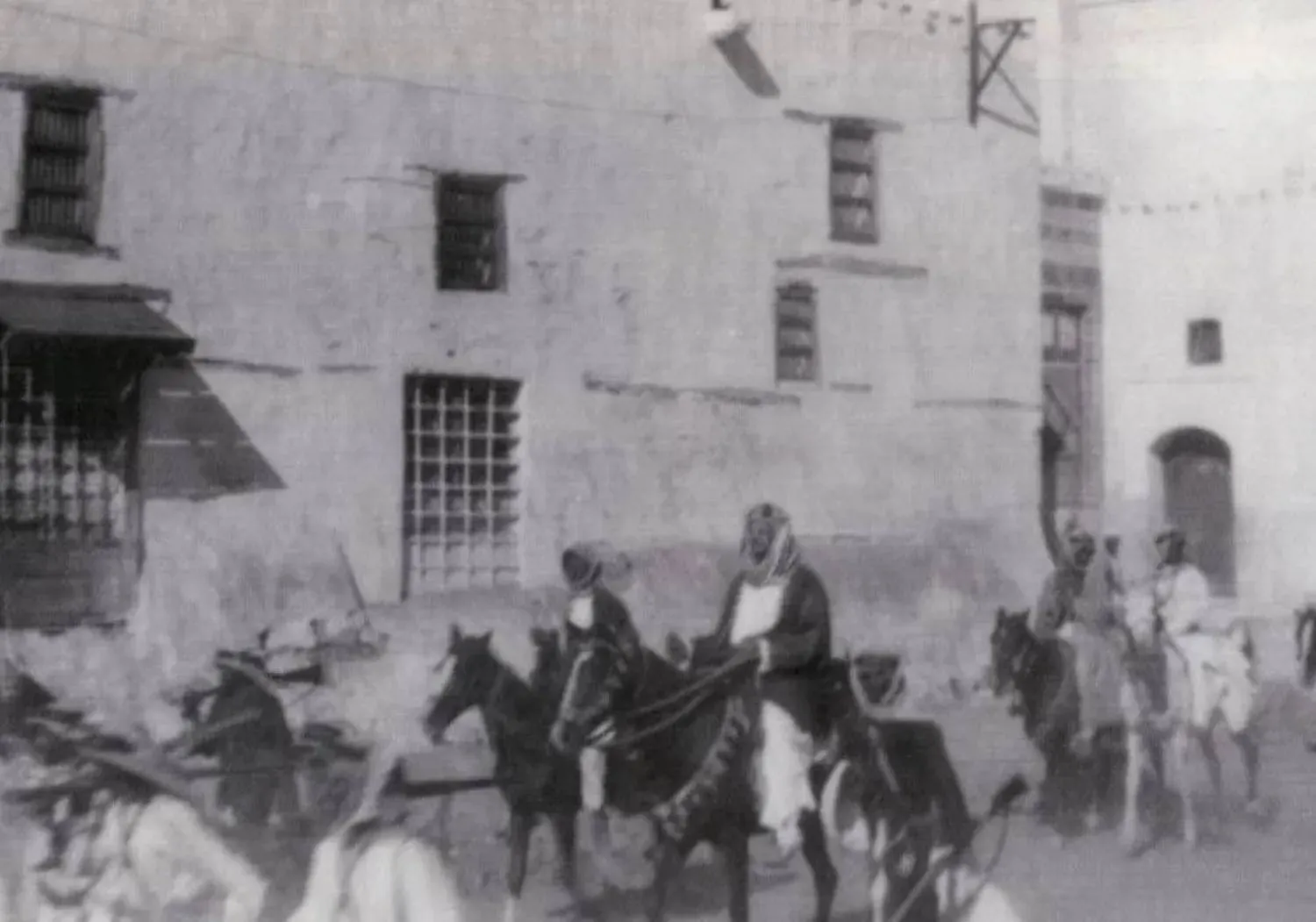
An early, rare photograph of King Abdulaziz in Makkah after he left the Grand Mosque (King Abdulaziz Foundation)
TT

Saudi State Institutions: A Century Since the Basic Instructions

An early, rare photograph of King Abdulaziz in Makkah after he left the Grand Mosque (King Abdulaziz Foundation)

By Bandar Bin Abdulrahman Bin Moamar

Saudi Arabia was built neither on the ruins of another state nor on institutions left by a colonial power. Its founding three centuries ago was an achievement without precedent in the Arabian Peninsula.

King Abdulaziz, the founder of modern Saudi Arabia, inherited no unified state apparatus. Conditions and administrative arrangements varied across the regions. He drew on what existed, then brought those structures together and developed them as part of a growing institutional project.

After completing the annexation of the Hejaz in 1925, he laid new foundations for state institutions and administration, accelerating regional integration and strengthening national unity.
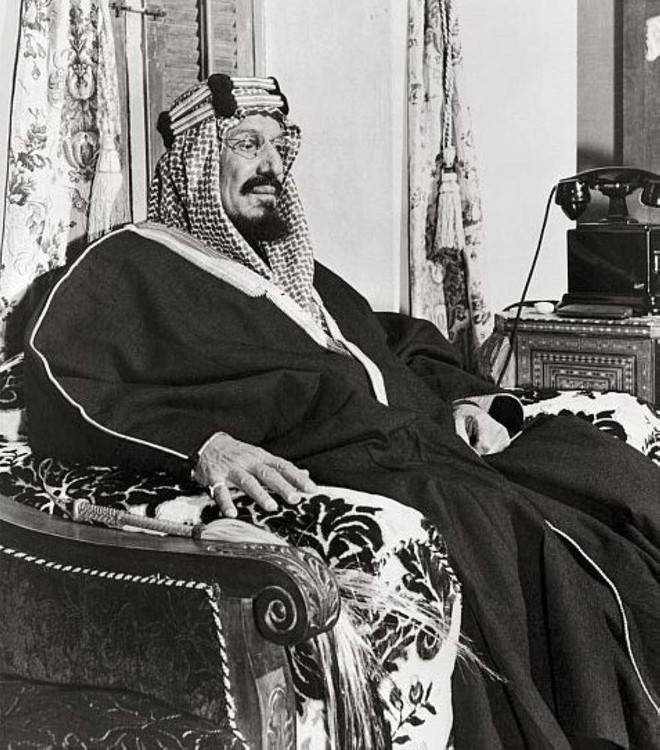
King Abdulaziz, the founder of modern Saudi Arabia

Saudi Arabia’s 96th National Day this year marks another anniversary: a century since the Basic Instructions were issued on Aug. 31, 1926. Dr. Abdulrahman Al-Shubaily called them “the first written constitutional document in the history of the modern Saudi state.”

The occasion also comes a decade after the launch of Saudi Vision 2030 in 2016, a decade of unprecedented achievements. Yet the institutional thinking that connects the 1920s with the 2020s has received too little study. It deserves a closer look.

A century since the first founding document

The Basic Instructions followed the pledge of allegiance to King Abdulaziz as king of the Hejaz in January 1926. They served as a first constitution, opening the phase that led to Saudi Arabia’s unification in 1932.

Across 79 articles, the document laid the legal foundations for government. It defined the powers of the king’s deputy in the Hejaz and set out the administrative structures, the Shura Council and six departments: Sharia affairs, interior, foreign affairs, finance, education and the army. Those departments became the seeds of a government system that today includes more than 20 ministries and over 300 institutions, authorities and agencies.

The document’s significance becomes clearer in its historical setting. King Abdulaziz tasked an elected committee of national figures from various fields with drafting it.

They included Abdulqader Al-Shaibi, Mohammed Sharaf Adnan, Mohammed Al-Marzouqi Abu Hussein, Saleh Shatta, Mohammed Hussein Nassif, Suleiman Qabel, Mahmoud Shalhoub, Hussein Basalama, Ali Kutbi, Mohammed Saeed Abu Al-Khair, Mohammed Majed Al-Kurdi, Abdullah Zainal, Hussein Adnan and Abdullah Al-Dahlawi.

Together, they helped draft a blueprint for a state built on institutions. It showed early political maturity in a region shaped by conquest and control.

One point is often overlooked: the Basic Instructions applied to the Kingdom of the Hejaz, even as their institutions influenced other regions. Najd and the Hejaz remained separate kingdoms under King Abdulaziz. Fuad Hamza noted that changing conditions required amendments to parts of the document while it was in force.

The instructions remained a constitution until the two kingdoms were unified. In retrospect, they were deliberately transitional: a founding document for a state still taking shape, not a fixed system. King Abdulaziz built institutions knowing that a larger, more comprehensive structure would follow.

The decades between the two documents

From 1926 to 1932, the Basic Instructions governed the work of state institutions under King Abdulaziz’s skilled leadership and close oversight. They framed the transition to a unified state. Vision 2030 also charts a transition, including the shift from a rentier economy to a diversified one and from a consuming state to a producing one.

The parallel goes beyond form. A century ago, the Basic Instructions brought the army, education, the judiciary, taxation and the Hajj under one document. Vision 2030 brings energy, technology, culture, tourism, industry and education into one national plan.

The circumstances, however, could hardly be more different. The 1926 document governed the institutions of a kingdom struggling to survive in a turbulent region. The 2016 document guides the ambitions of a state with the region’s largest economy, a seat in the Group of 20 major economies and a leading role in the Arab and Islamic worlds.

From domestic development to an international presence

Over the past century, Saudi Arabia has undergone sweeping change and development across all fields. Through complex regional and global upheaval, preserving stability while continuing to build has remained a constant concern.

Sovereignty and national unity have been non-negotiable throughout the Saudi state’s history. That resolve has come with careful calculation of the costs and consequences of confrontation.

Saudi Arabia has also shown restraint in managing conflicts: favoring diplomacy and mediation over open confrontation and avoiding unequal wars whenever possible. This practical approach has been a feature of its policy.

The distinction between enduring principles and changing circumstances helps explain the state’s institutional continuity over three centuries, despite repeated shifts in regional and international power. Studies of Saudi foreign policy trace these principles to King Abdulaziz’s reign and find a common thread in major decisions taken decades apart.

In recent years, Saudi Arabia has gradually changed how it handles regional issues, reshaping conventional views of its international role. Media and researchers have called the approach a policy of “zeroing out crises” or “zero problems.”

It has developed alongside Vision 2030, which links regional stability to economic diversification and attracting investment. Saudi Arabia has also expanded its engagement in international affairs and built strategic alliances and partnerships.

The tools and methods have changed; the underlying principles have endured. The ability to adapt while preserving those foundations remains a defining feature of Saudi policy.

Saudi political discourse stresses respect for the sovereignty of other states and noninterference in their internal affairs. King Abdulaziz sought to establish those same principles in his dealings with the British, from the Uqair talks in 1922 to the Treaty of Jeddah in 1927.

Why, then, have these principles and changes received so little institutional and academic attention?
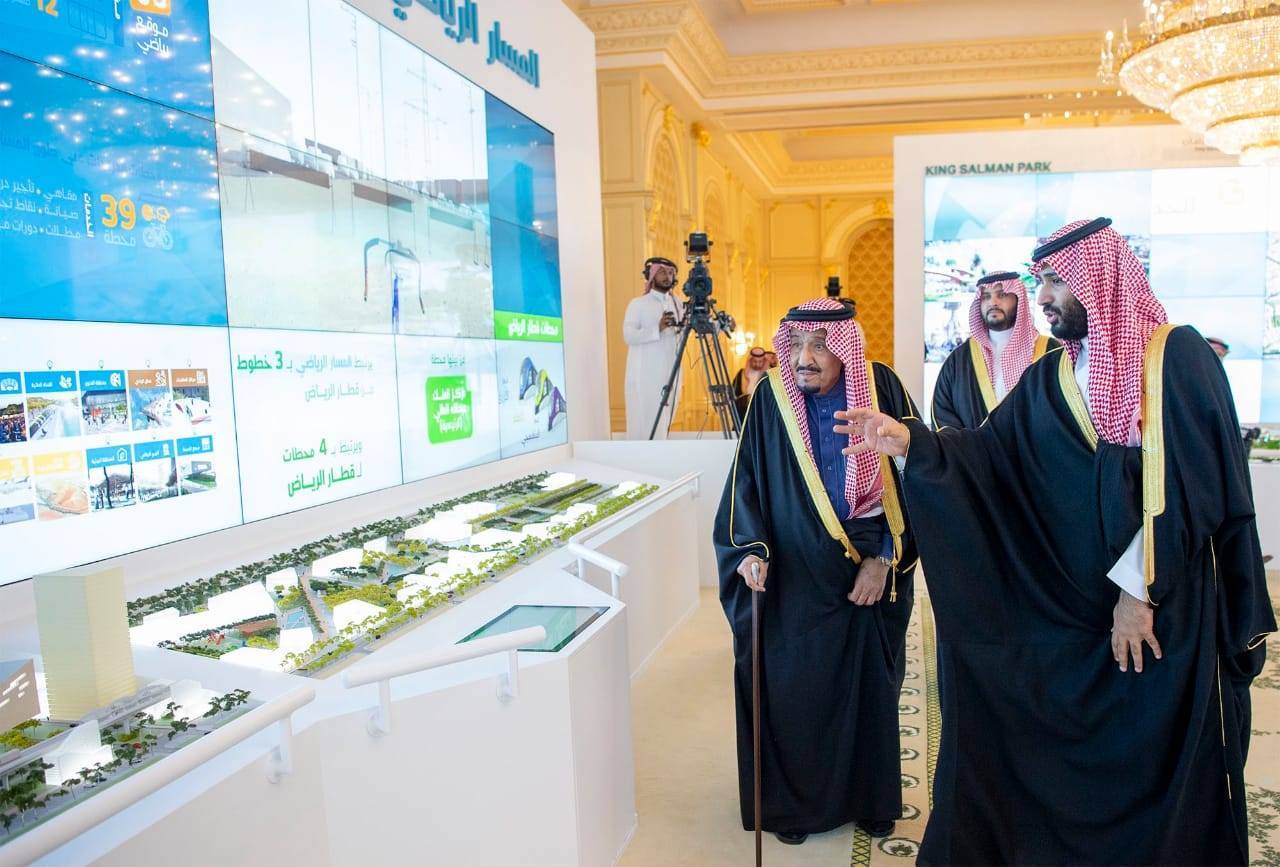
Custodian of the Two Holy Mosques King Salman bin Abdulaziz Al Saud and Prince Mohammed bin Salman bin Abdulaziz Al Saud, Saudi Crown Prince and Prime Minister. SPA

A state whose models are sought abroad

In 1926, King Abdulaziz produced a first constitutional document for a state short of resources and modern amenities. A century later, Saudi Arabia ranks first globally in the growth of its innovation and entrepreneurship ecosystem, according to StartupBlink’s 2025 report. Its approaches to economic transformation and political affairs are now studied elsewhere.

The contrast is stark. In December 1922, King Abdulaziz attended the Uqair conference to negotiate his state’s borders with the British. About a century later, Saudi Arabia won the right to host Expo 2030 with the highest share of votes in the event’s history. It was also awarded the 2034 World Cup without a rival bid. A state that once negotiated its borders with the great powers has been chosen to host two major global events.

The Basic Instructions were built to be superseded. Vision 2030, different in nature and purpose, also charts a stage to move beyond. Each document has framed what comes next while raising the level of ambition. That ambition began three centuries ago with the drive to bring divided communities together. It continues through successive achievements and the surpassing of targets.

The distinction between the documents matters. The Basic Instructions managed an institutional transition through legal rules for government and administration. Vision 2030 guides an institutional transformation through a national strategic framework. Their legal character is different. What connects them is their use of a comprehensive framework to manage change.

Saudi Arabia’s successive achievements keep opening new chapters in its history. They deserve sustained study and documentation — from researchers and historians, but also from public policy centers, universities and institutions that still treat the present as a given rather than a subject for serious inquiry.
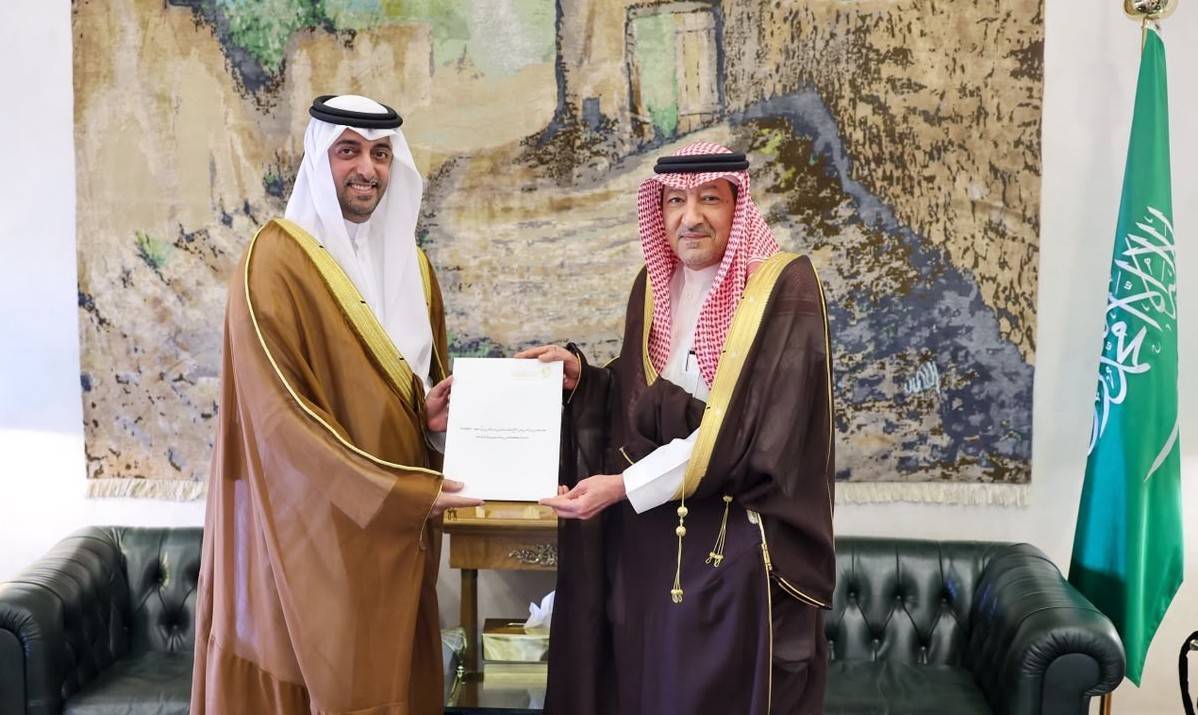

Custodian of the Two Holy Mosques Receives Written Message from Emir of Qatar

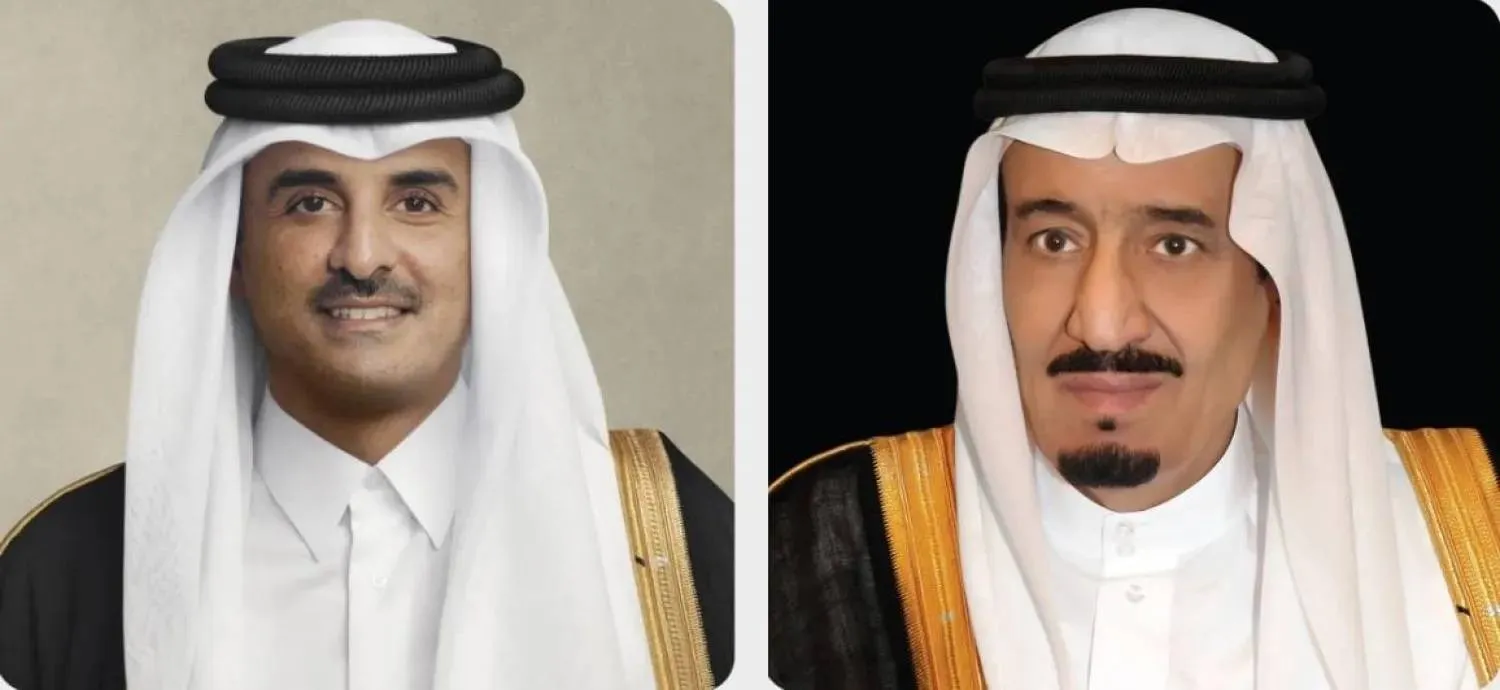
Custodian of the Two Holy Mosques King Salman bin Abdulaziz Al Saud and Emir of Qatar Sheikh Tamim bin Hamad Al Thani. (Asharq Al-Awsat)
TT

Custodian of the Two Holy Mosques Receives Written Message from Emir of Qatar

Custodian of the Two Holy Mosques King Salman bin Abdulaziz Al Saud and Emir of Qatar Sheikh Tamim bin Hamad Al Thani. (Asharq Al-Awsat)

Custodian of the Two Holy Mosques King Salman bin Abdulaziz Al Saud received on Monday a written message from Emir of Qatar Sheikh Tamim bin Hamad Al Thani on bilateral relations between their countries.

The message was received by Vice Minister of Foreign Affairs Waleed Elkhereiji during a meeting with Ambassador of Qatar to Saudi Arabia Bandar bin Mohammed Al Attiyah at the ministry's headquarters in Riyadh.

Vice Minister of Foreign Affairs Waleed Elkhereiji meets with Ambassador of Qatar to Saudi Arabia Bandar bin Mohammed Al Attiyah in Riyadh on Monday. (SPA)

The meeting reviewed bilateral relations between their countries, ways to boost them in various fields. They also discussed issues of common interest.


Qatar Calls for Non-Aggression Pact with Iran, Announces Plans to Strengthen Defense Industry

Qatari Deputy Prime Minister and Minister of State for Defense Affairs Sheikh Saoud bin Abdulrahman Al Thani attends the opening of the eighth Global Security Forum in Doha on Monday.
TT

Qatar Calls for Non-Aggression Pact with Iran, Announces Plans to Strengthen Defense Industry

Qatari Deputy Prime Minister and Minister of State for Defense Affairs Sheikh Saoud bin Abdulrahman Al Thani attends the opening of the eighth Global Security Forum in Doha on Monday.

Qatar has called for a regional dialogue involving the Gulf Cooperation Council (GCC) states and Iran, with the participation of Türkiye and Pakistan, aimed at reaching security understandings based on confidence-building measures and a non-aggression agreement.

The proposal comes as Doha prepares to unveil new defense partnerships and plans to establish a domestic military production center, part of efforts to strengthen its ability to counter missile threats, drones and cyberattacks.

The announcements were made by Sheikh Saoud bin Abdulrahman Al Thani, Qatar's Deputy Prime Minister and Minister of State for Defense Affairs, during the opening of the eighth Global Security Forum in Doha on Monday.

The forum, which runs through October 21 under the theme "The Future of Alliances", brings together officials and experts in international security and politics.

The Qatari minister said achieving lasting peace with Iran would require addressing mutual security concerns and building economic relationships that could help prevent renewed conflict.

He stressed that Qatar continues to maintain contact with Tehran despite the attacks it has suffered and supports mediation efforts led by Pakistan, in cooperation with Oman and other partners, to seek a settlement to the conflict between the United States and Iran.

On defense security, Sheikh Saoud revealed that Qatar is preparing to announce a partnership with regional parties to develop its air defense, counter-drone and cybersecurity capabilities.

He also announced plans to establish a domestic defense production center in cooperation with a regional partner and countries including the United States, the United Kingdom and France, either by localizing certain military industries or investing in specialized companies.

The minister explained that a defense review conducted by Qatar had identified air defense, cybersecurity and electronic warfare as priorities, following the threats witnessed across the region during the recent conflict.

He said Doha would soon announce the establishment of the domestic defense production center, explaining that Qatar is working with a regional partner, alongside the United States, Britain and France, to develop local defense capabilities or invest in companies operating in the sector.

Asked about the threats facing Qatar and other Gulf countries, particularly ballistic missiles, drones and cyberattacks, Sheikh Saoud said a new partnership with regional parties would be announced soon to launch an initiative aimed at building capabilities in those three areas and others.

The minister emphasized the importance of Qatar's military partnership with the United States, noting that defense cooperation and exchanges of expertise had helped intercept more than 90 percent of attacks during the conflict.

He also reaffirmed Qatar's commitment to the continued development of Al Udeid Air Base, describing it as a Qatari facility that hosts allied forces and supports multiple missions, including counterterrorism operations.

On energy security, Sheikh Saoud warned that the economic repercussions of disruptions to oil and gas supplies had not yet reached their peak, and that their effects on prices and consumers could continue over the coming months.

He also rejected the imposition of fees on vessels transiting the Strait of Hormuz, stressing the need for an agreement guaranteeing freedom of navigation and stability in energy markets.

The minister addressed the Israeli attack on Qatar, arguing that targeting a country engaged in mediation undermines confidence in diplomatic efforts.

He also referred to the apology issued by the Israeli prime minister following the attack.

Discussing Iranian attacks on Qatari facilities and interests, Sheikh Saoud said Doha had drawn lessons from the incidents to strengthen its defense preparedness, without abandoning dialogue with Tehran.

He stressed that mediation and military readiness are not mutually exclusive, explaining that preventing wars requires sustained diplomatic engagement alongside the development of capabilities necessary to protect national sovereignty.

The Global Security Forum, organized by the Soufan Center and the Qatar International Academy for Security Studies, is being held under the patronage of Sheikh Mohammed bin Abdulrahman Al Thani, Qatar's Prime Minister and Minister of Foreign Affairs.

The forum is examining the future of alliances and defense partnerships, maritime security and supply chains, cybersecurity challenges, and de-escalation diplomacy amid ongoing shifts in international relations.


Saudi Arabia, France Discuss Relations and Regional Developments

Saudi Minister of Foreign Affairs Prince Faisal bin Farhan bin Abdullah holding talks with Minister for Europe and Foreign Affairs of the French Republic Jean-Noël Barrot - SPA
TT

Saudi Arabia, France Discuss Relations and Regional Developments

Saudi Minister of Foreign Affairs Prince Faisal bin Farhan bin Abdullah holding talks with Minister for Europe and Foreign Affairs of the French Republic Jean-Noël Barrot - SPA

Saudi Minister of Foreign Affairs Prince Faisal bin Farhan bin Abdullah met with Minister for Europe and Foreign Affairs of the French Republic Jean-Noël Barrot.

During the meeting, they reviewed bilateral relations and the existing partnership across various fields, exploring ways to further strengthen them to serve mutual interests and support the aspirations of both friendly nations.

The ministers also discussed regional developments and efforts to mitigate the repercussions of ongoing events. Barrot expressed his country’s condemnation of the terrorist attacks carried out by the Houthi militia and affirmed France’s solidarity with Saudi Arabia.

The two sides also underscored the importance of intensifying diplomatic efforts to ensure the security and safety of regional waterways and freedom of navigation, as well as supporting diplomatic efforts to achieve comprehensive and sustainable solutions to ongoing regional crises, thereby enhancing security and stability across the region.