


Flydubai Co-Pilot Planned Suicide Attack on Tel Aviv Airport, Says UAE Prosecutor

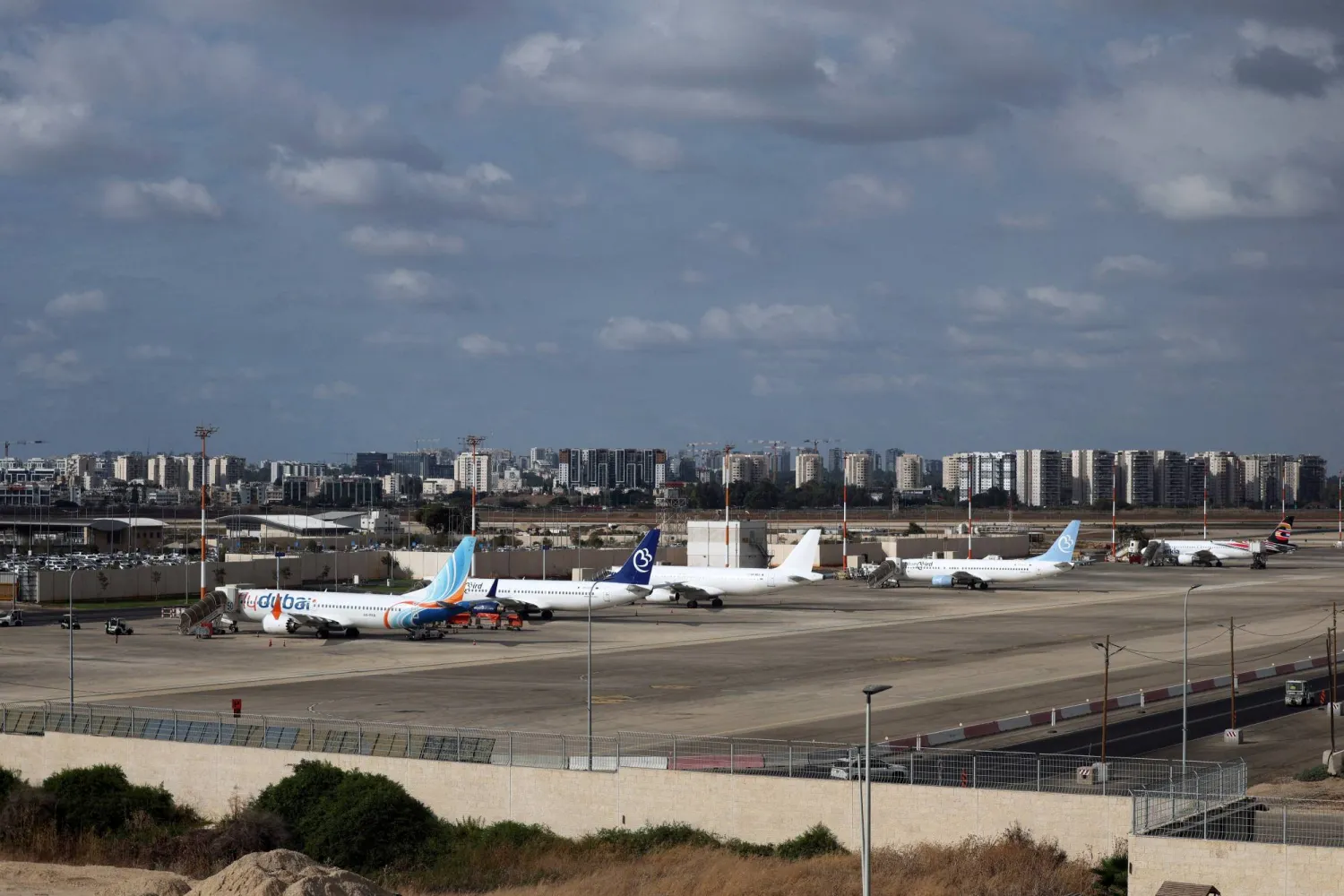
Planes sit on the tarmac at Ben Gurion International Airport after a Flydubai aircraft bound for Israel from the United Arab Emirates was diverted to Saudi Arabia following an emergency signal, in Lod, near Tel Aviv, Israel, September 30, 2026. (Reuters)
TT

Flydubai Co-Pilot Planned Suicide Attack on Tel Aviv Airport, Says UAE Prosecutor

Planes sit on the tarmac at Ben Gurion International Airport after a Flydubai aircraft bound for Israel from the United Arab Emirates was diverted to Saudi Arabia following an emergency signal, in Lod, near Tel Aviv, Israel, September 30, 2026. (Reuters)

The co-pilot who attacked the captain of a flydubai jet last week had planned to crash the plane into Tel Aviv's international airport, the United Arab Emirates' top prosecutor said on Friday.

In the aftermath of the incident, people on board -- the majority of whom were Israeli -- described a sudden plunge in altitude and a fight for control of the aircraft, which was forced to make an emergency landing in Saudi Arabia. The passengers were repatriated on a second flydubai flight hours later.

The unnamed Omani co-pilot, now in custody in the UAE, had drawn inspiration from Al-Qaeda's September 11, 2001, suicide attacks on the United States, and carried out his attempt "with the aim of causing the greatest possible loss of life", according to the Emirati prosecutor's findings published by state media.

The prosecutor found that the co-pilot had first begun to be radicalized while studying in Australia "through reading extremist literature and following online content glorifying terrorist organizations and suicide attacks".

He said last week's flight had been the co-pilot's third to Tel Aviv, and that he had used the two earlier trips to plan the attack.

During the flight, the suspect used an emergency axe to attack the plane's Indian captain, Smit Machchhar, who fought back and tried to call for help.

Another pilot assigned to the return flight, who was also on board, "noticed the cockpit door opening and closing repeatedly in an unusual manner", according to the findings.

After gaining entry, he "intervened with the assistance of a cabin crew member and several passengers, and together they rescued the injured captain and restrained the suspect".

The return flight captain and his co-pilot then landed the plane at Tabuk Airport in Saudi Arabia.

- No sign of intentions -

Israel and the UAE normalized ties under the US-brokered Abraham Accords in 2020, and Israel carries out stringent security checks on those travelling to the country.

Prime Minister Benjamin Netanyahu previously said that the co-pilot -- identified in reports as Hamam al-Hammami -- must have gotten around restrictions preventing individuals from nations that do not recognize Israel operating flights to the country.

The UAE prosecutor's "findings showed that he had met the professional and security requirements for employment, including holding a pilot's license, providing a certificate of good conduct and completing the required checks".

"However, none of the procedures revealed any indications of his extremist views or his intention to carry out a terrorist plot."

After the incident, Netanyahu had hailed the passengers and the plane's captain for their bravery in averting what would have otherwise been a catastrophe.

He later ordered a "thorough review of all security aspects of foreign civil aviation to Israel" in response to the incident.


Saudi Crown Prince Inquires About Health of Emir of Kuwait

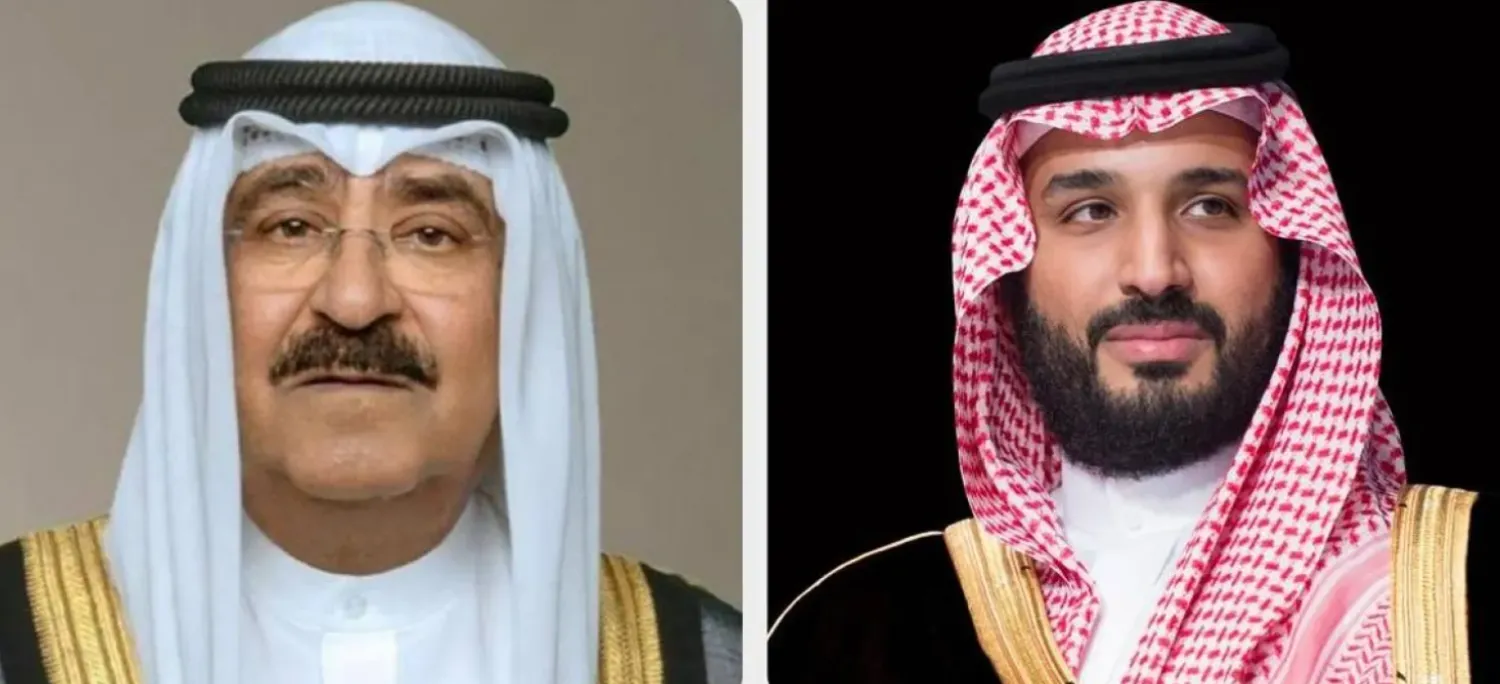
Saudi Crown Prince Mohammed bin Salman and Kuwait’s Emir Sheikh Meshal Al-Ahmad Al-Jaber Al-Sabah (Asharq Al-Awsat)
TT

Saudi Crown Prince Inquires About Health of Emir of Kuwait

Saudi Crown Prince Mohammed bin Salman and Kuwait’s Emir Sheikh Meshal Al-Ahmad Al-Jaber Al-Sabah (Asharq Al-Awsat)

Prince Mohammed bin Salman bin Abdulaziz Al Saud, Saudi Crown Prince and Prime Minister, held a phone call on Monday with Emir of Kuwait Sheikh Meshal Al-Ahmad Al-Jaber Al-Sabah.

The Crown Prince conveyed to him the greetings of Custodian of the Two Holy Mosques King Salman bin Abdulaziz Al Saud and his wishes for his continued good health, SPA reported.

The Crown Prince also inquired about the Emir's health, wishing him continued health and well-being.

Sheikh Meshal expressed his gratitude to King Salman and Crown Prince Mohammed for their gesture.


MWL Condemns Attacks on Civilians in Sudanese Capital

MWL Condemns Attacks on Civilians in Sudanese Capital
TT

MWL Condemns Attacks on Civilians in Sudanese Capital

MWL Condemns Attacks on Civilians in Sudanese Capital

The Muslim World League (MWL) strongly condemned UAV attacks that targeted civilians, civilian facilities, and a United Nations-affiliated building in the Sudanese capital, Khartoum.

In a statement issued by the MWL General Secretariat, MWL Secretary-General and Chairman of the Organization of Muslim Scholars Sheikh Dr. Mohammed bin Abdulkarim Al-Issa denounced the criminal act, saying it violated all religious values, as well as international and humanitarian laws and norms, SPA reported.

Al-Issa reiterated the MWL's firm rejection and condemnation of attacks targeting civilians, civilian facilities, United Nations organizations, and their personnel.

He also extended his sincere condolences and sympathies to the families of the victims and the injured, wishing the injured a speedy recovery.


Saudi Arabia Seeks to Strengthen Resilience of Digital Services Against Risks

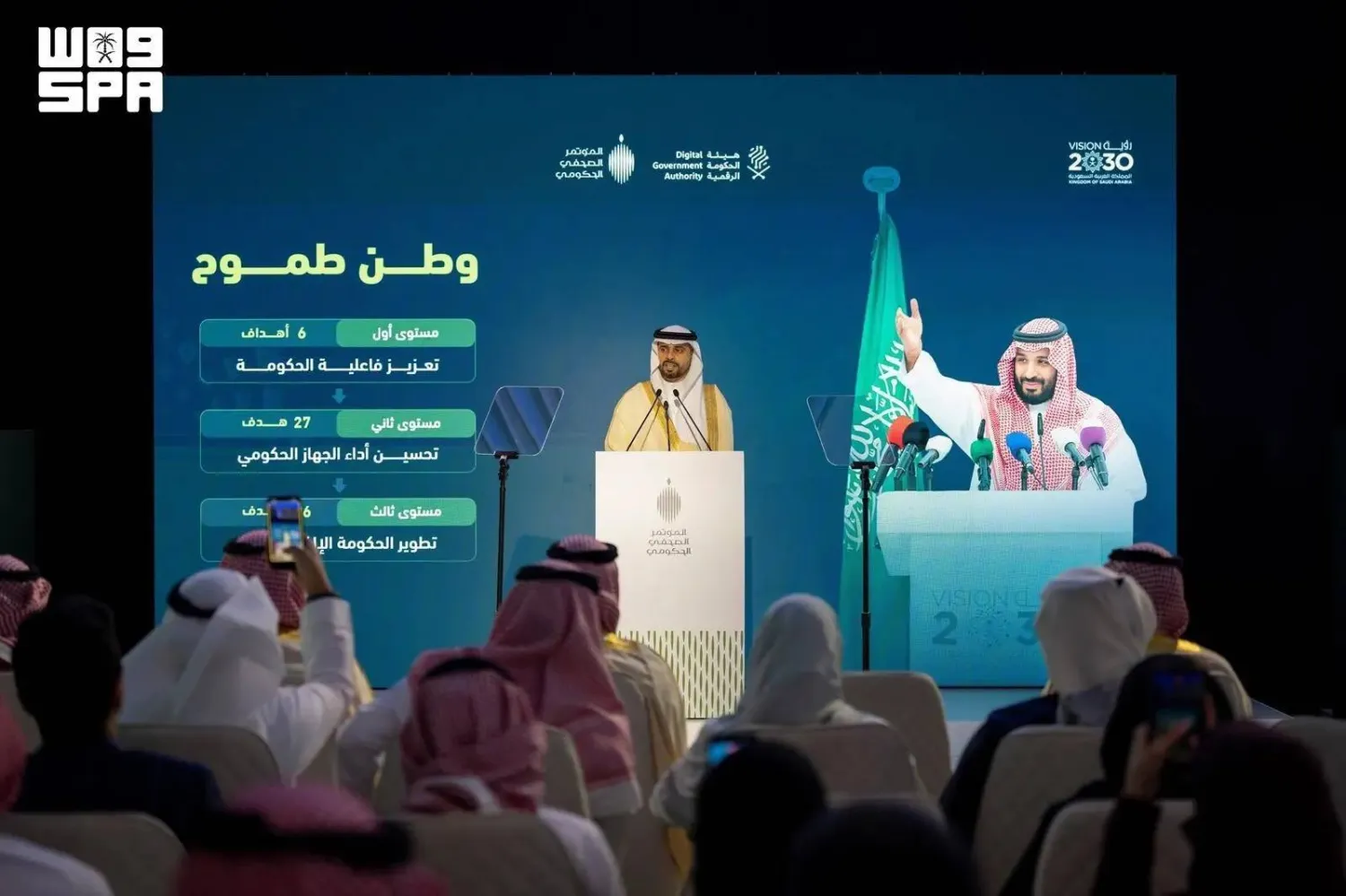
Governor of Saudi Arabia’s Digital Government Authority (DGA) Eng. Ahmed bin Mohammed Alsuwaiyan speaks at Sunday's press conference in Riyadh. (SPA)
TT

Saudi Arabia Seeks to Strengthen Resilience of Digital Services Against Risks

Governor of Saudi Arabia’s Digital Government Authority (DGA) Eng. Ahmed bin Mohammed Alsuwaiyan speaks at Sunday's press conference in Riyadh. (SPA)

Governor of Saudi Arabia’s Digital Government Authority (DGA) Eng. Ahmed bin Mohammed Alsuwaiyan underlined on Sunday the importance of raising the readiness of government services and strengthening their digital resilience against risks amid growing reliance on digital services.

He noted that maintaining business continuity requires "providing operational alternatives and conducting continuous exercises to ensure government entities' capacity to handle risks and continue delivering their services".

During a government press conference in Riyadh, Alsuwaiyan explained that the National Cybersecurity Authority is responsible for setting technical standards and monitoring service providers' compliance with them, while the DGA oversees business continuity and strengthens readiness and resilience by providing alternatives and running periodic exercises to address cyber and operational risks.

He called for boosting interconnectivity among digital governments to facilitate the seamless cross-border transfer of data and services in collaboration with the United Nations, the Gulf Cooperation Council (GCC), and international bodies.

He pointed to the ability to complete transactions inside Saudi Arabia using only a mobile phone, contrasted with the continued need to carry a physical passport when traveling between countries.

Alsuwaiyan revealed an ambition to enable users in the future to authorize a "smart agent" (agentic AI) to execute transactions on their behalf without needing to log into government platforms, such as renewing driver's licenses and domestic worker residencies, noting that work is underway to develop new models over the coming months.

Reviewing Saudi Arabia’s progress on the E-Government Development Index (EGDI), he explained that the Kingdom’s baseline ranking in the Saudi Vision 2030 document, based on the 2014 report, stood at 36th globally before declining to 44th in 2016 and 52nd in 2018.

Early stages faced challenges that required restructuring, organizing governance, and establishing appropriate frameworks, ultimately propelling the Kingdom to 4th place globally in 2026 out of 194 countries, achieving the Vision 2030 target of ranking among the world's top five digital governments, Alsuwaiyan added.

Saudi Arabia climbed from 49th place globally in 2018 to first in the world in digital government services, while its capital, Riyadh, rose from 30th to first place globally in local digital government services he revealed.

Citing examples of direct impact, Alsuwaiyan stated that completing services via the "Absher" platform was reduced from four hours to 30 seconds, generating estimated annual savings of SAR 26 billion. Virtual courts have enabled 95 percent of court hearings to be conducted remotely, while the average time required to issue judicial rulings in personal status cases dropped from 219 to 20 days.

Digital healthcare services have eliminated the need for more than 60 million in-person visits annually, with 51 percent of medical appointments now conducted remotely, he went on to say.

Furthermore, the time required to dispense medications fell from 72 hours to less than eight minutes, yielding savings exceeding SAR 1.5 billion in medication costs, and eliminating more than 1.3 million in-person visits daily and reducing customs clearance time from 12 days to two hours.

Alsuwaiyan also revealed that government spending on information and communications technology (ICT) services exceeded SAR 145 billion between 2022 and the end of 2025, while contracts awarded to small and medium-sized enterprises (SMEs) and entrepreneurs surpassed SAR 9 billion in 2025.

He explained that the DGA’s Innovation Center provides specialized innovation spaces, workshops, and laboratories to support government entities in developing high-quality services and products, having benefited more than 4,000 government employees and delivered over 2,100 specialized consultations.

The center serves as a tool to harness modern technologies for economic impact and better job quality, rather than being an end in itself, he noted.

Alsuwaiyan also highlighted a reduction in the cost of monitoring visual blight using modern technologies from SAR 197 million to SAR 47 million, alongside expanding geographical coverage from 11 percent to 95 percent.

Meanwhile, the number of government platforms was consolidated from more than 840 down to around 400, while the unified national application "Tawakkalna" offers more than 1,800 services and processes over 88 million transactions daily.

In the Hajj and Umrah sector, users of the "Nusuk" platform surpassed 60 million, while visa issuance times dropped from five days to five minutes, with more than 22 million visas issued during 2025.

Alsuwaiyan stressed that leveraging artificial intelligence is closely tied to boosting productivity and improving job quality and developing national capabilities and strengthening partnerships with the private sector.