Lockheed Martin to Asharq Al-Awsat: We Support Saudi Arabia's Defense Systems Against Missile Threats

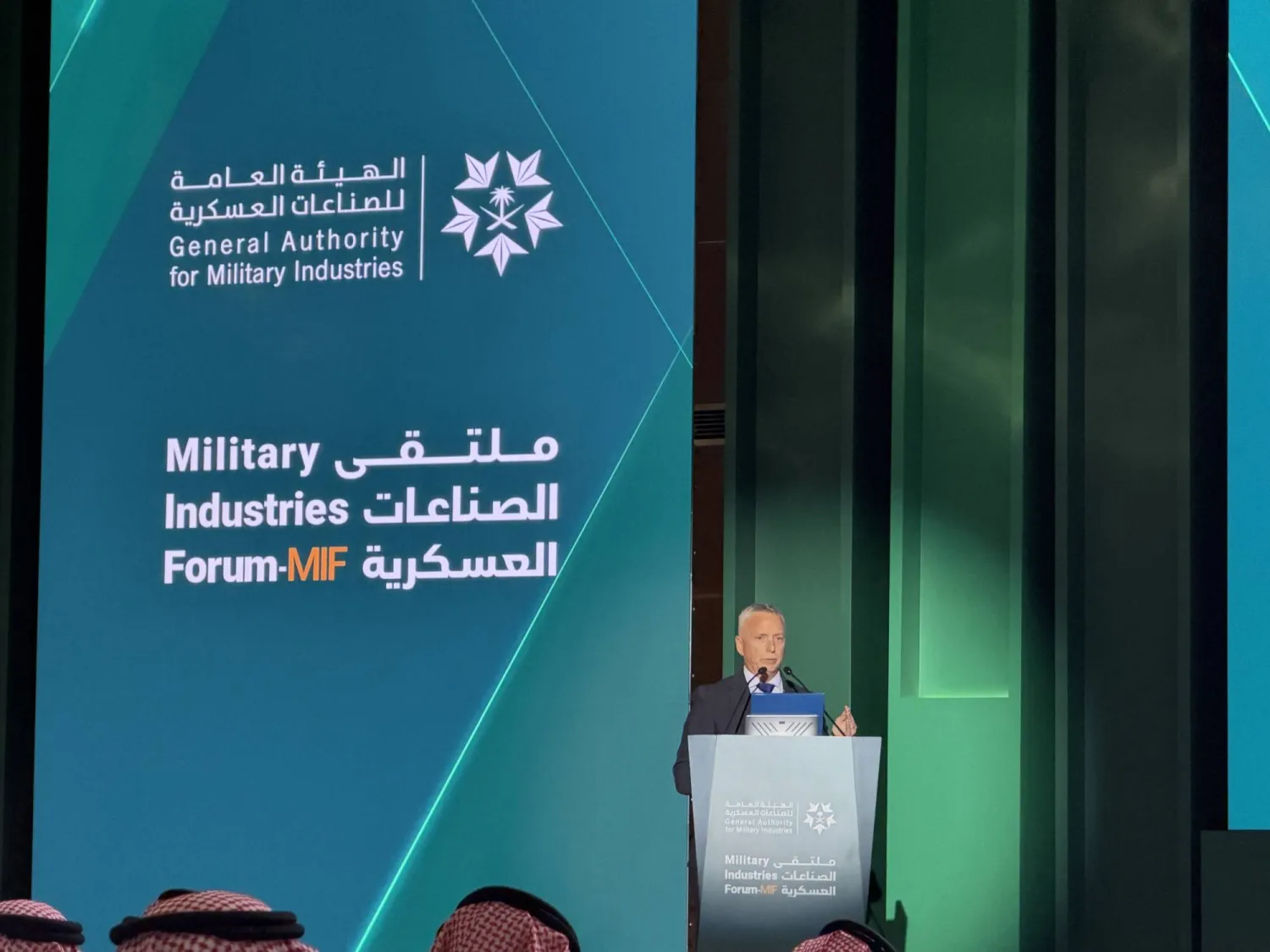
Retired Brig. Gen. Joseph “Joe” Rank, head of Lockheed Martin Saudi Arabia (Asharq Al-Awsat)
TT

Lockheed Martin to Asharq Al-Awsat: We Support Saudi Arabia's Defense Systems Against Missile Threats

Retired Brig. Gen. Joseph “Joe” Rank, head of Lockheed Martin Saudi Arabia (Asharq Al-Awsat)

Retired Brig. Gen. Joseph "Joe" Rank, chief executive of Lockheed Martin Saudi Arabia, revealed that the Kingdom's participation in the US company's global supply chains quadrupled over the past year, reflecting the growing role of Saudi defense industries in global manufacturing and a shift from meeting domestic needs to producing components for international defense systems.

Speaking to Asharq Al-Awsat on the sidelines of a forum organized by the General Authority for Military Industries (GAMI) in Riyadh, Rank said Saudi Arabia had become one of the few Middle Eastern countries integrated into Lockheed Martin's global supply chains.

He noted that the Kingdom's participation was expanding rapidly as part of efforts to strengthen local industrial capabilities and enhance their international competitiveness.

Rank said the goal is no longer limited to manufacturing products to meet the Kingdom's needs. It extends to integrating Saudi industries into the company's global supply chains.

Rank stressed that this approach would create new jobs, generate revenue for the Saudi economy and strengthen the Kingdom's position in the global defense industry.

From Imports to Manufacturing

Rank said the industrial relationship between Lockheed Martin and Saudi Arabia had undergone a fundamental transformation in recent years.

Previously focused on supplying defense systems and equipment, the partnership now includes manufacturing key components in the Kingdom, as well as providing local maintenance and technical support.

"In the past, we simply sold products to the Kingdom. Today, we manufacture products there and maintain them locally as well. In the future, we will move beyond this stage to even greater opportunities," he said.

Rank described Saudi Arabia as Lockheed Martin's most important partner in the Middle East, noting that cooperation with the Ministry of Defense and GAMI forms a cornerstone of efforts to expand industrial investment and transfer advanced defense technologies.

He described the current period as one of significant opportunity, given the transformation underway in Saudi Arabia's military industries sector and efforts to develop a national industrial base capable of participating in the production and maintenance of defense systems.

Local Manufacturing of THAAD Components

The Lockheed Martin Saudi Arabia chief executive highlighted several projects demonstrating progress in local defense manufacturing, foremost among them the production of key components for the Terminal High Altitude Area Defense (THAAD) ballistic missile defense system.

He explained that Lockheed Martin is working with Saudi industrial partners to manufacture components for the system in the Kingdom, including launcher components at Arabian International Company for Steel Structures (AIC Steel) in Jeddah and interceptor missile canisters at Middle East Propulsion Company (MEPC) in Riyadh.

Rank said THAAD is one of the principal defense systems used to counter missile threats, including those originating from Yemen or Iran, stressing that localizing the manufacture of its components reflects the advancement of Saudi Arabia's defense industrial capabilities.

He added that these two projects are only examples of a broader portfolio of industrial initiatives undertaken by Lockheed Martin with its partners in the Kingdom to expand local manufacturing and integrate it into global production operations.

Technology Transfer and Workforce Development

Rank emphasized that Lockheed Martin's strategy in Saudi Arabia extends beyond transferring manufacturing operations to include technology and technical knowledge transfer, as well as training Saudi personnel to operate advanced defense systems.

He said developing human capital is among the most important factors in successfully localizing military industries, explaining that acquiring advanced technologies cannot deliver the intended benefits without qualified personnel capable of operating and developing them.

"You can have the greatest technology in the world, but if you don't have the people who can use it, it's useless," he said.

Rank reaffirmed Lockheed Martin's commitment to developing the skills of the next generation of Saudi professionals, helping establish a sustainable base of technical and engineering expertise in the defense industry.

Strategic Partnership

Rank said Lockheed Martin's participation as a gold sponsor of the GAMI forum for the second consecutive year reflected the importance of the Saudi market to the company's regional strategy.

He explained that partnerships with GAMI and the Ministry of Defense play a central role in enabling Lockheed Martin to expand its industrial presence in the Kingdom and deepen cooperation with Saudi companies.

The expansion comes as Saudi Arabia seeks, under Vision 2030, to localize more than 50% of its spending on military equipment and services by building a domestic industrial ecosystem encompassing manufacturing, maintenance, research and development, and knowledge transfer.

The increase in Saudi participation in Lockheed Martin's global supply chains reflects a shift beyond localization focused on domestic consumption toward building production capabilities that can help meet global demand.

This approach strengthens the added value of Saudi industries and opens new opportunities for Saudi companies in international markets.

60 Years of Partnership

During his address at the military industries forum, the Lockheed Martin Saudi Arabia chief executive noted that the F-35 fighter jet deal had passed the congressional notification stage in the United States, describing it as an important milestone.

Rank said Lockheed Martin's relationship with Saudi Arabia spans 60 years, beginning with the delivery of C-130 aircraft and evolving from product sales to local manufacturing and support for maintenance and sustainment capabilities.

He noted that strengthening local supply chains had become increasingly important following the disruptions experienced during the COVID-19 pandemic and amid rising political and military risks affecting global trade and shipping.


Lockheed Martin to Asharq Al-Awsat: We Support Saudi Arabia's Defense Systems Against Missile Threats

Retired Brig. Gen. Joseph “Joe” Rank, head of Lockheed Martin Saudi Arabia (Asharq Al-Awsat)
TT

Lockheed Martin to Asharq Al-Awsat: We Support Saudi Arabia's Defense Systems Against Missile Threats

Retired Brig. Gen. Joseph “Joe” Rank, head of Lockheed Martin Saudi Arabia (Asharq Al-Awsat)

Retired Brig. Gen. Joseph "Joe" Rank, chief executive of Lockheed Martin Saudi Arabia, revealed that the Kingdom's participation in the US company's global supply chains quadrupled over the past year, reflecting the growing role of Saudi defense industries in global manufacturing and a shift from meeting domestic needs to producing components for international defense systems.

Speaking to Asharq Al-Awsat on the sidelines of a forum organized by the General Authority for Military Industries (GAMI) in Riyadh, Rank said Saudi Arabia had become one of the few Middle Eastern countries integrated into Lockheed Martin's global supply chains.

He noted that the Kingdom's participation was expanding rapidly as part of efforts to strengthen local industrial capabilities and enhance their international competitiveness.

Rank said the goal is no longer limited to manufacturing products to meet the Kingdom's needs. It extends to integrating Saudi industries into the company's global supply chains.

Rank stressed that this approach would create new jobs, generate revenue for the Saudi economy and strengthen the Kingdom's position in the global defense industry.

From Imports to Manufacturing

Rank said the industrial relationship between Lockheed Martin and Saudi Arabia had undergone a fundamental transformation in recent years.

Previously focused on supplying defense systems and equipment, the partnership now includes manufacturing key components in the Kingdom, as well as providing local maintenance and technical support.

"In the past, we simply sold products to the Kingdom. Today, we manufacture products there and maintain them locally as well. In the future, we will move beyond this stage to even greater opportunities," he said.

Rank described Saudi Arabia as Lockheed Martin's most important partner in the Middle East, noting that cooperation with the Ministry of Defense and GAMI forms a cornerstone of efforts to expand industrial investment and transfer advanced defense technologies.

He described the current period as one of significant opportunity, given the transformation underway in Saudi Arabia's military industries sector and efforts to develop a national industrial base capable of participating in the production and maintenance of defense systems.

Local Manufacturing of THAAD Components

The Lockheed Martin Saudi Arabia chief executive highlighted several projects demonstrating progress in local defense manufacturing, foremost among them the production of key components for the Terminal High Altitude Area Defense (THAAD) ballistic missile defense system.

He explained that Lockheed Martin is working with Saudi industrial partners to manufacture components for the system in the Kingdom, including launcher components at Arabian International Company for Steel Structures (AIC Steel) in Jeddah and interceptor missile canisters at Middle East Propulsion Company (MEPC) in Riyadh.

Rank said THAAD is one of the principal defense systems used to counter missile threats, including those originating from Yemen or Iran, stressing that localizing the manufacture of its components reflects the advancement of Saudi Arabia's defense industrial capabilities.

He added that these two projects are only examples of a broader portfolio of industrial initiatives undertaken by Lockheed Martin with its partners in the Kingdom to expand local manufacturing and integrate it into global production operations.

Technology Transfer and Workforce Development

Rank emphasized that Lockheed Martin's strategy in Saudi Arabia extends beyond transferring manufacturing operations to include technology and technical knowledge transfer, as well as training Saudi personnel to operate advanced defense systems.

He said developing human capital is among the most important factors in successfully localizing military industries, explaining that acquiring advanced technologies cannot deliver the intended benefits without qualified personnel capable of operating and developing them.

"You can have the greatest technology in the world, but if you don't have the people who can use it, it's useless," he said.

Rank reaffirmed Lockheed Martin's commitment to developing the skills of the next generation of Saudi professionals, helping establish a sustainable base of technical and engineering expertise in the defense industry.

Strategic Partnership

Rank said Lockheed Martin's participation as a gold sponsor of the GAMI forum for the second consecutive year reflected the importance of the Saudi market to the company's regional strategy.

He explained that partnerships with GAMI and the Ministry of Defense play a central role in enabling Lockheed Martin to expand its industrial presence in the Kingdom and deepen cooperation with Saudi companies.

The expansion comes as Saudi Arabia seeks, under Vision 2030, to localize more than 50% of its spending on military equipment and services by building a domestic industrial ecosystem encompassing manufacturing, maintenance, research and development, and knowledge transfer.

The increase in Saudi participation in Lockheed Martin's global supply chains reflects a shift beyond localization focused on domestic consumption toward building production capabilities that can help meet global demand.

This approach strengthens the added value of Saudi industries and opens new opportunities for Saudi companies in international markets.

60 Years of Partnership

During his address at the military industries forum, the Lockheed Martin Saudi Arabia chief executive noted that the F-35 fighter jet deal had passed the congressional notification stage in the United States, describing it as an important milestone.

Rank said Lockheed Martin's relationship with Saudi Arabia spans 60 years, beginning with the delivery of C-130 aircraft and evolving from product sales to local manufacturing and support for maintenance and sustainment capabilities.

He noted that strengthening local supply chains had become increasingly important following the disruptions experienced during the COVID-19 pandemic and amid rising political and military risks affecting global trade and shipping.


Saudi Arabia Calls on Iran to De-escalate and Reach Agreement to End Crisis

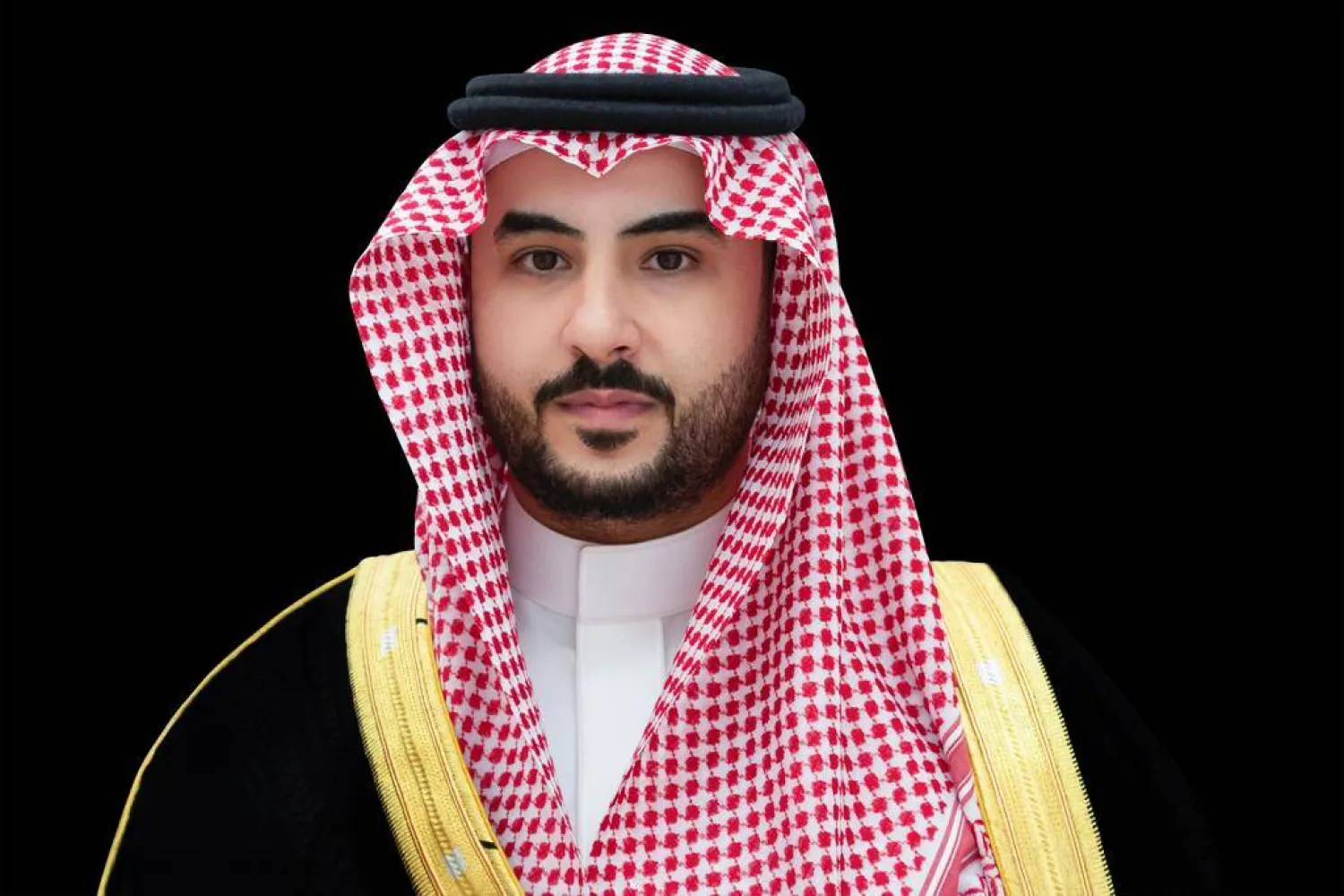
Saudi Defense Minister Prince Khalid bin Salman. (Asharq Al-Awsat)
TT

Saudi Arabia Calls on Iran to De-escalate and Reach Agreement to End Crisis

Saudi Defense Minister Prince Khalid bin Salman. (Asharq Al-Awsat)

Saudi Arabia stressed the importance of all parties to the current crisis responding positively and constructively to the outcomes of a visit to Tehran led by Defense Minister Prince Khalid bin Salman and to mediation efforts undertaken by Qatar and Pakistan.

The Kingdom emphasized the need to open channels for negotiations to prevent renewed military escalation in the region and pave the way for an agreement to end the crisis.

In a statement issued Monday, the Saudi Foreign Ministry said the visit by Prince Khalid bin Salman and representatives of the countries party to the Makkah Joint Defense Agreement to Tehran for meetings with senior Iranian officials was an extension of the Kingdom's role in promoting dialogue and regional and international peace.

The ministry said the visit was part of efforts to de-escalate tensions between the parties to the current crisis and encourage dialogue and diplomatic solutions.

It explained that the initiative also supports mediation efforts undertaken by the State of Qatar and the Islamic Republic of Pakistan, expressing the Kingdom's hope that all parties would respond positively and constructively to the visit's outcomes and the two countries' ongoing efforts to resolve the crisis through dialogue and diplomacy.

The statement stressed the importance of opening channels for negotiations to prevent renewed military escalation and reach an agreement that would end the crisis and strengthen peace and security in the region and worldwide.

Earlier, Saudi Deputy Minister for Public Diplomacy Ambassador Rayed Krimly announced that Prince Khalid bin Salman was leading the Kingdom's delegation to meetings hosted by Tehran, with the participation of Pakistan's Chief of Army Staff Field Marshal Asim Munir and Turkish intelligence chief Ibrahim Kalin.

Krimly said representatives of the countries party to the Makkah Joint Defense Agreement would meet Iranian President Masoud Pezeshkian and Secretary of Iran's Supreme National Security Council Mohsen Rezaei.

He noted that the visit was part of ongoing efforts to de-escalate tensions between the parties to the current crisis and support mediation efforts undertaken by Qatar and Pakistan.

The Saudi official emphasized the importance of promoting dialogue and diplomatic solutions to overcome current tensions, highlighting the role of the Makkah Joint Defense Agreement countries in supporting regional security and stability and working with countries across the region to achieve that goal.

The Saudi Foreign Ministry reaffirmed the pivotal role of the Makkah Joint Defense Agreement countries in establishing regional security and stability and cooperating with other nations to ensure regional and international peace.


French Lawmaker to Asharq Al-Awsat: We Will Continue Supporting Saudi Arabia's Security

French lawmaker Amélia Lakrafi speaks to Asharq Al-Awsat (Asharq Al-Awsat)
TT

French Lawmaker to Asharq Al-Awsat: We Will Continue Supporting Saudi Arabia's Security

French lawmaker Amélia Lakrafi speaks to Asharq Al-Awsat (Asharq Al-Awsat)

French lawmaker Amélia Lakrafi affirmed that France will continue providing defensive support to Saudi Arabia, including deploying troops and equipment to help protect its critical infrastructure, stressing that Paris is not a party to the war and that its commitment to the Kingdom is strictly defensive.

She also revealed French and European efforts to explore the possibility of imposing sanctions on the Houthis and Iran, while noting that some of Saudi Arabia's traditional allies have not been as present as expected during the current crisis.

Speaking to Asharq Al-Awsat, Lakrafi said France prioritizes dialogue and diplomacy while remaining committed to supporting its Saudi partner and strengthening its defensive capabilities.

She said that the French troops and equipment that Paris is sending to the Kingdom, and will continue to send, are intended to ensure Saudi Arabia's security and defense, not to carry out offensive operations.

She explained that the extent of France's commitment depends primarily on its available personnel and material resources, emphasizing that as long as France has the necessary capabilities to contribute to protecting critical infrastructure, whether in Yanbu or elsewhere, it will continue providing this support.

She added that French President Emmanuel Macron guarantees the continuation of this commitment and follows through on his pledges.

Lakrafi said she found it striking that some of Saudi Arabia's traditional allies "have not been as present as expected during this crisis."

By contrast, she said, "France has demonstrated its presence and commitment to the Kingdom, as reflected in President Macron's visit to Saudi Arabia, which conveyed a clear message of solidarity."

She stressed that Paris does not confine itself to statements but takes action on both diplomatic and practical fronts by participating in initiatives aimed at resolving the crisis and supporting emergency meetings of the UN Security Council, while providing the equipment needed to strengthen Saudi Arabia's defense and security capabilities and protect its critical infrastructure.

She said this engagement reflects the nature of the Saudi-French partnership, emphasizing that France has proven itself a reliable partner to the Kingdom and Gulf countries.

"Saudi-French relations have developed significantly and are expected to strengthen further, particularly in the security field," she said.

Assessing regional developments, the French lawmaker warned of the consequences of renewed US and Israeli attacks on Iran, arguing that such escalation could prompt Tehran to retaliate more aggressively against neighboring countries.

She said the question troubling her, and many others, concerns "what the United States will decide and what steps Washington and Israel may take in the coming days and weeks."

She outlined two possible scenarios: continued economic pressure on Iran without further military escalation, which could gradually weaken its economy and force it to back down, or a renewed round of attacks.

Lakrafi expressed her belief that the economic pressures facing Iran could intensify and place additional burdens on its leadership, while maintaining that France and its Gulf allies are capable of withstanding the current challenges.

Regarding the crisis's impact on the global economy, she said she had observed international shipping traffic, particularly oil tankers, returning in recent days to prewar levels.

This, she said, gave her reason to believe that "bottlenecks and economic difficulties could gradually ease, although it will take some time."

She did not rule out the possibility that these developments could encourage more countries, including Pakistan and Türkiye, to play a greater role in efforts to overcome the crisis, particularly because disruptions to shipping through the Strait of Hormuz and other vital waterways affect the entire global economy.

On the future of the confrontation with the Houthis, Lakrafi acknowledged the difficulty of predicting how events would unfold.

She emphasized that efforts are continuing within the French Parliament, the European Parliament and international parliamentary organizations to promote peaceful solutions and strengthen international diplomacy, particularly through the United Nations, to condemn Houthi actions.

She explained that these efforts include examining all possible means of exerting pressure on the Houthis, including "the possibility of imposing sanctions that would prompt them and Iran to abandon practices threatening maritime security."

She added that the initiatives also involve identifying international partners capable of supporting these efforts, including the United States.

Expanding participation among countries and parliaments, she said, would improve the prospects of persuading additional partners to join, noting that past experience has demonstrated that this is achievable.

Lakrafi confirmed that diplomatic contacts and initiatives are underway to support Saudi Arabia and condemn Houthi actions as part of continuing parliamentary and international efforts to achieve a peaceful and lasting settlement to the Yemeni crisis.

On maritime security, the French lawmaker stressed that "maritime straits are shared international waterways. They do not belong to Iran or the Houthis but serve the entire world, and they must remain open to international navigation without restrictions or transit fees that obstruct freedom of passage."

She noted that the global economy "is directly affected by threats to these waterways, making it essential to coordinate international efforts to pressure the Houthis, bring them to the negotiating table and reach a peaceful and lasting resolution to the crisis."

Lakrafi said France is working on maritime security in cooperation with the European Union and the UN Security Council to find solutions to the crisis.

She stressed that international cooperation and diplomacy remain essential to overcoming the current challenges, despite the difficulty of predicting how the conflict will develop.