Houthis Provoke Yemenis by Burying Sammad Near Saleh Mosque in Sanaa

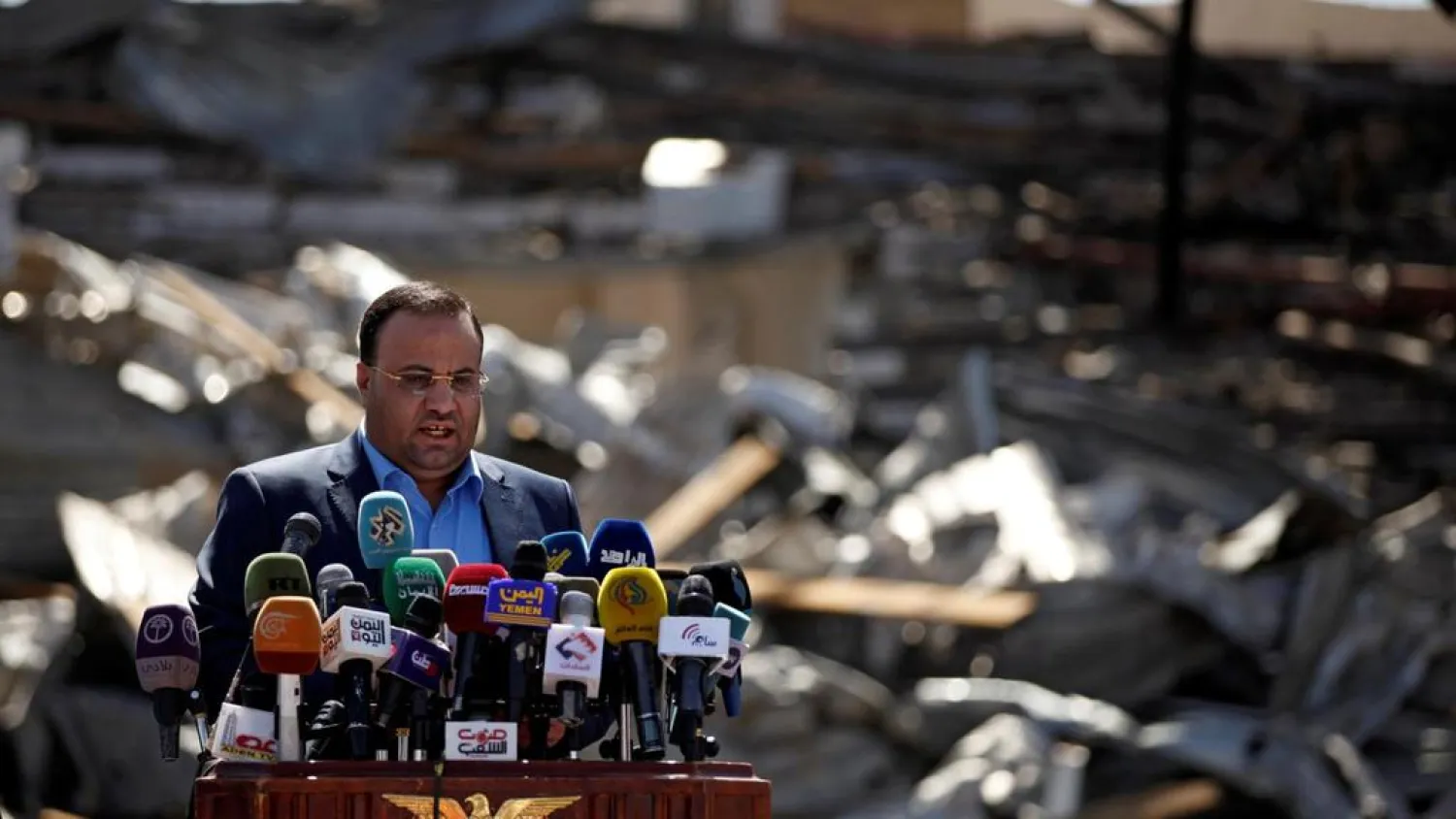
Saleh al-Sammad. (Reuters)
TT

Houthis Provoke Yemenis by Burying Sammad Near Saleh Mosque in Sanaa

Saleh al-Sammad. (Reuters)

Houthi militias buried on Saturday leader of its council Saleh al-Sammad in the Sabeen Square, near the memorial of the unknown soldier and facing al-Saleh Mosque.

The Iran-backed group sought to organize a massive funeral for its leader, who was killed by a Saudi-led coalition air raid some ten days ago, in an effort to portray him before the public as a legitimate leader instead of a figure in a militia, which is not internationally recognized.

The location of the burial sparked widespread anger among the Yemenis, who viewed it as a “Houthi violation of the symbolism of the place Yemenis had chosen decades ago as a memorial for Yemen's unknown soldiers, who took part in the 1962 revolution that overthrew the Imam rule.”

Despite the large funds paid by the Houthi to their followers to participate in the funeral and the forced attendance of employees and students, the turn out was unusually slow because the majority of Sanaa residents, except those loyal to the militia, refused to obey their orders.

Mahdi al-Mashat, who was appointed as Sammad’s replacement as the head of the Supreme Political Council, was present at the funeral along with other senior leaders, such as the cousin of its leader, Mohammed Ali al-Houthi.

Houthi delivered a speech at al-Saleh Mosque before Sammad’s corpse was buried in a nearby location west of the mosque.

In addition to the militias' violation of the symbolism of the location, activists in the General People's Congress (GPC) noted that this same area was where the first shot was fired against former President Ali Abdullah Saleh, his relatives, party leaders and civilian supporters in December.

The former president was killed by the Houthis in December only days after he announced that he was severing his alliance with them and ready to open a new chapter in ties with the Saudi-led Arab coalition.


In Heavy Rain, Lebanese Fleeing War Huddle Under Makeshift Shelters

 A man secures a tent at sunset at a public space where people displaced by Israeli airstrikes have set up tents along the Beirut waterfront in Beirut, Lebanon, Sunday, March 15, 2026. (AP)
A man secures a tent at sunset at a public space where people displaced by Israeli airstrikes have set up tents along the Beirut waterfront in Beirut, Lebanon, Sunday, March 15, 2026. (AP)
TT

In Heavy Rain, Lebanese Fleeing War Huddle Under Makeshift Shelters

 A man secures a tent at sunset at a public space where people displaced by Israeli airstrikes have set up tents along the Beirut waterfront in Beirut, Lebanon, Sunday, March 15, 2026. (AP)
A man secures a tent at sunset at a public space where people displaced by Israeli airstrikes have set up tents along the Beirut waterfront in Beirut, Lebanon, Sunday, March 15, 2026. (AP)

Hussein Murtada and his ‌family are camping in the back of a small truck, a flimsy tarpaulin shielding them from a storm on Sunday, with no room left at shelters for displaced people in the southern Lebanese city of Sidon.

"We are putting tarp over it because we're soaked," said Murtada, using string to fasten the plastic sheet over the back of the truck parked on the seafront. Inside, an infant peered out, surrounded by pillows, blankets and other possessions.

"I asked here at the schools and they are full, they're all full," said Murtada, who fled the town of Hanawiya, some 12 km (8 miles) ‌from the ‌border with Israel, with his family of seven.

"What ‌should ⁠I ask for? ⁠I just want a shelter for me and the children," Murtada added.

More than 800,000 people, around 15% of Lebanon's population, have had to flee their homes since Israel began an offensive in the country after the Lebanese Hezbollah group opened fire at Israel in support of its ally Iran on March 2.

It has dragged Lebanon into the Middle East conflict just 15 months ⁠since the last Israel-Hezbollah war.

Only a fraction of ‌the displaced - some 132,000 according to Lebanese ‌authorities - are in collective shelters. The rest are scattered elsewhere, some with relatives, others ‌in half-finished buildings or host communities and many in the streets.

Mohammad Marie, ‌who fled the city of Nabatieh in southern Lebanon, has been sheltering under a tree on Beirut's seafront Corniche, protected by a plastic sheet before it was blown away.

"It might keep raining for a week, so where will I go? ‌I will stay here, what else can I do? I have no shelter except here, under this tree," ⁠Marie said, his ⁠clothes soaked through.

"I don't have a tent, I don't have anything, and my financial situation is very difficult. I have no money to rent a house," he said.

The United Nations launched a $308 million flash appeal on Friday to help Lebanon cope with the fallout of the war.

Israeli attacks have killed 850 people and wounded more than 2,100 others in Lebanon since March 2, including 107 children and 66 women, the Lebanese health ministry said on Sunday. Its toll does not say how many of the casualties were combatants.

Two Israeli soldiers have been killed in southern Lebanon, while no fatalities have been reported in Israel as a result of Hezbollah rocket and drone attacks since March 2.


Israeli Foreign Minister Says No Plans for Talks with Lebanese Govt

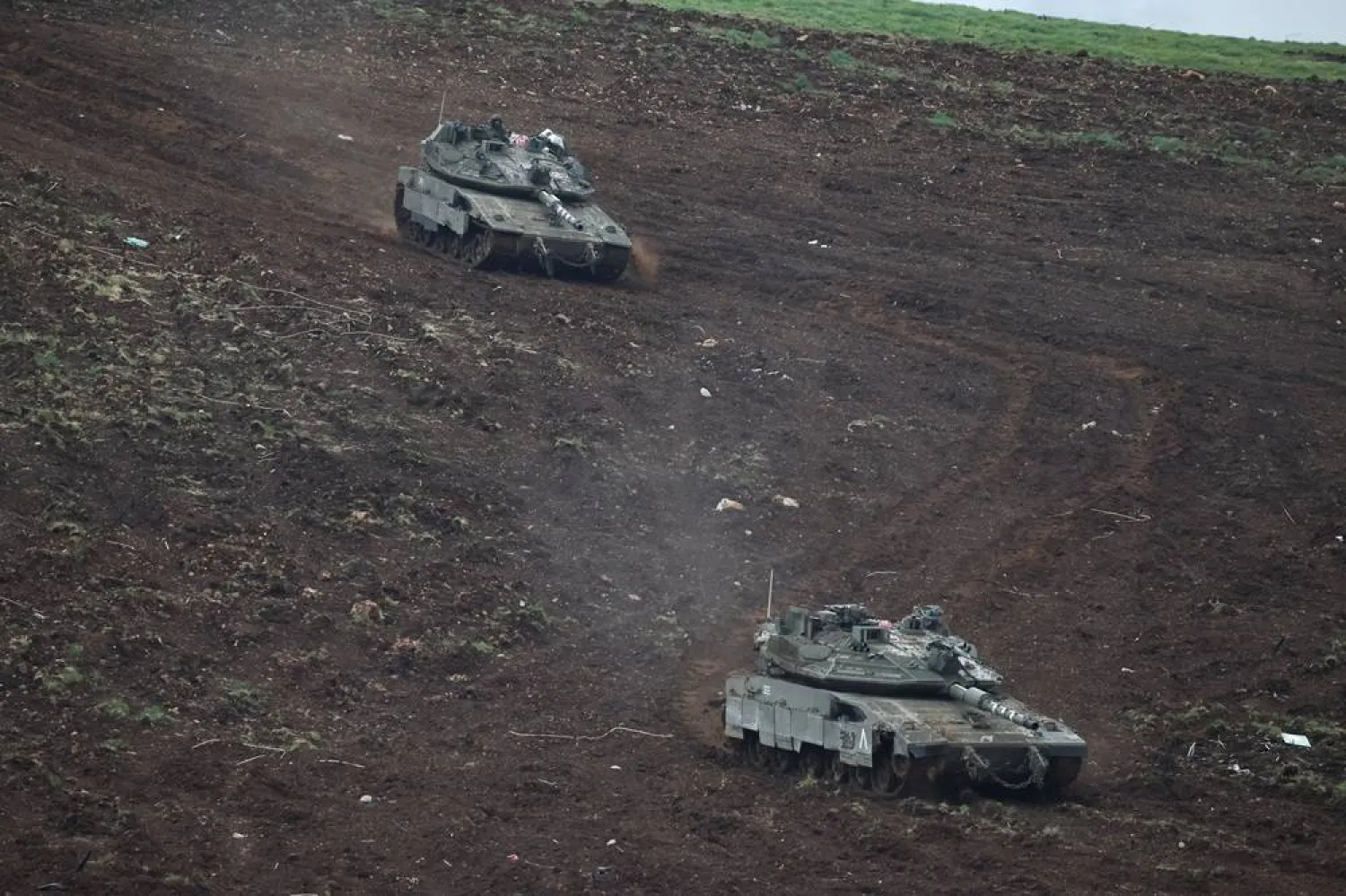
 Israeli tanks maneuver on the Israeli side of the Israel-Lebanon border, amid escalation between Hezbollah and Israel, and amid the US-Israeli conflict with Iran, in northern Israel, March 15, 2026. (Reuters)
Israeli tanks maneuver on the Israeli side of the Israel-Lebanon border, amid escalation between Hezbollah and Israel, and amid the US-Israeli conflict with Iran, in northern Israel, March 15, 2026. (Reuters)
TT

Israeli Foreign Minister Says No Plans for Talks with Lebanese Govt

 Israeli tanks maneuver on the Israeli side of the Israel-Lebanon border, amid escalation between Hezbollah and Israel, and amid the US-Israeli conflict with Iran, in northern Israel, March 15, 2026. (Reuters)
Israeli tanks maneuver on the Israeli side of the Israel-Lebanon border, amid escalation between Hezbollah and Israel, and amid the US-Israeli conflict with Iran, in northern Israel, March 15, 2026. (Reuters)

Israel's foreign minister on Sunday denied reports that Israel could soon hold direct talks with Lebanon and rejected claims it had told the United States it was running low on interceptors. 

Israel's Haaretz newspaper reported on Saturday that ‌Israel and Lebanon were ‌expected to hold ‌direct ⁠talks in the ⁠coming days. Semafor also reported that Israel had informed Washington it was running critically low on ballistic missile interceptors. 

Both reports cited unnamed sources. 

Asked about the weekend ⁠reports, Foreign Minister Gideon Saar said: "For ‌the ‌two questions, the answer is no." 

He also ‌said that Israel sees "eye-to-eye" ‌with the US in the war with Iran, now in its 16th day, and that the two allies were ‌determined to continue until their goals are achieved. 

"We want ⁠to ⁠remove the existential threats from Iran for the long term. We don't want to go every year to another war," he told reporters. 

Saar was speaking from a Bedouin Arab town in northern Israel near an Israeli Air Force base where homes were damaged in an Iranian missile attack last week. 


Hamas Official Said Killed by Israeli Strike in Lebanon

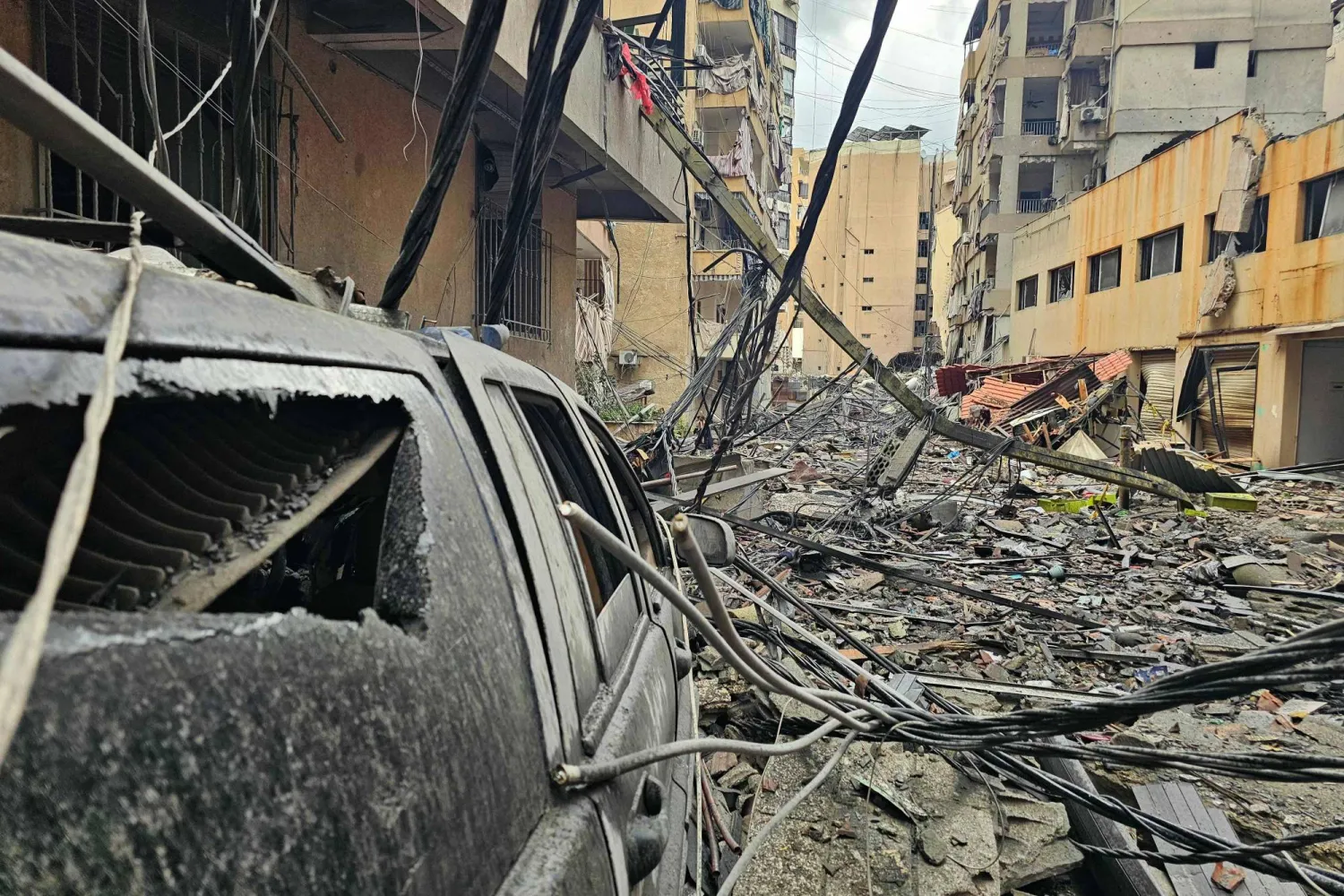
Debris is strewn along a street and vehicles after a residential apartment block was struck in an Israeli airstrike in Beirut's southern suburb of Haret Hreik on March 15, 2026. (AFP)
TT

Hamas Official Said Killed by Israeli Strike in Lebanon

Debris is strewn along a street and vehicles after a residential apartment block was struck in an Israeli airstrike in Beirut's southern suburb of Haret Hreik on March 15, 2026. (AFP)

A Hamas source said an Israeli strike on south Lebanon on Sunday killed an official from the Palestinian group as Hezbollah said it fired an "advanced missile" at an air base near Tel Aviv. 

Israel said no direct talks were planned with Lebanon to end the latest war which has been raging for two weeks. The statement came a day after a Lebanese official said Beirut was preparing a delegation to negotiate with Israel. 

Lebanon was dragged into the Middle East war on March 2 when Iran-backed Hezbollah attacked Israel in response to the killing of Iranian supreme leader Ali Khamenei in US-Israeli strikes, with Israel launching air raids on the neighboring country and troop incursions into border areas. 

Lebanese authorities said the death toll in Israeli attacks rose to 850, while more than 830,000 people have registered as displaced. 

Driving rain on Sunday piled more misery on displaced people, hundreds of whom have been sleeping rough or in tents near central Beirut's seafront. 

Coffee shop owner Nader, 42, displaced from Beirut's southern suburbs, said he had rebuilt his home after it was destroyed in 2024 during the previous Israel-Hezbollah conflict but "I am sure they have destroyed it again... but I haven't been able to check." 

"Here we have nothing and the situation is very bad with the heavy rains and wind -- it's very cold, lots of babies are sick and we can't protect them," he told AFP. 

- 'No' talks - 

The state-run National News Agency said Israel struck "an apartment in a residential building" in a northern district of the coastal city of Sidon, killing one person and causing a fire. 

An AFP correspondent saw damage to the third storey of an apartment building as the army cordoned off the area and rescue teams worked to extinguish the blaze and residents rushed into the street, some carrying belongings. 

The Hamas source, requesting anonymity, said the strike killed official Wissam Taha. 

Israel has repeatedly struck Hamas targets in Lebanon in recent years, including during previous hostilities between Israel and Hezbollah that erupted over the Gaza war, and after a 2024 ceasefire. 

Hezbollah claimed a series of attacks on sites in Israel and on Israeli troops in south Lebanon on Sunday, including one that it said targeted the Palmachim air base south of Tel Aviv, around 100 kilometers (60 miles) from the Lebanese-Israeli border, with "an advanced missile". 

The Israeli military said in a statement Sunday it continued to strike infrastructure used by Hezbollah throughout Lebanon. 

Lebanese President Joseph Aoun has proposed direct negotiations with Israel, but Israeli Foreign Minister Gideon Saar on Sunday responded "no" when asked whether Israel was set to hold such talks. 

- Debris - 

A Lebanese official had told AFP on Saturday that the country was preparing to form a delegation to negotiate with Israel but that there was no agenda, timing or location yet decided for any talks. 

French President Emmanuel Macron has said the Lebanese government was ready to engage in "direct talks" with Israel and he offered to host negotiations in Paris, warning that "everything must be done to prevent Lebanon from descending into chaos". 

The NNA reported Israeli strikes on various areas of the country's south and east, while Israel's military renewed an evacuation warning for Beirut's southern suburbs, which it has repeatedly struck in the past fortnight. 

An AFP photographer in south Beirut saw empty streets covered with debris and buildings flattened, with smoke still rising in the area after strikes in previous days. 

Southeast of Sidon, in the village of Al-Qatrani, three people were killed in an overnight Israeli strike, according to Lebanon's health ministry. 

The Israeli military said it hit "several Hezbollah launch sites" in Al-Qatrani, where it said the armed group was preparing to fire off missiles. 

It also said it had destroyed "command centers" belonging to Hezbollah's elite Radwan Force in Beirut.