


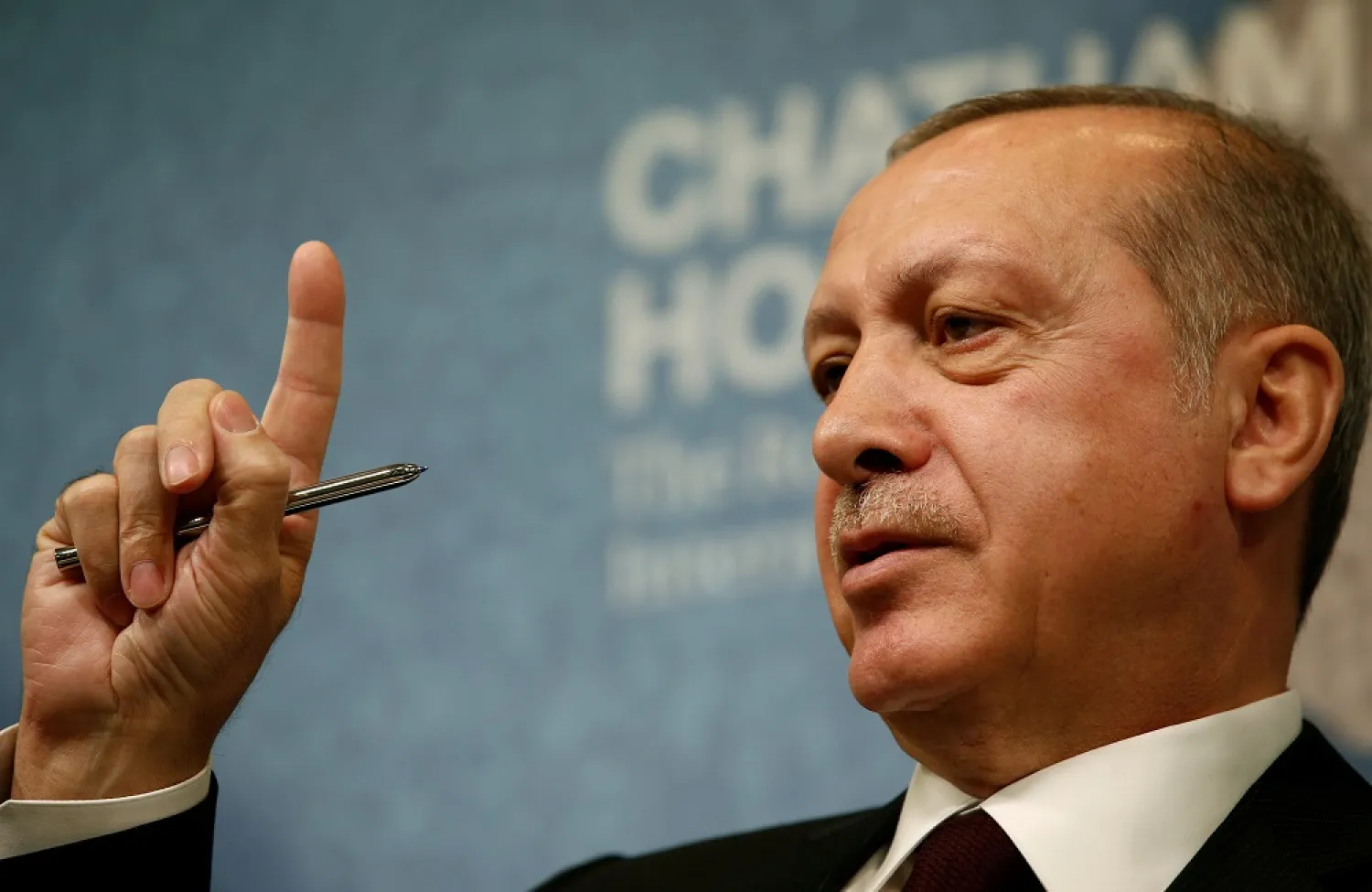

Turkish President Recep Tayyip Erdogan revealed on Tuesday a new economic policy committee as the country scrambles to salvage its economy and reassure foreign investors spooked by a falling lira currency and high inflation.
Erdogan named several of his advisers and a theology professor to the economy.
One economist criticized the make-up of the economy committee, which included the BDDK banking regulator's chairman and presidential advisers Cemil Ertem, Hatice Karahan and Yigit Bulut.
"Huge opportunity wasted. Turkey has some top-notch economists and bankers, and could even have brought on some international experts to add new ideas and credibility, which is much needed at the moment," Timothy Ash of BlueBay Asset Management wrote on Twitter.
Erdogan, a self-described "enemy of interest rates", wants borrowing costs lowered to keep the economy growing.
His repeated criticism of monetary policy has undermined confidence in the central bank and sparked the lira sell-off and fueled already high inflation.
The board was one of nine committees, in areas also including education, science, culture, security and health, to which Erdogan appointed members in an Official Gazette statement on Tuesday.
They are part of changes in the structure of government since Turkey switched to an executive presidency following Erdogan's election victory in June.
On Monday, Turkey’s banking lobby called on its members to allow corporate borrowers to restructure some short-term loans, a move that would potentially throw a lifeline to debt-burdened companies hit by the country’s currency crisis.
The TBB banks association said lenders should restructure some loans maturing before April 30 that are held by businesses with less than 15 million lira ($4 million) of debt. The restructuring should be up to 24 months and allow for up to six months of non-payment of the loan principal, it said.
Roughly a quarter of all outstanding loans by Turkish banks could be restructured under the recommendation, TBB Chairman Huseyin Aydin told broadcaster NTV. He said he did not see an urgent need for capital in the sector.
Investors are particularly concerned about Turkey’s banks after the lira tumbled around 40 percent this year, knocking global financial markets and putting Turkey’s economic woes in sharp focus.
Turkey has already seen a number of high-profile restructurings this year with Yildiz Holding, the owner of global food brands including Godiva chocolate, agreeing to refinance $5.5 billion in May.
The government has said it does not expect problems in the banking sector and has dismissed concerns about refinancing risks. Investors however, are concerned. Istanbul’s index of bank stocks is down nearly 40 percent this year.


