



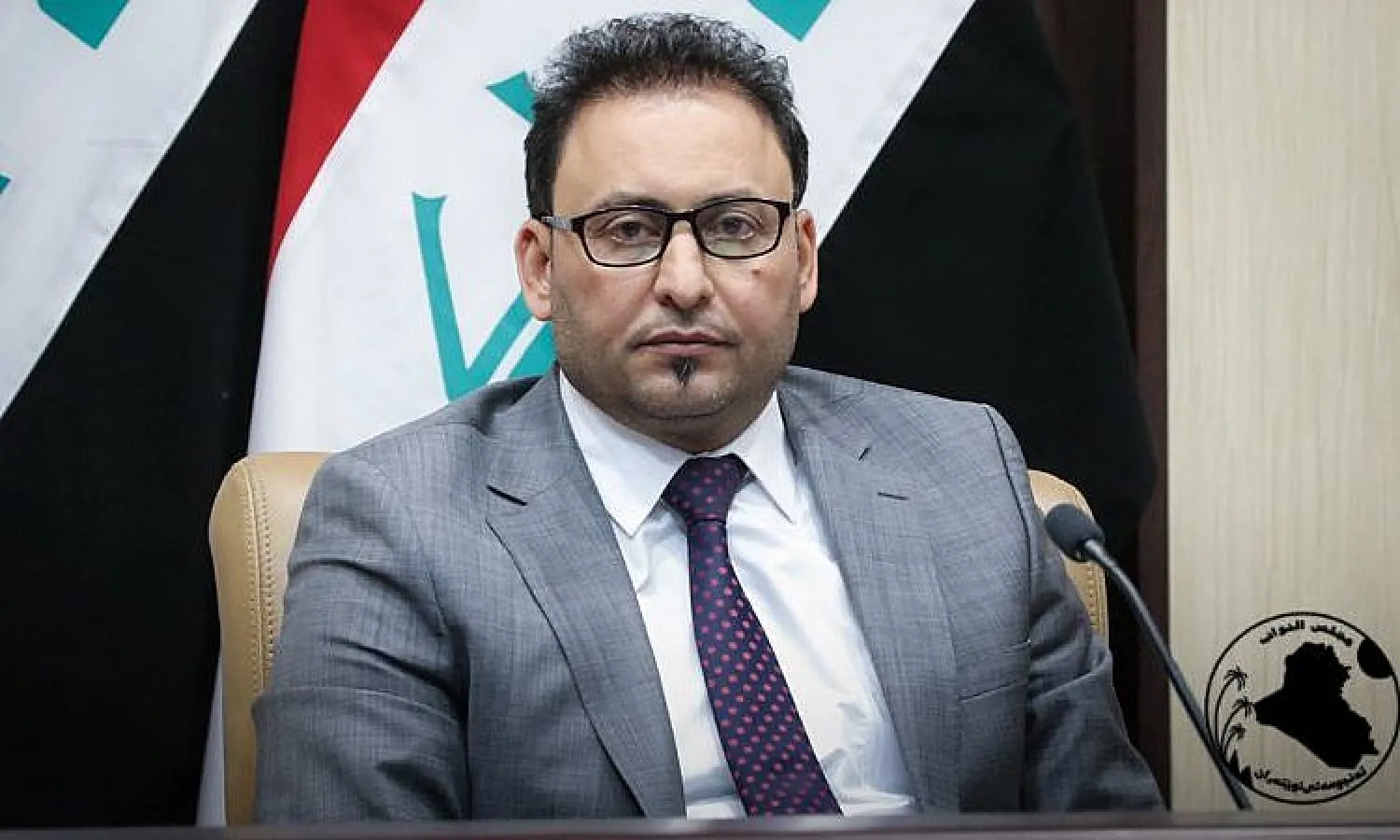

Iraqi First Deputy Speaker of Parliament Hassan Karim al-Kaabi called on Monday for “an investigation” with officials who went to Israel in 2018 in three delegations, according to reports announced by the Jewish state.
“To go to the occupied territory is a red line, and an extremely sensitive issue for all Muslims,” Kaabi said in a statement.
The First Deputy Speaker, who is close to Shiite leader Moqtada Sadr, called for "an investigation... to identify those who went to the occupied territory, particularly if they are lawmakers."
Israel’s Foreign Ministry said on Twitter Sunday three Iraqi delegations visited Israel in 2018, and that the last of such trips was conducted few weeks ago.
Baghdad does not recognize Israel and has prohibited its passport holders from traveling to Israel.
Later, Israeli media reports said 15 Iraqi visitors of “influential Shiite and Sunni personalities in the country,” visited Israel in 2018 but did not give names.
The reports said that the Iraqis visited the Yad Vashem Holocaust memorial, in addition to other sites.
A spokesman for the memorial told AFP that “a group of 10 Iraqis” had “undertaken a guided tour in late December.”
Israeli Hadashot TV news had reported Sunday that three delegations met with government officials, as well as academics, to discuss Iraqi-Jewish heritage and build a foundation for future ties between the two countries.
An Iraqi Jewish community in Israel calls for a normalization of ties between Baghdad and the Jewish state.
No Iraqi official had previously made a public visit to Israel in the past, except former lawmaker and leader of Iraq’s Ummah Party Mithal al-Alusi in October 2014.
The visit got him expelled from the Iraqi National Congress, which was headed by late politician Ahmad al-Jalabi.
Hisham al-Rikabi, director of Former Iraqi Prime Minister Nouri al-Maliki's office, told Asharq Al-Awsat on Monday that the visit of Iraqi lawmakers to Israel is a “joke and an Israeli lie we got used to hear.”
He said those lies aim to “take the pulse of Iraq concerning the possibility of normalizing ties” between Baghdad and the Jewish State.


