

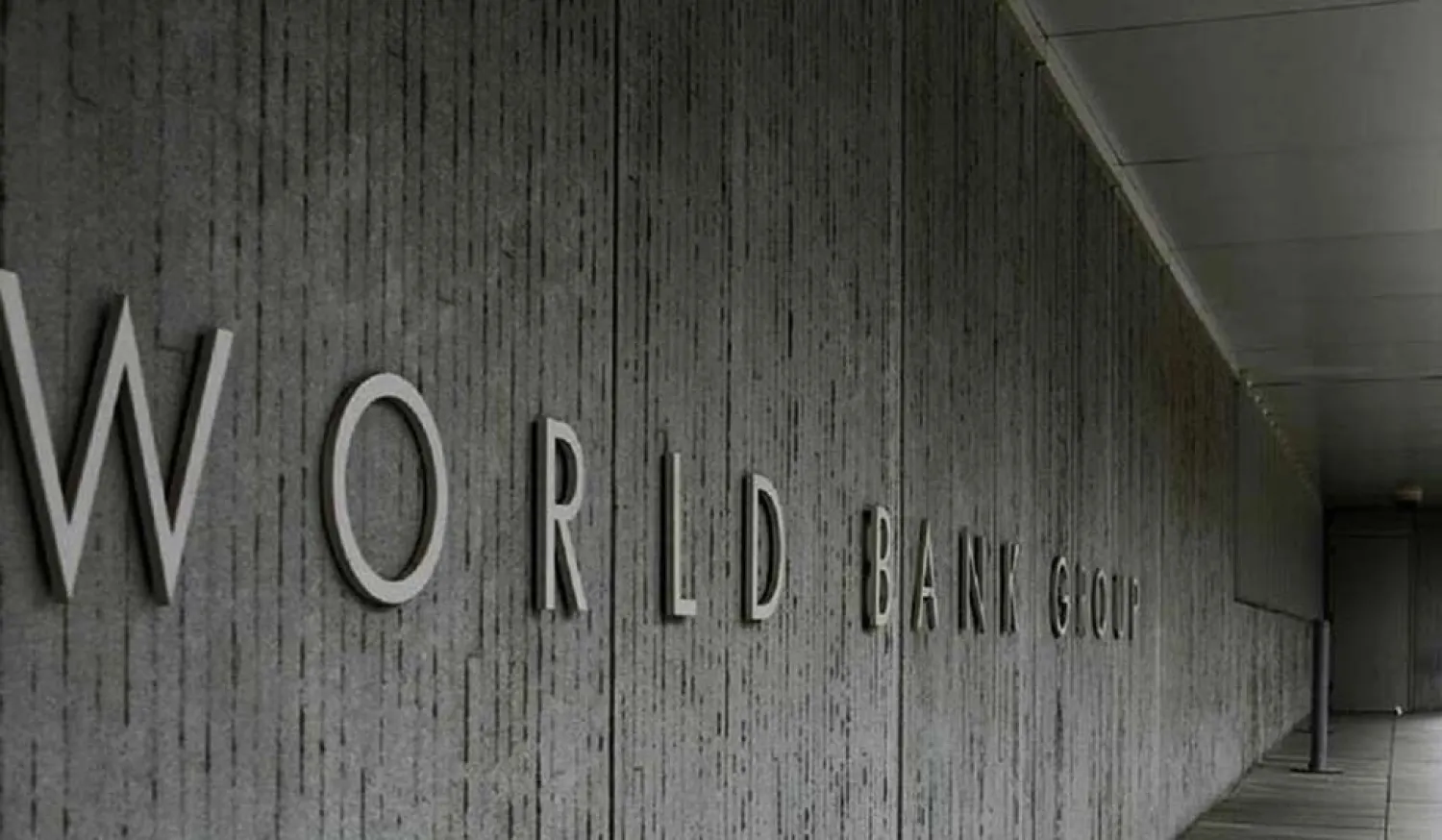

World Bank Expects Tunisian Economy to Grow by 2.9% in 2019

The economic growth rate in Tunisia is expected to stand at 2.9 percent in 2019. (Reuters)
TT

World Bank Expects Tunisian Economy to Grow by 2.9% in 2019

The economic growth rate in Tunisia is expected to stand at 2.9 percent in 2019. (Reuters)

The economic growth rate in Tunisia is expected to stand at 2.9 percent in 2019 given the reforms undertaken and the pick-up in tourism flows, said a recent World Bank report.

Growth rates of 3.4 percent and 3.6 percent are projected in 2020 and 2021, respectively, it added.

The World Bank depended in its report on the improved growth on optimistic outlooks, which are expected to emerge from the structural economic reforms currently being implemented by the Tunisian authorities, as well as by the improvement of some economic indicators, particularly for the tourism sector and export recovery.

On the other hand, Tunisian authorities aspire to achieve a growth rate of 3.1 percent, as stipulated in Tunisia’s budget for this year.

However, the International Rating Agency (Moody's) expected the Tunisian economy to achieve a growth rate that does not exceed three percent, which corresponds to the estimates of Fitch Ratings.

In this context, Ezzeddine Saidan, Tunisian economic and financial expert, said that achieving the growth rates set by the government will require deepening the economic reforms announced earlier.

He said these reforms are in line with the international financial institutions, namely reducing the debt to 70 percent of the GDP and the budget deficit to 3.9 percent instead of 4.9 percent in 2018.

Saidan pointed to a number of obstacles facing major economic reforms in Tunisia.

They include an increase in wage expenditures to more than 14 percent of output while the International Monetary Fund (IMF) required no more than 12 percent to continue to provide installments of the agreed loan.

Problems regarding subsidizing consumer goods and the need to direct them to the beneficiaries remain among the files that may limit the goals of Tunisian authorities, he added.

The budget expected exports to rise by 8.1 percent this year.

It relied in its forecasts on financial estimates of an average price of an oil barrel not exceeding $75 in international markets. These forecasts are usually affected by international political events, which may have an impact on the economic results achieved at the end of the year.



Saudi Stocks Rebound 0.9%, Recouping Previous Session's Losses

An investor monitors stock market data on a screen at the Saudi Exchange (Tadawul) in Riyadh (Reuters)
TT

Saudi Stocks Rebound 0.9%, Recouping Previous Session's Losses

An investor monitors stock market data on a screen at the Saudi Exchange (Tadawul) in Riyadh (Reuters)

Saudi stocks closed higher on Monday, recovering some of the losses sustained in the previous session as heavyweight shares strengthened and the banking sector advanced.

The benchmark Tadawul All Share Index (TASI) rose 0.90% to close at 10,106 points, gaining 90 points. Total trading value reached approximately SAR 3.5 billion ($933 million).

The index had fallen 0.8% on Sunday amid selling pressure on heavyweight stocks.

Anaam International Holding Group, Fitaihi Holding Group and Raoom were among the session's top gainers, rising between 7% and 9% to close at SAR 11.93, SAR 2.11 and SAR 72.30, respectively.

On the losing side, Almunajem Foods led the declines, shedding 9.20% to SAR 49.94, followed by Saudi Paper Manufacturing Co., which fell 6.18% to SAR 48.88, and Alamar Foods, which dropped 4.63% to SAR 44.06.

At the sector level, banks led the gains, advancing 1.60%, supported by a 2.06% rise in Bank AlJazira shares, which closed at SAR 10.89.


Tesla to Refund Many Cybertruck Deposits as Demand Exceeds Production, Musk Says

Tesla Cybertruck electric vehicles sit parked in a storage lot in San Diego, California on April 11, 2025. (AFP)
TT

Tesla to Refund Many Cybertruck Deposits as Demand Exceeds Production, Musk Says

Tesla Cybertruck electric vehicles sit parked in a storage lot in San Diego, California on April 11, 2025. (AFP)

Tesla will have to refund Cybertruck deposits for many customers as orders far exceed production capacity, CEO Elon Musk said, following last week's announcement that the electric vehicle maker is winding down the pickup truck's production at its Texas factory.

"We will try ‌to make ‌as many as ‌possible ⁠before shutting down the ⁠line in about 8 months, but will have to return deposits for a lot of people," the billionaire said in a post on X on Monday.

The comments ⁠come after Musk said ‌Tesla would ‌add an extra production shift to fulfill outstanding ‌Cybertruck orders before dismantling the production ‌line next year to expand output of its Cybercab robotaxi.

The production winddown is slated for mid-2027, Musk announced on ‌Friday, with the resources being redirected to the Cybercab, a vehicle ⁠central ⁠to the automaker's autonomous-driving ambitions.

Tesla began delivering the Cybertruck in late 2023, but demand has fallen far short of Musk's expectations. US sales fell 48% to 20,237 units last year, according to Kelley Blue Book, well below Musk's earlier projection that annual Cybertruck sales could reach 250,000 vehicles.


China Extends Suspension of New Rare Earth Controls Until January

A mining machine is seen at the Bayan Obo mine containing rare earth minerals, in Inner Mongolia, China July 16, 2011. (Reuters)
TT

China Extends Suspension of New Rare Earth Controls Until January

A mining machine is seen at the Bayan Obo mine containing rare earth minerals, in Inner Mongolia, China July 16, 2011. (Reuters)

China on Monday announced a two-month extension of export-control waivers due to expire this month, preserving part of a wide-ranging deal struck after a summit between Presidents Xi Jinping and Donald Trump.

China introduced export controls on certain rare earths ‌in April 2025, ‌only to expand ‌them ⁠further in October ⁠of that year, dramatically widening their scope and also adding new controls on certain diamonds with industrial applications and lithium battery technology.

The measures were then ⁠paused for one year last ‌November after ‌a summit in South Korea ‌between Xi and Trump.

The Ministry of ‌Commerce said in a short statement on Monday that the pause would be extended for two months ‌until January 10. It gave no other details.

The extension ⁠is ⁠part of a broader suspension of trade countermeasures and tariffs announced by China on Monday as it negotiates with Washington over an enduring trade deal.

Trump is set to travel to Shenzhen in southern China later this month for an APEC leaders summit, where he is expected to meet with Xi.