



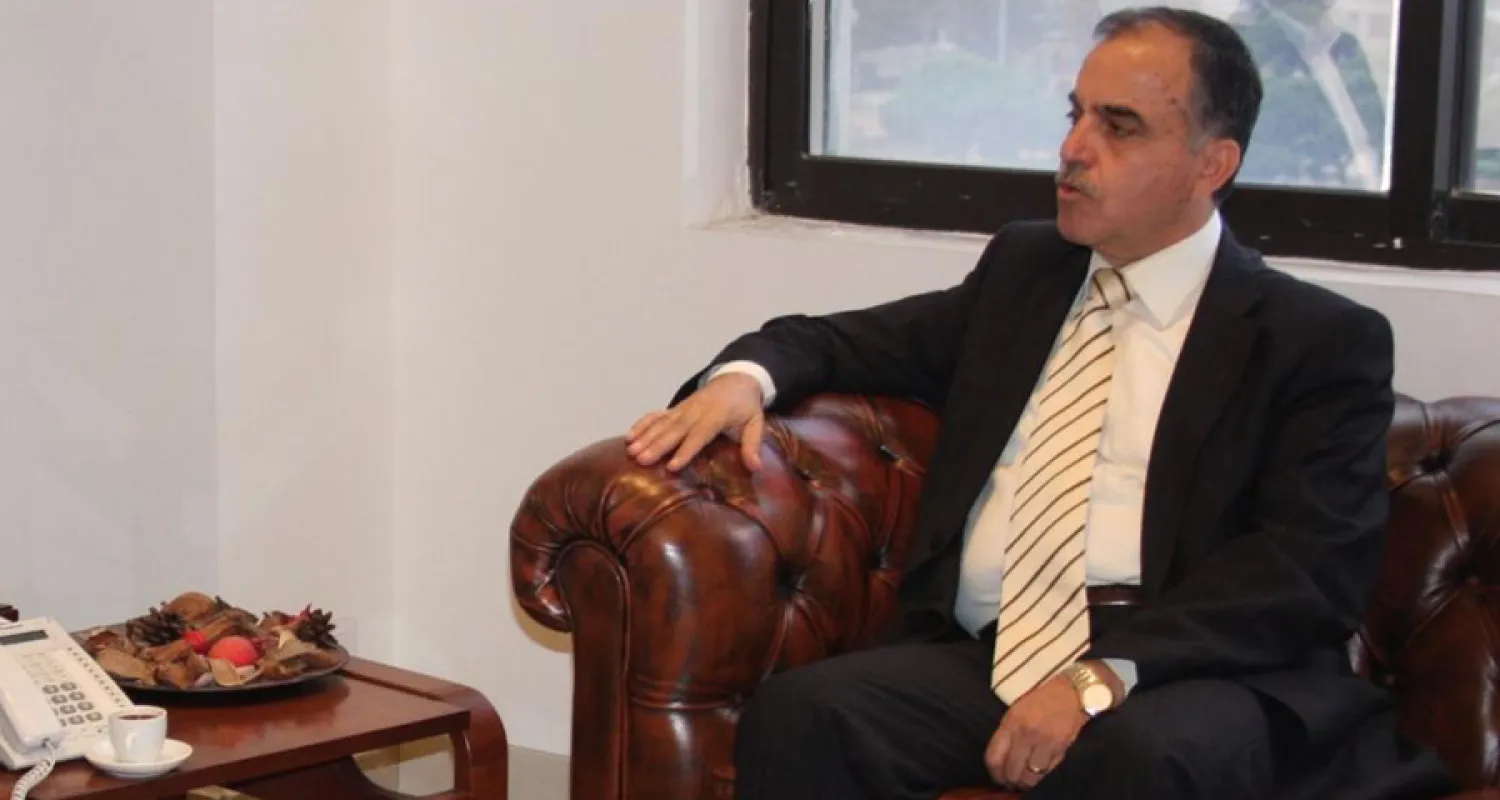

Lebanon’s Financial Prosecutor, Judge Ali Ibrahim, emphasized the existence of a corrupt legal system that provides a shield for corruption in the country.
“The biggest challenges facing the financial public prosecution in the fight against corruption are the loopholes in some laws, which the judge should abide by,” he said.
He stressed that a prosecutor’s role was confined “to obeying the laws, and his duty ends here - he cannot be a lawmaker. Lebanon has corrupt laws that protect corruption and the corrupt.”
Ibrahim was speaking to reporters on the sidelines of a national political workshop on combating corruption in state agencies.
“Fighting corruption cannot be limited to one institution; it is a process that should involve all the concerned institutions, the citizens and the media,” he noted.
Giving an example of difficulties facing his duty, he said the prosecutor needed the relevant minister’s approval to pursue corruption allegations against a ministerial employee. “And usually, the minister would not answer the request,” he remarked.
In order to deal with this challenge, Ibrahim said the financial prosecution was currently working to set a deadline of two months for ministers to respond to such requests, at which point a lack of response would be treated as a rejection.
"We are witnessing a new drive in the fight against corruption and political forces are no longer able to go against it. All the people are speaking today about fighting corruption,” he affirmed.
Ibrahim revealed that the financial public prosecution works on about 8,000 files annually, “with a team that includes judges and employees who enjoy high integrity.”


