


Arab Quartet Committee Condemns Continuous Iranian Interference

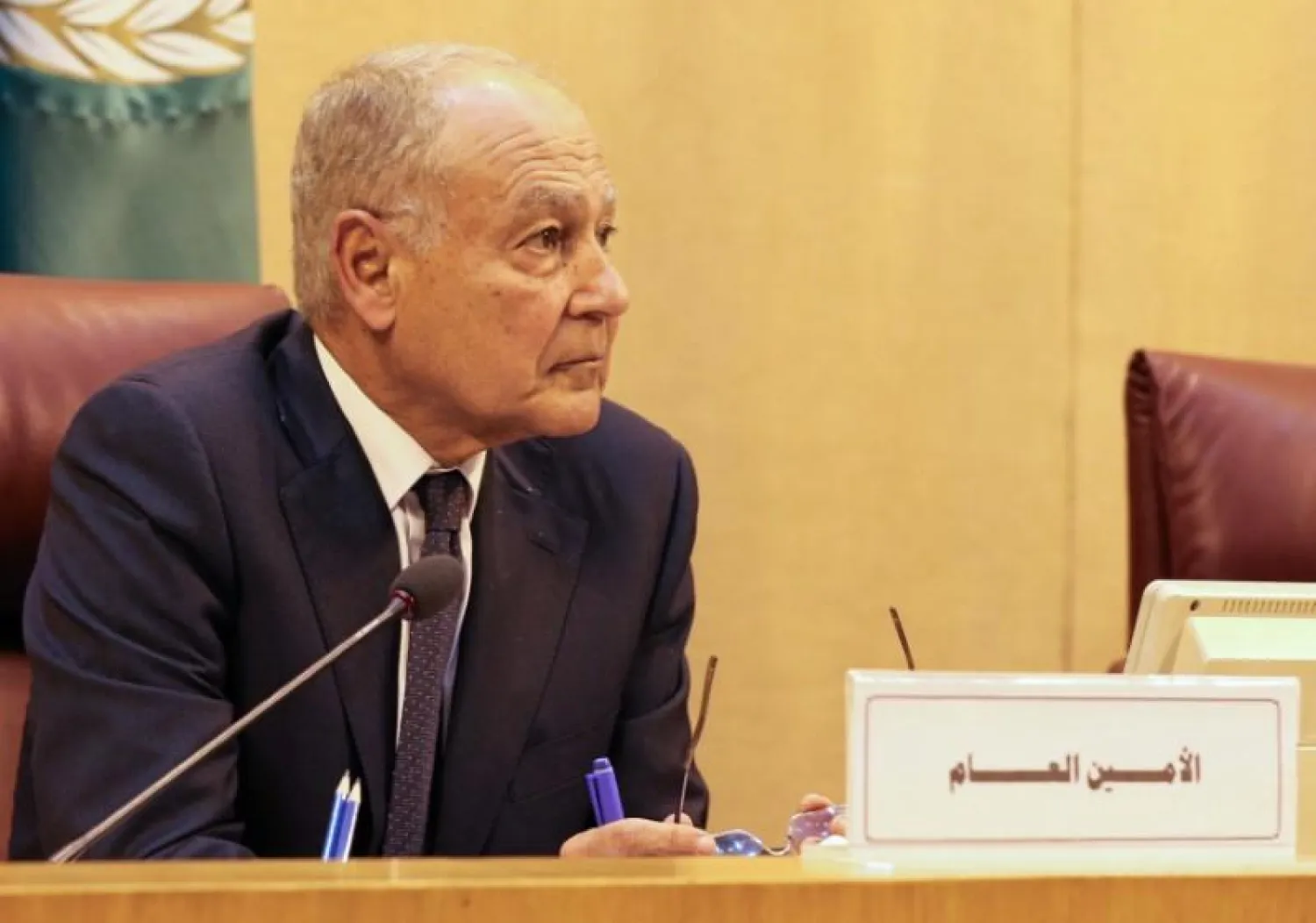
Secretary General of the Arab League Ahmed Aboul Gheit attends the Arab Foreign Ministers extraordinary meeting to discuss the Syrian crisis in Cairo, Egypt December 19, 2016. REUTERS/Mohamed Abd El Ghany
TT

Arab Quartet Committee Condemns Continuous Iranian Interference

Secretary General of the Arab League Ahmed Aboul Gheit attends the Arab Foreign Ministers extraordinary meeting to discuss the Syrian crisis in Cairo, Egypt December 19, 2016. REUTERS/Mohamed Abd El Ghany

The Arab Foreign Ministers’ Council, which convened in Cairo on Wednesday, emphasized the need for Syria’s unity but did not decide on its return to the Arab League in the upcoming summit in Tunis.

The Arab foreign ministers concluded their meeting by renewing previous resolutions on the importance of “preserving the unity and territorial integrity of Syria,” but Arab League Secretary General Ahmed Aboul Gheit said that the issue of Syria’s attendance at the Tunis summit was not discussed by the foreign ministers.

In a statement, the ministers affirmed their support of the efforts deployed by UN envoys to Libya, Yemen and Syria for a peaceful solution, as well as their backing of the “Sweden Agreement on the Yemeni file” and the need for the withdrawal of the Houthi militias from Hodeidah.

The Arab foreign ministers reiterated the “Arab positions in support of the Palestinian cause,” stressing that there would be no peace and stability without the establishment of a Palestinian state with East Jerusalem as its capital according to the two-state solution and the Arab Peace Initiative.

The statement added that the foreign ministers approved a “special resolution to support the Sudan and welcome President Omar al-Bashir’s declaration of 2019 as the year of peace and stability.” They also valued the efforts of the Sudanese government to promote peace, security and stability in the country based on the outputs of the national dialogue initiative.

Meanwhile, the Arab ministerial committee on Iran’s interventions denounced the “provocative statements” by Iranian officials against Arab countries. The committee includes Saudi Arabia, Egypt, the UAE and Bahrain, as well as Aboul Gheit.

At the conclusion of its meeting on Wednesday the committee expressed its “deep concern over Iranian sectarian incitement in Arab countries and its support of terrorist militias.”

The committee condemned the continuation of Iranian-made ballistic missile launches from within Yemeni territory towards Saudi Arabia, stressing the support for measures taken by the Kingdom and Bahrain to respond to such acts of aggression to protect their security and stability.


IMF Says Lebanon Needs Key Reforms for Program

People walk along the Corniche Al-Manara seafront promenade on the coast of the Mediterranean Sea as the sun sets in Beirut, Lebanon, 30 September 2026. (EPA)
TT

IMF Says Lebanon Needs Key Reforms for Program

People walk along the Corniche Al-Manara seafront promenade on the coast of the Mediterranean Sea as the sun sets in Beirut, Lebanon, 30 September 2026. (EPA)

Lebanon must push through a number of key economic and banking sector reforms to secure a new International Monetary Fund program, the Fund said on Thursday.

"It will require continued progress on key reforms, including the entry into force of the bank resolution ‌law, and appropriate ‌financial gap laws ‌consistent ⁠with international standards," IMF ⁠spokesperson Julie Kozack told reporters during a press conference.

She added a 2027 budget and medium-term fiscal framework that were "consistent with debt sustainability for the country" were also ⁠required.

Lebanon first signed a ‌preliminary agreement ‌with the IMF in April 2022, more ‌than two years after its ‌financial system imploded following decades of profligate spending and corruption in the ruling elite.

It recently passed a new ‌banking restructuring law which was welcomed by the IMF, but ⁠this ⁠week Lebanon's President Joseph Aoun quietly referred that law to the country’s constitutional council, triggering a review.

The move has sparked concerns among reformists in Lebanon that the country is backtracking on the key piece of legislation and potentially putting its IMF support hopes at risk.


Lebanon Army Says Seized 245 Kg of TNT at Syria Border

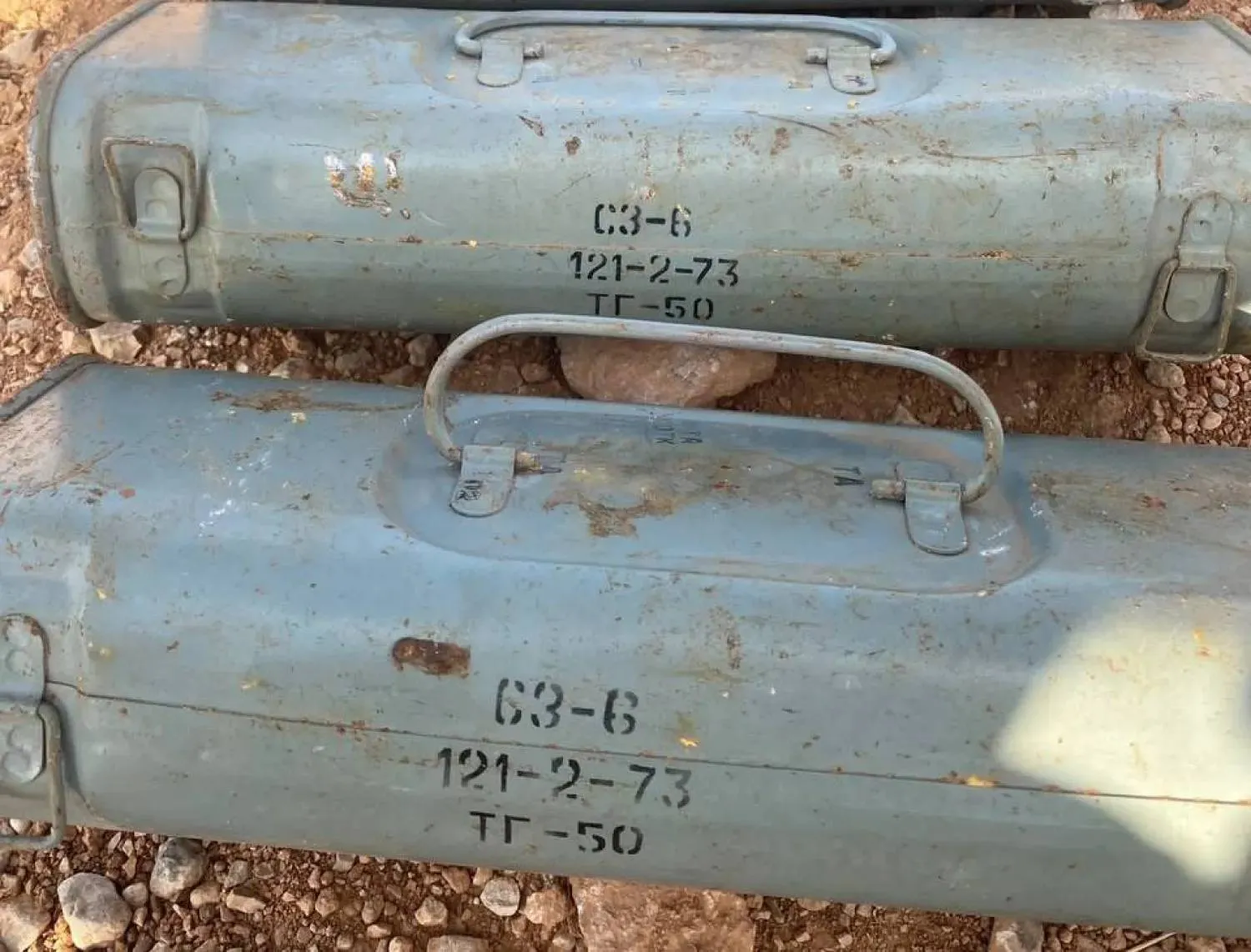
An army unit seized approximately 245 kg of TNT. (Lebanese Army on X)
TT

Lebanon Army Says Seized 245 Kg of TNT at Syria Border

An army unit seized approximately 245 kg of TNT. (Lebanese Army on X)

The Lebanese army announced on Thursday that it had seized nearly 250 kilograms (around 550 pounds) of explosives being transported from neighboring Syria into Lebanon, though it was unable to apprehend the smugglers.

"An army unit seized approximately 245 kg of TNT, four explosive devices, eight detonators and electrical wiring for the detonators", which were being "smuggled from Syrian territory into Lebanese territory", the army said in a statement.

"The smugglers fled back toward Syria as soon as an army patrol arrived at the scene," it added.

Lebanon and Syria share a 330-kilometer (205-mile) border known for being porous.

Since the fall of longtime Syrian ruler Bashar al-Assad in late 2024, both Lebanon and Syria have been working to stamp out overland smuggling along their shared border -- including the trafficking of weapons and captagon.

Damascus regularly announces the interception of arms shipments destined for Lebanon on behalf of Hezbollah, an organization that denies any presence or activity in Syrian territory.


UN Worried about Impact of Latest Lebanon War on Agriculture

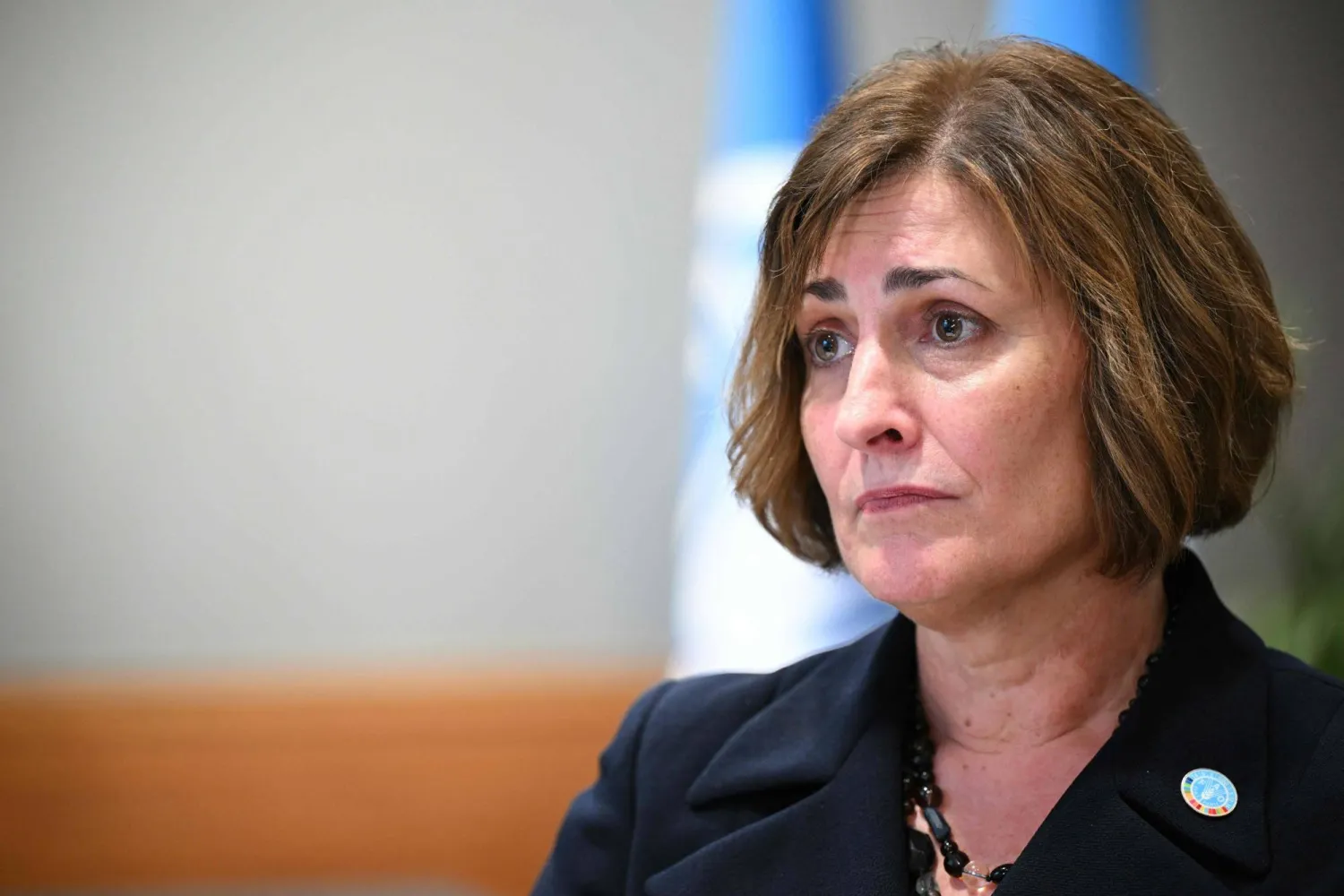
Deputy Director-General of the UN's Food and Agriculture Organization (FAO) Beth Bechdol speaks during an interview with AFP in Beirut on October 1, 2026. (AFP)
TT

UN Worried about Impact of Latest Lebanon War on Agriculture

Deputy Director-General of the UN's Food and Agriculture Organization (FAO) Beth Bechdol speaks during an interview with AFP in Beirut on October 1, 2026. (AFP)

The deputy director-general of the UN's Food and Agriculture Organization told AFP on Thursday that she was "deeply concerned" about the impact of the latest Israel-Hezbollah conflict on agriculture in south Lebanon.

The latest war "puts additional pressure on farmers and rural communities that, frankly, were already facing considerable hardships", said the FAO's Beth Bechdol.

"We're deeply concerned" about the situation in south Lebanon, where agriculture is "at the heart" of livelihoods, she said in an interview in Beirut.

"It is our best assessment that 56,000 hectares, which is more than 22 percent of Lebanon's agricultural land, has been reported as affected or damaged," including burned or physically damaged, she said.

The Iran-backed Hezbollah group drew Lebanon into the Middle East war in March by attacking Israel, which responded with massive airstrikes and a ground invasion that Lebanon says have killed more than 4,300 people.

The conflict came after hostilities that erupted in 2023 and all-out war the following year.

While the latest violence has decreased since a June ceasefire, hundreds of thousands of people remain displaced, mainly from the south, and Israel maintains troops in a self-declared "security zone" running around 10 kilometers (six miles) deep inside Lebanon along the border.

Israeli forces have been carrying out widespread demolitions affecting villages and farmland.

"Farmers and their families are no longer able to be connected to their agricultural land," Bechdol said, noting that the conflict has also "disrupted markets and reduced access" to essentials for food production including fertilizers.

In June, a UN-backed assessment from Lebanese authorities estimated agricultural production losses in south Lebanon this year had reached at least $530 million.

Bechdol also expressed concern about potential contamination and soil damage in south Lebanon due to unexploded ordnance and residues from military operations.

She said she had held discussions in recent days on the possibility of the FAO getting involved in partnerships on de-mining work in south Lebanon.

She also said she was "very concerned about just general food security levels" in Lebanon.

In April, a UN-backed report said more than 1.2 million people in Lebanon were expected to face acute hunger in the following months due to the latest war.

This week, UNICEF said four in five households in Lebanon "are struggling to afford basic necessities as conflict compounds years of economic crisis".