




Loopholes in UN Security Council sanctions procedures are allowing blacklisted al-Qaeda and ISIS terrorists and their supporters to tap their bank accounts despite a UN asset freeze, according to documents reviewed by The Wall Street Journal and people familiar with the matter.
Those gaining access to their funds include Khalifa al-Subaiy, a Qatari financier who the US says long provided financial support to senior al-Qaeda leadership, including Sept. 11 mastermind Khalid Sheikh Mohammed.
Subaiy was added to the United Nations terror blacklist in 2008, but the UN has allowed him since then to take up to $10,000 a month from frozen accounts for “basic necessities,” according to the documents and people familiar with the matter. Subaiy didn’t respond to requests for comment.
UN records show that the Security Council allowed blacklisted individuals to access their accounts on 71 out of 72 requests between 2008 and 2018.
But that figure likely doesn’t fully capture the number of times blacklisted individuals have used their bank accounts: The Security Council has designated more than 250 individuals as al-Qaeda or ISIS members or supporters, suggesting many are being allowed by home countries to tap their accounts without even seeking Security Council permission.
Members and supporters of terrorist groups who are blacklisted by the UN aren’t supposed to have access to any form of finance, in large part to ensure they aren’t supporting or organizing additional attacks.
But to allow them to pay for basic living expenses, their home countries are supposed to apply for UN exemptions that give these individuals access to small amounts of money based on an itemized budget request to pay for food, rent and other necessities, said the report.
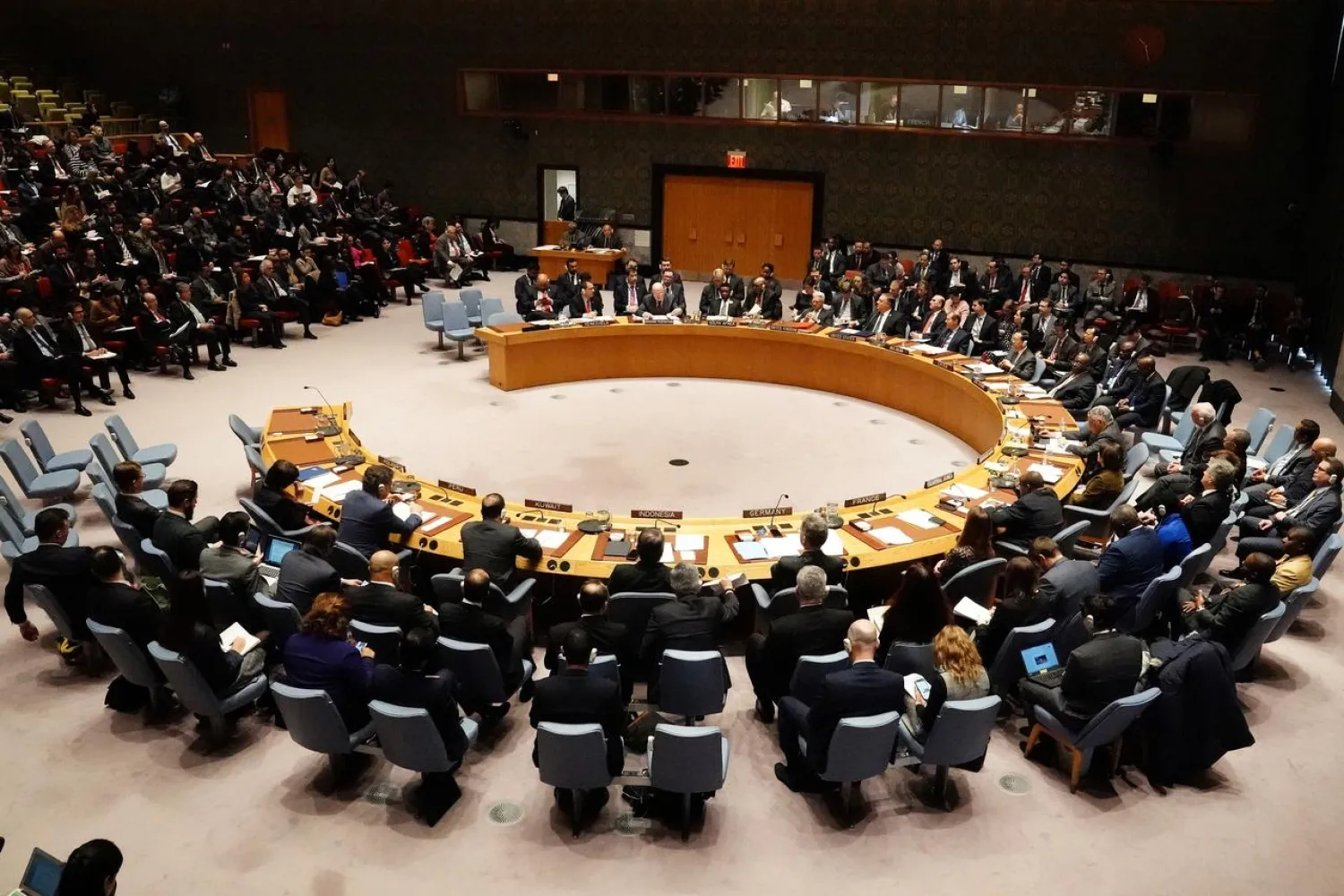
A significant problem in curtailing access to frozen funds is that a home country’s request can only be rejected through a unanimous vote by all 15 members of the Security Council. “It’s very difficult to get agreement on anything at the Security Council,” one of the people said.
The problems with the exemptions procedures is also present in other UN sanctions programs, say those officials, who are now pushing for an overhaul of the rules.
Security Council action on access to frozen funds is confidential, with neither the identity of the designated individual nor the amount of money publicly disclosed. However, the case of Subaiy, a former Qatar central-bank official whom the UN publicly alleges continued to finance terrorist activities at least through 2013, emerged through a series of disclosures.
An account for Subaiy appeared among records in a leaked database from the country’s main bank, Qatar National Bank, according to an analysis of the database reviewed by the Journal. The bank has acknowledged its systems were breached by unknown hackers in 2016.
Asked why a designated terror supporter would have an active account, both the bank and a spokesman at Qatar’s Embassy in Washington declined to comment on Subaiy’s case, citing confidentiality. But Qatari officials in Doha said his finances are UN-approved and that none of his multiple bank accounts were active after being frozen in 2008.


