




Iran’s Ambassador to the UK Hamid Baeidinejad urged Wednesday the British government to implement its obligations to the Joint Comprehensive Plan of Action (JCPOA) signed in 2015.
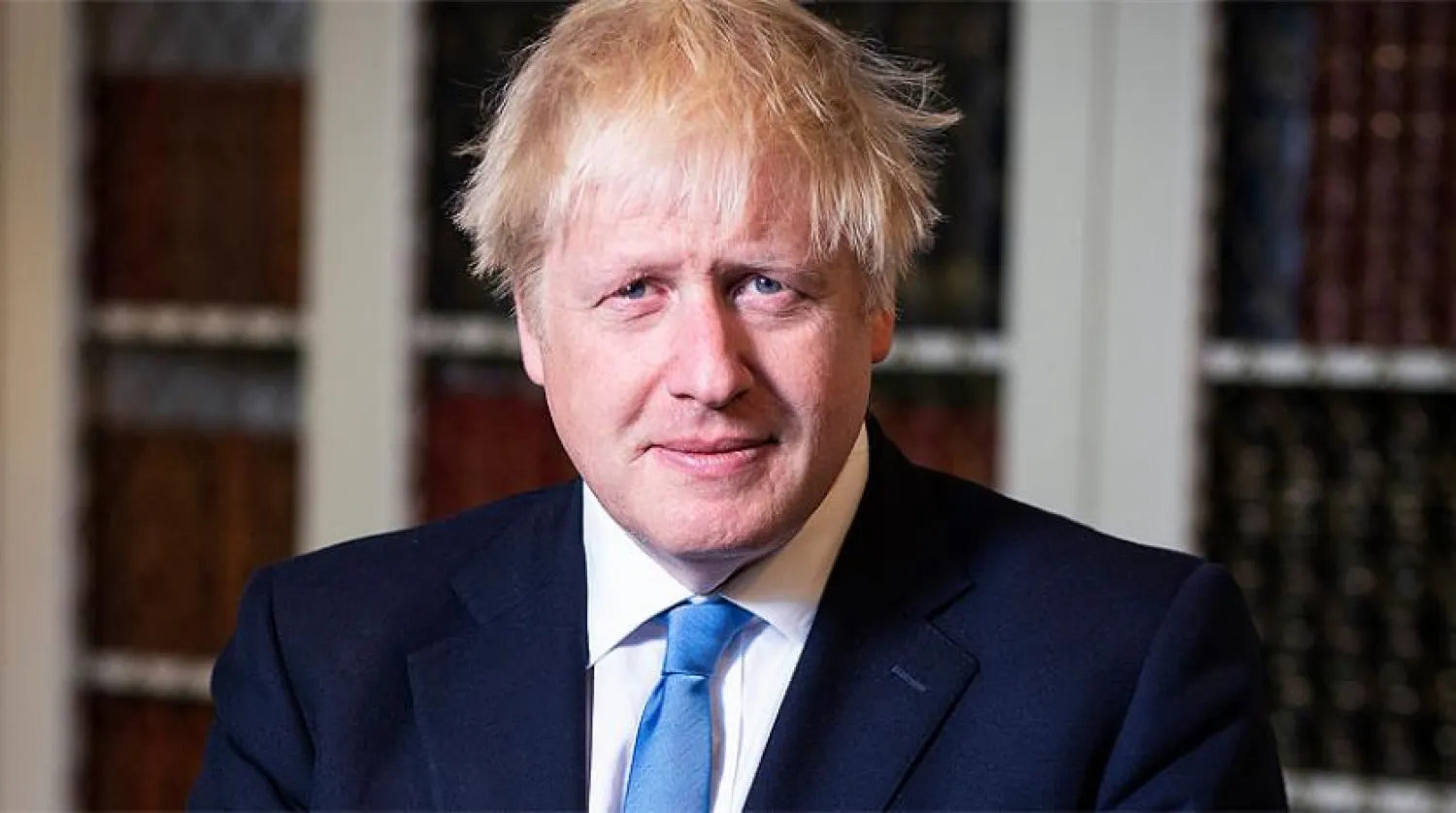
“British Prime Minister Boris Johnson’s foreign policy is aimed at reducing tensions with Iran,” said Baeidinejad.
In an interview with Iran’s official news agency, IRNA, Baeidinejad said the UK looks at Iran as a big market as London is leaving the European Union, and Johnson’s government looks forward to bolster economic relations with Tehran.
The UK is set to leave the EU on January 31, more than three and a half years after the public backed Brexit in a referendum.
The Ambassador’s remarks come amid fears form the convergence of views between US President Donald Trump and Johnson that would lead to London's withdrawal from the nuclear deal with Tehran.
In his analysis, Baeidinejad counted on the difference in the views between Johnson and his predecessor, former Foreign Secretary Jeremy Hunt, accusing the latter of “increasing tension between Iran and Britain.”
In this regard, he said Britons look at the nuclear deal as an international security issue and far greater than Europe's trade ties.
He stressed that Iran will keep scaling back its nuclear commitments if the Europeans, in general, and the British, in specific, don’t create a balance between living up to their nuclear promises and launching their financial channel with Iran, meaning the Instrument in Support of Trade Exchanges (INSTEX).
The INSTEX was set up by France, Germany, and the UK, the three signatories to the 2015 Iran nuclear deal, in January in the face of reimposed unilateral US sanctions on Iran. However, the instrument isn’t functional yet.
The Iranian official noted that the post-Brexit Britain will try to hold trade talks with other countries such as the US, China, India, and Iran in a bid not to lose their markets after they leave the EU.
Baeidinejad stated that Iran and England hold different views about the Middle East, meaning they want to keep their presence in the region while Iran is against any foreign presence in the region.
“It’s natural that the British are present in the region to support regional countries. But, we hope that regional countries and others who are interested in stable security in the Arabian Gulf help regional states play this vital role in creating their own security instead of relying on some foreign countries,” he said in the interview.
He also urged the new British government to encourage the Arabian Gulf regional states to join Iran’s Hormuz Peace Endeavor (HOPE) instead of planning to expand their military presence in the region, “even if in small scales.”


