Sudan's Annual Inflation Rate Jumps to 99%

Sudan's Annual Inflation Rate Jumps to 99%
TT

Sudan's Annual Inflation Rate Jumps to 99%

Sudan's Annual Inflation Rate Jumps to 99%

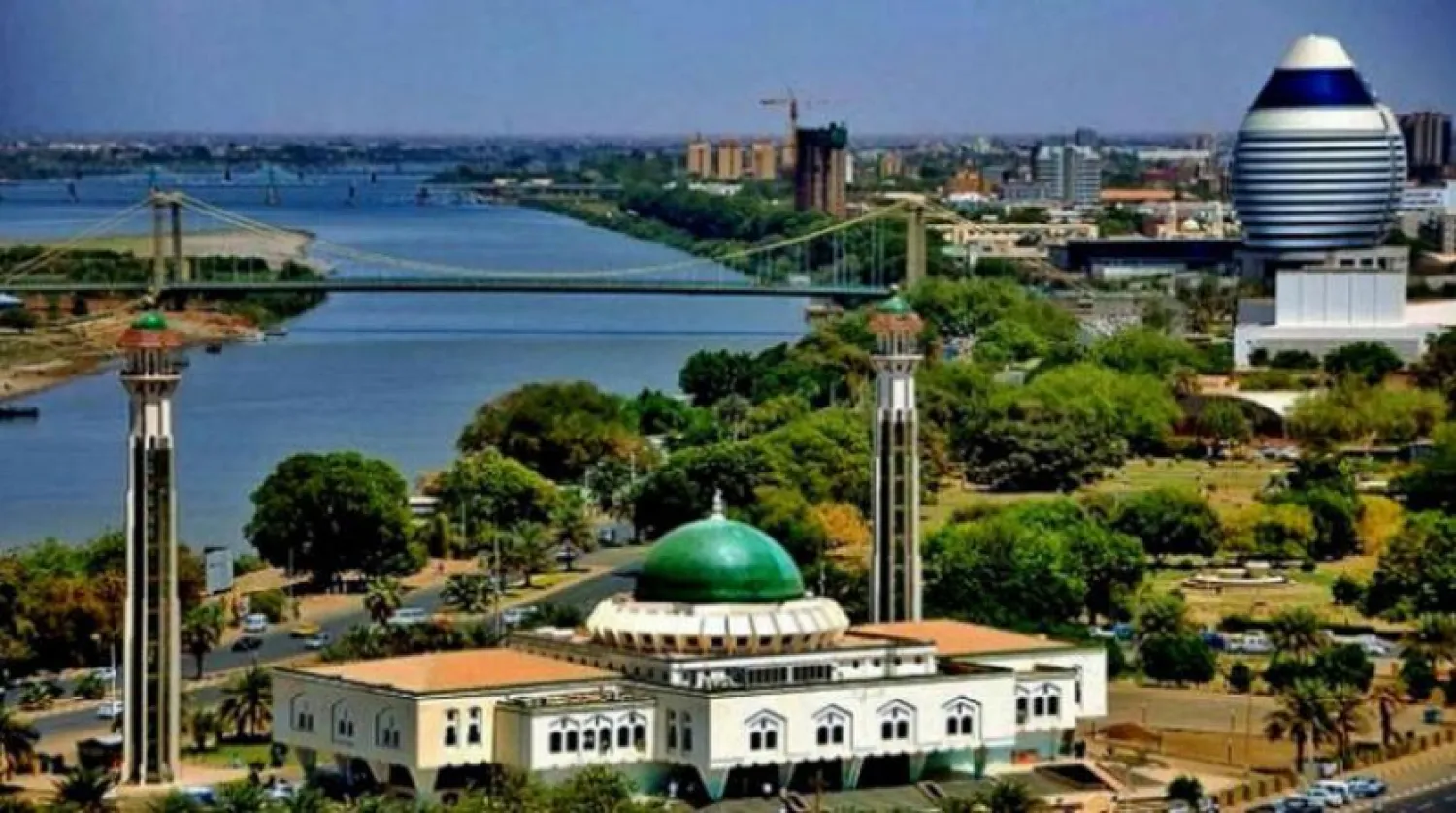
Sudan’s annual inflation rate rose to 98.81% in April, up from 81.64% in March, due to rising prices of food, drink and fuel, the state Central Bureau of Statistics said on Saturday.

Inflation in the country has risen in recent years, driven by food, beverages and a black market for US dollars.

On Thursday, the finance minister laid out a system of money transfers to the poor in a step towards removing costly fuel subsidies to combat an economic crisis.

Sudan's economy was dealt a severe blow following the 2011 secession of oil-rich South Sudan. After the secession, Sudan lost around two thirds of its oil resources, which increased inflation and led to the devaluation of its currency.

The sanctions that the US imposed in 1997 also stopped foreign investments from flowing to Sudan, which also failed to receive funding from international organizations to back its economy.

Sudan is also one of the most indebted countries, owing $60 billion, according to the International Monetary Fund.


China Says to Launch Digital Currency Action Plan

People walk past a shopping mall in Beijing on December 28, 2025. (AFP)
TT

China Says to Launch Digital Currency Action Plan

People walk past a shopping mall in Beijing on December 28, 2025. (AFP)

China will on January 1 launch an "action plan" for boosting management and operations of its digital currency, a deputy governor of the country's central bank said Monday.

"The future digital yuan will be a modern digital payment and circulation means issued and circulated within the financial system," People's Bank of China (PBoC) Deputy Governor Lu Lei wrote in Financial News, a media outlet under the central bank.

In the next step towards that goal, a "new generation" arrangement for digital yuan will be launched on January 1, Lu said, encompassing a "measurement framework, management system, operating mechanism and ecosystem".

The "action plan" will see banks pay interest on balances held by clients in digital yuan -- a move to incentivize broader adoption of the currency.

The plan also includes a proposal to establish an international digital yuan operations center in the eastern financial hub of Shanghai, the report said.

Monetary authorities around the world have in recent years been exploring ways to digitalize currencies, propelled by a boom in online payments during the pandemic and the increased popularity of cryptocurrencies such as bitcoin.

The PBoC has been working on a digital currency since 2014 and has been testing the use of a "digital yuan" or "e-CNY" in various pilot programs.

Consumers across the country already widely use mobile and online payments, but the digital yuan could allow the central bank -- rather than the big tech giants -- access to more data and control over payments.


Bulgaria Prepares for the Euro amid Excitement and Skepticism

People shop in a Lidl store, as prices are displayed in both the Bulgarian lev and euro currencies, ahead of Bulgaria's adoption of the euro on January 1, 2026, in Sofia, Bulgaria, December 18, 2025. (Reuters)
TT

Bulgaria Prepares for the Euro amid Excitement and Skepticism

People shop in a Lidl store, as prices are displayed in both the Bulgarian lev and euro currencies, ahead of Bulgaria's adoption of the euro on January 1, 2026, in Sofia, Bulgaria, December 18, 2025. (Reuters)

Bulgarian banks, businesses and shoppers were preparing this week to say goodbye to ​the lev currency ahead of a move to adopt the euro on January 1, a long-awaited milestone met with excitement, skepticism and, in some corners, anger.

Bulgaria, a Black Sea country on the European Union's southeast frontier, will be the 21st country to join the euro currency zone after it met the formal entry criteria this year, including for inflation, budget deficit, long-term borrowing costs and exchange-rate stability.

It comes two years after Croatia joined in January 2023 - the last country to do so - and ‌will push ‌the number of Europeans using the currency to more ‌than ⁠350 ​million. Becoming a ‌member of the euro zone, apart from using euro notes and coins, also means a seat at the European Central Bank's rate-setting Governing Council.

While successive Bulgarian governments have tried to make the step since joining the EU in 2007, the Balkan country of 6.7 million people is split on the issue, polls show, although businesses are largely in favor.

SUSPICIONS AMONG SOME BULGARIANS

Some fear it will push up prices, or are suspicious of ⁠a domestic political establishment in the throes of a crisis that saw the government step down this month ‌amid widespread protests against proposed tax increases.

In a country with ‍historic cultural and political ties to Russia, ‍many are wary of further allegiance to Europe.

“I am against it, first ‍because the lev is our national currency," said Sofia pensioner Emil Ivanov, interviewed while shopping. "Secondly, Europe is heading towards demise, which even the American president (Donald Trump) mentioned in the new national security strategy.

"I may not be alive when this (the EU's demise) happens but that is where everything ​is going."

BUSINESSES HAVE BEEN PREPARING

Some political analysts said the campaign promoting the euro has been weak, and that older people, especially in ⁠remote areas, will struggle to adapt. They said a lack of stable government may further complicate the change.

Still, in the streets and stores of Sofia, businesses have been preparing. Prices of everything from fruit to bottles of wine are displayed in both levs and euros. Government-funded billboards show the euro-lev exchange rate with a message saying: "Common past. Common future. Common currency." Television adverts have also flagged the coming change.

Some have welcomed the move. "Not only older people but also all young people can easily travel using euros instead of having to exchange currency," said Veselina Apostovlova, a pensioner shopping in Sofia.

Businesses that sell goods across borders were also supportive.

Natalia Gadjeva, owner of the Dragomir Estate Winery in the Thracian ‌Valley, told Reuters: "For me, the most important thing is that all operations involving currency conversion and reissuing invoices in euros and then in levs will be eliminated."


Oil Rises as Investors Weigh Outcome of Trump–Zelenskiy Meeting

Vehicles drive past the El Palito refinery in Puerto Cabello, Venezuela, Sunday, Dec. 21, 2025. (AP)
TT

Oil Rises as Investors Weigh Outcome of Trump–Zelenskiy Meeting

Vehicles drive past the El Palito refinery in Puerto Cabello, Venezuela, Sunday, Dec. 21, 2025. (AP)

Oil prices rose on Monday as investors weighed the outcome of talks between the US and Ukrainian presidents on a potential ​deal to end the war in Ukraine, as well as Middle East tensions that could disrupt supply.

Brent crude futures rose 67 cents, or 1.1%, to $61.31 per barrel at 0751 GMT, while US West Texas Intermediate crude was up 65 cents, or 1.15%, to $57.39.

Both benchmark prices fell more than 2% on Friday as investors weighed a looming global supply glut and ‌the possibility of a ‌Ukraine peace deal ahead of weekend ‌talks between ⁠Ukrainian ​President ‌Volodymyr Zelenskiy and US President Donald Trump.

Trump said on Sunday that he and Zelenskiy were "getting a lot closer, maybe very close" to an agreement to end the war in Ukraine, while acknowledging that the fate of the disputed Donbas region remains a key unresolved issue.

The two leaders spoke at a ⁠joint press conference late Sunday afternoon after meeting at Trump's Mar-a-Lago resort in Florida. ‌Trump said it will be clear "in ‍a few weeks" whether negotiations to ‍end the war will succeed.

The peace talks did not ‍reach an agreement on territorial issues, so a Russia–Ukraine peace deal may remain deadlocked with no quick breakthrough, said Mingyu Gao, energy and chemical chief researcher at China Futures.

The reason prices are rising also includes ​that geopolitical tensions remain elevated, as Russia and Ukraine continued striking each other's energy infrastructure over the weekend, said Yang ⁠An, a China-based analyst at Haitong Futures.

"The Middle East has also been unsettled recently, in Yemen and Iran saying the country is in a 'full-scale war' with the US, Europe, and Israel. This may be what's driving market concerns about potential supply disruptions," Yang added.

WTI is expected to trade within a $55-$60 range with an eye also on US enforcement actions against Venezuelan oil shipments and any fallout from the US military strike against ISIS targets in Nigeria, which produces about 1.5 million barrels ‌per day, IG analyst Tony Sycamore said in a note.