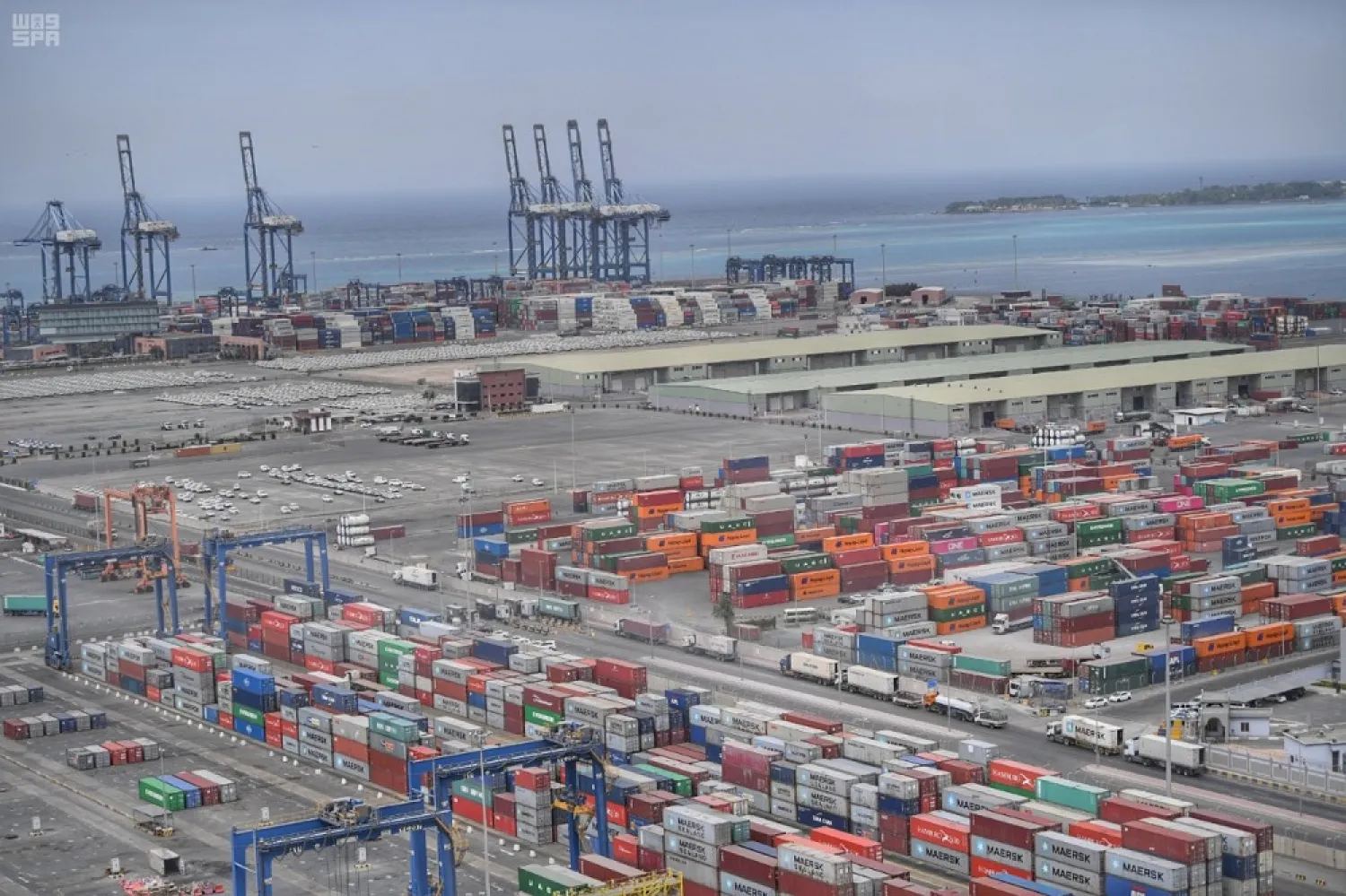
At a time of growing uncertainty surrounding the global economy, amid the repercussions of the US-Iranian war, tensions related to the Strait of Hormuz, and risks facing shipping through several vital maritime routes, Saudi Arabia is intensifying its regional initiatives aimed at strengthening security and stability. The approach is based on a vision that links reducing geopolitical risks with creating the conditions necessary for growth, development, and attracting investment.
In this context, the "Makkah Agreement" between Saudi Arabia, Türkiye, and Pakistan stands out as one of the initiatives that specialists believe could contribute to strengthening regional stability and increasing confidence in the economic and investment environment in a region that occupies a pivotal position in global energy markets, trade, and supply chains.
Specialists who spoke to Asharq Al-Awsat said Saudi initiatives are part of a broader strategy aimed at building a more stable regional environment capable of withstanding shocks. They emphasized that strengthening security has a direct impact on the sustainability of energy supplies, the safety of shipping routes, and the movement of trade and investment, while also paving the way for broader economic integration and joint projects among countries in the region.
They also noted that the significance of Saudi initiatives extends beyond immediate security considerations to supporting development by reducing risk levels, strengthening investor confidence, and creating opportunities for new partnerships in energy, industry, technology, mining, logistics, and defense industries.
Stable Energy Supplies and Shipping
Fadl bin Saad Al-Bouainain, a member of the Shura Council, told Asharq Al-Awsat that the initiatives adopted by Saudi Arabia, foremost among them the "Makkah Agreement for Joint Defense" between Saudi Arabia, Pakistan, and Türkiye, could have an impact on the global economy, food security, and international trade, given the region's economic and strategic weight.
He added that the region exports nearly one-fifth of the world's oil needs, in addition to gas and agricultural nutrients, making its stability and security essential to ensuring the continuity of energy supplies and the safety of maritime shipping routes.
Al-Bouainain explained that Crown Prince Mohammed bin Salman places great importance on economic development as a foundation for the prosperity of peoples and states, with a focus on investment flows as one of the drivers of development, alongside strengthening the Kingdom's capabilities in the energy sector and maintaining its influential position within the global supply system.
He said Saudi efforts seek to achieve security and stability in the region in ways that positively affect both the Saudi economy and the economies of neighboring countries. Development, he noted, requires a stable foundation on which to build, while the defense agreement contributes to strengthening deterrence and reducing risks that could affect economic activity.
He pointed out that investors consider the stability of the investment environment a priority when making decisions. Accordingly, strengthening regional security and providing greater clarity over the economic outlook are factors that support the attractiveness of the Saudi market, given the diverse investment opportunities it offers.
According to Al-Bouainain, the "Makkah Agreement" sends reassuring messages to local and foreign investors and strengthens confidence in the sustainability of energy supplies and the protection of critical infrastructure. This could, in turn, affect the pace of projects, investment flows, and trade.
He stressed that Saudi Arabia is relying on "Vision 2030" and its development programs, which require substantial investment, making greater economic certainty and reduced geopolitical uncertainty important factors in supporting capital flows and project implementation.
He added that strengthening the regional security system could encourage investors to seize opportunities and participate in development projects, with the positive effects extending to the economies of the region as a whole, not just Saudi Arabia.
Al-Bouainain noted that the signing of the agreement after years of negotiations reflects the depth of relations between Saudi Arabia, Türkiye, and Pakistan and opens the way for a broader phase of cooperation, supporting efforts to establish security, stability, and prosperity.
He said the initiatives led by the Saudi Crown Prince have helped strengthen the role of diplomacy and political dialogue in addressing regional crises, alongside efforts to unify responses to challenges. This supports security and stability and provides a stronger foundation for economic and development programs.
Economic Integration Takes Shape
Saudi businessman Abdullah bin Zaid Al-Mulaihi, CEO of Saudi technology holding company Al-Tamayoz, said Saudi Arabia continues to work to strengthen confidence in both the domestic and regional economies. He noted that the "Makkah Agreement" is among the initiatives that could enhance the Kingdom's regional and international standing and open the way for a new phase of economic cooperation and integration.
Al-Mulaihi told Asharq Al-Awsat that Saudi steps to strengthen security and stability have a direct impact on the economic and investment environment. He said Saudi-Turkish-Pakistani rapprochement provides a foundation for developing joint political, economic, defense, and human cooperation.
He added that the Kingdom has established itself as an influential political and economic power by building strategic partnerships aimed at achieving shared interests and supporting regional security and stability.
Al-Mulaihi believes that Saudi Arabia's strategy of strengthening stability and building long-term partnerships helps create a more attractive environment for investment and opens opportunities for the private sector in industry, technology, energy, mining, logistics, defense industries, and trade.
He noted that Saudi Arabia has a large economy, a strategic geographic location, and ambitious transformation programs under "Vision 2030."
He said political and security rapprochement could develop into broader economic partnerships benefiting investors and business leaders, particularly through joint projects, knowledge and technology transfer, localization of industries, and increased trade.
Al-Mulaihi emphasized that the economy, development, and citizens are the direct beneficiaries of regional stability. He noted that the Kingdom's political strength and balanced partnerships give the private sector greater confidence and strengthen its ability to attract capital, technologies, and international partnerships.
He concluded that Saudi Arabia is pursuing a vision that combines protecting its interests, strengthening its security, and building the economy of the future. He considered the "Makkah Agreement" a factor that strengthens the Kingdom's position in shaping the region's security, development, and cooperation framework.
The Path to Sustainable Development
Abdulrahman Baashen, head of the Al-Shorouq Center for Economic Studies in Jazan, told Asharq Al-Awsat that Saudi Arabia is strengthening its international credibility by adopting initiatives aimed at reducing risks and supporting stability, including the "Makkah Agreement for Joint Defense." He believes the agreement could help increase economic certainty in the region following the repercussions of the US-Iranian war and tensions in the Strait of Hormuz.
Baashen added that the Saudi approach, which combines political, security, and economic action, supports regional balance and strengthens confidence in the Saudi economy and the region's business environment. This could be reflected in trade, investment, and international partnerships, particularly given the Kingdom's central role in global energy markets.
He expects the next phase to see increased trade and investment activity, particularly in defense-related technology industries, alongside the expansion of strategic partnerships with countries possessing advanced expertise and capabilities in these fields.
Baashen believes the agreement could provide a supportive framework for launching high-value economic projects and initiatives between Saudi Arabia, Türkiye, and Pakistan, with their impact extending to their international partners and laying broader foundations for economic integration and sustainable development among Riyadh, Ankara, and Islamabad.
He noted that developing partnerships in industry, technology, energy, supply chains, infrastructure, and transportation could turn the strategic rapprochement among the three countries into tangible economic opportunities and increase the region's ability to withstand external disruptions.
He stressed that the essence of Saudi initiatives lies in linking security with development. Reducing tensions and strengthening regional stability do not affect only the political sphere, but also extend to protecting trade flows and energy supplies, improving the investment environment, and providing a more sustainable foundation for regional economic growth.