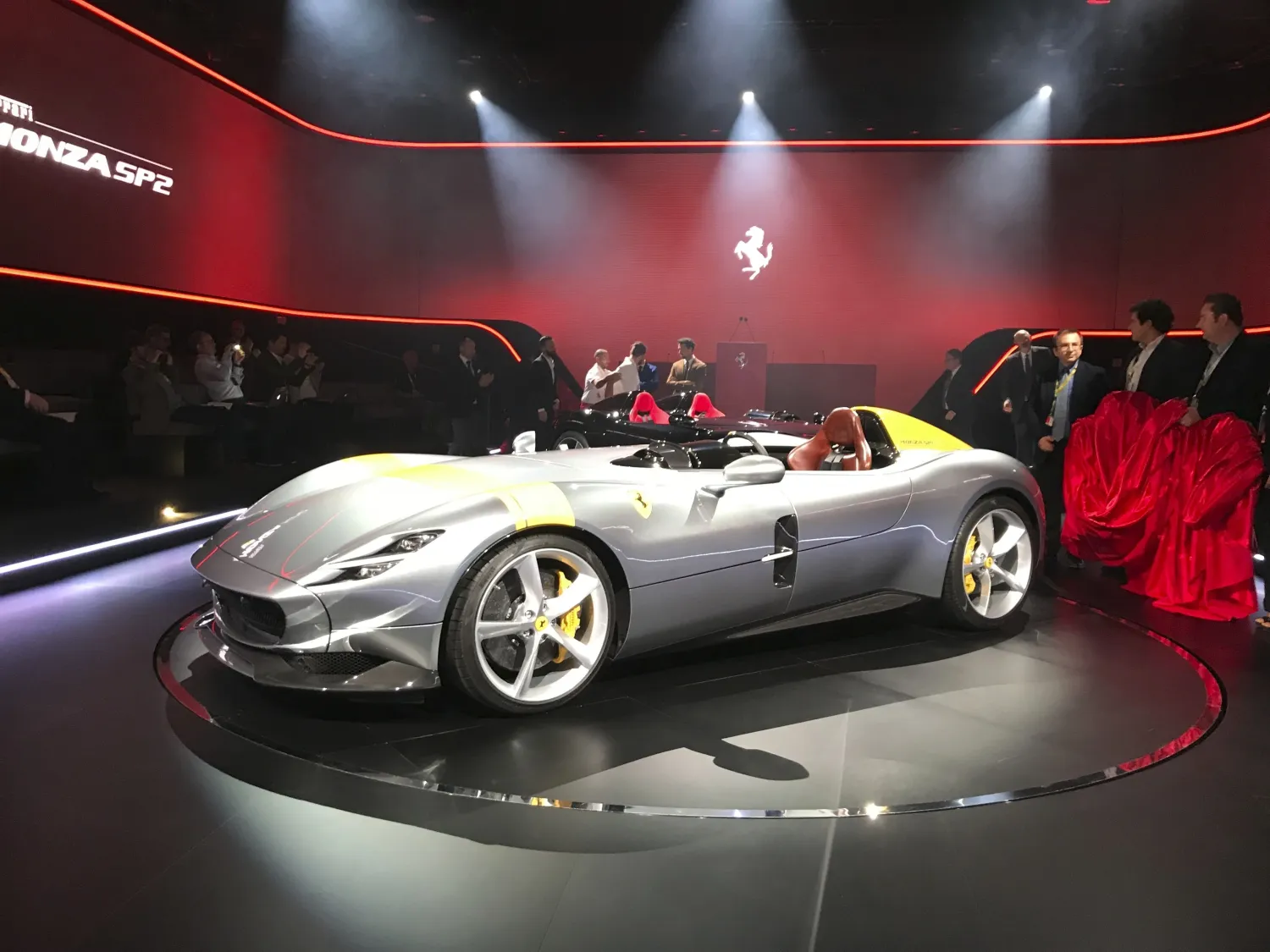

Covid-19 has affected the production and delivery of luxury cars, but not demands from the wealthy to acquire them, as analysts have noted.
The financial impact of the virus on Ferrari NV's performance is, for now, looking like only one quarter of lost earnings. Management has handled the crisis well, reported Bloomberg.
Revenue fell 42% year-on-year in the second quarter, with vehicle shipments dropping 48%, Monday's results revealed. Production slipped after factories and showrooms were closed as part of the measures imposed in most countries in order to curb the spread of the virus, the German News Agency reported.
The company decided against taking the axe to capital expenditures and costs, choosing instead to continue paying staff and to accelerate bonuses for dealers. Hence earnings per share fell 95%, while free cash flow was negative. Meanwhile, the order book for new cars is "as strong as ever."
The pandemic supports private car use at all budgets, and Ferrari believes many see a purchase of one of its vehicles as a reward during a time of difficulty.
There's a debate about whether Ferrari's peers are the mainstream carmakers or the luxury houses. Its strong pricing powers, and skill in controlling volumes and squeezing demand to maintain cache, reinforce the argument it belongs with the latter.
The second-quarter fall in sales was in line with that of Hermes International, and only slightly less severe than the drops announced by Kering SA and Richemont in their latest quarterly updates.
Here comes Ferrari's luxury valuation. The company's shares are 5% higher than when they started the year, whereas European stocks are down over 10%. On an enterprise value basis, the stock is worth 20 times next year's estimated Ebitda (Earnings before interest, taxes, depreciation and amortization). Hermes' multiple is 25, while the rest trail on 13 at best.
Although Ferrari is demonstrating its resilience to the pandemic, it would be wrong to think the crisis brings no threats to its business. Some challenges may have yet to emerge. As governments look for ways to pay for the costs of the coronavirus, expect a raft of policies seeking to tax those who can afford a Ferrari.