
Egyptian Minister of Trade and Industry Nevine Gamea revealed that a full customs exemption on 600 locally-produced items that are exported to MERCOSUR countries is set to be enforced as of September 1
The exemption comes as part of the free trade agreement signed between Egypt and those countries, including Brazil, Argentina, Uruguay, and Paraguay.
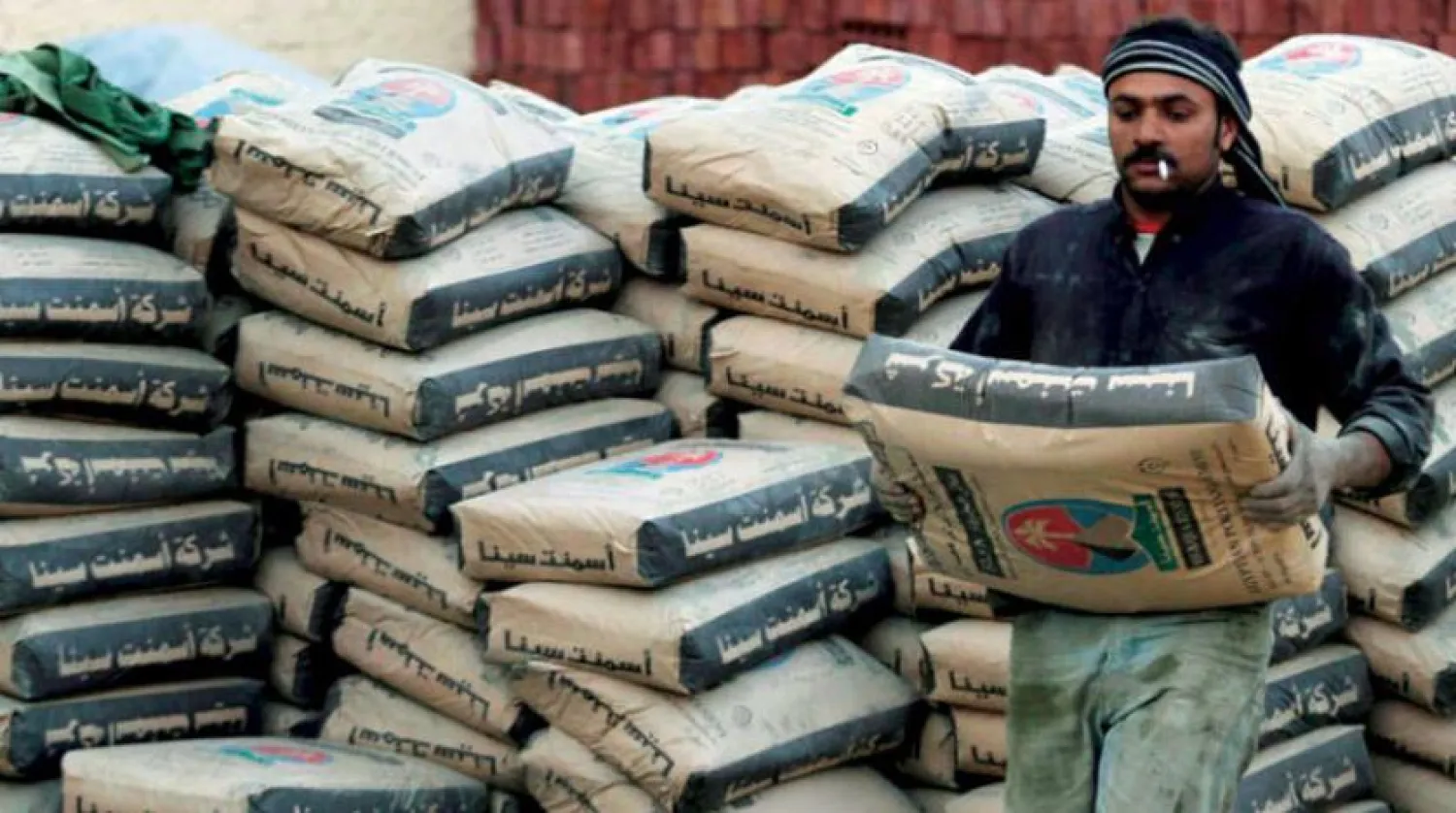
According to Gamea, the most important items that can be found on List B of the agreement include cement, citrus fruits, mineral oils, and natural gas.
The minister said that the MERCOSUR agreement supports the Egyptian state’s current trend towards increasing exports to various international markets, and opening new markets for Egyptian products. She noted that her ministry is keen to benefit from MERCOSUR member state markets, and aims to use the agreement as a hub for Egyptian exports entering South America.
For his part, Head of the Commercial Representation Authority Ahmed Maghawry said that Egyptian exports to MERCOSUR countries had achieved a significant increase since the agreement’s introduction.
He noted that Egyptian exports reached up to $490m in 2019, compared to about $212m in 2017, reflecting up to 130% increase.
Meanwhile, Egyptian imports from MERCOSUR countries decreased by 28%, reaching $2.8bn in 2019, compared to about $3.9bn in 2017, he added.
Egypt signed a free trade agreement with the MERCOSUR countries in 2010, coming into force from 1 September 2017.
The agreement provides for a gradual exemption over several years. It is set to eventually lead to a complete customs duties exemption imposed on 90% of the goods exchanged between the two parties, according to several lists attached to the agreement.
Separately, Egyptian Local Development Minister Mahmoud Shaarawy held talks with Belarusian Ambassador in Cairo Sergei Terentiev. The two officials discussed means of boosting bilateral cooperation in a number of fields in various Egyptian governorates.
They also reviewed the possibility of benefiting from the Belarusian expertise in the field of manufacturing equipment and machines used for recycling solid waste, as well as the sectors of digital transformation and information technology.
For his part, Shaarawy lauded the recent development in the Egyptian-Belarusian ties, citing the signing of a host of agreements and memorandums of understanding during mutual visits made by the two countries' leaders.
The Belarusian ambassador also hailed the distinguished friendship between the two countries that constitutes the base for strengthening bilateral ties in different areas.
Terentiev noted that the Belarusian leader issued directives to assist in modernizing the Egyptian industry, through offering the Belarusian expertise in making heavy industrial and agricultural equipment.