


Schenker: Solving Gulf Rift Has Nothing to Do with US Elections


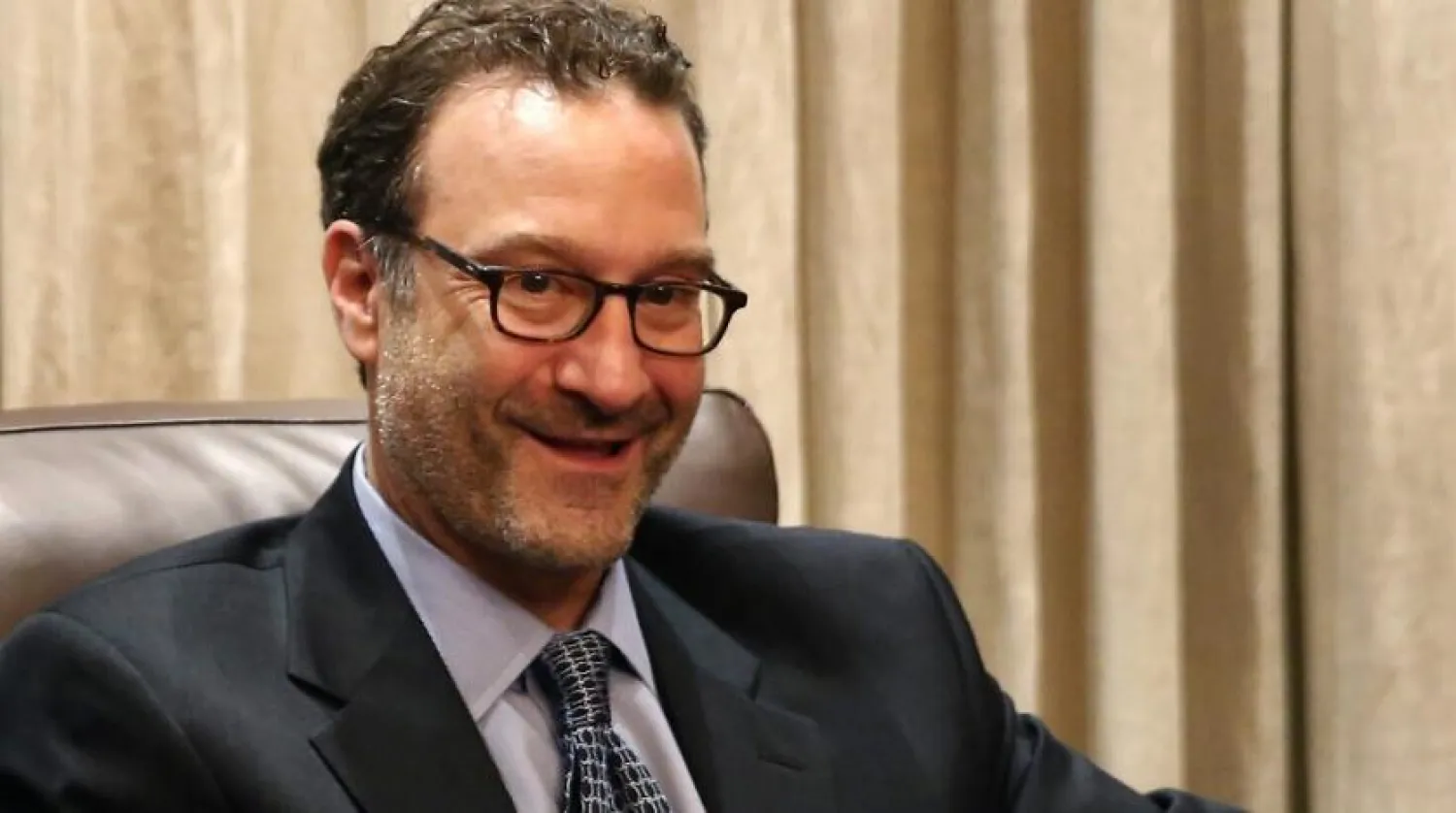
US Assistant Secretary of State for Near Eastern Affairs David Schenker, in Beirut, Lebanon, on September 9, 2019. (AP)
TT

Schenker: Solving Gulf Rift Has Nothing to Do with US Elections


US Assistant Secretary of State for Near Eastern Affairs David Schenker, in Beirut, Lebanon, on September 9, 2019. (AP)

A top US diplomat to the Middle East confirmed that relentless efforts are being spent by Washington to bridge the rift between Arab states and Qatar to form a united regional force that would stand in the face of Iran's malign agenda.

David Schenker, Assistant Secretary of State for Near Eastern Affairs, confirmed that solving the dispute between Saudi Arabia, Bahrain, Egypt and the UAE on one side and Qatar on the other side has gained great attention from the Trump administration.

Schenker said the US has been speaking with all sides but that the key players still had issues dividing them.

In a press conference attended by Asharq Al-Awsat on Tuesday, Schenker denied that the US administration exerted pressure on the Arab states or requested they end the conflict before the upcoming US elections slated for November.

“As for the Gulf rift, this has nothing to do with solving it before the US elections. There is an enormous amount of high-level attention on this issue. It is a priority for the administration. We think that the Gulf rifts serve no one’s interests except for Iran’s,” Schenker said.

“We think that it puts money in the pocket of the regime in Tehran by Qatar being forced to pay over-flight fees to the regime. It also puts Qataris and those who are flying on Qatar Airways in danger. We saw what happened when the Ukrainian jet that was shot down over Iran a few months back,” he added.

Schenker pointed out that normalizing ties with Israel was not the whole of his overall discussions with the leaders of Kuwait and Qatar during his visit to the region, but stressed that the need for Gulf unity is constant and pressing.

“The Gulf dispute only serves the interests of our adversaries and harms our mutual interests. We have important work to do together, and we want to see the parties involved resolve this dispute. Now more than ever it’s imperative that the GCC unite against regional threats. It’s time for all Gulf nations to find the unity needed to confront the challenges they face,” he said.

“This is particularly important when it comes to countering Iran’s malign influence in the region. Last month we saw a powerful step forward when the six members of the Gulf Cooperation Council asked the UN Security Council to extend the arms embargo against Iran, highlighting the importance of the collective strength of the united Gulf that’s needed for the sake of advancing greater peace and security,” he added.



Saudi Crown Prince Receives Message on Bilateral Ties from President of Kazakhstan

Prince Mohammed bin Salman bin Abdulaziz Al Saud, Saudi Crown Prince and Prime Minister. (SPA file)
TT

Saudi Crown Prince Receives Message on Bilateral Ties from President of Kazakhstan

Prince Mohammed bin Salman bin Abdulaziz Al Saud, Saudi Crown Prince and Prime Minister. (SPA file)

Prince Mohammed bin Salman bin Abdulaziz Al Saud, Saudi Crown Prince and Prime Minister, received on Tuesday a written message from President of Kazakhstan Kassym-Jomart Tokayev on bilateral relations between their two countries.

The message was received by Minister of Foreign Affairs Prince Faisal bin Farhan bin Abdullah during a meeting with his Kazakh counterpart Yermek Kosherbayev in Riyadh.


Princes and Officials Take Oath Before Custodian of the Two Holy Mosques

Custodian of the Two Holy Mosques King Salman bin Abdulaziz Al Saud and other officials are seen during the ceremony in Riyadh on Tuesday. (SPA)
TT

Princes and Officials Take Oath Before Custodian of the Two Holy Mosques

Custodian of the Two Holy Mosques King Salman bin Abdulaziz Al Saud and other officials are seen during the ceremony in Riyadh on Tuesday. (SPA)

Princes and officials appointed by royal orders to their new positions took the oath of office before Custodian of the Two Holy Mosques King Salman bin Abdulaziz Al Saud in Riyadh on Tuesday.

They included Deputy Governor of Al-Baha Region Prince Fahd bin Saad bin Abdullah bin Abdulaziz bin Turki; Member of the Shura Council Prince Dr. Saad bin Saud bin Mohammed bin Abdulaziz; Deputy Governor of Madinah Region Prince Saud bin Nahar bin Saud; Deputy Governor of Northern Borders Region Prince Mohammed bin Abdullah bin Abdulaziz; and Minister of Investment Fahd Al-Saif.

They swore to be faithful to their religion, then their King and country, not to reveal any of the state’s secrets, to preserve its interests and regulations, and to perform their duties with honesty, trustworthiness, and sincerity.


Saudi Arabia Reiterates Its Categorical Rejection of Israel’s ‘State Land’ Decision in West Bank

Custodian of the Two Holy Mosques King Salman bin Abdulaziz Al Saud chairs the Cabinet meeting in Riyadh. (SPA)
TT

Saudi Arabia Reiterates Its Categorical Rejection of Israel’s ‘State Land’ Decision in West Bank

Custodian of the Two Holy Mosques King Salman bin Abdulaziz Al Saud chairs the Cabinet meeting in Riyadh. (SPA)

The Saudi government condemned on Tuesday Israel’s decision to West Bank lands as "state lands."

Reiterating its absolute rejection of these illegal measures, the Cabinet warned that they undermine peace efforts and violate the Palestinian people's inherent right to establish an independent, sovereign state within the 1967 borders, with East Jerusalem as its capital.

Custodian of the Two Holy Mosques King Salman bin Abdulaziz Al Saud chaired the Cabinet session that was held in Riyadh.

The Cabinet congratulated citizens and Muslims on the advent of the holy month of Ramadan, expressing gratitude for the Kingdom's honor in caring for the two holy mosques and their visitors.

The Cabinet highlighted the success of the Hajj and Umrah seasons, noting that the Kingdom welcomed 19.5 million international pilgrims and Umrah performers in 2025, setting new records that reflect rapid progress toward the goals of Vision 2030 and the Pilgrim Experience Program.

The Cabinet described the Kingdom's Founding Day celebration on February 22 as an expression of pride in the Saudi state's nearly three-century history, underscoring the foundations of justice, unity, and development established by leaders and citizens throughout history to ensure the nation remains a global leader in all fields.

The Cabinet was briefed on recent talks between Saudi Arabia and various nations, which focused on strengthening bilateral and multilateral cooperation and boosting coordination to foster regional and international security, stability, and prosperity.

The session further reviewed the Kingdom's economic, cultural, and social activities, stressing the state's commitment to social solidarity and giving. This includes continued support for the sixth National Campaign for Charitable Work, set to begin on Friday.

The Cabinet commended the success of the third World Defense Show held in Riyadh under the Custodian of the Two Holy Mosques' patronage, during which strategic partnerships, agreements, and memoranda of understanding were signed to localize military technologies and strengthen local supply chains in alignment with Vision 2030 objectives.