


Saudi Arabia Gradually Lifts Travel Restrictions

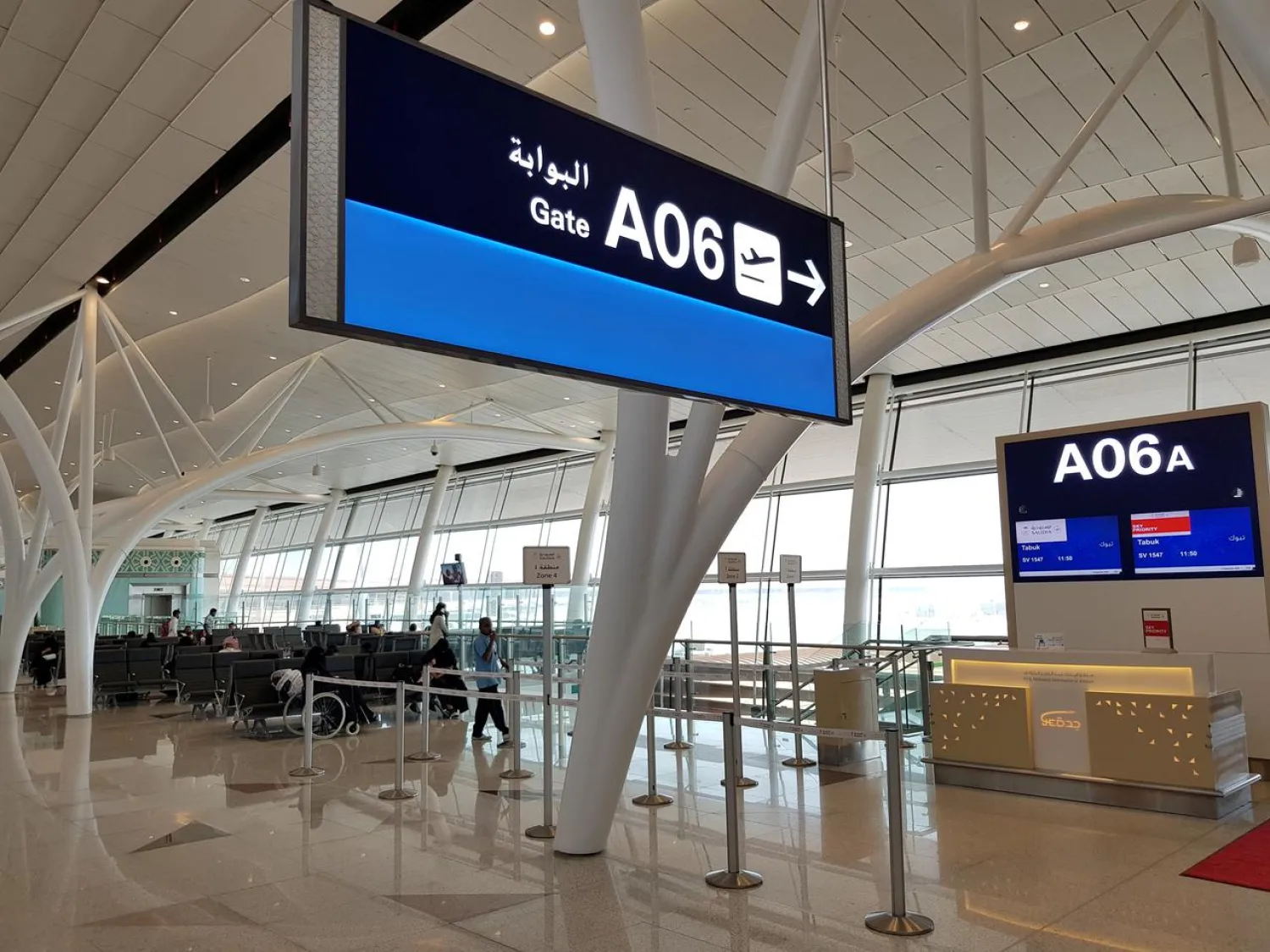
FILE PHOTO: General view of a terminal of Jeddah airport, in Jeddah, Saudi Arabia September 19, 2018. REUTERS/Stephen Kalin/File Photo
TT

Saudi Arabia Gradually Lifts Travel Restrictions

FILE PHOTO: General view of a terminal of Jeddah airport, in Jeddah, Saudi Arabia September 19, 2018. REUTERS/Stephen Kalin/File Photo

Saudi Arabia is gradually lifting the travel ban, by allowing a specific group of people to enter and exit the Kingdom before January 1, the expected date of the complete reopening of the land, maritime and air borders.

The exact date for lifting the suspension of travel and allowing the land, sea and air transport shall be announced 30 days before January 1, 2021.

People exempted from the decision, who will be allowed to enter and exit the Kingdom before that date, include GCC citizens, non-Saudi visa holders, ill Saudis who need treatment abroad, Saudi students, diplomats and businessmen. However, they need to show a negative PCR test before boarding flights or enter the Kingdom’s sea and land ports.

The Saudi Civil Aviation Authority announced on Tuesday the launch of the first flights from the Kingdom amid tight health instructions, including a home quarantine for seven days for all passengers arriving in Saudi Arabia and three days for health practitioners with a negative sample at the end of the quarantine period.

The authority stressed that failure to comply with the instructions would lead to the imposition of penalties, including a fine that could reach 500,000 Saudi riyals (USD133,000), or imprisonment for two years or the two penalties together, for those who breach the seven-day home quarantine.

The authority also stressed that any traveler coming to Saudi Arabia would have to submit a negative PCR test from a reliable party outside the Kingdom, before boarding flights or entering the Kingdom’s sea and land ports.

The authority obliged all airlines operating in the Kingdom to distribute an updated form from the Ministry of Health to inbound passengers before reaching the Kingdom’s airports.

In the form, which should be submitted to the health control center upon arrival at the airport, passengers acknowledge that they do not suffer from any respiratory symptoms, high temperature, or any of the other Covid-19 symptoms; that they would comply with the seven-day quarantine period and submit a negative PCR test at the end of the quarantine.

The conditions also included adding location of home on Tetamman App within eight hours after the arrival of the passenger; monitoring symptoms of coronavirus; calling 937 immediately in the event of noticing any of the symptoms or going to the health center when necessary; and getting access to Tetamman to do health assessment on a daily basis.



Saudi Crown Prince Receives Message on Bilateral Ties from President of Kazakhstan

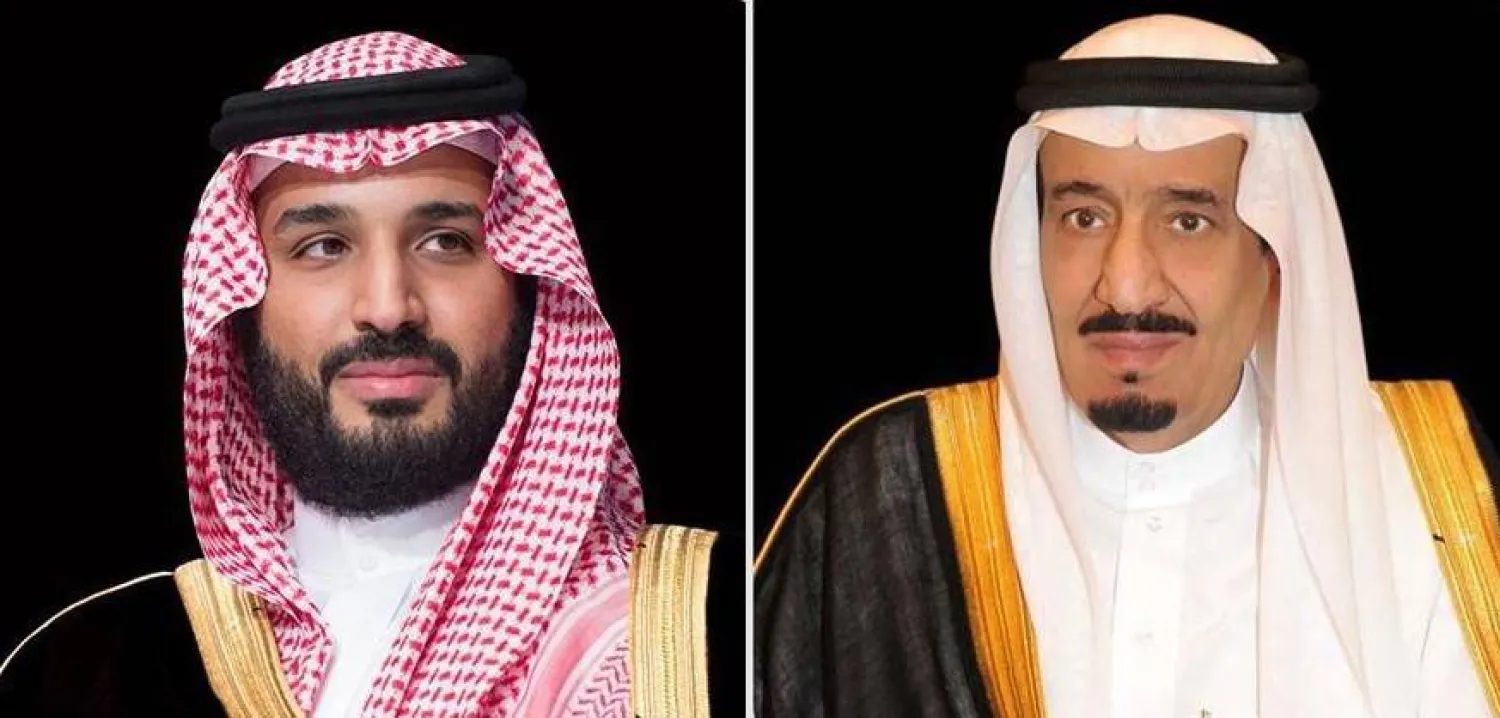
Prince Mohammed bin Salman bin Abdulaziz Al Saud, Saudi Crown Prince and Prime Minister. (SPA file)
TT

Saudi Crown Prince Receives Message on Bilateral Ties from President of Kazakhstan

Prince Mohammed bin Salman bin Abdulaziz Al Saud, Saudi Crown Prince and Prime Minister. (SPA file)

Prince Mohammed bin Salman bin Abdulaziz Al Saud, Saudi Crown Prince and Prime Minister, received on Tuesday a written message from President of Kazakhstan Kassym-Jomart Tokayev on bilateral relations between their two countries.

The message was received by Minister of Foreign Affairs Prince Faisal bin Farhan bin Abdullah during a meeting with his Kazakh counterpart Yermek Kosherbayev in Riyadh.


Princes and Officials Take Oath Before Custodian of the Two Holy Mosques

Custodian of the Two Holy Mosques King Salman bin Abdulaziz Al Saud and other officials are seen during the ceremony in Riyadh on Tuesday. (SPA)
TT

Princes and Officials Take Oath Before Custodian of the Two Holy Mosques

Custodian of the Two Holy Mosques King Salman bin Abdulaziz Al Saud and other officials are seen during the ceremony in Riyadh on Tuesday. (SPA)

Princes and officials appointed by royal orders to their new positions took the oath of office before Custodian of the Two Holy Mosques King Salman bin Abdulaziz Al Saud in Riyadh on Tuesday.

They included Deputy Governor of Al-Baha Region Prince Fahd bin Saad bin Abdullah bin Abdulaziz bin Turki; Member of the Shura Council Prince Dr. Saad bin Saud bin Mohammed bin Abdulaziz; Deputy Governor of Madinah Region Prince Saud bin Nahar bin Saud; Deputy Governor of Northern Borders Region Prince Mohammed bin Abdullah bin Abdulaziz; and Minister of Investment Fahd Al-Saif.

They swore to be faithful to their religion, then their King and country, not to reveal any of the state’s secrets, to preserve its interests and regulations, and to perform their duties with honesty, trustworthiness, and sincerity.


Saudi Arabia Reiterates Its Categorical Rejection of Israel’s ‘State Land’ Decision in West Bank

Custodian of the Two Holy Mosques King Salman bin Abdulaziz Al Saud chairs the Cabinet meeting in Riyadh. (SPA)
TT

Saudi Arabia Reiterates Its Categorical Rejection of Israel’s ‘State Land’ Decision in West Bank

Custodian of the Two Holy Mosques King Salman bin Abdulaziz Al Saud chairs the Cabinet meeting in Riyadh. (SPA)

The Saudi government condemned on Tuesday Israel’s decision to West Bank lands as "state lands."

Reiterating its absolute rejection of these illegal measures, the Cabinet warned that they undermine peace efforts and violate the Palestinian people's inherent right to establish an independent, sovereign state within the 1967 borders, with East Jerusalem as its capital.

Custodian of the Two Holy Mosques King Salman bin Abdulaziz Al Saud chaired the Cabinet session that was held in Riyadh.

The Cabinet congratulated citizens and Muslims on the advent of the holy month of Ramadan, expressing gratitude for the Kingdom's honor in caring for the two holy mosques and their visitors.

The Cabinet highlighted the success of the Hajj and Umrah seasons, noting that the Kingdom welcomed 19.5 million international pilgrims and Umrah performers in 2025, setting new records that reflect rapid progress toward the goals of Vision 2030 and the Pilgrim Experience Program.

The Cabinet described the Kingdom's Founding Day celebration on February 22 as an expression of pride in the Saudi state's nearly three-century history, underscoring the foundations of justice, unity, and development established by leaders and citizens throughout history to ensure the nation remains a global leader in all fields.

The Cabinet was briefed on recent talks between Saudi Arabia and various nations, which focused on strengthening bilateral and multilateral cooperation and boosting coordination to foster regional and international security, stability, and prosperity.

The session further reviewed the Kingdom's economic, cultural, and social activities, stressing the state's commitment to social solidarity and giving. This includes continued support for the sixth National Campaign for Charitable Work, set to begin on Friday.

The Cabinet commended the success of the third World Defense Show held in Riyadh under the Custodian of the Two Holy Mosques' patronage, during which strategic partnerships, agreements, and memoranda of understanding were signed to localize military technologies and strengthen local supply chains in alignment with Vision 2030 objectives.