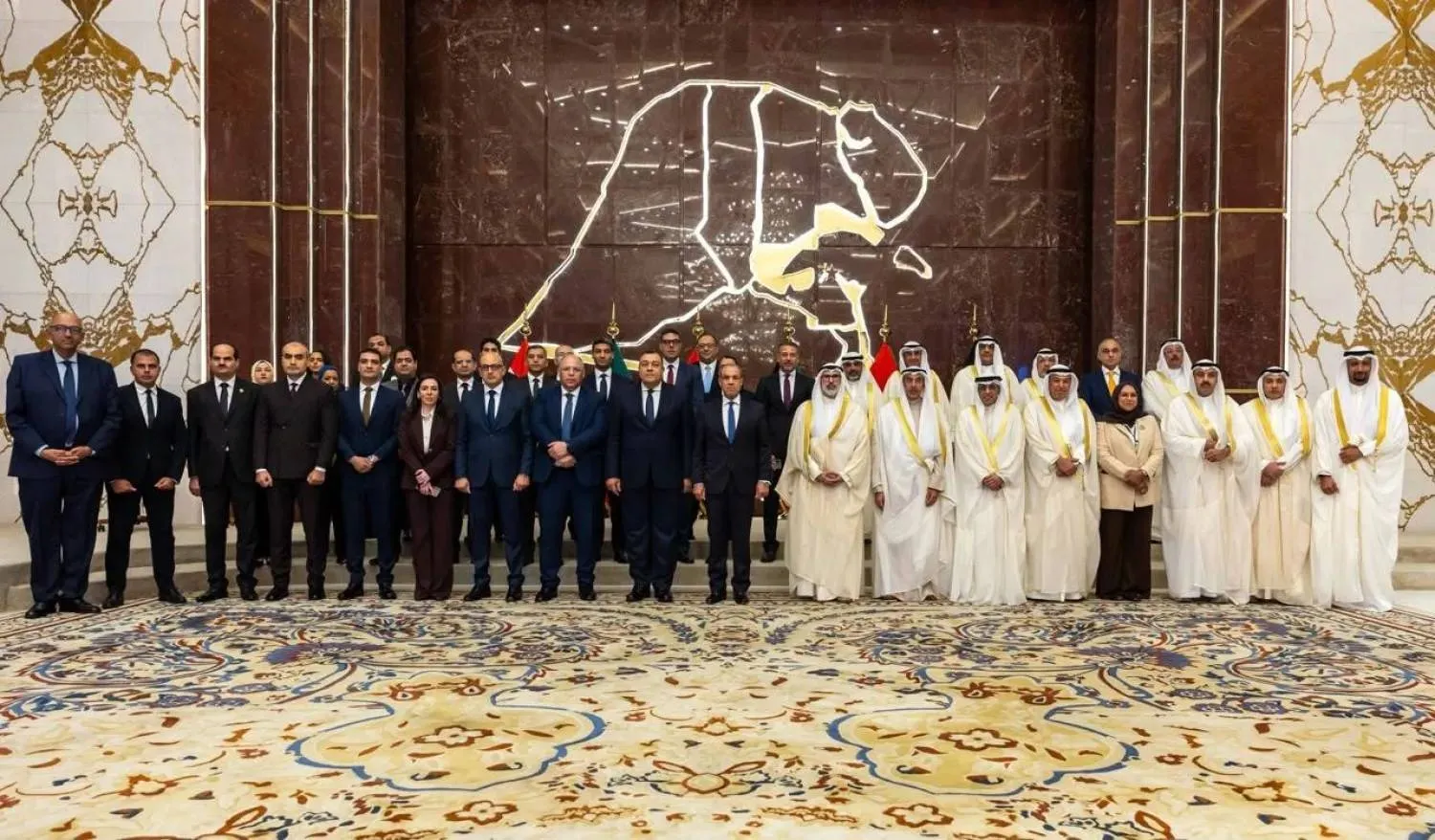
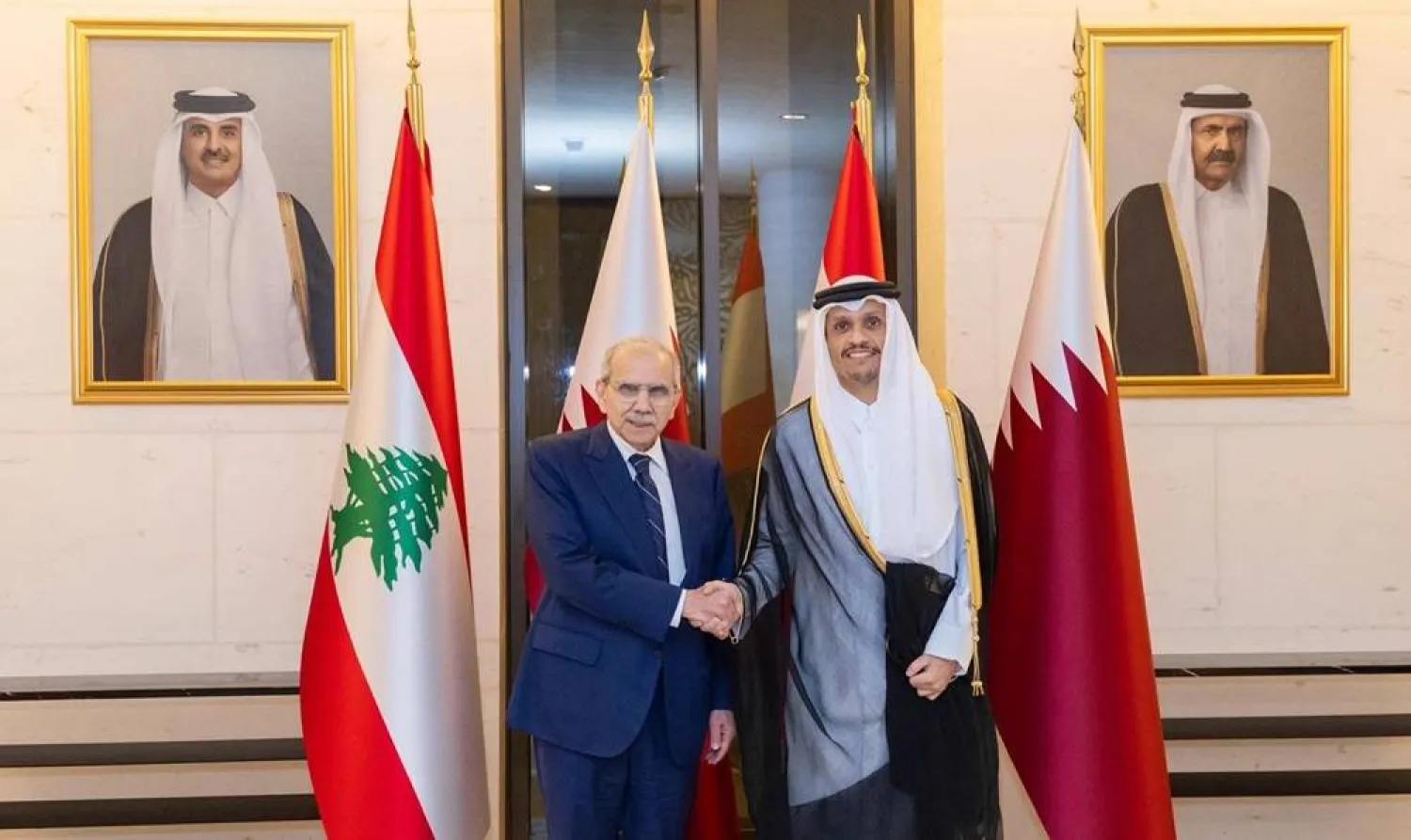
Cairo and Kuwait on Sunday discussed ways to de-escalate regional tensions, strengthen bilateral ties, and explore new financing avenues.
In a statement, Kuwait’s Ministry of Foreign Affairs said it hosted the 14th session of the Kuwaiti-Egyptian Joint Committee, co-chaired by Foreign Minister Sheikh Jarrah Jaber Al-Ahmad Al-Sabah and his Egyptian counterpart Badr Abdelatty.
The meetings focused on ways to advance cooperation to new levels. They tackled the latest regional and international developments, ongoing diplomatic efforts, and means to bolster joint action to confront current regional challenges.
The two sides signed three memoranda of understanding covering exhibitions, economic and free zones, and civil aviation authorities, as well as executive programs in training, culture, the arts, education, and customs affairs.
According to a statement from the Egyptian Ministry of Foreign Affairs, Abdelatty underscored the importance of continued efforts to boost economic and investment cooperation, increase bilateral trade and mutual investments, and expand partnerships between both countries.
He underscored the Egyptian government’s commitment to overcoming any obstacles facing their investments.
Former Egyptian Assistant Foreign Minister Mohamed Hegazy said Sunday’s meetings underscore the importance of bilateral relations as “a strategic partnership dictated by the nature of ongoing transformations in the region, along with the crises, conflicts, and reshaping of regional and international balances of power and alliances it is witnessing.”
Speaking to Asharq Al-Awsat, Hegazy added that “Cairo and Kuwait possess the historical capital, political trust, and economic interests that qualify them to move to a more advanced stage of strategic partnership.”
Kuwait Crown Prince Sabah Al-Khaled Al-Hamad Al-Sabah also received Abdelatty for talks on regional developments and de-escalation efforts.
Abdelatty’s visit took place as Iran carried out a new attack against Bahrain on Sunday following one on Friday.
Hegazy said that Egyptian-Kuwaiti coordination carries a clear message that Gulf security is not a separate from Arab national security.
“Egypt’s security and Gulf stability form a single system of integrated strategic interests,” he added.
“We are looking at two countries that recognize regional stability is a shared responsibility, and that security, political, and economic challenges can no longer be addressed through unilateral moves, but rather require institutionalized and continuous Arab coordination,” he explained.
Abdelatty’s visit to Kuwait also included intensive discussions aimed at attracting investment and financing.
He met with Finance Minister Yaqoub Al-Rifai to discuss “increasing mutual investments between the two sides and building on the promising opportunities in economic relations that match the stature and capabilities of both countries,” said the Egyptian Foreign Ministry.