



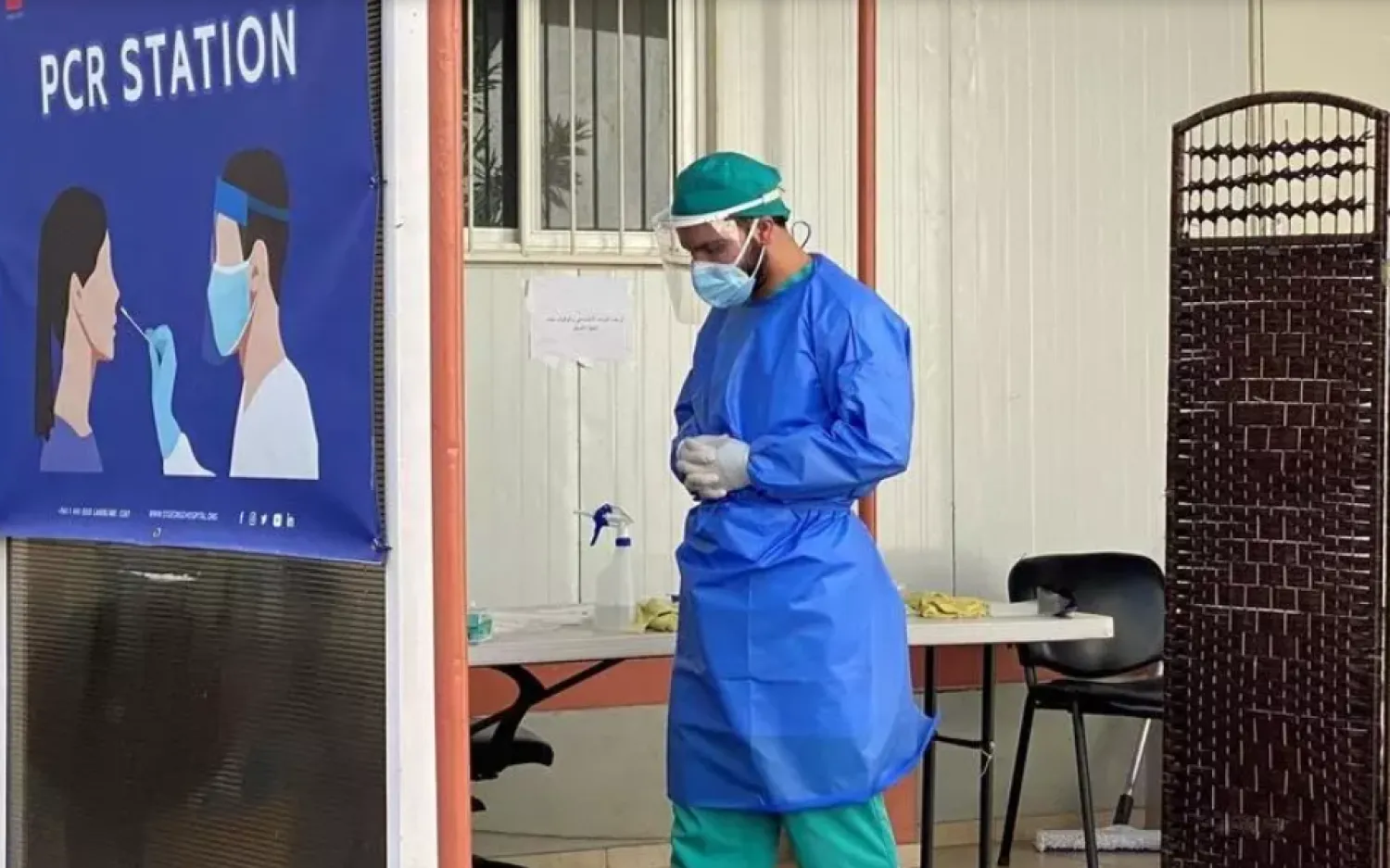

Lebanon hit a new daily record for COVID-19 fatalities on Wednesday, registering 76 deaths.
Hospitals are struggling with coronavirus patients, reporting near full occupancy in ICU beds. Nearly 290,000 infections have been recorded since last February and 2,553 deaths.
A round-the-clock curfew is in force nationwide and grocery shopping is restricted to home deliveries.
Authorities have extended the lockdown by two weeks to February 8.
On Wednesday, Lebanese officials unveiled the national vaccination plan, saying the government aims to inoculate around 80 percent of the population by the end of the year. The first batch of Pfizer-BioNTech vaccines is scheduled to arrive in Lebanon by mid-February.
The surge in infections comes on top of Lebanon’s worst economic crisis since its 15-year civil war ended in 1990.
Half of Lebanon's population is now poor, and almost a quarter live in extreme poverty, the United Nations says.
Around half of the workforce lives off daily wages, the labor ministry estimates.
Authorities say they have started disbursing monthly payments of 400,000 Lebanese pounds (around $50 at the market rate) to some 230,000 families.
But caretaker social affairs minister Ramzi Musharrafieh acknowledged Tuesday that three-quarters of the population of more than six million needs financial assistance.
Coming after months of political crisis and mass anti-government demonstrations, the country's COVID-19 response is being overseen by a caretaker administration.
The previous government had resigned after a massive explosion of ammonium nitrate at Beirut's port on Aug. 4 killed 200 people, injured thousands and ravaged large parts of the capital.


