


Iraqi Publishing House to Release New Arabic Translation of Patrick Süskind's 'The Pigeon'

Patrick Süskind
Patrick Süskind
TT

Iraqi Publishing House to Release New Arabic Translation of Patrick Süskind's 'The Pigeon'

Patrick Süskind
Patrick Süskind

Iraqi publishing house Dar Al Mada is preparing to release a new Arabic version of Patrick Süskind's famous novel "The Pigeon", translated by Kamiran Hoj. The introduction of the book is written by Iraqi novelist Ali Badr.

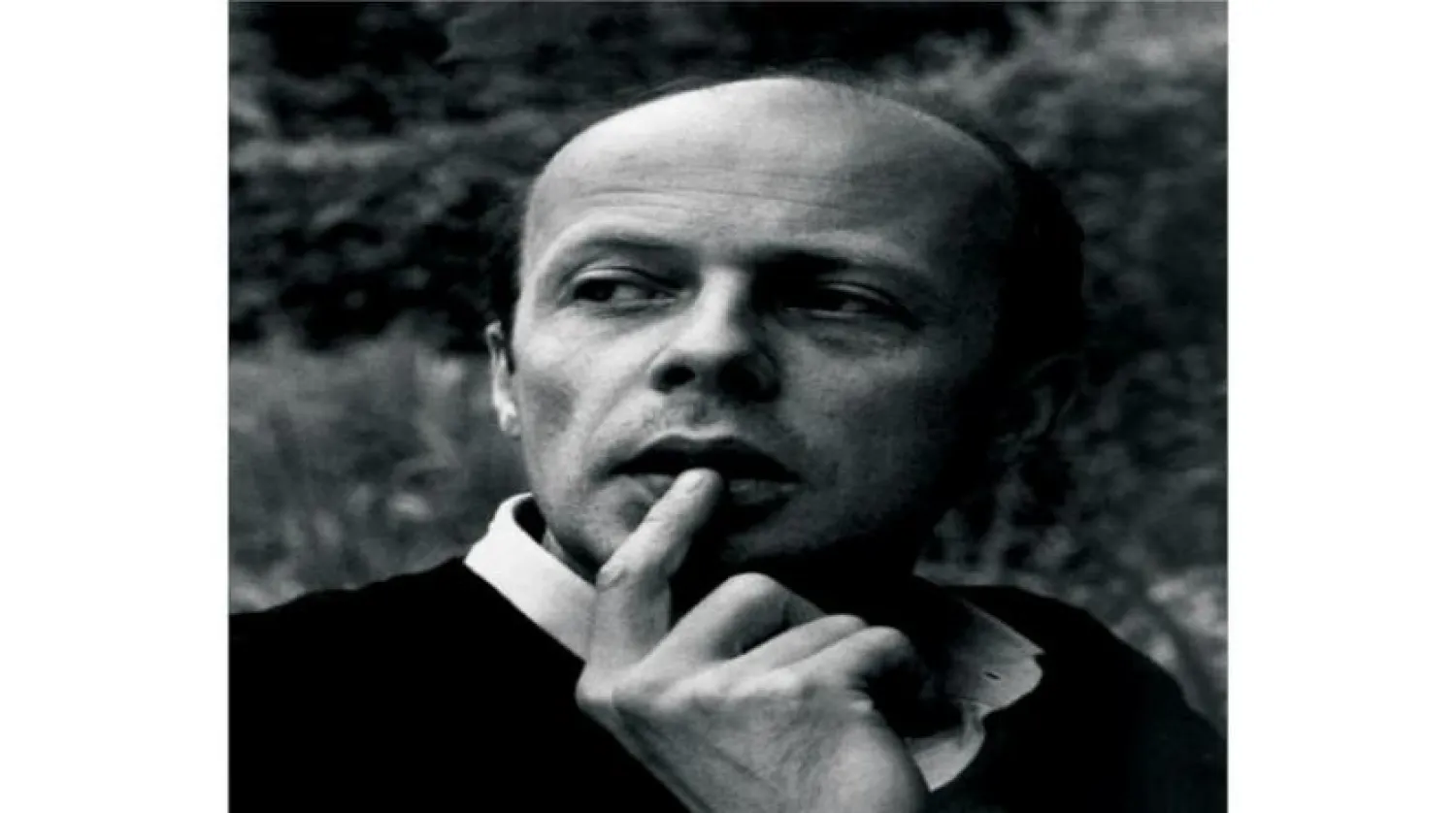
Patrick Süskind has one photo shared in public. It shows a skinny man with handsome features, smart eyes, and a bald patch at the front of his head. No one saw another picture of the writer. Although journalists chased him everywhere, none of them managed to capture a photo of his face or even draw him in a portrait. Süskind made only four interviews in his entire life and refused to appear publicly on TVs or at festivals.

He never received the prizes he won including the best literary work award (France, 1986), the Toucan Prize (1987), and the FAZ-Literaturpreis (1987). He also never attended a show of a movie he wrote, and never signed a book for anyone.

No one knows where he lives or what kind of rituals he practices. The details we usually know about the writers we love are not available in Süskind's case. No one knows his goals, views about major causes, opinions about the writers of his generation, relationships, or family (According to unconfirmed information, Süskind lives in in Munich (Seeheim or Starnberg) or in Montolieu in France.

He has only one friend, the French cartoonist Jean-Jacques Sempé, who drew the images of his novel "The Story of Mr. Sommer." Süskind, in return, translated some of Sempé's works into German. He is reportedly married to Tania Graff and has one child).

He is a hidden, overwhelmed writer who has a dark and honest view he elaborated in the script of his movie "Rossini," which explores the life of a writer who refuses to be paid for transforming his novel into a movie. It is believed that Süskind used this script to talk about himself.

The life of this German writer wasn't ordinary at all. His father is the journalist Wilhelm Emanuel Süskind, and his brother is the well-known journalist Martin E. Süskind. He is also the descendant of the exegete Johann Albrecht. Patrick was born in 1949 in Ambach and grew in Bavaria, in a region currently known as Münsing. He was different from the other members of his family and peers.

He preferred loneliness, and was always preoccupied with reading medieval literature and history. He also studied several Latin languages including French, Spanish, and Greek, in addition to politics and theology.

Süskind suddenly decided to ditch education and wrote his first novel, but his biggest achievement was "The Perfume," a novel he published in 1985. It gained an astounding fame, was translated into 49 languages, and sold around 20 million copies," Badr wrote in the introduction.



Louvre Museum Installs Security Bars on Balcony Used in October’s Heist

 Workers install metal security bars over the window where thieves broke into the Louvre museum on Oct.19, Tuesday Dec.23, 2025 in Paris. (AP)
Workers install metal security bars over the window where thieves broke into the Louvre museum on Oct.19, Tuesday Dec.23, 2025 in Paris. (AP)
TT

Louvre Museum Installs Security Bars on Balcony Used in October’s Heist

 Workers install metal security bars over the window where thieves broke into the Louvre museum on Oct.19, Tuesday Dec.23, 2025 in Paris. (AP)
Workers install metal security bars over the window where thieves broke into the Louvre museum on Oct.19, Tuesday Dec.23, 2025 in Paris. (AP)

France's Louvre museum on Tuesday installed security bars on the balcony that burglars used to break in and steal some of the crown jewels.

Four people broke into the world's most visited museum on October 19 and escaped with jewels worth an estimated $102 million, exposing glaring security gaps and revealing its deteriorating state.

They parked a movers' lift outside the museum, jumped on the balcony of the Apollo gallery, smashed a window, cracked open display cases ‌with angle grinders ‌and fled on the ‌back ⁠of scooters driven by ‌accomplices in a heist lasting less than 7 minutes.

On Tuesday, a crane lifted the security grille into place to seal the glass door leading to the balcony.

"The Louvre is learning all the lessons from the theft of October 19 and is continuing its transformation ⁠and the strengthening of its security architecture," the museum said in a ‌post on X.

It also said a ‍mobile police squad was ‍now present at the roundabout in front of ‍the iconic glass pyramid, and 100 more cameras would be deployed around the museum next year.

Police have identified eight suspects in connection with the heist, though the jewels are still missing.

The break-in raised awkward questions about security at the Louvre, which is home to ⁠priceless artworks such as the Mona Lisa.

Louvre officials have admitted there was inadequate security camera coverage of the outside walls of the museum and no coverage of the balcony involved in the break-in.

The heist was one of several woes to hit the museum in recent weeks: another gallery, adjacent to the Apollo, was closed because of structural weakness, a water leak damaged books at the Egyptian antiquities department and the museum ‌was partly closed for several days after its staff went on strike.


Najran: Saudi Arabia’s Southern Tourist and Cultural Gem

Najran is an exceptional tourist destination, where stunning landscapes meet a rich historical heritage. (SPA)
TT

Najran: Saudi Arabia’s Southern Tourist and Cultural Gem

Najran is an exceptional tourist destination, where stunning landscapes meet a rich historical heritage. (SPA)

Najran is an exceptional tourist destination, where stunning landscapes meet a rich historical heritage. Visitors can experience towering mountains, vast plains, and enchanting deserts that leave a lasting impression.

The region has undergone significant development to enhance its urban landscape and quality of life. Approximately 25 projects, valued at over SAR711 million, have been completed or are underway, including stormwater drainage improvements and upgraded infrastructure, said the Saudi Press Agency.

These initiatives are part of a broader plan to strengthen road networks and improve the city’s readiness to meet environmental and service challenges, in line with Saudi Vision 2030.

Najran is home to numerous archaeological sites that reflect its storied past. The historic city of Al-Ukhdood, dating back to the 4th and 5th centuries AD, serves today as a living, open-air museum attracting visitors from across the Kingdom and abroad.

The Hima Cultural Area, a UNESCO World Heritage Site, features over 5,500 rock carvings spanning different historical periods, offering valuable insights into the wildlife and culture of the Arabian Peninsula.

Najran also stands out as one of Saudi Arabia’s most important agricultural areas, with its unique climate allowing year-round cultivation of high-quality fruits and vegetables across more than 5,000 farms covering 27,000 hectares.

Its strategic location, natural resources, and advanced infrastructure make it a prime investment destination in southern Saudi Arabia. The region hosts around 90 factories and is rich in mineral resources, including gold, copper, iron, and copper-zinc reserves spanning over 70 square kilometers.

Foreign tourists have praised Najran for its seamless blend of history and natural beauty, noting that every corner tells the story of this ancient land and reflects a rich cultural heritage, making it a destination truly worth exploring.


Holy Quran Museum in Makkah Preserves, Showcases Rare Manuscripts

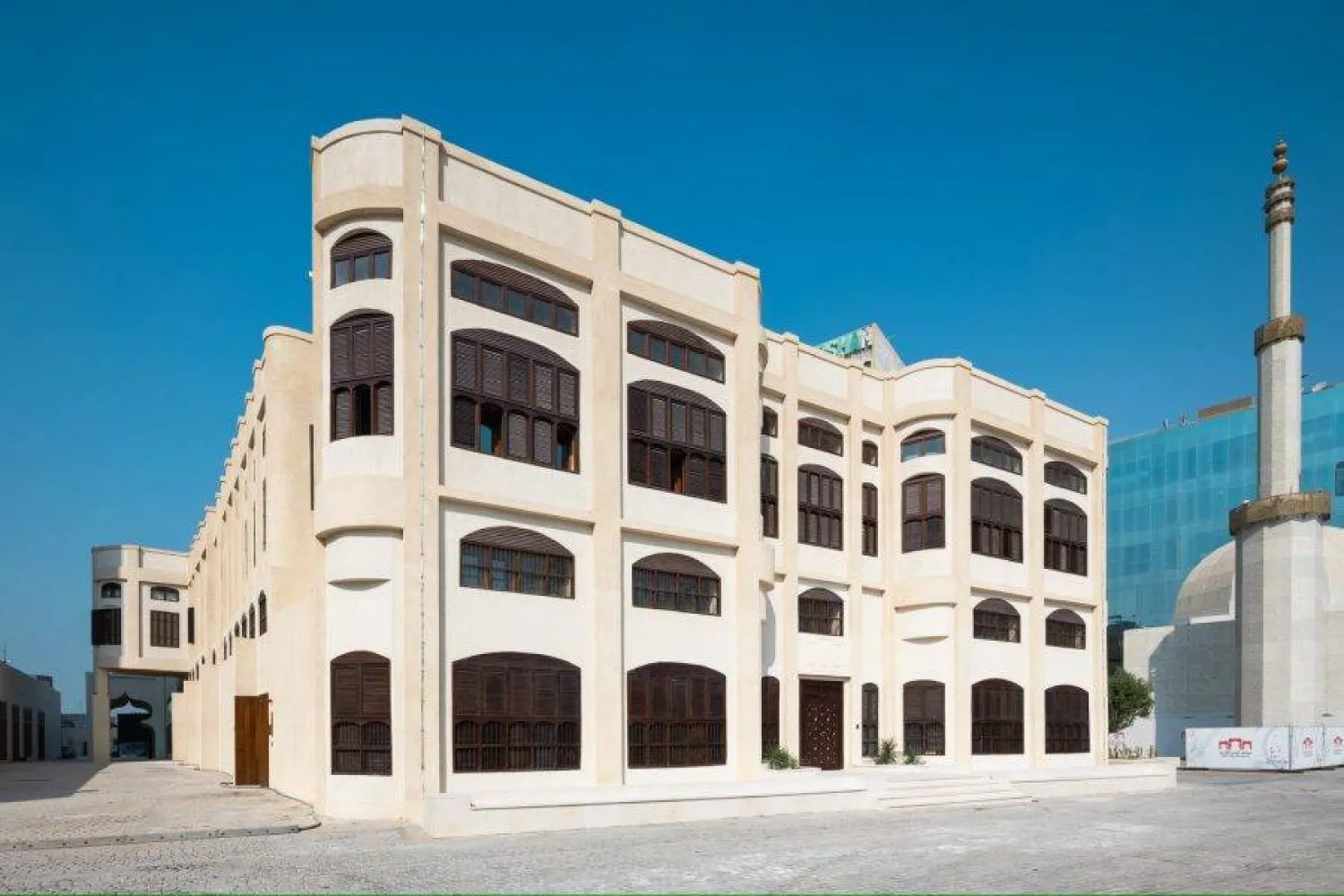
 The Museum of the Holy Quran is located in the Hira Cultural District of Makkah - File Photo/ SPA
The Museum of the Holy Quran is located in the Hira Cultural District of Makkah - File Photo/ SPA
TT

Holy Quran Museum in Makkah Preserves, Showcases Rare Manuscripts

 The Museum of the Holy Quran is located in the Hira Cultural District of Makkah - File Photo/ SPA
The Museum of the Holy Quran is located in the Hira Cultural District of Makkah - File Photo/ SPA

The Holy Quran Museum in the Hira Cultural District in Makkah continues to play a leading role in preserving and exhibiting rare copies of the Holy Quran, standing as a cultural landmark that reflects the revered status of the Quran in the conscience of the Islamic nation and documents the care devoted to it across different historical eras, SPA reported.

Through its collections, the museum highlights the value of Quranic endowments, which formed one of the most significant features of Islamic civilization and contributed to safeguarding Quran manuscripts, disseminating them, facilitating their recitation, and supporting their service in mosques and centers of learning.

The museum houses one endowed copy of the Holy Quran printed in 30 pages, endowed by Prince Abdulaziz bin Mishaal bin Abdulaziz.

This initiative reflects a deep connection to the Holy Quran and embodies the continuity of the charitable endowment tradition dedicated to serving and caring for the Holy Quran.

The display of this manuscript aligns with the museum’s mission to introduce visitors to the history of the Holy Quran, highlight the efforts of individuals and institutions to preserve and serve it, and raise awareness of the cultural and humanitarian significance of Quranic endowments.

The museum offers a comprehensive cultural and knowledge-based experience that connects visitors to the history and stature of the Holy Quran, starting from Makkah, the birthplace of revelation and the direction of prayer for Muslims.