


Saudi Arabia Pledges $430 Mln to Support Yemen Humanitarian Response Plan 2021

Saudi Arabia pledged USD430 million to fund the United Nations Yemen Humanitarian Response Plan 2021. (SPA)
TT

Saudi Arabia Pledges $430 Mln to Support Yemen Humanitarian Response Plan 2021

Saudi Arabia pledged USD430 million to fund the United Nations Yemen Humanitarian Response Plan 2021. (SPA)

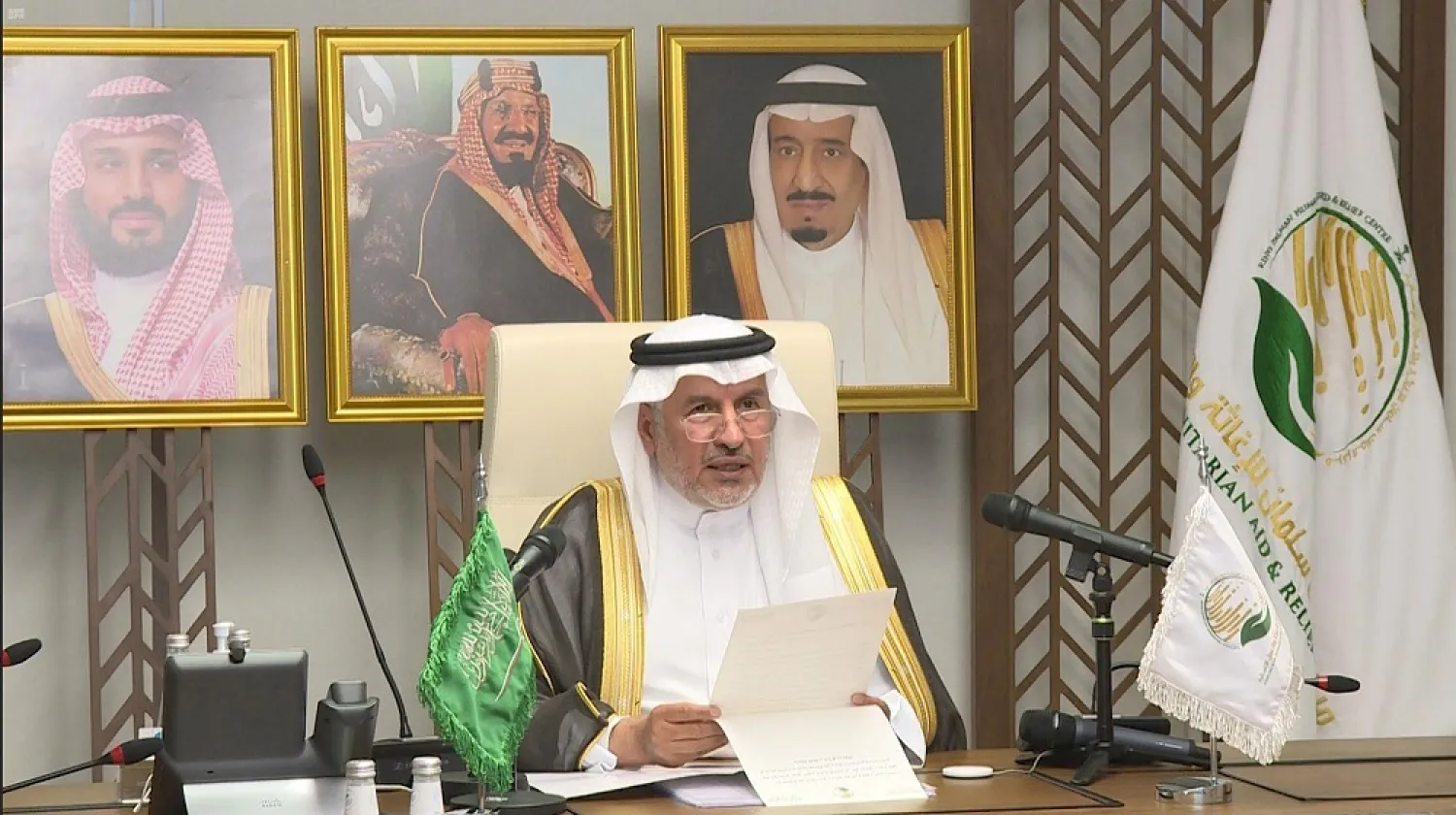
Saudi Arabia pledged on Monday USD430 million to fund the United Nations Yemen Humanitarian Response Plan 2021.

Advisor to the Royal Court and Supervisor General of King Salman Humanitarian Aid and Relief Center (KSrelief), Dr. Abdullah Al Rabeeah made the announcement during the Yemen High-Level Pledging Event 2021, which was convened virtually and co-hosted by Sweden and Switzerland and the UN to address the ongoing humanitarian crisis in Yemen, reported the Saudi Press Agency.

Opening remarks were delivered by UN Secretary-General Antonio Guterres, Vice President and Head of the Federal Department of Foreign Affairs for Switzerland Ignazio Cassis, Swedish Minister for Foreign Affairs Ann Linde and UN Resident and Humanitarian Coordinator in Yemen and David Gressly.

“I am honored to express the profound thanks and appreciation of the Kingdom of Saudi Arabia to the Governments of Sweden and Switzerland and to the United Nations for their organization of this virtual conference during the exceptional circumstances the world is experiencing due to COVID-19 and its variants. Today, we hope that we can reach solutions that are more sustainable and effective in alleviating human suffering in Yemen,” said Al Rabeeah

“Since unification by its founder, King Abdulaziz Al Saud, Saudi Arabia has always centered its relationships with other countries and peoples on a set of values and principles that embrace peace, harmony and cooperation,” he added.

“The Kingdom has provided impartial support and assistance to millions of people in need, and has shared with the rest of the donor community the noble goal and responsibility of reducing the effects of humanitarian crises. Saudi Arabia ranks among the top donor countries providing humanitarian aid at the regional and international levels to countries in need, particularly Yemen,” he stressed.

“We are meeting today amidst the ongoing humanitarian crisis Yemen has already been facing, along with all of the additional economic, health and political challenges that the COVID-19 pandemic has created there. In addition to the major escalation of crises caused by the Iran-backed Houthi militias inside Yemen, particularly in the Marib Governorate, which was a safe haven for IDPs, the militias have also scaled up their terrorist actions to threaten neighboring countries,” he noted.

“This requires a firm and resolute stance from the international community to protect the Yemeni people and to reach sustainable solutions that achieve security, stability and development for Yemen and, ultimately, for the region and the world,” urged Al Rabeeah.

“In spite of all of these difficult challenges and obstacles, Saudi Arabia has maintained its pioneering role and ongoing commitment to Yemen and its noble people. Because of its keenness to alleviate the suffering of the Yemeni people, I am pleased to announce that the Kingdom of Saudi Arabia has pledged USD430 million to support the Yemen Humanitarian Response Plan 2021 to be implemented through UN agencies, international organizations, and local and regional NGOs,” he stated..

“The Kingdom reaffirms its support for the security and stability of Yemen and the region, and its commitment to supporting all efforts aimed at reaching a sustainable political solution, based on the three initiatives: the Gulf Initiative and its executive mechanism, the outcomes of the Yemen national dialogue, and the relevant UN Security Council resolutions – foremost of which is resolution 2216 – in a manner that guarantees the preservation of the unity and safety of Yemen and its people.”

In the past five years, Saudi Arabia has provided USD17.3 billion in aid to Yemen. This includes support to the Central Bank of Yemen (USD2 billion), assistance provided to Yemeni refugees living in the Kingdom (USD8.13 billion), and support to the Yemeni government (USD199 million). Also included in this amount is USD296.74 million for development support and USD3.5 billion provided through KSrelief, which has implemented 575 multisector programs and projects in Yemen since 2015.

The UN appeal for countries to fund its humanitarian response in Yemen raised some $1.7 billion. Guterres called the amount “disappointing.”

He had appealed for $3.85 billion this year to address the impoverished country’s dire needs.

The amount raised, however, was less than what the UN received last year, and a billion dollars short of what was pledged in the 2019 conference, he said.


Saudi Crown Prince Receives Message on Bilateral Ties from President of Kazakhstan

Prince Mohammed bin Salman bin Abdulaziz Al Saud, Saudi Crown Prince and Prime Minister. (SPA file)
TT

Saudi Crown Prince Receives Message on Bilateral Ties from President of Kazakhstan

Prince Mohammed bin Salman bin Abdulaziz Al Saud, Saudi Crown Prince and Prime Minister. (SPA file)

Prince Mohammed bin Salman bin Abdulaziz Al Saud, Saudi Crown Prince and Prime Minister, received on Tuesday a written message from President of Kazakhstan Kassym-Jomart Tokayev on bilateral relations between their two countries.

The message was received by Minister of Foreign Affairs Prince Faisal bin Farhan bin Abdullah during a meeting with his Kazakh counterpart Yermek Kosherbayev in Riyadh.


Princes and Officials Take Oath Before Custodian of the Two Holy Mosques

Custodian of the Two Holy Mosques King Salman bin Abdulaziz Al Saud and other officials are seen during the ceremony in Riyadh on Tuesday. (SPA)
TT

Princes and Officials Take Oath Before Custodian of the Two Holy Mosques

Custodian of the Two Holy Mosques King Salman bin Abdulaziz Al Saud and other officials are seen during the ceremony in Riyadh on Tuesday. (SPA)

Princes and officials appointed by royal orders to their new positions took the oath of office before Custodian of the Two Holy Mosques King Salman bin Abdulaziz Al Saud in Riyadh on Tuesday.

They included Deputy Governor of Al-Baha Region Prince Fahd bin Saad bin Abdullah bin Abdulaziz bin Turki; Member of the Shura Council Prince Dr. Saad bin Saud bin Mohammed bin Abdulaziz; Deputy Governor of Madinah Region Prince Saud bin Nahar bin Saud; Deputy Governor of Northern Borders Region Prince Mohammed bin Abdullah bin Abdulaziz; and Minister of Investment Fahd Al-Saif.

They swore to be faithful to their religion, then their King and country, not to reveal any of the state’s secrets, to preserve its interests and regulations, and to perform their duties with honesty, trustworthiness, and sincerity.


Saudi Arabia Reiterates Its Categorical Rejection of Israel’s ‘State Land’ Decision in West Bank

Custodian of the Two Holy Mosques King Salman bin Abdulaziz Al Saud chairs the Cabinet meeting in Riyadh. (SPA)
TT

Saudi Arabia Reiterates Its Categorical Rejection of Israel’s ‘State Land’ Decision in West Bank

Custodian of the Two Holy Mosques King Salman bin Abdulaziz Al Saud chairs the Cabinet meeting in Riyadh. (SPA)

The Saudi government condemned on Tuesday Israel’s decision to West Bank lands as "state lands."

Reiterating its absolute rejection of these illegal measures, the Cabinet warned that they undermine peace efforts and violate the Palestinian people's inherent right to establish an independent, sovereign state within the 1967 borders, with East Jerusalem as its capital.

Custodian of the Two Holy Mosques King Salman bin Abdulaziz Al Saud chaired the Cabinet session that was held in Riyadh.

The Cabinet congratulated citizens and Muslims on the advent of the holy month of Ramadan, expressing gratitude for the Kingdom's honor in caring for the two holy mosques and their visitors.

The Cabinet highlighted the success of the Hajj and Umrah seasons, noting that the Kingdom welcomed 19.5 million international pilgrims and Umrah performers in 2025, setting new records that reflect rapid progress toward the goals of Vision 2030 and the Pilgrim Experience Program.

The Cabinet described the Kingdom's Founding Day celebration on February 22 as an expression of pride in the Saudi state's nearly three-century history, underscoring the foundations of justice, unity, and development established by leaders and citizens throughout history to ensure the nation remains a global leader in all fields.

The Cabinet was briefed on recent talks between Saudi Arabia and various nations, which focused on strengthening bilateral and multilateral cooperation and boosting coordination to foster regional and international security, stability, and prosperity.

The session further reviewed the Kingdom's economic, cultural, and social activities, stressing the state's commitment to social solidarity and giving. This includes continued support for the sixth National Campaign for Charitable Work, set to begin on Friday.

The Cabinet commended the success of the third World Defense Show held in Riyadh under the Custodian of the Two Holy Mosques' patronage, during which strategic partnerships, agreements, and memoranda of understanding were signed to localize military technologies and strengthen local supply chains in alignment with Vision 2030 objectives.